Recovery isn’t just about waiting for muscles to feel better; it’s an active biological process. After exercise, your body works to repair micro-tears in muscle fibers and clear out inflammation.
A sauna supports this process directly. The warmth gently raises your core body temperature, causing blood vessels to dilate. This enhanced circulation acts like a delivery service, bringing nutrients and oxygen to your tissues while carrying away waste.
It’s a simple physiological tool that helps you heal more efficiently. Understanding this benefit is the first step to finding a post workout sauna Charlotte ritual that supports your long-term health and fitness goals.
Key Insight: “Recovery is where the gains happen. If you skip the cooldown, you’re shortchanging the work you just put in. A sauna makes recovery passive, pleasurable, and powerful.” 🧘♂️💪
Key Takeaways
- Think of Recovery as a Ritual: A sauna session is a purposeful way to soothe sore muscles, calm your mind, and support deeper sleep.
- Amplify with Contrast Therapy: For the most effective results, follow your sauna session with a cold plunge. This hot-and-cold cycle reduces inflammation and speeds up repair.
- Make It Effortless at Home: While studios are great, the true benefits come from consistency. A personal sauna removes scheduling friction, making recovery a daily habit.
Why Add a Sauna to Your Workout Routine?
Finishing a tough workout feels great, but the recovery period is when your body repairs itself. Adding a sauna session isn’t just a luxury—it’s a simple, effective ritual.
Think of it as an intentional pause. A few minutes in a sauna gives your muscles, mind, and circulatory system a chance to reset. It soothes soreness before it sets in and supports natural healing. Over time, this leads to better sleep and less stress.
Soothe Sore Muscles and Speed Up Recovery
Heat penetrates deep into tissues, increasing blood flow and delivering oxygen where it’s needed most. This helps clear metabolic byproducts that cause stiffness. For even greater benefits, many pair sauna sessions with cold therapy in contrast therapy zones. This cycle dramatically reduces inflammation.
Find Deeper Sleep and Stress Relief
A sauna offers a rare opportunity to disconnect. The heat encourages a meditative state, lowering cortisol levels. As your body temperature cools after a session, it signals your brain that it’s time to rest, leading to deeper sleep. You can find more wellness inspiration on our blog.
Improve Circulation and Cellular Health
As your core temperature rises, your heart rate increases slightly, similar to a brisk walk. This enhanced circulation flushes toxins and ensures oxygen-rich blood reaches all cells. Regular use supports cardiovascular health and strengthens your immune system.
What to Look for in a Recovery Sauna
Finding the right sauna is about more than just heat. The best experience supports both body and mind. Whether visiting a spa or building a home retreat, the environment matters.
A great recovery sauna should feel intentional and clean. From deep infrared warmth to hot-and-cold circuits, the details make the difference.
Traditional vs. Infrared
- Traditional: Heats the air (high temps, intense sweat). Great for deep detoxification.
- Infrared: Heats the body directly (lower temps, penetrating warmth). Ideal for soothing sore muscles gently.
Neither is “better”—it’s personal preference. Many modern Tylo® saunas offer both options.
The Power of Contrast Therapy
To truly enhance recovery, add a cold plunge. Moving between heat and cold (contrast therapy) constricts and dilates blood vessels. This “pump” effect flushes waste and delivers fresh oxygen, shortening recovery time. Creating your own contrast therapy zones at home is a popular way to build this ritual.
A Quiet Space for a Mental Reset
Recovery is also mental. The best environments are tech-free sanctuaries. A space without distraction allows you to unplug, lowering cortisol and preparing you for rest.
Where to Find a Post-Workout Sauna in Charlotte
Charlotte’s wellness scene embraces restorative heat. Whether you want a social spa or a private ritual, there’s a space for you.
For the Home: Fun Outdoor Living
Nothing beats the convenience of a personal retreat. A home sauna transforms recovery from an appointment into a daily ritual. We help homeowners design and build custom sauna spaces that fit their lifestyle, often paired with a cold plunge for a complete recovery zone.
For a Social Session: Sauna House Charlotte
Sauna House Charlotte offers a modern bathhouse experience built around contrast therapy. Their recommended circuit (heat, cold, rest) is perfect for learning the ropes or relaxing with friends.
For a Yoga Cool-Down: Arrichion Hot Yoga
Arrichion integrates recovery directly into fitness. After a class, move into their sauna and cold plunge services to reduce soreness immediately. It’s perfect for efficiency.
For a Full Circuit: The Plunge House
The Plunge House is built for performance. Offering sauna, cold plunge, and hydrotherapy, it’s a destination for athletes serious about reducing inflammation and accelerating repair.
Comparing Sauna Costs in Charlotte
Understanding costs helps you decide between drop-in visits and home ownership.
Drop-In Prices
A single visit to a premium wellness studio typically ranges from $40 to $60. Some places offer sessions for as low as $29.
Monthly Memberships
For regular habits, memberships range from $150 to $250 per month. This is ideal for building a consistent routine if you don’t mind the travel.
What to Expect During Your First Session
Stepping into a sauna is restorative. Here’s a gentle guide.
How Long to Stay In
Start with 15–20 minutes in the sauna. Follow with a 3–5 minute cold plunge. Listen to your body. Rest for 10–15 minutes before repeating. This rhythm is the heart of contrast therapy.
Exploring Amenities
Many facilities offer cold plunges, hydrotherapy pools, and relaxation lounges. These elements work together for a holistic experience.
Sauna Etiquette
Shower before entering. Sit on a towel. Rinse off sweat before plunging. Keep conversations low to respect the peaceful atmosphere.
Is a Post-Workout Sauna Right for You?
A sauna session is deeply restorative, but approach it with intention.
Health Considerations
If you are pregnant or have a heart condition, check with your doctor. The experience should be relaxing, not stressful.
Best Practices for Hydration
Hydrate throughout the day, not just before you step in. Bring a water bottle to support your body’s recovery process.
How to Time Your Session
Spend 15–20 minutes in the sauna to warm muscles. Follow with a cold plunge for contrast therapy. Rest and rehydrate. Aim for 2–4 sessions a week for a consistent routine.
Bring the Recovery Ritual Home
Creating a dedicated wellness space at home transforms a treat into a daily ritual. Having a retreat steps from your door makes consistency effortless.
The Benefits of a Personal Sauna
Your recovery is always ready. No booking, no travel. Consistent heat reduces soreness and improves sleep. It’s a private sanctuary for body and mind.
Designing Your Space
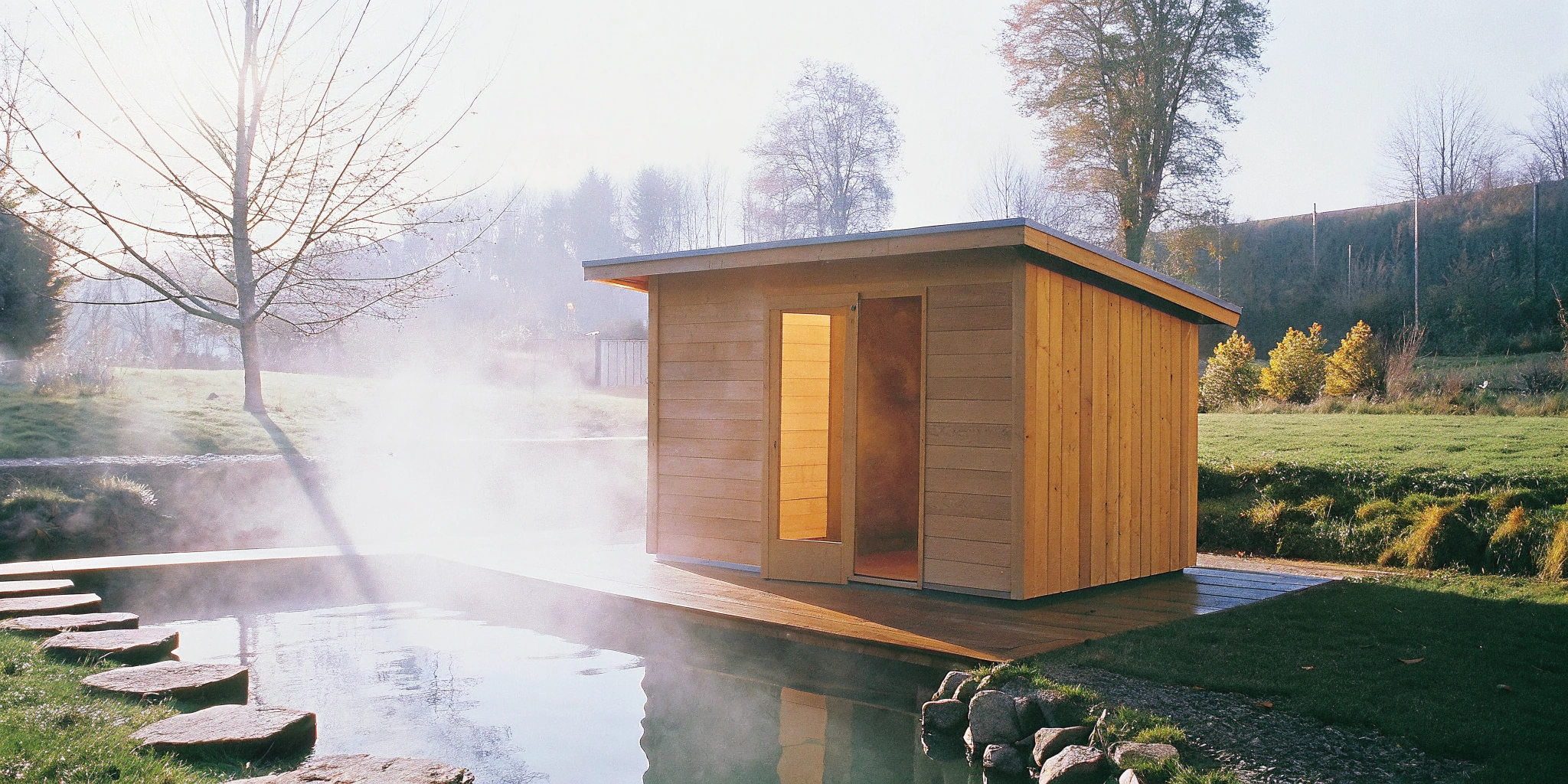
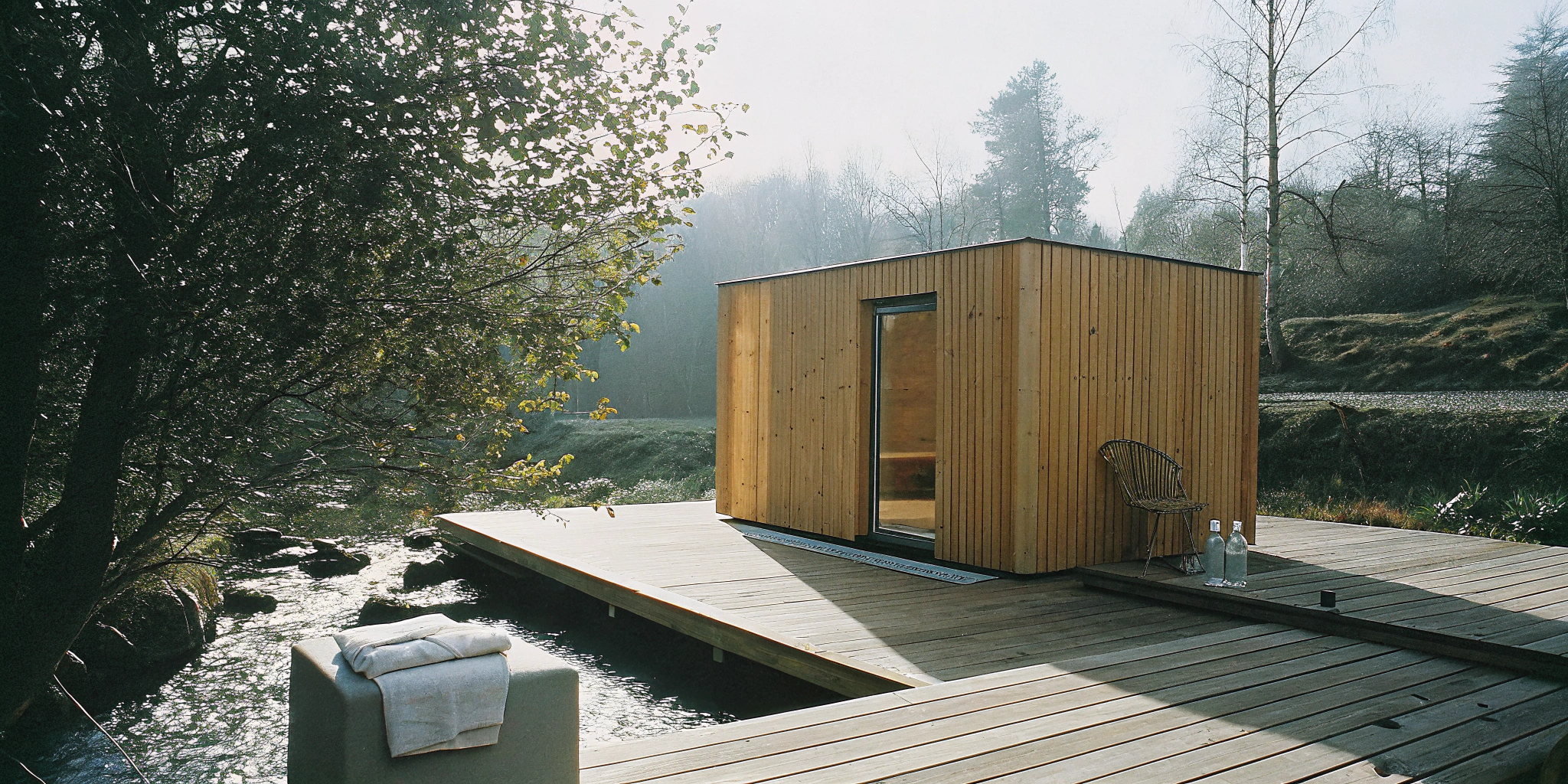
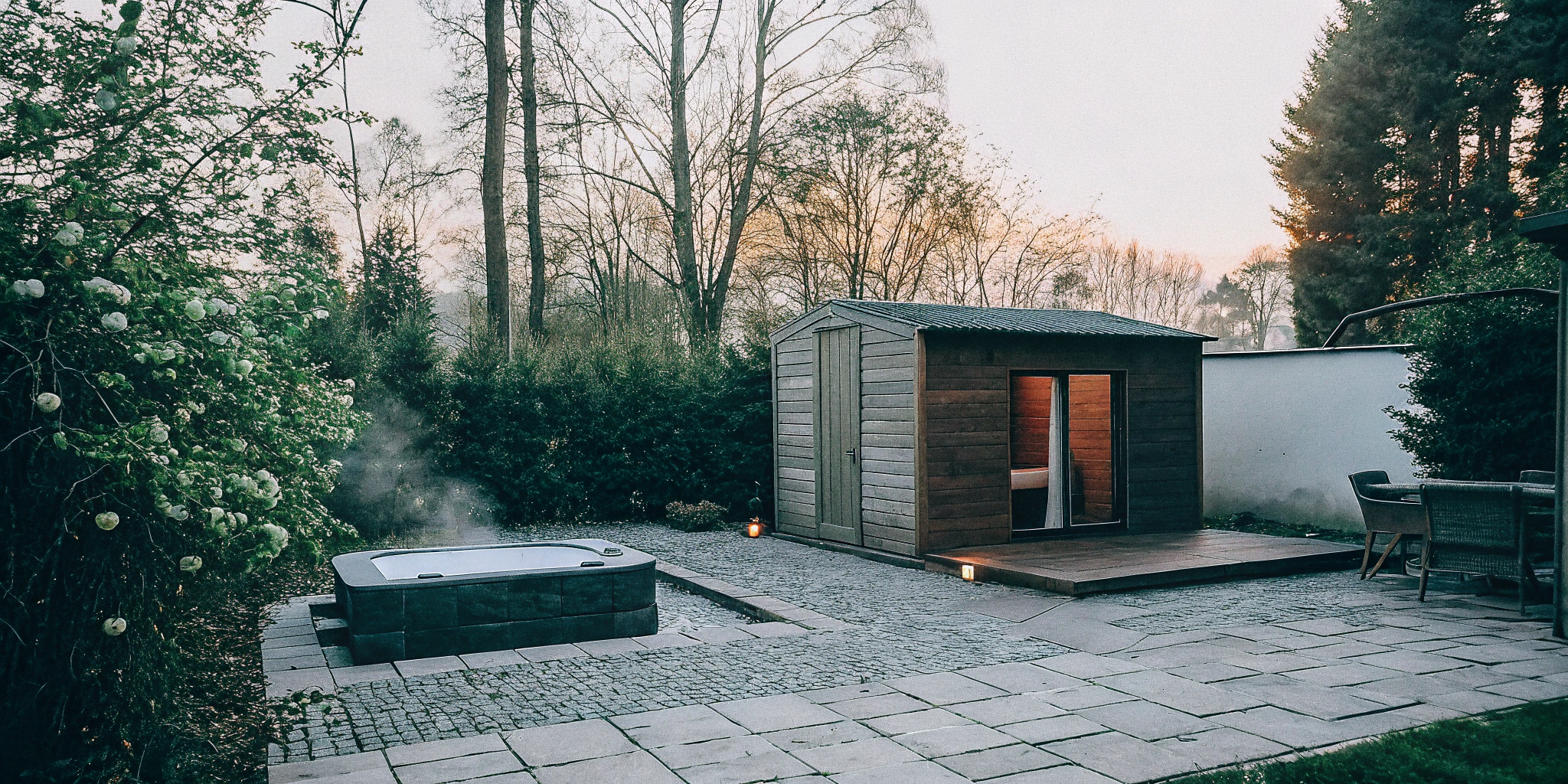
You can easily add a sauna to a deck or patio. Pair it with a Vigor Cold Plunge for a complete contrast therapy zone. Our team helps you design a space that integrates beautifully, handling everything from planning to installation.
Related Articles
- Best Sauna Relaxation in Charlotte: Top Spots
- Hot Cold Therapy Charlotte: Where to Go & What to Know
- Best Sauna Cold Plunge in Charlotte: A 2026 Guide
Frequently Asked Questions
When should I use the sauna? Use it after your workout. Give yourself a few minutes to cool down and hydrate first. Using it before can lead to dehydration.
Traditional vs. Infrared for soreness? Traditional offers intense, enveloping heat. Infrared offers gentle, penetrating warmth. Both are effective; choose the feeling you prefer.
How often should I use it? Consistency is key. Aim for 2–4 sessions a week. You’ll feel immediate relief, but long-term benefits come from habit.
Is a cold plunge necessary? Not strictly, but adding cold (contrast therapy) acts like a pump for your circulatory system, flushing inflammation much faster. It leaves you energized.
Public vs. Home Sauna? Public saunas are great for social wellness. Home saunas offer unmatched consistency and privacy, making recovery a seamless part of daily life.