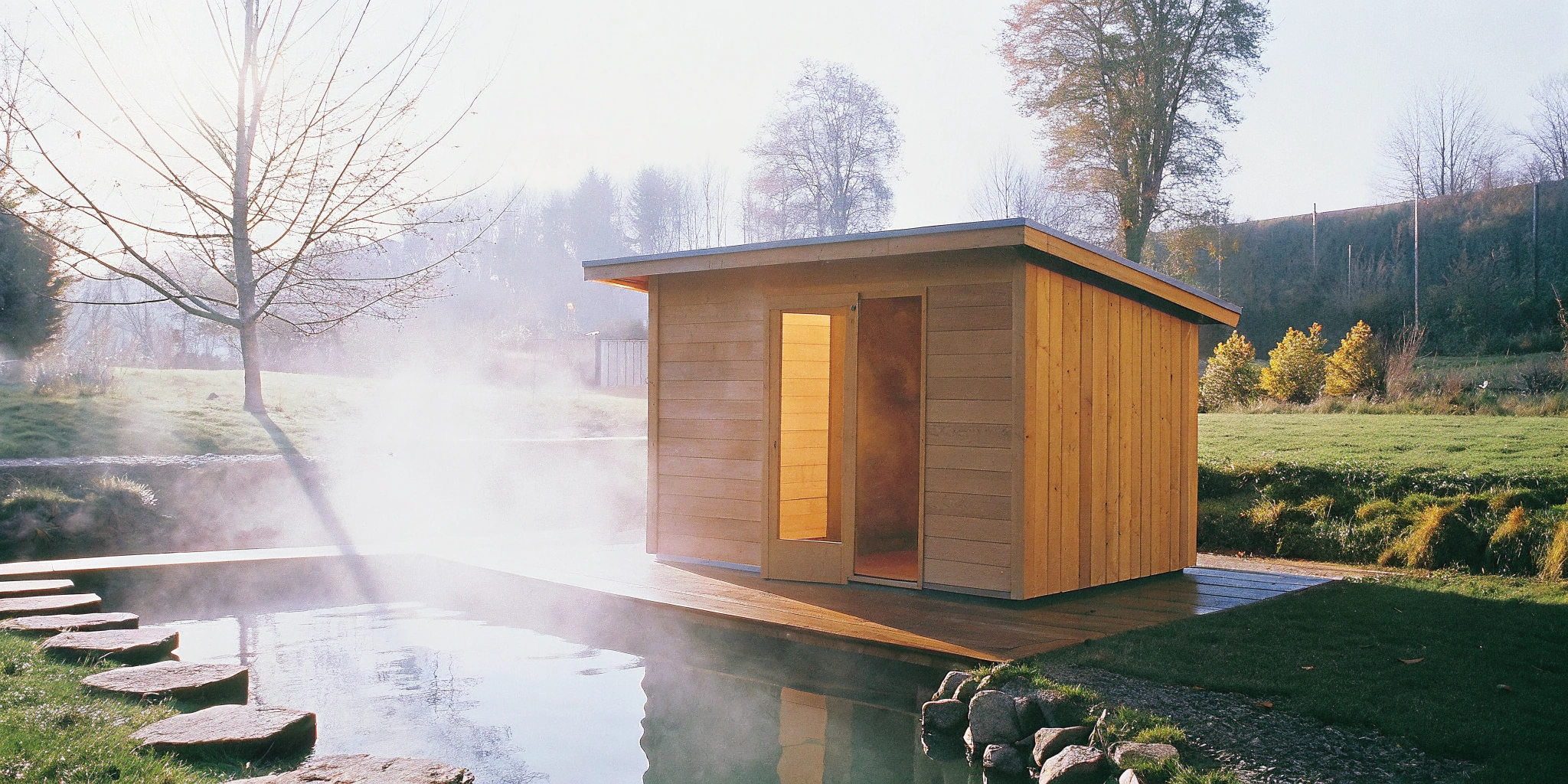
Many of us have used a sauna at a gym or spa, enjoying the heat as an occasional treat. But the real benefits for muscle recovery come from consistency—something that’s hard to achieve with public facilities.
Having a sauna at home transforms recovery from a sporadic event into a seamless daily ritual. It means you can step into the soothing warmth right after a workout or just before bed, without scheduling or travel. This immediate access is key to reducing inflammation and soreness effectively.
We’ll show you why a personal sauna for muscle recovery NC homeowners choose is the ultimate tool for integrating restorative wellness into your everyday life.
Key Insight: “Your body does its best healing when it’s at rest. A sauna creates the perfect environment for that deep, cellular repair.” 🧖♂️🔋
Key Takeaways
- Soothe Muscles with Heat: A sauna improves blood flow, delivering oxygen to tired muscles and clearing out byproducts that cause soreness.
- Build a Consistent Practice: The best results come from regular use. Aim for a few sessions per week to turn sauna use into a sustainable habit.
- Make Recovery Effortless: A home sauna eliminates travel, giving you a private space to unwind on your own time.
How a Sauna Helps Your Muscles Recover
After a tough workout or a long day of yard work, muscles can feel tight and overworked. A sauna session offers a simple, natural way to help your body heal.
The gentle, enveloping heat triggers physiological responses that support repair. The warmth penetrates deep into tissue, easing tension and increasing circulation. This helps clear metabolic byproducts while delivering nutrients needed for repair. It’s a restorative ritual that leaves you looser and calmer.
Improve Blood Flow and Deliver Nutrients
Heat causes blood vessels to widen (vasodilation), allowing blood to flow freely. This is essential for recovery because it delivers oxygen-rich blood to tired muscles.
This increased flow acts like a delivery service, bringing crucial nutrients for repair. Simultaneously, it helps flush out lactic acid, reducing post-workout soreness.
Soothe Soreness and Reduce Inflammation
The deep warmth actively soothes aching muscles. Heat relaxes tight fibers, providing relief from tension. By improving circulation, a sauna also helps reduce inflammation—a key driver of joint discomfort. It’s a natural way to manage pain and improve mobility.
Encourage Deeper Relaxation and Sleep
Muscle recovery is connected to rest. A sauna provides a quiet environment to unwind. The heat calms your nervous system, shifting you into a state of restoration.
The gradual cool-down after a session signals your body to sleep. Many find a pre-bedtime ritual leads to deeper rest—when your body does its most important repair work.
What to Expect from a Recovery Sauna Session
Using a sauna for recovery is intuitive. The goal is to create a quiet space to listen to your body. Whether at a studio or in your backyard, the experience centers on gentle heat and mindful recovery.
Think of it as a wind-down. Your session is dedicated time to unplug. The heat gradually penetrates, easing aches from the day.
How to Prepare
Preparation is simple. Hydrate well throughout the day. Before your session, take a quick warm shower to rinse off oils and open pores. Set an intention—whether for meditation or silence.
What to Do During Your Sauna
Once inside, relax. Sit or lie down comfortably. Focus on your breath. You can use this time for light, restorative stretching; heat makes muscles more pliable. Listen to your body and end your session when you feel relaxed, not exhausted.
Tips for Hydration and Cool-Down
After your session, rehydrate immediately with water. Allow your body to cool down gradually for 5–10 minutes. For deeper recovery, introduce contrast therapy by alternating heat with a cold plunge.
Which Type of Sauna Is Best for Muscle Recovery?
Choosing a sauna depends on the heat experience you prefer.
Traditional Saunas for Deep Heat
A traditional sauna heats the air, creating intense, enveloping warmth. It encourages a deep sweat, flushing toxins and delivering oxygen to tissues. It’s excellent if you enjoy a powerful heat experience that leaves you deeply rested.
Infrared Saunas for Penetrating Warmth
An infrared sauna uses light to warm your body directly. The heat penetrates deeply into muscle tissue at a lower ambient temperature. Many find this gentle heat perfect for reducing soreness without the intensity of a traditional sauna.
Contrast Therapy: Hot and Cold Rituals
Contrast therapy pairs sauna heat with a cold plunge. This ritual constricts and dilates blood vessels, creating a “pump” effect that moves blood through muscles. It significantly reduces inflammation and flushes lactic acid. Our experts can help design a dedicated contrast therapy zone at home.
The Best Saunas for Recovery in North Carolina
Whether you want a daily ritual or an occasional session, NC offers excellent options.
The At-Home Option: A Personal Tylo® Sauna
A personal sauna offers unmatched convenience. No appointments, no travel. Having a personal Tylo® sauna allows you to create a private ritual that integrates seamlessly into your life.
For a Studio Experience: Pure Sweat Sauna Studio
Pure Sweat Sauna Studio in Winston-Salem specializes in infrared sessions and contrast therapy. It’s perfect for trying different therapies in a community setting.
For a Spa Day: Lifestyle Wellness Recovery Spa
Lifestyle Wellness Recovery Spa in Forest City offers red infrared saunas for deep relaxation. It’s ideal for pairing recovery with a pampering spa day.
For Contrast Therapy: Echelon Contrast Suites
Dedicated contrast suites offer a focused approach. Cycling between a hot sauna and cold plunge speeds up repair, making it beneficial for athletes optimizing performance.
How Often Should You Use a Sauna for Recovery?
Consistency unlocks full benefits. Think of it as a practice that supports your body throughout the week.
Creating a Weekly Routine
Start with 2–3 sessions per week. This allows your body to adapt. As you get comfortable, increase frequency. Even a single weekly session helps ease tension.
When to Use a Sauna After a Workout
Use a sauna shortly after exercising. The heat increases circulation to tired muscles. Give yourself 15–20 minutes to cool down and hydrate first. This post-workout ritual soothes immediate soreness and reduces next-day stiffness.
Common Questions About Saunas for Recovery
The Truth About Hydration and Safety
Hydration is critical. Drink water before and after to replenish fluids lost through sweat. Listen to your body; if you feel dizzy, step out.
Is It for Recovery or Performance?
Both. Better recovery leads to better performance. Heat speeds up repair, allowing you to train harder. Combined with a cold plunge, it becomes a powerful system for athletic improvement.
Comparing Sauna Studios to a Home Sauna
Studios offer access without ownership, great for trying therapies. A home sauna integrates wellness into your life, offering freedom to enjoy a session anytime.
The Cost of Studio Memberships
Memberships at places like Pure Sweat can be a practical way to build a routine. However, it’s a recurring expense that adds up.
The Long-Term Value of Owning
Investing in a home sauna provides unlimited, private access. Regular sessions improve sleep and reduce pain. A personal Tylo® sauna becomes a lasting part of your home lifestyle. With financing options, it’s accessible.
Is a Home Sauna Right for Your Recovery Routine?
A personal sauna transforms recovery into a daily ritual—a dedicated space steps from your door.
The Benefits of Having Your Own Sauna
Recovery is always waiting for you. Consistent heat reduces muscle soreness and eases tension. It becomes a personal retreat for body and mind.
What to Know About Installation
Modern saunas fit beautifully on decks or patios. Both traditional and infrared models are built for durability. A free home consultation can help you visualize the perfect spot.
Related Articles
- The Ultimate Guide to Heat Therapy in Charlotte
- Your Guide to Infrared Sauna Home Installation
- Top 4 Wellness Sauna Experiences in Charlotte
Frequently Asked Questions
How long should a session be? Start with 15–20 minutes. It gives your body time to improve circulation without feeling drained.
Before or after workout? After. Heat helps begin the repair process. Using it before can lead to dehydration.
Traditional vs. Infrared for soreness? Traditional offers intense, enveloping heat. Infrared offers gentle, deep-penetrating warmth. Both are effective; choose what feels more soothing.
Do I need a lot of space? No. Modern saunas are compact and fit on small decks or patios. You don’t need a huge backyard.
Is maintenance difficult? No. Home saunas are low-maintenance. Simple wiping and keeping it dry is usually all that’s needed.