Experience the Best in Outdoor Living: Family Owned | Local Manufacturing | Single Point of Contact
Outdoor Kitchen Cost in Charlotte, NC: A 2026 Guide Outdoor Kitchen Cost in Charlotte, NC: A 2026 Guide

How Much Does an Outdoor Kitchen Cost in Charlotte, NC?

Building in the Carolinas means designing for our specific climate and lifestyle. An outdoor kitchen here needs to handle warm, humid summers and feel like a natural gathering spot for our love of outdoor living. As a local builder, we’ve seen what works, what lasts, and what homeowners value most over time. This experience shapes every conversation we have, especially when it comes to the budget. When homeowners ask us about the outdoor kitchen cost in Charlotte, NC, our answer is grounded in years of real-world projects. We help you plan with those local realities in mind, ensuring your investment is as durable as it is beautiful.

Key Takeaways

  • Define Your Hosting Style to Set Your Budget: An outdoor kitchen’s cost aligns with how you plan to use it. A dedicated grilling station is a different investment than a full entertainer’s hub with refrigeration, a sink, and bar seating, so clarifying your vision is the best first step.
  • A Complete Budget Includes the Foundation: The final price isn’t just about appliances and countertops. A realistic plan also accounts for the essential groundwork, including utility lines, permits, and a solid base, which ensures the kitchen is safe, functional, and built to last.
  • Invest in Materials Suited for Carolina Weather: Our humid climate requires materials that won’t warp, fade, or corrode. Choosing durable, weather-resistant options from the start is the most important decision for protecting your investment and avoiding costly repairs down the road.

How Much Does an Outdoor Kitchen Cost in Charlotte?

One of the first questions homeowners ask is about the budget. While the final number depends on your vision, we believe in being transparent about what to expect. Pricing isn’t arbitrary—it’s a direct reflection of the size, materials, and appliances you choose for your home. An outdoor kitchen is more than an appliance; it’s an investment in how you spend your time, whether you’re hosting neighborhood cookouts or enjoying a quiet weeknight dinner outside.

Based on the hundreds of outdoor kitchens we’ve designed and built here in the Carolinas, projects generally fall into three common budget tiers. Think of these as starting points. They help clarify what’s possible and ensure the final design aligns perfectly with your lifestyle and your home’s architecture. The key is to create a space that not only looks beautiful on day one but also performs reliably for years of gatherings and family meals.

The Essentials: A Starter Outdoor Kitchen

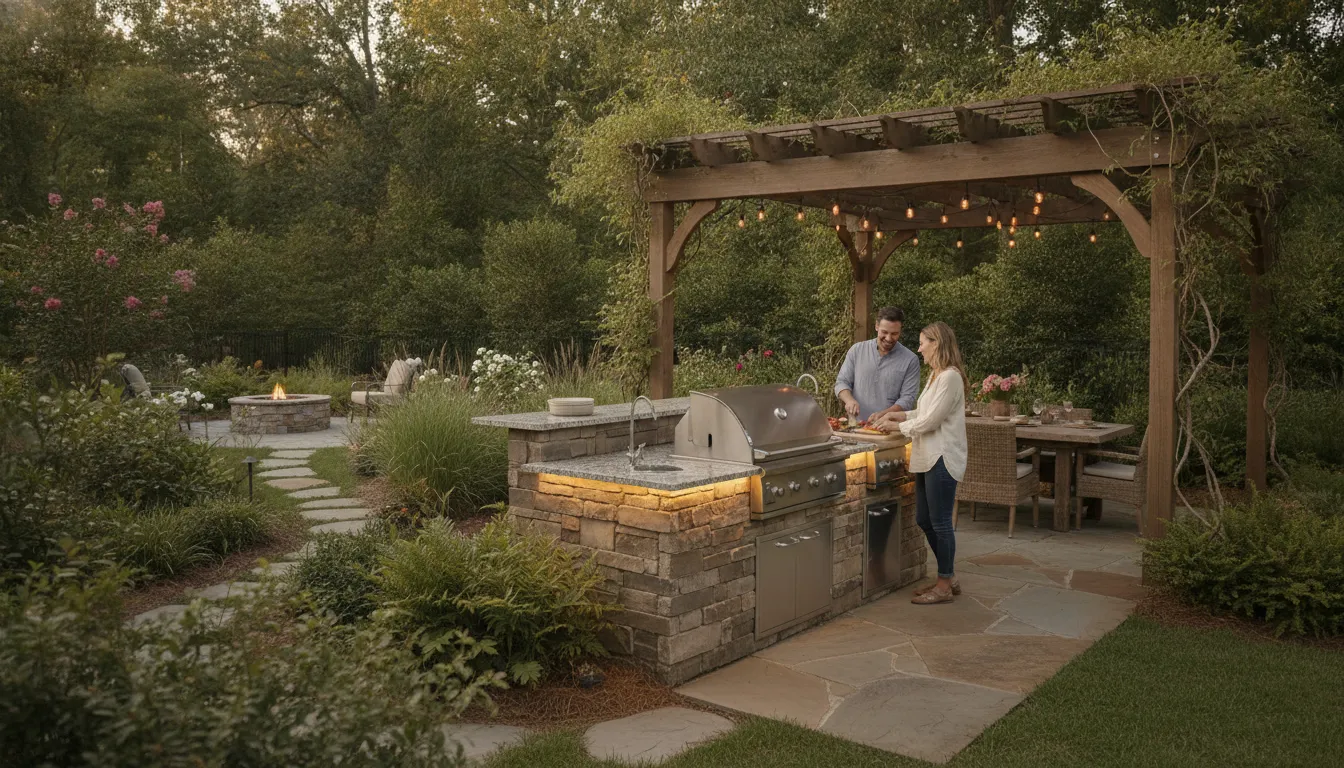
For homeowners looking to create a dedicated, high-quality grilling station, a starter kitchen is the perfect entry point. This isn’t about a simple grill on a patio; it’s a thoughtfully designed, built-in space that makes cooking outdoors easier and more enjoyable. In our experience, these projects typically begin in the $15,000 to $20,000 range. This investment covers a premium built-in grill, durable countertop prep space, and the professional installation of gas and electrical lines. It’s the ideal solution for elevating your grilling game and creating a functional focal point for your backyard.

The Entertainer: A Mid-Range Kitchen

This is the most popular choice for Charlotte families who love to host. The entertainer’s kitchen transforms your patio into a true social hub, blending cooking and conversation seamlessly. These projects generally range from $25,000 to $45,000. At this level, you can incorporate more features that make hosting effortless: an outdoor refrigerator to keep drinks cold, a sink for quick clean-up, ample counter space for serving, and integrated storage. It’s a setup designed for making memories, where everything you need is right at your fingertips, allowing you to stay part of the action instead of running back inside.

The Retreat: A Luxury Outdoor Kitchen

For those who envision a complete culinary destination, a luxury outdoor kitchen offers limitless possibilities. These comprehensive projects typically start at $50,000 and can expand from there, depending on the scope. This tier includes specialty appliances like a wood-fired pizza oven or a ceramic smoker, a full-service bar with an ice maker, premium stone finishes, and custom lighting. Often integrated with a covered patio, dining area, or fire feature, this kitchen becomes the heart of a complete outdoor living environment. It’s a true retreat, designed for those who are passionate about cooking and creating unforgettable experiences at home.

What Factors Shape an Outdoor Kitchen Budget?

The final cost of an outdoor kitchen isn’t an arbitrary number—it’s a direct reflection of your design decisions, material choices, and the specific needs of your property. While projects in the Carolinas can range from a simple grilling island to a fully equipped culinary retreat, understanding the key cost drivers helps you plan with confidence. Pricing is shaped by a few core factors, and knowing the trade-offs between them allows you to invest in what matters most to your family’s lifestyle.

We believe transparency is essential. When you understand why costs change, you can make decisions that feel right for your home and your budget, ensuring the final result is a space you’ll love for years to come.

Comprehensive outdoor kitchen cost planning infographic for Charlotte homeowners showing budget tiers from 15,000 starter kitchens to 50,000+ luxury retreats, Carolina climate material requirements including granite countertops and marine-grade cabinets, hidden foundation costs for utilities and site preparation, appliance selection priorities focusing on built-in grills and outdoor refrigeration, and timeline planning strategies to protect investment through proper scheduling and coordination.

The Footprint: Size and Layout

The physical size and complexity of your kitchen are the primary drivers of your budget. A larger footprint requires more materials for countertops, framing, and finishes, as well as more labor to build. A simple, straight-line grilling station is a more straightforward project than a sprawling U-shaped kitchen with bar seating for ten.

Think about how you plan to use the space. Is it for intimate family dinners or for hosting the entire neighborhood? The layout should support the life you want to live outdoors. Our outdoor kitchen gallery shows a range of layouts we’ve built for homeowners right here in the Carolinas, from compact and efficient to grand and expansive.

The Finish: Materials and Durability

The materials you choose for countertops, cabinets, and veneers determine not only the look of your kitchen but also its ability to withstand our humid Carolina summers and chilly winters. For instance, granite countertops can vary widely in price per square foot, and a premium stone will cost more than a standard option.

In our experience, investing in durable, weather-resistant materials from the start prevents costly repairs and maintenance down the road. While some choices have a higher upfront cost, their longevity provides better long-term value. It’s about creating a space that looks beautiful on day one and performs reliably for years to come.

The Features: Appliances and Brands

Appliances are the heart of your outdoor kitchen’s functionality, and they represent a significant portion of the budget. Homeowners are creating truly functional second kitchens with built-in grills, outdoor refrigerators, sinks, side burners, and even pizza ovens.

The brands you select also play a major role. A professional-grade grill from a brand like Lynx or DCS will be a larger investment than a more standard built-in model. The right choice depends entirely on how you cook and entertain. We help homeowners select appliances that match their culinary style, ensuring every feature serves a purpose in their daily routine.

The Foundation: Site Prep and Location

Before the first cabinet is set, your property needs to be ready. Site preparation is a crucial and often overlooked cost factor. This can include grading the land for proper drainage, pouring a concrete foundation, and running utility lines for gas, water, and electricity.

Every project is different, and your property’s unique conditions will influence the amount of prep work needed. We also handle the necessary permits for utility work, which is a critical step for safety and compliance. A free home consultation allows us to assess your space and provide a clear picture of these foundational requirements from the very beginning.

How Do Materials Impact the Final Cost?

The materials you choose for your outdoor kitchen are more than just a surface-level decision; they determine how your space will look, feel, and endure through years of Carolina summers and winters. While finishes and fixtures are where your personal style comes to life, they are also one of the most significant factors in your project’s budget. A simpler design with high-quality, weather-resistant materials often provides more long-term satisfaction than a complex layout built with materials that can’t handle our region’s humidity and sun. We believe in explaining the trade-offs so you can make a confident choice that balances your vision with lasting value.

The right materials ensure your investment is not just beautiful on day one, but remains a reliable part of your home for years to come. In our experience, focusing on durability from the start prevents costly repairs and maintenance down the road. You can see how different material choices come together in our outdoor kitchen gallery, which features projects from across the Carolinas. Making an informed decision on materials is the first step toward building a space that truly lasts.

Choosing Your Countertops

Your countertops are the primary work surface of your outdoor kitchen, and they need to withstand everything from direct sun and rain to food spills and hot pans. This is why material selection here is so critical. Granite is a popular and durable choice, but its cost can vary widely depending on the quality and finish. Other options like concrete or stone offer different aesthetics and performance characteristics. The key is to select a material that is non-porous and UV-stable to prevent staining and fading, ensuring your kitchen looks great season after season.

Selecting Cabinets and Storage

Outdoor kitchen cabinets provide essential storage, but they must be built to handle the elements. Unlike indoor cabinetry, they face constant exposure to moisture, temperature swings, and pests. This is why we use materials specifically designed for outdoor use, which resist warping, fading, and corrosion. The cost often reflects the quality and durability of these materials. Investing in weather-resistant cabinetry means you won’t have to worry about replacing swollen doors or rusted hardware, giving you a functional and stress-free storage solution that protects your cookware and supplies.

Understanding Frame Materials

The hidden structure of your outdoor kitchen is its most important feature. The frame is the backbone that supports your countertops, appliances, and finishes. We build our outdoor kitchens with strong, welded metal frames that are galvanized to prevent rust, then cover them with a fire-resistant concrete board. This method creates an incredibly durable and stable foundation that won’t degrade over time. While you’ll never see it, this internal structure is what ensures your kitchen island remains solid and secure, providing the peace of mind that your investment is built to last from the inside out.

What Appliances Do Charlotte Homeowners Prioritize?

Appliances are what transform a beautiful stone patio into a true outdoor kitchen—the functional heart of your backyard. While the possibilities are nearly endless, we’ve found that most homeowners in the Carolinas build their space around a core set of hardworking essentials. The goal isn’t to replicate your indoor kitchen, but to create a self-sufficient environment that makes cooking and hosting feel effortless.

Thinking through how you plan to use the space is the best first step. Do you envision weeknight family dinners, large weekend gatherings, or quiet mornings with a cup of coffee? Your answer will guide which appliances will bring the most value and enjoyment. In our experience building custom outdoor kitchens across the Charlotte area, we see a clear pattern in the features that homeowners find most indispensable for creating a seamless and enjoyable outdoor lifestyle.

The Grill: The Heart of the Kitchen

The grill is almost always the centerpiece of an outdoor kitchen, and for good reason. It’s the primary cooking station and the natural gathering spot for guests. While a standalone cart grill is functional, a built-in model creates a much more integrated and high-end experience. Built-in grills from trusted brands like Bull, Lynx, or Big Green Egg offer superior performance and durability, with features like multiple heat zones and easy-to-clean surfaces that simplify the cooking process. Choosing a quality built-in grill is the single most important decision for ensuring your outdoor kitchen is a place you’ll want to use for years to come.

Keeping it Cool: Refrigeration and Ice

Few things improve the flow of an outdoor kitchen more than dedicated cold storage. An outdoor-rated refrigerator eliminates the constant back-and-forth to the house for drinks, condiments, and ingredients. This simple addition keeps you present with your guests and makes the entire space feel more self-contained. For homeowners who entertain often, a built-in ice maker is another game-changer, ensuring cold drinks are always on hand without the hassle of coolers. It’s a practical luxury that you’ll appreciate every time you host, especially during our warm Carolina summers.

Beyond the Grill: Sinks, Burners, and More

Once the core cooking and cooling elements are in place, other appliances add layers of convenience. A sink is invaluable for prep work and cleanup, keeping messes contained outside. Side burners are perfect for simmering sauces, boiling corn, or preparing side dishes that can’t be cooked on the grill. From there, you can add features that fit your specific lifestyle, like weather-sealed storage drawers for utensils, a warming drawer to keep food ready, or even a specialty appliance like a wood-fired pizza oven to create memorable family pizza nights.

What Other Costs Should You Plan For?

The appliances, cabinets, and countertops are the most visible parts of an outdoor kitchen, but they aren’t the whole story. The work required to prepare your site and connect your kitchen to your home is just as critical to the final budget—and to the long-term enjoyment of your space. In our experience, planning for these foundational elements from the start is the key to a smooth project without surprises.

Utilities: Gas, Water, and Electric

Bringing the convenience of an indoor kitchen outside requires running utility lines for gas, water, and electricity. This work ensures your grill ignites instantly, your sink is functional, and your refrigerator keeps drinks cold. Because this involves licensed professionals, the costs are an important part of your overall budget. For example, running a new gas line can cost around $2,500, while adding a sewer line for a sink might be closer to $3,500. Safely wiring for lighting and appliances often adds another $2,000. These figures vary based on the distance from your home and site complexity, but they are essential for creating a truly functional outdoor kitchen.

Planning: Permits and Local Codes

Proper permitting is about more than just paperwork; it’s about ensuring your outdoor kitchen is safe, compliant, and built to last. Most local municipalities in the Charlotte area require permits for any project involving new structures, gas lines, plumbing, or electrical work. Navigating these local codes and scheduling inspections can be a complex process for a homeowner. An experienced, licensed builder handles this as a standard part of the project, making sure every element meets safety standards. This step protects your investment and gives you confidence that the work was done correctly.

Groundwork: Foundations and Grading

A beautiful kitchen needs a solid, level base to rest on. The groundwork is the unseen hero of your outdoor living space, preventing settling, cracking, and drainage issues down the road. This process often involves grading the land to ensure proper water flow and installing a durable foundation, like a concrete slab or a paver patio. The cost for this work depends entirely on your property’s current condition and the size of your kitchen. A well-built foundation is the first step in creating an outdoor space that will serve your family for decades, and it’s why we often build kitchens as part of a complete paver patio installation.

Shelter: Pergolas and Roof Structures

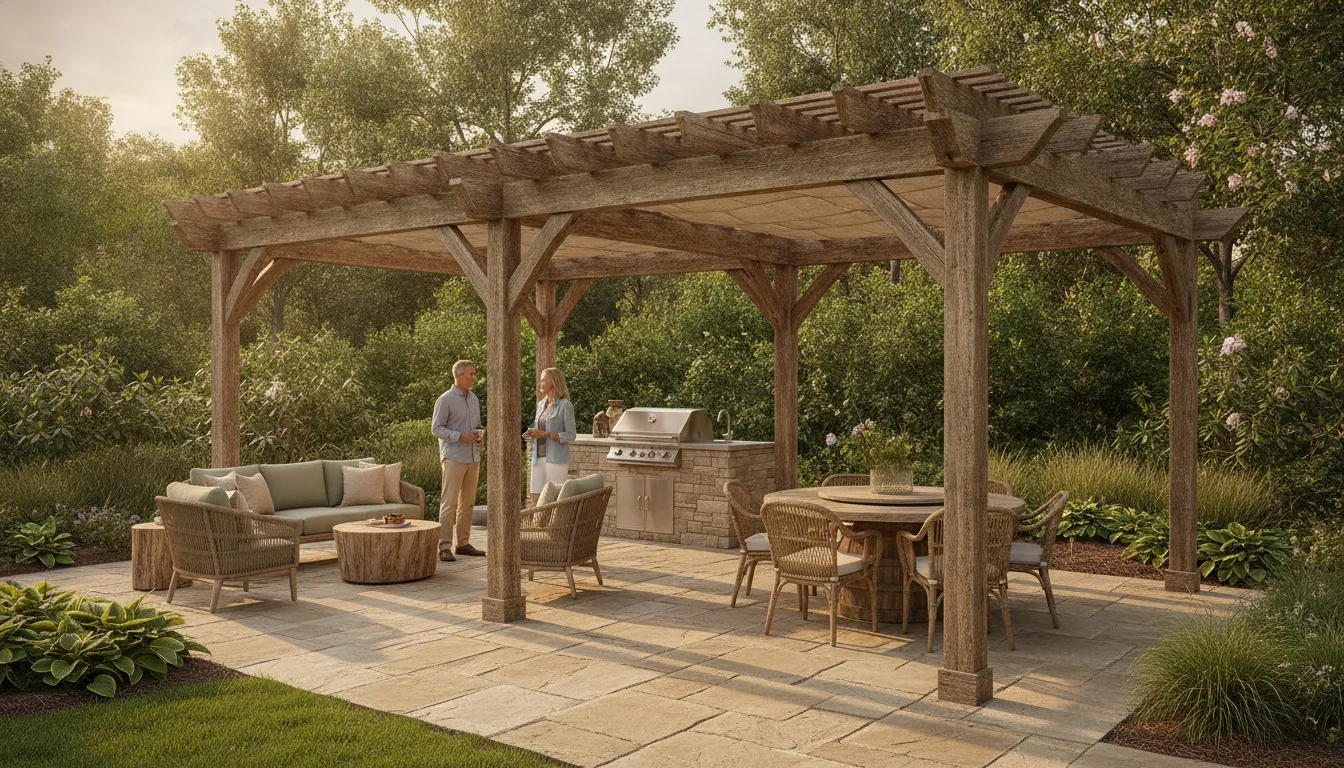
To get the most use out of your kitchen, it’s wise to plan for shelter. Carolina weather can be unpredictable, and a covered structure protects your investment from sun and rain while making the space comfortable in more conditions. The most successful outdoor kitchens we build are often situated under a pavilion or roof structure. This not only provides shade and protection but also helps define the kitchen as a true outdoor room. Whether it’s a simple pergola for shade or a fully roofed structure, adding shelter makes your kitchen a more reliable and inviting destination for cooking and gathering.

How Do Popular Designs Affect the Budget?

An outdoor kitchen is rarely a standalone feature. It’s the heart of a larger outdoor living environment, and its true value comes from how it connects with the spaces around it. The most thoughtful designs we build in the Carolinas consider the flow between cooking, dining, and relaxing. While these integrated designs require a more comprehensive budget, they also deliver a far more intuitive and enjoyable experience. The goal isn’t just to add a grill; it’s to create a setting where hosting feels effortless and quiet evenings feel special. How you choose to connect these spaces is one of the biggest factors in your project’s final cost.

Common Layouts We See in Charlotte

The shape of your kitchen defines how you work and socialize within the space. For homeowners here, a few layouts have proven to be the most functional. An L-shaped kitchen fits neatly into a corner, creating an efficient work triangle and a natural spot for guests to gather without getting in the cook’s way. A U-shaped design offers the most counter space and storage, ideal for those who see their outdoor kitchen as a true second kitchen. A simple island layout is often the most social, turning the grill master into the center of the party. The size and complexity of your chosen layout directly impact material costs for countertops and framing, as well as labor.

Adding Fire Pits and Entertainment Zones

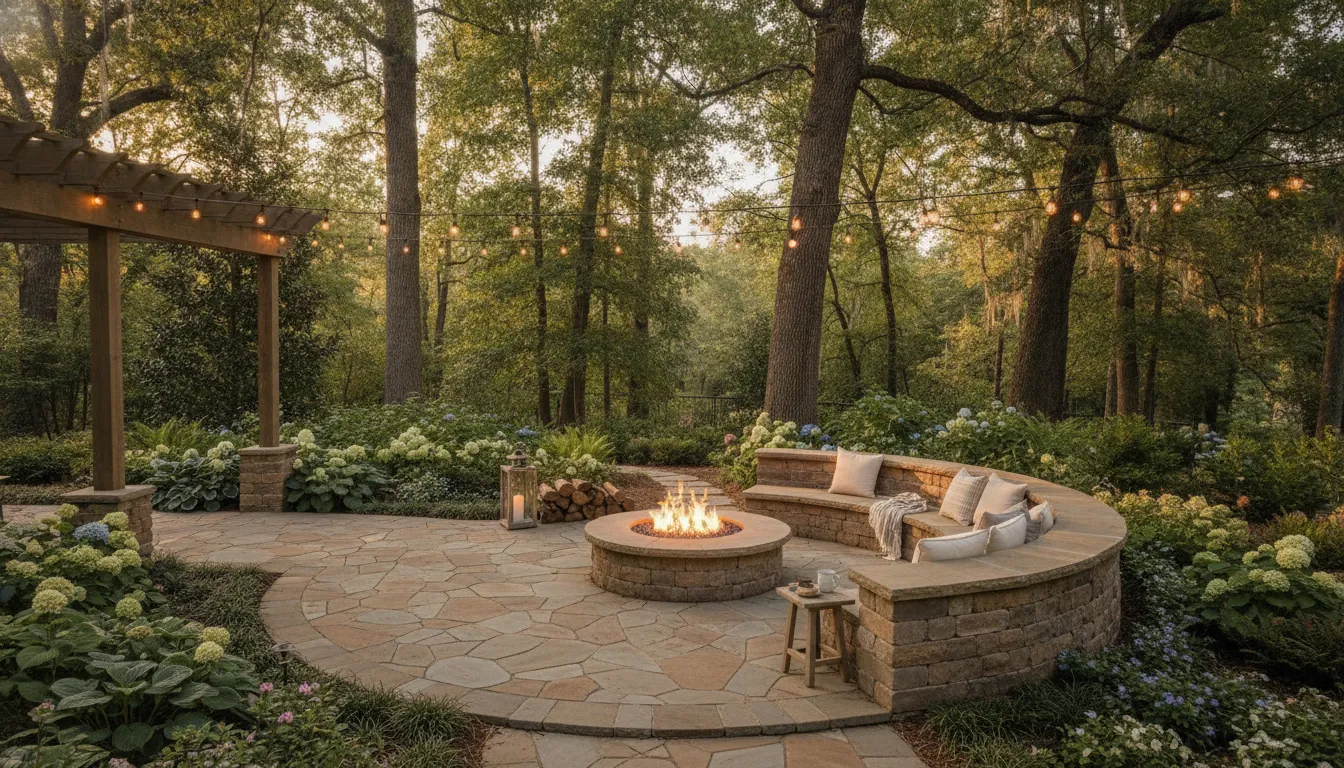
Integrating a fire feature is one of the most common requests we get, and for good reason. A fire pit or fireplace transforms a kitchen area from a seasonal cooking spot into a year-round destination for conversation and warmth. Planning for this element from the start is key. It affects the overall footprint of your patio, the placement of gas lines, and the selection of stonework to create a cohesive look. While adding a fire feature increases the initial budget, it fundamentally changes how and when you can use your backyard, extending its enjoyment well into the cooler months.

Blending Your Kitchen with Patios and Decks

The most successful outdoor kitchens feel like a natural extension of the home. This requires a seamless flow between the kitchen and your existing patios or decks. We often design spaces where the patio material flows directly from the kitchen to a dining area or where a multi-level deck connects the back door to the grilling station. Achieving this cohesion means thinking about the entire space as one project. It ensures consistent materials, proper grading, and a layout that makes sense for how your family moves and lives, which is a core part of our design process.

Common Budget Mistakes to Avoid

A successful outdoor kitchen project is less about spending more and more about planning well. Over the years, we’ve seen a few common oversights that can turn an exciting investment into a source of frustration. These aren’t failures—they’re just predictable challenges that are easy to avoid when you know what to look for. Understanding them from the start helps you make confident decisions and ensures the final space not only meets your budget but truly enhances your daily life.

Thinking through the complete picture—from the ground up—prevents surprise costs and ensures every dollar contributes to a kitchen that will last for years. A thoughtful plan considers not just the appliances you want today, but how the entire space will function through seasons of Carolina weather and family gatherings. By avoiding these common pitfalls, you protect your investment and end up with a beautiful, functional kitchen that feels right from day one.

Overlooking the “All-In” Number

One of the most common mistakes is focusing only on the cost of the grill and cabinets while overlooking the total project investment. The “all-in” number includes everything it takes to make your kitchen functional and safe: site preparation, utility lines for gas and water, electrical work, and proper drainage. When these foundational costs aren’t factored in from the start, it can lead to compromises on quality or an unfinished project. A clear, comprehensive plan ensures there are no surprises, allowing you to get a realistic price that covers the entire scope of work from start to finish.

Using Materials Not Suited for Carolina Weather

Here in the Carolinas, our outdoor spaces face a unique combination of high humidity, intense sun, and fluctuating temperatures. Choosing materials that can’t handle these conditions is a critical budget mistake. While less durable options might save money initially, they often lead to cracking, warping, or fading, requiring costly repairs or replacement down the road. We always recommend materials proven to last in our climate, like marine-grade polymer cabinets and granite or quartzite countertops. Investing in the right materials ensures your kitchen remains beautiful and functional for years, making it a smarter long-term decision. You can see examples in our outdoor kitchen gallery.

Forgoing a Professional Design Plan

An outdoor kitchen is more than a collection of appliances; it’s a workspace that needs to be functional, safe, and comfortable. Skipping a professional design plan often leads to poor workflow, like placing the grill too far from the prep counter or forgetting adequate storage. These functional issues can be expensive or impossible to fix later. A thoughtful design process considers how you’ll actually use the space, ensuring proper ventilation, logical layout, and seamless integration with your patio or deck. Our free home consultation includes a 3D design so you can visualize the layout and confirm every detail is right before construction begins.

How Much Value Does an Outdoor Kitchen Add to a Charlotte Home?

An outdoor kitchen is more than just an appliance setup; it’s a fundamental change to the way you live in your home. It creates a new center for gathering, making your backyard the go-to spot for everything from quiet weeknight dinners to lively weekend celebrations with family and friends. But beyond the immediate lifestyle benefits, homeowners here in the Carolinas rightfully ask about the financial side of the equation: Is it a smart investment for my property?

The answer we’ve seen time and again is yes. A well-designed outdoor kitchen doesn’t just add enjoyment—it adds tangible, lasting value. It extends your home’s functional square footage, turning an underused patio or deck into a true outdoor room. For potential buyers, this is a powerful feature that makes a home stand out, suggesting a lifestyle of comfort, entertainment, and connection. It’s one of the few home improvements that pays you back in both daily enjoyment and long-term equity.

Understanding the Return on Your Investment

When it comes to financial return, a thoughtfully planned outdoor kitchen performs exceptionally well. National real estate studies show that homeowners can see a significant return, with some projects adding anywhere from 55% to 200% of their cost back to the home’s value. The final number depends on the quality of the design, the durability of the materials, and how well the kitchen integrates with your home and landscape.

In our experience, projects that feel like a natural extension of the home—not an afterthought—deliver the highest return. When you invest in quality appliances and durable, weather-resistant materials, you’re not just building for today; you’re creating a permanent feature that future buyers will value. Many homeowners find they can recover a large portion of the project’s value upon resale, making it a confident investment in your property.

Why Outdoor Kitchens Appeal to Carolina Homebuyers

In the Carolinas, we love to be outside. An outdoor kitchen directly supports that lifestyle, which is why it has moved from a luxury amenity to a highly sought-after feature for many homebuyers. It transforms a simple backyard into a functional and inviting living space, which is a huge selling point. A home with a beautiful outdoor kitchen immediately signals a place for connection and making memories.

For buyers, it’s easy to picture themselves grilling for friends, hosting family holidays, or just enjoying a quiet evening outdoors. This emotional connection makes a property more memorable and desirable. Year after year, outdoor kitchens become less of a “nice-to-have” and more of a standard feature for homes in our area, making them a smart addition whether you plan to sell soon or stay for years to come.

How Your Project Timeline Impacts the Budget

The timing of your outdoor kitchen project plays a quiet but important role in the overall budget and experience. It’s not just about what you build, but when you decide to break ground. Planning ahead for seasonal demand and the time it takes to source quality materials can make the entire process smoother, more predictable, and ultimately more aligned with your financial goals. In our experience, a project with a thoughtful timeline is almost always a project that stays on budget.

Understanding these factors from the start helps you make confident decisions without feeling rushed. It allows for proper site preparation, timely ordering of your chosen appliances and finishes, and a construction schedule that flows without costly interruptions. This foresight is key to transforming your backyard efficiently, ensuring it’s ready for you to enjoy exactly when you envision it.

Building in Different Carolina Seasons

Here in the Carolinas, our mild climate means we can build beautiful outdoor kitchens nearly year-round. However, each season presents its own rhythm. Spring is naturally a popular time, as everyone is eager to get outside after the winter. This high demand can lead to fuller construction schedules across the region, so it’s wise to begin planning well in advance if you’re hoping for a spring completion.

We often find that fall is an ideal season for construction. The weather is typically stable, and it allows your new kitchen to be perfectly settled and ready for the first warm days of the following year. Regardless of the season, we build with materials like durable granite, stone, and stainless steel specifically chosen to withstand Carolina humidity and temperature shifts, ensuring your investment lasts for years to come.

How Planning and Material Lead Times Affect Cost

A well-managed timeline is one of the best tools for protecting your budget. While the physical construction of an average outdoor kitchen might take a few weeks, this phase only begins after all designs are finalized and materials are secured. High-quality appliances, custom cabinetry, and specific stone or paver selections often have lead times, meaning they need to be ordered weeks or even months in advance.

Making these decisions early in the design process is crucial. It prevents delays that can cause a ripple effect, potentially impacting labor schedules and extending the project timeline. Rushed choices made mid-project to avoid a delay can lead to compromises on quality or unexpected costs. By planning ahead, we can order everything needed and create a seamless construction schedule, ensuring a predictable and efficient build from start to finish.

Taking the Next Step with Confidence

Exploring Your Financing Options

An outdoor kitchen is a meaningful addition to your home, and it’s helpful to have a clear picture of the investment. Costs can range from around $15,000 for a straightforward setup to over $80,000 for a fully custom retreat with high-end appliances and finishes. Understanding this range helps you plan with clarity. The final number depends entirely on the decisions you make about size, materials, and features. To make the process feel more manageable, many homeowners explore financing options that allow them to build the space they truly want without compromising. This isn’t about stretching a budget, but about making a smart, long-term investment in your home and lifestyle feel comfortable from the start.

Why a Single, Local Partner Matters

An outdoor kitchen project has many moving parts—design, construction, plumbing for a sink, running gas lines for a grill, and wiring for refrigeration. For many homeowners, coordinating different contractors can become a stressful, full-time job. This is why working with a single, local partner makes such a difference. When one team handles everything from the initial 3D design to the final installation, the process becomes seamless. There’s no miscommunication between a designer and a builder, and you have one point of contact who understands your vision. In our experience, this integrated approach is the surest path to a project that finishes on time, on budget, and without unnecessary stress. It lets you focus on the excitement of the final result.

Related Articles

Frequently Asked Questions

How long does the entire process take, from design to completion? While the on-site construction of an outdoor kitchen might only take a few weeks, the full process is more involved. A realistic timeline includes the initial design consultations, material selections, and the lead time for ordering appliances and custom finishes. We find that a well-planned project, from our first conversation to your first meal cooked outside, typically takes a few months. Planning ahead ensures we can secure everything needed for a smooth and predictable build without any rush.

What are the most common ‘surprise’ costs I should plan for? The most common costs homeowners overlook are the foundational ones. This includes preparing the site with proper grading and a solid base, as well as running utility lines for gas, water, and electricity. These elements are what make your kitchen functional, safe, and durable. We include these requirements in our initial plan so that the budget we discuss is comprehensive, covering everything from the ground up, not just the cabinets and grill you see.

Do I really need an outdoor refrigerator and sink? While not essential for grilling, a refrigerator and sink are what transform the space into a true, self-sufficient kitchen. In our experience, these are the features homeowners appreciate most. A refrigerator means no more running inside for drinks or ingredients, allowing you to stay present with your family and guests. A sink contains all the prep and cleanup mess outside. Together, they create an effortless flow that makes hosting feel less like work and more like living.

Why is it better to use one company for the entire project? An outdoor kitchen involves several skilled trades, from masonry and construction to licensed plumbing and electrical work. When you manage multiple contractors, you also manage all the scheduling, communication, and potential for error. Using a single, integrated team means you have one point of contact who understands the entire vision. It ensures a seamless process where the design, construction, and utility work are all perfectly coordinated, which saves you time and eliminates stress.

Is it possible to build a quality outdoor kitchen in phases to manage the budget? Yes, this can be a smart approach if planned correctly from the start. The key is to complete all the foundational work—like the patio and running the necessary utility lines—in the first phase. This creates the backbone of your kitchen. From there, you can add appliances over time. For instance, you might start with the built-in grill and add a refrigerator or pizza oven the following year. A comprehensive initial design ensures that future additions will fit perfectly without costly rework.