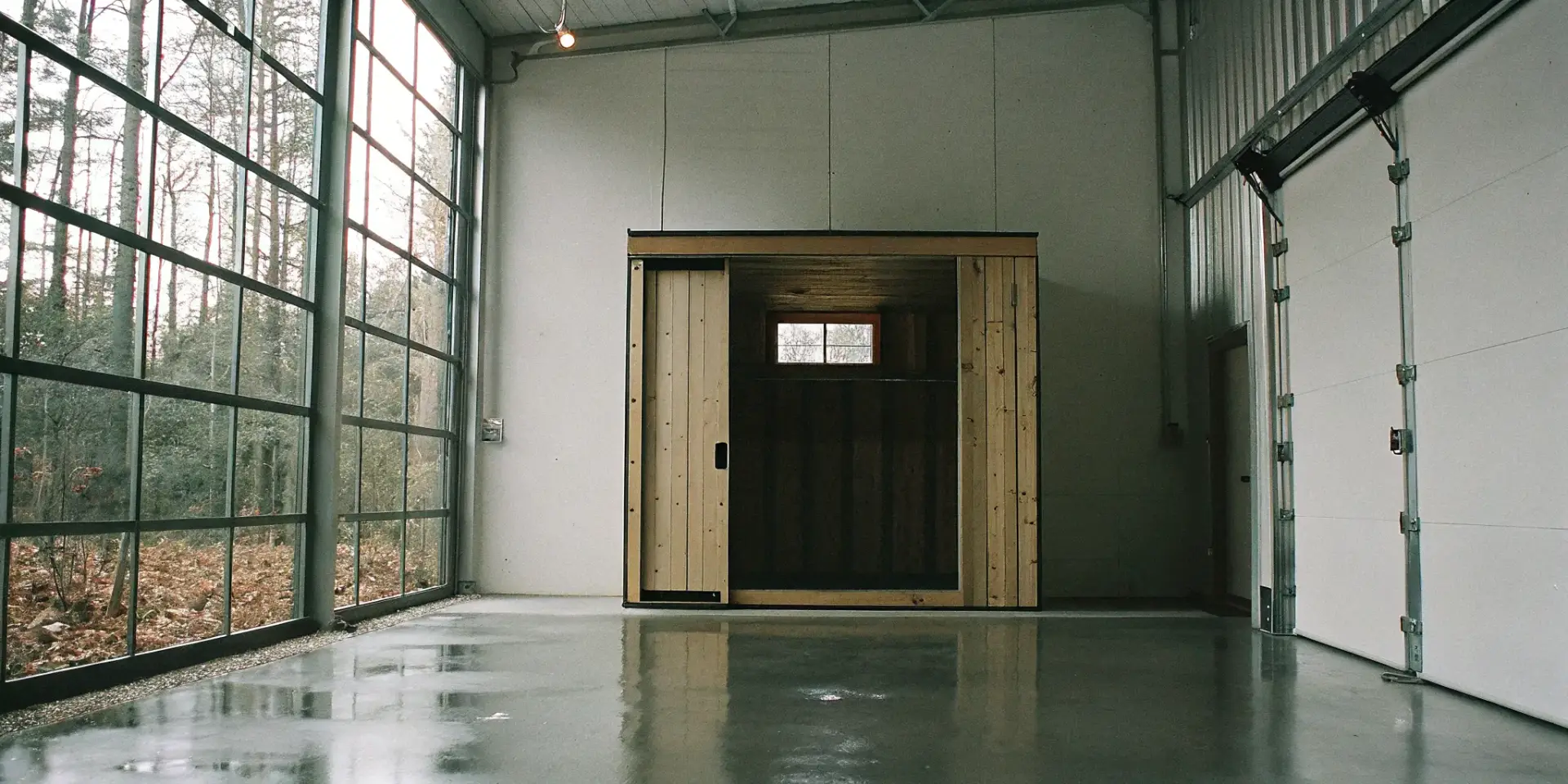
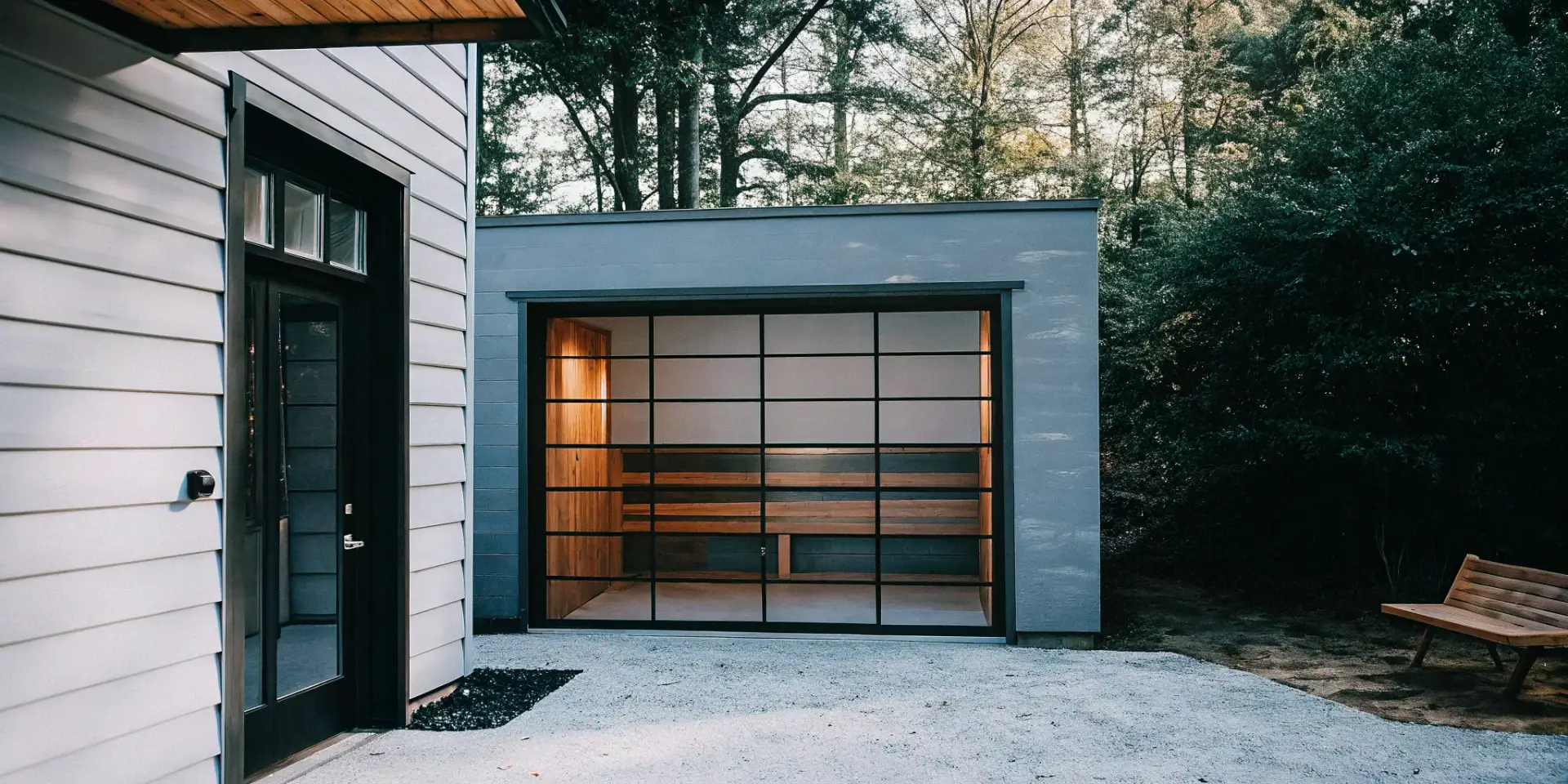
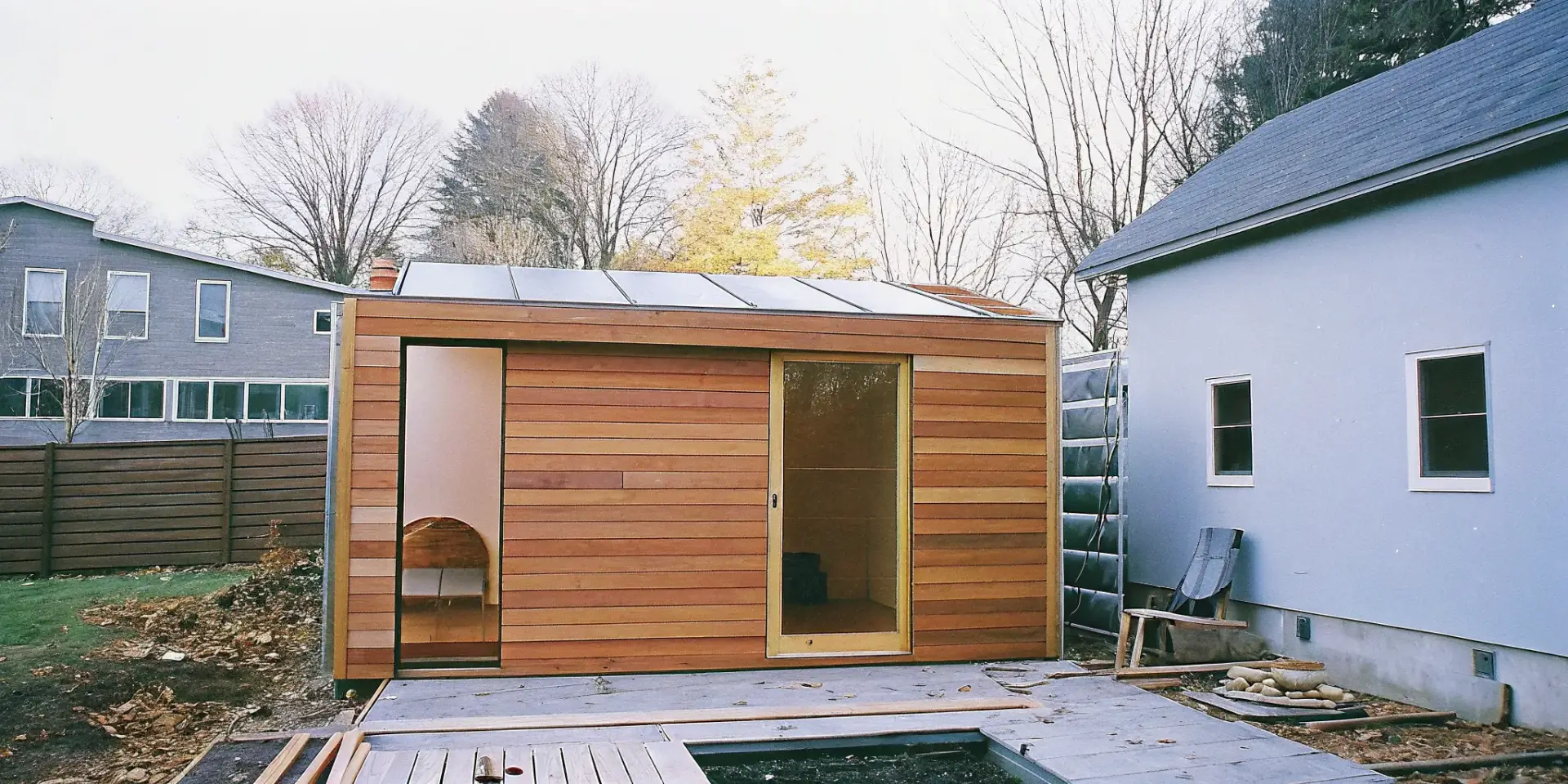
Modern wellness is about building resilience, and practices like contrast therapy are becoming a cornerstone of that approach. This ritual of cycling between hot and cold temperatures can improve circulation, reduce inflammation, and sharpen mental focus. The garage provides the perfect environment to create your own personal contrast therapy zone, starting with a sauna. It’s a space where you can easily pair a Tylo® sauna with a cold plunge, building a powerful routine for recovery and health. For many of our clients, installing a sauna in garage Charlotte is the first step toward creating a complete home wellness circuit that supports their long-term goals.
Key Takeaways
- A Garage Creates a Dedicated Wellness Zone: Using your garage separates the sauna from your home’s main living areas and simplifies installation thanks to concrete floors and existing ventilation.
- Choose a Sauna Based on Your Desired Ritual: Decide between the enveloping, ambient heat of a traditional sauna for a classic sweat session or the targeted, gentle warmth of an infrared model for muscle recovery.
- Prepare Your Space for Long-Term Performance: A successful installation requires a level surface, proper electrical wiring for safety, and adequate ventilation to manage moisture and ensure a fresh, clean experience.
Why Your Garage Might Be the Perfect Spot for a Sauna
When homeowners start thinking about adding a sauna, the first question is usually, “Where would it even go?” While a spare room or basement are common choices, we’ve found that the garage is often the most practical and effective location for a home sauna. It turns an underused space into a dedicated wellness retreat without disrupting your main living areas.
One of the biggest advantages is separation. A garage naturally contains the heat and humidity, keeping it away from the rest of your home. This gives you an experience that feels connected to the outdoors but with the comfort of being fully protected from the elements. For many homeowners here in the Carolinas, it’s the perfect balance. The concrete floor and existing ventilation also make the garage an ideal foundation for a safe and straightforward installation.
A garage sauna also creates an intentional wellness zone. It’s a space you enter specifically to relax, recover, and disconnect. Many of our clients pair their Tylo® sauna with a cold plunge, creating a complete contrast therapy zone for health and recovery. This setup makes it easier to build a consistent routine, whether you’re starting your day with intention or winding down in the evening. Instead of just adding an appliance, you’re creating a destination for your well-being, which can also add meaningful value to your home.
Choosing the Right Sauna for Your Garage
Deciding between a traditional and an infrared sauna isn’t about which one is technically superior. It’s about how you want your wellness ritual to feel. Both are excellent choices for a garage space, but they deliver heat and support your body in fundamentally different ways. The right choice depends entirely on the experience you’re looking for.
A traditional sauna creates an enveloping, ambient heat. It warms the air around you, leading to a powerful, deep sweat that many people find purifying and social. It’s a classic, robust experience. An infrared sauna, on the other hand, uses light to warm your body directly. The heat is gentler and more targeted, penetrating muscles and joints without making the air feel intensely hot. It’s often a quieter, more personal session focused on recovery.
In our experience helping homeowners in the Carolinas, the decision comes down to intention. Are you seeking a vigorous, classic heat session to cleanse and reset, or a gentle, penetrating warmth to soothe and repair? Thinking about how a sauna will fit into your daily or weekly routine is the best way to find the right fit for your home.
Traditional Saunas: Embracing Classic Heat
A traditional sauna offers the timeless experience most people imagine when they think of a sauna. It uses a heater to warm a set of rocks, which then radiate heat throughout the wooden room. This process creates a deep, ambient warmth that encourages a purifying sweat. For many homeowners, this becomes a way to fully disconnect, as the enveloping heat helps quiet the mind and relax the body.
The experience is powerful and restorative. It supports healthy circulation, similar to the effects of light exercise, and provides a profound sense of release. If you enjoy a more intense heat and the classic ritual of a true sweat session, a traditional Tylo® sauna is an excellent choice for your garage.
Infrared Saunas: Efficient Heat for Any Space
An infrared sauna provides a more modern and targeted approach to heat therapy. Instead of heating the air, it uses infrared light to warm your body directly. This allows for a deep, penetrating warmth at a much lower air temperature, making it a gentler and often more comfortable experience. You can enjoy longer sessions without feeling overwhelmed by the heat.
This direct warmth is especially effective for soothing sore muscles and stiff joints, making it a favorite for post-workout recovery or daily pain relief. From a practical standpoint, infrared models are incredibly well-suited for garage installations. They are energy-efficient and many can be plugged into a standard household outlet, simplifying the setup process. For a focused wellness tool that supports physical recovery, an infrared Tylo® sauna is a fantastic, efficient option.
Understanding the Cost of a Garage Sauna in Charlotte
Pricing for a garage sauna isn’t just a single number on a tag. It’s a reflection of the materials, the craftsmanship, and the long-term reliability you choose for your home. Understanding what drives the cost helps you make a confident decision that aligns with how you plan to use your wellness space for years to come.
In our experience, the most satisfied homeowners are those who understand the trade-offs between upfront cost and long-term value. A slightly higher initial investment in better materials or professional installation often leads to lower energy bills, fewer maintenance needs, and a more consistent, enjoyable experience. We believe in explaining these factors clearly so you can feel good about your choice.
The Price of the Sauna Unit Itself
The sauna model you choose is the foundation of your budget. For traditional saunas, the cost is influenced by the size, the quality of the wood, and the type of heater. Cedar, for example, is a premium choice known for its durability and pleasant aroma. For infrared saunas, the price often relates to the number and type of heaters, which determines the quality of the heat.
The right choice depends entirely on the experience you want. Are you looking for the classic, social environment of a traditional steam sauna, or the targeted, therapeutic heat of an infrared model? We can help you explore different home sauna options to find a fit for your wellness goals and your garage space.
Planning for Electrical and Setup Costs
Proper installation is about safety and performance. Most traditional and larger infrared saunas require a dedicated 220V circuit, which needs to be installed by a licensed electrician. This is not a step to overlook. It ensures your sauna operates safely, heats efficiently, and complies with local Charlotte-area building codes.
Think of this as part of the total investment in your home’s value and your family’s safety. While some smaller, plug-in infrared models can use a standard outlet, a professional assessment guarantees everything is set up correctly from day one. During a free home consultation, we can evaluate your garage’s electrical capacity and outline exactly what’s needed for a seamless installation.
The Long-Term Cost of Ownership
A well-built sauna is designed for efficiency. The real long-term cost isn’t just the electricity it uses, but the quality of its construction. A sauna with superior insulation and a tight-fitting door will hold heat better, reducing the time the heater needs to run and lowering your energy consumption with every session.
Infrared saunas are particularly energy-efficient, as they heat your body directly instead of the entire room. When installed correctly with proper ventilation and vapor barriers, a modern sauna won’t introduce moisture issues into your garage. The long-term cost of ownership is really about the peace of mind that comes from knowing your wellness ritual is supported by a reliable, efficient, and durable product.
What Your Garage Needs for a Sauna Installation
A garage is an excellent location for a home sauna, but a few practical details ensure the space is ready. Preparing the foundation, power, and airflow correctly from the start leads to a safer, more efficient, and longer-lasting wellness space. In our experience helping homeowners across the Carolinas, addressing these four areas is the key to a seamless installation that feels right from day one. It’s less about a major renovation and more about thoughtful preparation.

Managing Moisture and Airflow
Proper ventilation is essential for any sauna. It keeps the air fresh during your session and allows moisture to escape afterward, preventing issues like mold or mildew. Garages often have an advantage here, with existing windows or exterior walls that make it simple to establish good airflow. We help homeowners find the best way to circulate air, protecting both the sauna and the garage structure for years of reliable use. This simple step ensures every session is as clean and refreshing as the first.
Powering Your Sauna Safely
The type of sauna you choose determines its electrical needs. Many modern infrared Tylo® saunas are designed for convenience, plugging directly into a standard 120V household outlet just like any other appliance. Traditional saunas, which reach higher temperatures, typically require a dedicated 240V circuit, similar to an electric dryer. For any new wiring, we always coordinate with a licensed electrician to ensure everything is installed safely and up to code, giving you complete peace of mind.
Choosing the Right Spot and Why Insulation Matters
You don’t need a massive amount of space; a two-person sauna usually fits comfortably in a 4×4-foot area on a level surface, which most concrete garage floors provide. The most important consideration is insulation. An uninsulated garage will force the sauna to work harder to maintain its temperature, especially during cooler months. Adding insulation to the garage walls near the sauna is a simple step that improves energy efficiency and helps the unit maintain a consistent, therapeutic heat.
Meeting Local Building Codes in Charlotte
For homeowners here in the Charlotte area, any home installation must meet local building codes. These regulations are in place for your safety, covering everything from electrical work to proper ventilation and fire-safe clearances. Navigating these requirements can feel complicated, but it’s not something you have to handle alone. As part of our free home consultation, we assess your space and manage the installation details to ensure your sauna is fully compliant and ready for you to enjoy.
How a Garage Sauna Can Support Your Daily Wellness
A sauna is more than just a hot room; it’s a dedicated space for your well-being. Placing one in your garage makes that commitment to yourself incredibly convenient. Instead of a luxury you only experience at a spa, it becomes a simple, accessible part of your daily routine. Think of it as a place to transition, whether you’re warming up for the day or winding down from it. This isn’t about adding a complicated machine to your life. It’s about creating a quiet corner where you can consistently care for your body and mind, just a few steps from your door.
Over time, this simple ritual can have a profound effect. We’ve seen homeowners in Charlotte use their garage saunas to manage everything from post-workout soreness to the stress of a busy work week. It becomes a reliable tool for feeling better, day in and day out. The real benefit isn’t just the heat; it’s the consistency. Having that space ready and waiting makes it easy to build healthy habits that last, supporting your physical and mental health in a way that feels natural and sustainable.
For Physical Relief and Recovery
A sauna session can feel like a reset button for your body. The deep, penetrating heat helps increase circulation, which is essential for easing muscle tension and soothing sore joints. This is especially true for infrared saunas, which warm the body directly. For many, it becomes a non-negotiable part of their recovery routine after a workout, a long day of yard work, or even just sitting at a desk. The warmth encourages your muscles to relax, reducing stiffness and promoting flexibility. It’s a gentle yet powerful way to address chronic aches and pains, helping your body heal more effectively. Understanding the different types of home saunas can help you decide which heat source is best for your specific needs.
For Mental Clarity and Better Sleep
One of the most immediate benefits of a sauna is the sense of calm it provides. As your body warms up, your heart rate gently increases and your blood vessels dilate, much like they do during light exercise. This process helps your body shift from a state of stress to one of relaxation. For many homeowners, a 20-minute sauna session in the evening becomes a powerful signal to the brain that the day is over. It creates a screen-free buffer between work life and home life, allowing your mind to quiet down. This deliberate transition often leads to deeper, more restful sleep, leaving you feeling more clear-headed and focused the next day.
For Deeper Detox and Resilience
Regular sauna use does more than just make you feel good in the moment; it helps build long-term resilience. The practice of intentionally exposing your body to heat encourages a deep, cleansing sweat that helps release toxins. But the benefits go beyond the physical. By creating a quiet sanctuary where you can disconnect from daily demands, you give your nervous system a chance to reset. This ritual of stepping away and focusing on your breath in the quiet heat helps you better manage stress over time. It’s a proactive way to care for yourself, building a foundation of wellness that makes it easier to handle whatever life throws your way. This is a core principle behind practices like contrast therapy, which uses heat to build resilience.
Common Questions About Garage Saunas, Answered
When homeowners in the Carolinas consider adding a sauna to their garage, a few practical questions always come up. It’s completely normal to wonder about moisture, safety, and whether the investment will be useful throughout our region’s distinct seasons. These are important considerations, and getting clear answers is the first step toward making a confident decision for your home and wellness routine.
In our experience designing and installing these spaces, we’ve found that most concerns stem from a few common myths. A modern, professionally installed sauna is a self-contained system designed for efficiency and safety. It’s not like adding a steam room that vents moisture into the surrounding structure. Instead, it’s a carefully engineered piece of equipment that, when set up correctly, integrates seamlessly into your garage without causing problems. Understanding how these systems work can help you see your garage not as a compromise, but as an ideal, dedicated spot for your daily wellness ritual. Let’s walk through the most common questions we hear from homeowners just like you.
Will a Sauna Damage My Garage? (The Moisture Question)
This is the most common concern we hear, and it’s a valid one. The short answer is no, a properly installed sauna will not damage your garage. The key is managing moisture and airflow correctly from the start. A quality sauna is designed to contain heat and humidity. For traditional saunas that use steam, a vapor barrier is installed within the sauna’s walls to keep moisture inside. For all saunas, proper ventilation is essential to allow fresh air to circulate, which prevents any stuffiness and stops humidity from building up in the garage itself. When these elements are handled by a professional, your garage remains dry and protected from mold or mildew.
Are Garage Saunas Safe and Difficult to Install?
Garages are one of the safest and most practical locations for a home sauna. The installation process itself is also more straightforward than most people think, especially when handled by an experienced team. Many modern infrared saunas, for example, simply require a dedicated electrical outlet, with no complex plumbing needed. Traditional saunas require a bit more electrical work, but it’s a routine job for a qualified electrician. Safety is built into the design of these units, from insulated walls to automatic shut-off timers. A professional consultation can help you confirm your garage is ready and ensure every detail is handled correctly.
Can I Use a Garage Sauna All Year in Charlotte?
Absolutely. A garage sauna is a true four-season wellness tool, perfectly suited for the Charlotte climate. Because the unit is inside your garage, it’s protected from rain, wind, and direct sun. High-quality saunas from brands like Tylo® are built with excellent insulation, allowing them to heat up efficiently whether it’s a humid August afternoon or a chilly January morning. The garage acts as a buffer, making the sauna’s performance consistent and reliable. Many homeowners find they use it most in the cooler months as a cozy escape, but it’s just as effective for post-workout recovery year-round.
Choosing a Reliable Sauna for Your Garage
Most saunas look similar on day one. The real difference in quality, however, shows up months and years later, especially when the unit is installed in a space like a garage. The temperature fluctuations and humidity common in the Carolinas can put stress on materials and electrical components. A reliable sauna isn’t just about the initial experience; it’s about consistent performance, safety, and durability for years to come.
Choosing a well-built sauna means you can step into your wellness routine with confidence, knowing it will work exactly as it should every single time. It means less time worrying about maintenance and more time focused on your health. In our experience, investing in a unit designed for longevity is the most important decision a homeowner can make. It ensures your garage sauna remains a sanctuary for relaxation and recovery, not a source of unexpected repairs. That peace of mind is the foundation of any good wellness practice.
Why We Trust Tylo® for Garage Installations
When it comes to placing a sauna in a garage, we recommend brands that are built with exceptional engineering and high-quality materials. For homeowners here in the Carolinas, that’s why we confidently install Tylo® saunas. Their construction is designed to handle the realities of a garage environment, from temperature shifts to ambient moisture.
Tylo® systems are known for their durable components and efficient, reliable heaters that perform consistently session after session. This isn’t just a claim; it’s something we’ve seen firsthand in homes across the Charlotte area. A garage installation requires a product that is proven to last, and Tylo®’s commitment to quality gives our clients the assurance that their investment is sound.
What to Look For in a Garage-Ready Sauna
Beyond choosing a trusted brand, a few key features make a sauna particularly well-suited for a garage. First, consider the materials. Look for saunas built with woods like cedar, which naturally resist moisture and heat, making them ideal for spaces that aren’t climate-controlled. Proper ventilation is also critical to manage airflow, prevent stuffiness, and control humidity.
Many homeowners also find that different home sauna options, like infrared models, are an excellent fit for garage setups. They tend to have lower energy requirements and heat up more quickly than traditional models, offering an efficient way to get your session started. Ultimately, the right sauna is one that is built to withstand its environment, ensuring it remains a safe and effective part of your daily routine.
Related Articles
- The Ultimate Guide to Home Sauna Installation
- Your Guide to Infrared Sauna Home Installation
- Infrared Sauna Home Installation – Steps, Costs & Benefits
Frequently Asked Questions
How much space do I really need in my garage for a sauna? You might be surprised by how little space is required. A comfortable two-person sauna typically fits within a 4×4 or 4×6 foot area, which is often available in the corner of a one or two-car garage. The key is having a level surface, which most concrete garage floors already provide. During a home consultation, we can measure your space and show you exactly how a unit can fit without disrupting your parking or storage.
Will a sauna make my whole garage smell musty or like wood? A properly ventilated sauna will not create a musty smell. The system is designed to circulate fresh air, which prevents moisture from becoming trapped. When the sauna is heated, you will notice the pleasant, subtle aroma of the wood, especially if you choose cedar. However, this scent is contained and dissipates after use; it won’t permanently make your entire garage smell like a lumberyard.
Is a garage sauna a good investment for my home’s value? A dedicated wellness space is becoming an increasingly sought-after feature for homebuyers. Adding a sauna, especially as part of a well-designed wellness zone with a cold plunge, can add significant lifestyle appeal to your home. While it’s not just about the numbers, creating a functional and desirable space for health and relaxation is a meaningful improvement that can certainly make your home more attractive to future buyers.
What does the installation process actually look like? Our goal is to make the installation process feel simple and seamless for you. It starts with a consultation to confirm the right location and assess your electrical setup. If a new circuit is needed, we coordinate with a licensed electrician. After that, our team delivers and assembles the sauna, which typically takes just a few hours. We handle all the details to ensure it’s set up safely and correctly, so all you have to do is enjoy it.
Can I use a sauna in an uninsulated garage during the winter? Yes, you can, but it’s important to understand the trade-offs. A quality sauna is well-insulated itself, so it will still reach its target temperature even on a cold day. However, it will take longer to heat up and will use more energy to maintain that heat compared to a sauna in an insulated space. In our experience, even just insulating the garage walls immediately surrounding the sauna can make a noticeable difference in efficiency.