The most common question we hear from homeowners starting their search is about the core differences between major brands. The comparison of Hot Spring vs Bullfrog hot tubs highlights two distinct approaches to hydrotherapy. It’s a choice between a spa designed like a high-performance, ergonomic chair—where every element is fixed and perfected for a specific therapeutic outcome—and a modular system that allows you to rearrange the components yourself. Neither is inherently better; they simply serve different needs. One prioritizes proven, consistent relief, while the other offers flexibility. Understanding which of these philosophies aligns with your wellness goals is the first step to finding the perfect fit for your home.
Key Takeaways
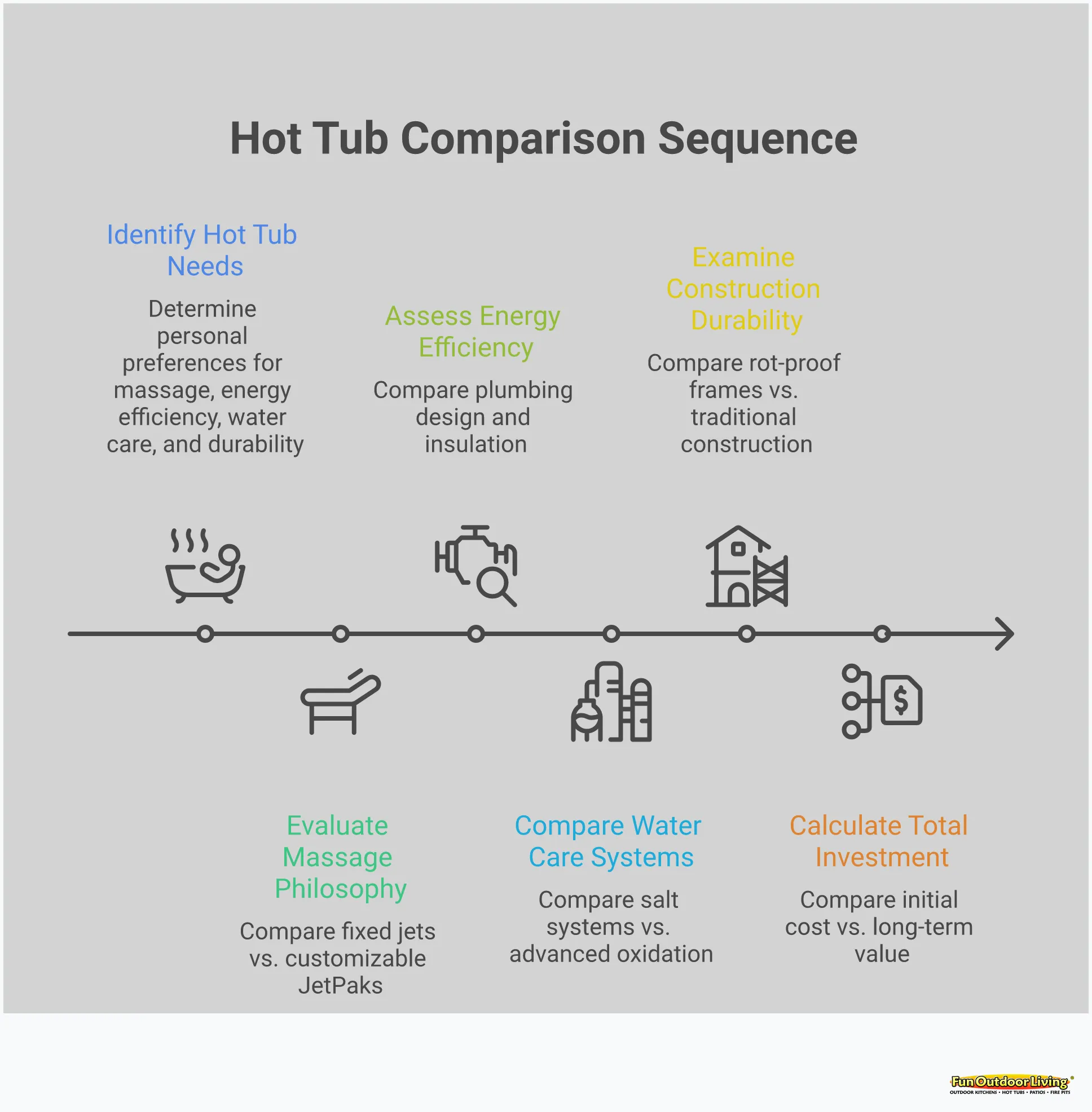
- Prioritize Your Preferred Massage Style: Decide if you value a consistent, professionally designed therapeutic massage in every seat (Hot Spring) or the flexibility to change and customize your hydrotherapy session with movable jet panels (Bullfrog).
- Understand the Engineering Trade-Offs: Bullfrog’s design minimizes potential issues with 90% less plumbing and a rot-proof frame, offering long-term durability. Hot Spring focuses on time-tested reliability and deeply comfortable seating, built on decades of proven performance.
- Factor in Your Daily Routine: Your long-term enjoyment depends on ease of use. Consider if Hot Spring’s hands-off salt water system, which creates softer-feeling water automatically, or Bullfrog’s efficient, low-chemical AOP system better fits the low-maintenance lifestyle you want.
How Do They Feel? Comparing Hot Spring and Bullfrog Design
The most important question about any hot tub is simple: How does it feel to sit in it? The design philosophy behind the jets and seating shapes the entire experience, from the power of the massage to the comfort of a long soak. Hot Spring and Bullfrog approach this from two very different angles. One focuses on a perfectly curated therapeutic experience, while the other centers on user-driven customization.
In our experience helping homeowners across the Carolinas, the right choice isn’t about which is better, but about what kind of ritual you want to create. Do you want a spa that delivers a proven, reliable massage every time, or one that you can adjust and change as your needs evolve? Understanding this difference is the first step in finding the right fit for your home.
The Hot Spring Approach: Targeted, Fixed Jets
Hot Spring Spas are designed with a clear intention: to deliver a consistent and effective hydrotherapy massage. The jets are fixed in place because they have been purposefully engineered and positioned by wellness experts to target specific muscle groups. Think of it like a high-quality ergonomic chair—it’s designed to support your body perfectly without needing constant adjustment. Each seat offers a unique massage experience, from the powerful Moto-Massage DX jet that sweeps up and down your back to the targeted rotary jets that work on tense shoulders. This approach ensures that every time you get in, you know exactly what to expect: a reliable, therapeutic session designed for deep relaxation and recovery.
The Bullfrog Approach: Customizable JetPaks
Bullfrog Spas takes a different path with its JetPak Therapy System. The core idea is flexibility. Instead of fixed jets, Bullfrog uses interchangeable panels, or “JetPaks,” that you can move between different seats. With various JetPaks available, you can create a custom massage, focusing on your lower back one day and your neck the next. This appeals to homeowners who enjoy tinkering and want the ability to change their spa’s feel over time. The trade-off for this customization is that the experience is entirely up to you to design. It requires a more hands-on approach to find the combinations that work best for your body.
Seating, Comfort, and Ergonomics
Beyond the jets, the physical shape of the spa shell determines how you feel during a long soak. Hot Spring spas are known for their deeply sculpted, ergonomic seating. Each lounge and captain’s chair is molded to cradle your body, providing full-body support and keeping you comfortably in place while the jets are running. This integrated design makes the entire spa feel like a single, cohesive system built for comfort. Bullfrog’s design must accommodate the interchangeable JetPaks, which results in a more open and less contoured seating style. While their wood-free frame construction is a durable feature, the focus on modularity means the seats themselves are often simpler in shape. For homeowners who plan to spend hours relaxing, the ergonomic details of a fully sculpted seat often make a significant difference in overall comfort.
What Will It Cost to Run? A Look at Energy Efficiency
The initial price of a hot tub is just one part of the investment. The ongoing cost to keep it heated and ready for you is what truly defines the total cost of ownership. A well-engineered spa can mean the difference between a small, predictable addition to your monthly utility bill and an unwelcome surprise. Both Hot Spring and Bullfrog are industry leaders in this area, but they approach energy efficiency from different angles.
For homeowners here in the Carolinas, efficiency matters year-round. It keeps your spa ready for a spontaneous soak on a cool autumn evening without you having to worry about wasted energy. Both brands use high-quality, full-foam insulation to trap heat, which is the most critical factor in keeping running costs down. However, the real difference lies in how they manage heat loss through the plumbing itself. Understanding this distinction is key to choosing a spa that aligns with your long-term budget and how you plan to use it.
How Each Brand Keeps Heat In
The primary battle in hot tub efficiency is against heat loss. Both Hot Spring and Bullfrog tackle this with full-foam insulation, which fills the entire cabinet around the spa’s shell. This method is far superior to older or cheaper designs, as it traps ambient heat from the pumps and prevents colder outside air from cooling the water.
Hot Spring® Spas have perfected this traditional approach, using multi-density foam that provides excellent thermal resistance and structural support. It’s a proven, reliable system that has made them a benchmark for energy efficiency for decades. Bullfrog Spas also use a full-foam method, but their design philosophy adds another layer of efficiency by fundamentally changing the spa’s plumbing, which we’ll look at next.
Why Simpler Plumbing Can Lower Costs
This is where Bullfrog’s design truly stands apart. A traditional hot tub has hundreds of feet of plumbing lines running throughout the cabinet to power each individual jet. Every inch of that plumbing is a surface where heat can escape from the water into the surrounding air.
Bullfrog’s patented JetPak system contains the plumbing for each seat within the interchangeable pack itself. This reduces the spa’s total exterior plumbing by up to 90%. With far fewer pipes snaking through the cabinet, there are significantly fewer opportunities for heat to be lost. This simpler, more direct approach means the heater doesn’t have to work as hard or as often to maintain your set temperature, directly lowering your energy consumption.
Comparing Your Monthly Energy Bill
So, what does this all mean for your monthly power bill? Both Hot Spring and Bullfrog are among the most energy-efficient spas you can own, and choosing either is a smart decision for long-term value. You won’t find a poorly insulated model in either lineup.
In our experience, however, Bullfrog’s innovative plumbing design often gives it a measurable edge in energy savings over time. By minimizing heat loss through the pipes, the system simply requires less energy to keep the water hot. While a Hot Spring spa is exceptionally efficient, the fundamental reduction in plumbing gives Bullfrog a unique advantage. For homeowners who plan to use their spa frequently, especially during our cooler months, those small daily savings can add up significantly over the life of the spa.
How Much Time Will You Spend on Water Care?
The goal of a modern hot tub is to provide relaxation, not another chore. How you keep your water clean plays a big part in that experience. Both Hot Spring and Bullfrog have moved away from heavy, manual chemical routines, but they use different technologies to achieve clear, comfortable water. Understanding how each works helps you decide which routine best fits your life. The less time you spend measuring and balancing, the more time you have for soaking.
Hot Spring’s Salt Water System: Less Chlorine, Softer Water
Hot Spring uses the FreshWater Salt System, which is designed to feel more like soaking in a natural mineral spring. Instead of you adding chlorine manually, the system uses a small, disposable cartridge to turn a bit of salt into chlorine automatically. This keeps the water sanitized with a steady, low level of chlorine that you barely notice.
For homeowners here in the Carolinas, the biggest benefit we hear about is the feel of the water—it’s softer and gentler on the skin and eyes. It avoids that dry feeling and chemical smell that many people associate with traditional spas. The routine is simple: you test the water weekly and replace the cartridge about three times a year. For those who want a completely hands-off approach, our Spa Valet Plans can manage it for you.
Bullfrog’s AOP System: How It Works
Bullfrog spas often use an Advanced Oxidation Process (AOP) system. This technology combines two powerful purifiers—ozone and UV light—to neutralize contaminants in the water. As water circulates, it passes through a chamber where it’s exposed to this process, which is very effective at keeping the water clean and clear.
This approach significantly reduces the amount of sanitizer you need to add to the spa. Homeowners who are sensitive to chemicals often appreciate this method because it relies more on technology than on traditional water treatments. The result is exceptionally clean water with minimal chemical odor. It’s a different path to the same goal: simple, effective water care that requires less day-to-day intervention.
Your Weekly Maintenance Routine, Compared
Your weekly tasks will look slightly different depending on the system. With a Hot Spring salt system, your main job is to test the water and adjust the system’s output level if needed. The system does the sanitizing for you. Cleaning the fixed jets is part of your regular shell maintenance.
With a Bullfrog spa, you’ll also test the water regularly. One feature owners often mention is that the removable JetPaks can be taken out for easier cleaning. In our experience, the best system is the one you’ll consistently use. Both brands have made water care far simpler than it used to be. If you ever have questions about your water balance, you can always bring a sample to any of our showrooms for a free water analysis.
How Are They Built? A Look Under the Hood
A hot tub’s performance on day one is important, but how it’s built determines how it will feel five, ten, or even fifteen years from now. The materials used for the frame, the complexity of the plumbing, and the quality of the internal components all play a quiet but critical role in your long-term ownership experience. A well-built spa means fewer worries, less maintenance, and more confidence that your investment will last.
Both Hot Spring and Bullfrog have excellent reputations for quality, but they achieve it through different engineering philosophies. Understanding these differences helps you see beyond the showroom floor and choose a spa that’s built for the way you plan to live with it. In our experience servicing spas for homeowners across the Carolinas, we’ve seen firsthand how these construction choices impact everything from energy bills to service calls.
The Frame and Shell: What Holds It All Together
The frame is the backbone of your hot tub, and the shell is what you see and feel. Bullfrog builds its spas with 100% wood- and metal-free frames, which completely eliminates the risk of rot or rust over the spa’s lifetime. This is a significant advantage for long-term durability, especially in our humid Carolina climate.
Hot Spring Spas, on the other hand, are known for their exceptional comfort and time-tested reliability. Their frames are built to last, and their shells are ergonomically designed based on decades of feedback. While they use different materials, their focus is on creating a durable structure that supports a comfortable, reliable hydrotherapy experience year after year. The best choice depends on what gives you more peace of mind: innovative materials or a long track record of performance.
Fewer Pipes, Fewer Problems: A Plumbing Comparison
One of the most distinct differences between these two brands is hidden behind the access panel. Bullfrog’s modular JetPak system uses up to 90% less plumbing than a traditionally built hot tub. With fewer pipes, hoses, and connection points, there are simply fewer places for a leak to develop. This simplified design also improves energy efficiency, as there’s less water traveling outside the main body of the spa to cool down.
Hot Spring uses a more traditional plumbing layout, but it’s one they’ve perfected over decades. Every jet is individually plumbed to ensure powerful, consistent pressure for targeted hydrotherapy. While the system is more complex, it’s built with high-quality components designed to withstand years of use. For homeowners who prioritize powerful, dedicated jet performance, this proven approach delivers reliable results.
Pumps, Heaters, and Parts That Last
The pumps and heaters are the heart of your spa, running quietly to keep your water hot and clean. Hot Spring has built its reputation on the longevity of its components, like the SilentFlo 5000 circulation pump that uses less energy than a 40-watt lightbulb. Their heaters and control systems are known for their durability, which is a major reason owners often report decades of reliable use.
Bullfrog also uses high-quality components and backs them with an impressive warranty, reflecting their confidence in the spa’s construction. Their energy-efficient design puts less strain on the pumps and heaters, contributing to a long lifespan. When you need support, our in-house team provides certified service and repairs for every brand we sell, ensuring you have local experts ready to help for the life of your spa.
Who Stands Behind Their Product? Comparing Warranties
A hot tub is a long-term addition to your home, and a warranty is more than just a document—it’s a manufacturer’s promise to stand behind their work for years to come. When you’re comparing brands, the length and scope of the warranty often reflect the confidence a company has in its own materials and engineering. It’s your assurance that the investment you make today will be protected down the road.
In our experience, homeowners feel most confident when they understand exactly what’s covered and, just as importantly, who will be there to help if an issue arises. Both Hot Spring and Bullfrog offer comprehensive warranties, but they structure them differently. Understanding these differences helps you see what each brand prioritizes in its design and construction.
What Hot Spring Covers
Hot Spring Spas build their warranties around the core components that ensure a reliable, leak-free experience. Their coverage typically provides between two and seven years of protection on the spa shell against water loss. This warranty structure gives you a solid assurance that the part of the tub holding the water is built for durability. For homeowners here in the Carolinas, knowing your spa can withstand years of use, changing seasons, and regular family enjoyment provides real peace of mind. It’s a straightforward promise focused on the fundamental integrity of the hot tub, letting you relax without worrying about the vessel itself.
What Bullfrog Covers
In contrast, Bullfrog Spas often structures its warranties to emphasize the longevity of the spa’s underlying framework. They generally offer longer terms, with some warranties extending for the lifetime of the spa’s frame and between five to ten years on the shell. This approach reflects a deep confidence in their unique construction and the durability of their materials. For many buyers, seeing a lifetime warranty on the frame is a powerful signal of quality. It suggests the spa is engineered to last for decades without structural issues, becoming a reliable fixture in their backyard for years to come.
Getting Service When You Need It
A warranty is only as good as the team that honors it. Both Hot Spring and Bullfrog rely on their dealer networks for service, which makes your choice of a local partner one of the most important decisions you’ll make. A piece of paper can’t fix a problem—people do. You need a responsive, experienced team that can provide timely service and handle any claims without a hassle.
This is why we’ve built our business around an in-house team of certified technicians. When you have a question or need a repair, you’re calling us directly—the same people who helped you choose your spa. There’s no runaround or waiting on a third party. That direct accountability is what turns a good warranty into a great ownership experience.
How Do Their Prices Compare?
Pricing in the hot tub world isn’t arbitrary—it’s driven by design choices, materials, and the long-term ownership experience. While the initial price tag is an important part of the decision, it’s only one piece of the puzzle. A spa is an investment in your home and your well-being, so understanding the full picture of cost and value is key to making a confident choice. We believe in transparency, so let’s look at how Hot Spring and Bullfrog approach pricing. Many homeowners find that the initial cost is less important than the day-to-day reliability and the monthly energy bills that follow. A slightly higher initial investment in a spa with superior insulation and more efficient components often pays for itself over time, especially for those who plan to use their hot tub regularly. The goal isn’t to find the cheapest option, but the one that delivers the best, most consistent experience for your home and lifestyle with no surprises down the road.
Starting Price for Entry-Level Spas
Both brands offer excellent entry points for homeowners looking to bring a spa into their lives. For an entry-level model, you can expect a similar starting point from both. Bullfrog’s A-series spas, for example, often begin in the $12,000 range. Hot Spring’s Hot Spot® and Freeflow® collections are designed with the same goal in mind: to deliver reliable hydrotherapy and quality construction at an accessible price point. While specific costs depend on size and features, the initial investment for a quality entry-level spa from either brand is quite comparable. The real differences in value start to appear as you explore the features included at these price points.
Mid-Range and Luxury Models
As you move into mid-range and luxury spas, you’ll likely notice a price difference. In our experience, a comparable Hot Spring model from the Limelight® or Highlife® collections may be priced 10-15% higher than a similar Bullfrog model. This isn’t an accident; it’s a direct reflection of different design philosophies. That higher investment in a Hot Spring spa accounts for patented features like the Moto-Massage DX moving jets, 100% no-bypass filtration, and the multi-layer, full-foam insulation that other brands simply don’t offer. The decision comes down to what you value most: the upfront flexibility of customizable jets or the targeted, therapeutic performance and long-term reliability built into every Hot Spring spa.
Thinking About the Total Cost of Ownership
The initial purchase is just the beginning of your financial relationship with a hot tub. The total cost of ownership includes the day-to-day expenses of electricity, water care, and maintenance. Both brands design their spas with energy efficiency in mind. Bullfrog promotes its reduced plumbing as a key efficiency feature. Hot Spring takes a comprehensive approach, using proprietary FiberCor® full-foam insulation, custom-fit covers, and smart energy-saving circulation pumps to keep monthly utility bills low and predictable, even during cooler Carolina winters. When you also factor in the FreshWater Salt System—which can significantly reduce your spending on chemicals—the long-term cost of owning a Hot Spring often proves to be an excellent value. We can help you make the investment manageable with flexible financing options that fit your budget.
What Do Owners Say? Real-World Experiences
Online forums and reviews offer a glimpse into what it’s like to live with a hot tub day in and day out. While every owner’s experience is unique, a few common themes emerge when comparing Hot Spring and Bullfrog. It’s helpful to understand these patterns, as they often point to the small details that matter most over years of ownership.
In our experience building backyards here in the Carolinas, we’ve found that what makes a homeowner happy long-term isn’t just the spa itself, but the reliability of the experience and the support they receive. Here’s a look at what owners of both brands frequently discuss.
How the Massage and Performance Feel Over Time
When it comes to the massage, owners often talk about two different philosophies. Bullfrog is known for its interchangeable JetPaks, which many see as a great value. They provide a strong flow and the ability to customize your massage by moving different jet configurations between seats.
Hot Spring, on the other hand, is frequently described as having a more “premium” feel. The jets are fixed and engineered for specific muscle groups in each seat, creating a targeted and therapeutic experience. While you can’t swap them out, the design is intentional, aiming to deliver a consistent, high-quality hydrotherapy session every time you get in.
The Reality of Customer Service
If you read enough reviews for any major hot tub brand, you’ll find a mix of experiences with customer service. This is because your service doesn’t typically come from the manufacturer’s headquarters—it comes from the local dealer you bought it from. A great product can be frustrating with poor local support, and a minor issue can be painless with a great team.
This is why we put so much emphasis on our in-house team. When you have a question or need a repair, you’re calling us—the same people who helped you choose your spa. Our certified service technicians work directly for us, ensuring you get consistent, reliable support for the life of your hot tub.
Common Issues and Long-Term Upkeep
Every hot tub requires routine care, and both brands have their own quirks. Some Bullfrog owners mention that the JetPaks need to be removed and cleaned regularly to prevent mildew from building up behind them. It’s a straightforward task, but one to add to the checklist.
With Hot Spring’s fixed jets, the concern is less about removable parts and more about ensuring the plumbing behind the shell stays clean. Because the jets aren’t removable, keeping your water balanced is the best way to prevent buildup. Our routine spa care plans are designed to handle this, making ownership simple no matter which system you choose.
So, Which Hot Tub Is Right for You?
Choosing between two well-made hot tubs often comes down to how you plan to use them day-to-day. It’s less about which one is better on paper and more about which one fits the life you want to live. Both Hot Spring and Bullfrog are excellent brands, but they are designed around different philosophies of use.
In our experience helping Carolina homeowners, the decision becomes clearer when you think about your primary reason for wanting a spa. Is it for targeted pain relief after a long day? Is it for creating family memories on the weekends? Or is it the centerpiece of your backyard entertainment space? Each goal points toward a different set of features that will matter most to you over the years. Let’s walk through a few common scenarios we see.
If You Need Targeted Therapy and Pain Relief
For homeowners seeking specific relief from muscle soreness or chronic pain, the massage experience is everything. Bullfrog is well-known for its JetPak Therapy System, which allows you to swap different massage pods between seats. This offers a high degree of customization, which is appealing if you enjoy variety and want to target different muscle groups on different days.
Hot Spring takes a more deliberate approach. Their jets are designed in consultation with physical therapists and are fixed in place to deliver a specific, powerful hydrotherapy experience. For example, the patented Moto-Massage DX jets sweep up and down the back, providing a continuous, powerful stream of water you won’t find elsewhere. For those who want a consistent, reliable, and deeply therapeutic massage every time they get in, the expert-designed layout of Hot Spring® Spas often feels more effective and intentional.
If You Want a Spa for Family Fun
When a hot tub is meant for the whole family, comfort and water quality become top priorities. Both brands offer a range of sizes with open seating to accommodate kids and adults. The real difference often comes down to the feel of the water itself. Many families we work with are drawn to Hot Spring’s exclusive FreshWater® Salt System.
This system creates chlorine automatically from a small amount of salt, resulting in softer, more natural-feeling water that’s gentler on the skin and eyes. It also means you spend less time handling chemicals. For parents who want a simple, comfortable, and low-maintenance environment for their kids, the salt system is a significant advantage. It helps make the hot tub an easy and inviting part of your family’s routine, which you can see in our hot tub gallery of local installations.
If You Plan on Hosting and Entertaining
If your hot tub will be a social hub, you’ll want to consider energy efficiency, ambiance, and ease of use. Bullfrog’s design, with its reduced plumbing, is known for being very energy efficient. Hot Spring also prioritizes efficiency with multiple layers of high-density foam insulation and custom-fit covers that lock in heat, keeping operating costs low even with frequent use.
For entertaining, however, the overall experience matters just as much. Hot Spring spas are often praised for their premium fit and finish, elegant design, and intuitive controls. Features like multi-zone lighting and quiet operation create a relaxing and inviting atmosphere for guests. When you’re investing in a complete outdoor living space, you want every element to feel cohesive and high-quality. Because these projects can be a significant investment, we offer straightforward financing options to help homeowners build the backyard they’ve envisioned.
Related Articles
- Guide To The Best Hot Tub Brands
- Ultimate Hot Tub Buyer’s Guide
- How to Choose a Hot Tub that’s Right for You
Frequently Asked Questions
Which brand is better for powerful, therapeutic massage? This really comes down to personal preference. If you enjoy variety and want the ability to change your massage experience from day to day, Bullfrog’s customizable JetPaks offer that flexibility. If you are seeking a consistent, targeted, and deeply therapeutic massage every time you get in, Hot Spring is designed for you. Their jets are fixed in place by wellness experts to work on specific muscle groups, and unique features like the Moto-Massage DX provide a type of hydrotherapy you can’t find anywhere else.
Is the salt water system really that different from a traditional chlorine system? Yes, and the biggest difference is how the water feels. The FreshWater Salt System used by Hot Spring creates a very low level of sanitizer automatically, so the water feels softer and more natural. It’s much gentler on your skin and eyes and doesn’t have the chemical odor many people associate with hot tubs. The day-to-day routine is also simpler, as you spend less time measuring and adding chemicals and more time just enjoying the water.
Which hot tub will cost less to operate each month? Both brands are known for excellent energy efficiency, so you’re making a smart choice either way. Bullfrog’s design with less plumbing often gives it an advantage in heating costs, as there are fewer places for heat to escape. However, the total monthly cost also includes water care. A Hot Spring spa, with its highly efficient circulation pump and the FreshWater Salt System, can significantly reduce your spending on chemicals and electricity, making the total cost of ownership very competitive over the long run.
Why might a Hot Spring spa cost more than a comparable Bullfrog model? The price difference reflects the specific engineering and patented features built into a Hot Spring spa. That investment accounts for exclusive systems like the Moto-Massage DX moving jets, 100% no-bypass filtration that keeps water cleaner, and decades of refinement in ergonomic seating and component reliability. It’s a choice that prioritizes a proven, curated hydrotherapy experience and long-term dependability.
How important is the local dealer in this decision? Your local dealer is one of the most critical parts of your decision. They handle the delivery, installation, and, most importantly, any service or warranty needs you may have down the road. A warranty is only as good as the team that stands behind it. Having an established local partner with an in-house service team ensures you have a direct line to experts who can answer questions and provide support for the entire life of your spa, which makes the ownership experience much more relaxing.