An outdoor fireplace is a permanent addition to your home’s architecture and a long-term investment in your daily life. When considering a project of this scale, it’s important to think beyond the initial price tag and focus on lasting value. The true cost to build an outdoor fireplace is a reflection of the craftsmanship, durability, and safety that ensure it performs beautifully for decades. This guide explains the factors that contribute to a quality build, from a proper foundation to professional installation. We believe that when homeowners understand the “why” behind the price, they can make confident decisions that feel right for their family.
Key Takeaways
- Your budget is shaped by three key decisions: The final cost is determined by whether you choose a prefabricated kit or a custom build, the finishing materials you select, and the overall size and scale of the structure.
- A successful project accounts for the entire space: A safe and lasting fireplace requires planning for more than just the visible structure; remember to include site preparation, permits, and any necessary utility connections in your budget.
- Choose a fuel type that fits your lifestyle: Deciding between wood and gas is about the experience you want. Wood offers a hands-on, classic ritual, while gas provides push-button convenience and less cleanup.
How Much Does an Outdoor Fireplace Actually Cost?
One of the first questions homeowners ask is about the total investment. The truth is, the cost of an outdoor fireplace has a wide range because it’s shaped by your vision, your property, and the materials you choose. For most projects we see here in the Carolinas, homeowners can expect the final cost to fall somewhere between $1,500 and $20,000. While that’s a broad spectrum, it becomes much clearer once you decide between a prefabricated unit and a fully custom-built structure.
Prefabricated fireplace kits offer a more predictable starting point, typically ranging from $1,500 to $9,000. These are excellent for creating a beautiful, defined gathering space with a more streamlined installation process. On the other hand, a custom-built masonry fireplace is designed from the ground up to integrate perfectly with your home’s architecture and patio materials. These projects often range from $8,000 to $20,000 or more, reflecting the detailed stonework, foundation requirements, and skilled labor involved. In our experience, labor and site preparation are a significant part of the budget, which is why a thoughtful plan is so important.
Beyond this initial choice, factors like size, fuel type—whether you prefer the crackle of real wood or the convenience of natural gas—and finishing details will also influence the final price. Understanding these key decisions is the first step toward creating a budget that aligns with the outdoor living space you truly want.
What Really Determines the Price of a Fireplace?
When homeowners in the Carolinas ask us about the cost of an outdoor fireplace, the honest answer is: it depends on your vision. Pricing isn’t arbitrary—it’s a direct reflection of the design choices, materials, and site conditions that make the final structure uniquely yours. Think of it less like buying a product off a shelf and more like commissioning a permanent piece of your home’s architecture.
The final number is shaped by a few key decisions. The materials you choose for the finish, the overall size of the structure, and the specific requirements of your property all play a significant role. Understanding these factors helps you see where your investment is going and allows you to make confident choices that align with both your budget and your lifestyle goals. Our goal isn’t just to give you a price; it’s to help you understand the value behind it. We believe that when you know the “why” behind the cost, you can plan a project that feels right for your family for years to come.
How Your Material Choices Shape the Budget
The look and feel of your fireplace are largely defined by the materials you choose, and this is one of the most significant factors in the final cost. Whether you envision a classic brick hearth that matches your home’s exterior or a modern stacked stone centerpiece, each option has a different price point for materials and labor. Common choices like natural stone, brick, stucco, and tile allow you to create a look that feels completely integrated with your existing patio and landscape.
In our experience, the best decision comes from balancing your aesthetic goals with long-term durability. We can help you explore different finishes in our fire features gallery to see how they look in real Carolina backyards. This helps you visualize the final result and understand the trade-offs.
The Role of Size and Custom Details
The scale of your fireplace has a direct impact on the budget. A larger structure requires more materials, more foundation work, and more labor to build. More importantly, the size of the firebox itself determines how much warmth and ambiance it provides. While it can be tempting to choose a smaller firebox to reduce costs, we often find that homeowners are more satisfied with a fireplace that’s properly scaled for their seating area.
Beyond the basic dimensions, custom details like built-in wood storage, a raised hearth for extra seating, or an integrated mantel also influence the final price. These elements are what make a fireplace truly functional and personal. During a free home consultation, we can help you think through how you plan to use the space and design a fireplace that fits your daily life.
Preparing Your Space for Installation
A safe and durable fireplace starts from the ground up. Every permanent outdoor fireplace requires a solid, level foundation—typically made of concrete—to ensure it remains stable for decades. The cost of preparing your site and pouring this foundation is a critical part of the overall project budget. This isn’t just a recommendation; it’s a requirement for a safe and lasting installation.
Additionally, every city and county in the Carolinas has specific building codes and permit requirements for outdoor structures. Navigating this process is part of our all-in-one service. We handle the permits and ensure every aspect of the build is compliant, so you don’t have to worry about unexpected issues or fines down the road. This preparation is an essential investment in your home’s safety and value.
Exploring Fireplace Types and Their Typical Costs
Choosing an outdoor fireplace is about more than materials; it’s about deciding how your backyard should feel. Do you envision a grand centerpiece for quiet evenings or a simple feature that comes together quickly? The right choice depends on your home, budget, and the moments you want to create. In our experience helping homeowners across the Carolinas, understanding the primary options is the best first step toward a confident decision.
Prefabricated Kits: A Starting Point
For many homeowners, a prefabricated fireplace kit offers the ideal balance of style, speed, and value. These kits, made from durable concrete or steel, provide a streamlined path to a beautiful fire feature without the timeline of a custom build. With costs generally ranging from $1,500 to $9,000, they offer a predictable budget and quicker installation. This makes them a wonderful choice for adding a cozy focal point to your patio and enjoying it sooner. They deliver the classic fireplace experience with modern efficiency.
Custom-Built: Stone and Brick Designs
If you have a unique vision for your outdoor space, a custom-built fireplace is the way to bring it to life. These masonry projects are designed to integrate seamlessly with your home’s architecture and landscape, becoming a true extension of your style. While the investment is higher—often between $8,000 and $20,000 or more—the result is a one-of-a-kind feature. You have complete control over the materials, from classic brick to natural stone, and the design details. This is the best path for creating a lasting centerpiece that reflects your personal taste.
Fire Pit or Fireplace? Understanding the Difference in Cost
It’s also helpful to understand how a fireplace compares to a fire pit. A fire pit invites a casual, campfire-style gathering, while a fireplace creates the sense of an outdoor room, providing a structural anchor and radiating heat more directly. This difference in scale and permanence is reflected in the cost. Most full outdoor fireplaces represent an investment of around $10,000 to $20,000. When exploring your outdoor fire features, considering how you plan to gather with family and friends will help guide you toward the right choice for your lifestyle.
Planning for the Full Project: What to Include in Your Budget
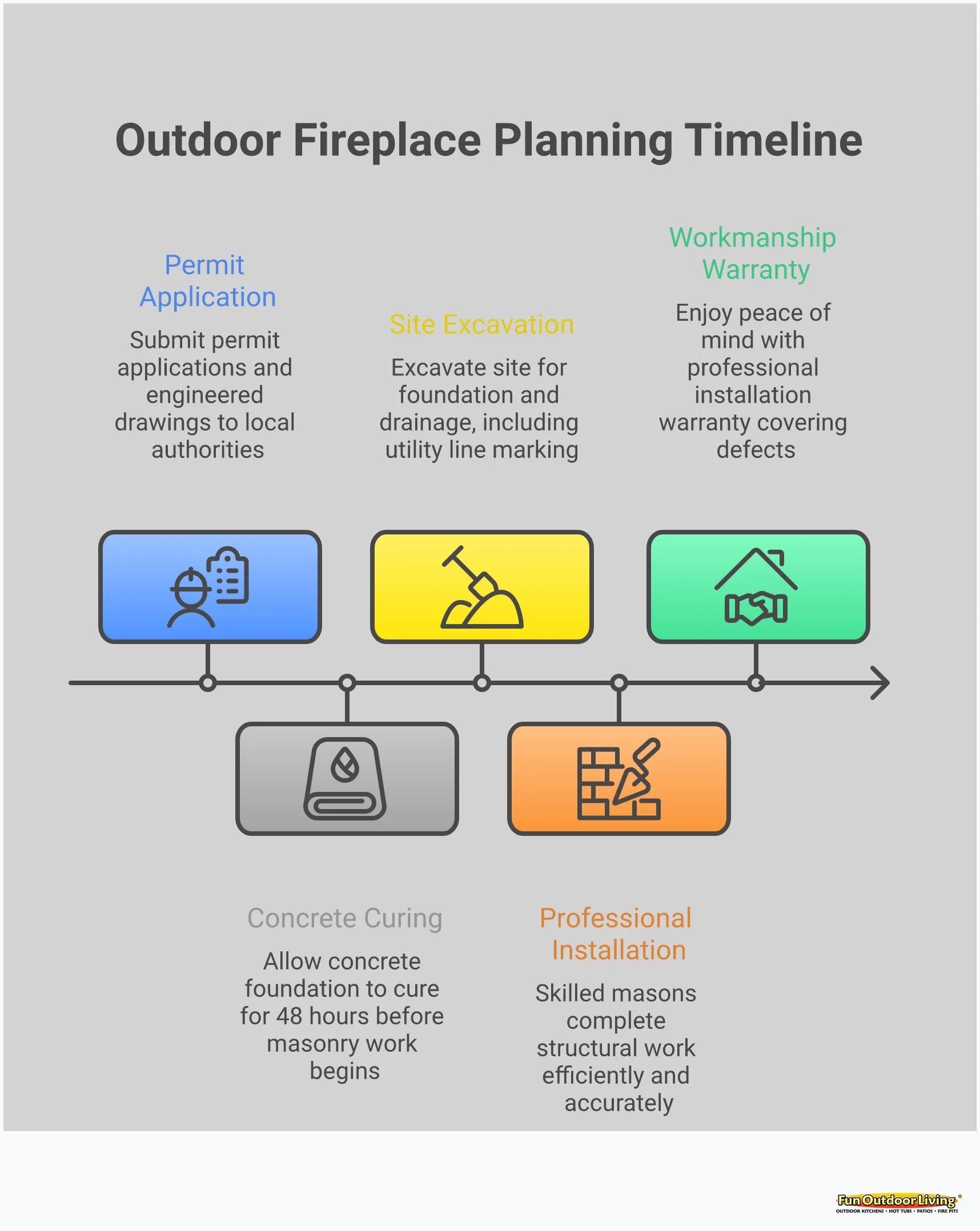
A beautiful fireplace is more than just stone and mortar. A truly successful project accounts for the entire process, from the initial design to the final connection. Thinking about the complete picture from the start ensures there are no surprises and that your investment is safe, compliant, and built to last. In our experience, the most satisfied homeowners are those who understand how these foundational elements contribute to the final result. This isn’t about hidden costs; it’s about responsible planning. A well-built outdoor fireplace integrates seamlessly with your home’s systems and your property’s layout. Budgeting for permits, professional construction, and utility connections is what transforms a simple feature into a lasting part of your home. It’s the difference between a project that looks good on day one and one that feels right for decades. We handle these details as part of our comprehensive design process, ensuring every step is managed correctly.
Permits and Local Codes
Before the first stone is laid, it’s important to address local building codes and permits. These regulations exist for safety, ensuring proper placement, ventilation, and construction standards are met. Here in the Carolinas, requirements can vary between counties and even neighborhoods, which is why navigating them is a standard part of our process. Skipping this step can lead to fines or the need for costly revisions down the road. We manage the permitting process for you, so you can have confidence that your fireplace is not only beautiful but also fully compliant and safe for your family to gather around for years to come.
The Value of Professional Installation
The long-term performance of your fireplace depends entirely on the quality of its construction. While pre-made kits are available, the skill of the installer makes all the difference in both safety and appearance. For custom stone or brickwork, the expertise of a skilled mason is essential for ensuring structural integrity and a beautiful finish. This is why we use our own in-house construction crews for every project. Professional installation protects your investment, preventing issues like cracking or poor drafting that can arise from improper techniques. It’s the surest way to guarantee your fireplace becomes a reliable centerpiece for your backyard gatherings.
Connecting Utilities for Gas and Electric
If you’re dreaming of a gas fireplace that starts with the flip of a switch or one with integrated lighting, planning for utility connections is key. Running a gas line is a common part of the process, and the cost often depends on the distance from your home’s existing supply. Similarly, electrical work may be needed for ignition systems or ambient lighting. Factoring these connections into the initial budget prevents unexpected expenses and ensures your fireplace has all the convenience you envision. It’s a crucial step in creating a truly effortless outdoor living space where you can relax at a moment’s notice.
How Fuel Type Affects Your Investment
Choosing between wood and gas is one of the most important decisions you’ll make for your outdoor fireplace. It’s a choice that affects not only the initial budget but also the way you experience your outdoor space for years to come. This isn’t just about cost; it’s about how you want your evenings to feel—the ritual, the convenience, and the long-term care involved. Understanding these differences helps you make a confident decision that fits your lifestyle.
Wood vs. Gas: Comparing Upfront and Long-Term Costs
The classic appeal of a wood-burning fire is undeniable, but that authentic experience requires a significant structure. A true wood fireplace needs a properly constructed chimney that extends safely above your roofline, which adds to the complexity and cost of the build. Because of this, the initial investment for a wood-burning fireplace is often comparable to a high-quality gas model.
Gas fireplaces, powered by natural gas or propane, offer incredible convenience and design flexibility. While installing a natural gas line contributes to the upfront cost, the overall construction can be simpler without the need for a massive chimney. This often allows for cleaner, more modern designs that integrate seamlessly into covered porches and patios. You can see how this versatility comes to life in many of our custom fire features.
Thinking Ahead: Maintenance and Running Costs
Beyond the installation, the fuel you choose shapes your routine. A wood fire asks for your participation—sourcing and stacking logs, tending the flames, and cleaning the ash. It also requires regular chimney sweeping to ensure it operates safely and efficiently. For many, this hands-on process is a cherished ritual that’s well worth the effort.
In contrast, gas fireplaces are designed for ease. With the push of a button, you have a consistent, beautiful flame with no cleanup. While you’ll have an ongoing utility cost for natural gas or need to refill propane tanks, you reclaim all the time spent on upkeep. The right choice simply depends on what you value more: the hands-on ritual of a wood fire or the immediate comfort of gas. During a design consultation, we can help you decide which experience is the perfect fit for your family.
How Design Styles Influence Your Budget
The style of your fireplace does more than just set a visual tone—it directly shapes the project’s budget. The final cost isn’t just about the materials you see on the surface; it’s tied to the complexity of the design and the level of craftsmanship required to bring it to life. A simple, classic structure will have a different budget than a highly detailed, custom-built centerpiece that’s integrated into your patio and roofline.
Choosing a style is really about deciding how you want your outdoor space to feel. Do you envision a cozy, traditional gathering spot with the timeless look of brick? Or perhaps a sleek, modern feature with clean lines that complements a contemporary home? In our experience, the most successful projects start with this feeling, and then we design a fireplace that fits both the aesthetic and the budget. Understanding how these design choices connect to cost helps you make confident decisions from the very beginning.
Classic Designs: Traditional Brick and Stone
Traditional brick and stone fireplaces have a timeless appeal that settles beautifully into almost any Carolina backyard. These materials feel permanent and familiar, creating a natural focal point for gatherings. The budget for these classic designs can vary widely. A straightforward brick fireplace, for example, will have a different cost than an intricate structure built from hand-selected fieldstone. The specific type of stone, the complexity of the pattern, and details like a custom mantel or hearth all play a role. These are the fire features that become family landmarks, season after season.
Contemporary Looks: Modern and Minimalist
A modern fireplace makes a deliberate statement. Defined by geometric shapes, smooth surfaces, and clean lines, this style is perfect for homes with a contemporary architectural feel. Achieving this minimalist look often requires precise construction techniques and materials like poured concrete, smooth stucco, or large-format tiles. While the design may appear simple, the skill needed to create flawless lines and perfect angles can influence the budget. It’s a style that prioritizes form and intention, resulting in a sophisticated feature that feels both artistic and functional.
Custom Touches: Rustic and Integrated Designs
For a truly one-of-a-kind fireplace, custom design opens up endless possibilities. This could mean a rustic, lodge-style fireplace with a heavy timber mantel and natural, irregular stone, creating a warm and rugged atmosphere. Or it could be a fireplace fully integrated into a larger structure, like a covered patio’s retaining wall or the centerpiece of an outdoor kitchen. Customization is where unique materials and specialized craftsmanship come together, and the investment reflects that level of personalization. These are the designs that transform a simple backyard into a seamless outdoor living environment.
Common Budgeting Mistakes to Avoid
A thoughtful budget is the foundation of a successful project. It’s not about finding the cheapest option, but about allocating resources wisely to create a space you’ll love for years. In our experience building outdoor living areas across the Carolinas, we’ve seen how a clear financial plan provides confidence and prevents the kind of surprises that can take the joy out of the process. The goal is to align your investment with the lifestyle you envision—cozy evenings by the fire, lively gatherings with friends, and a beautiful, functional extension of your home.
Thinking through the complete picture ahead of time helps ensure the final result matches your vision. Many homeowners focus solely on the cost of the structure itself, but a truly great outdoor fireplace is more than just stone and mortar; it’s the heart of an entire environment. Considering the surrounding elements, the quality of the materials, and the requirements for long-term safety from the very beginning is the best way to protect your investment. This approach transforms the budget from a simple number into a roadmap for creating a lasting centerpiece for your backyard—without any regrets down the line.
Forgetting to Plan for the Complete Picture
It’s easy to focus on the fireplace itself—the stone, the mantel, the chimney. But an outdoor fireplace doesn’t exist in isolation. A common mistake is budgeting only for the structure, without considering how it will integrate with its surroundings. To truly enjoy the warmth and ambiance, you need a comfortable and functional space around it.
Will you need to extend your paver patio to create a proper seating area? Does the location require new lighting for safe evening use or landscaping to soften the edges? Planning for the complete picture ensures the fireplace feels like a natural, intentional part of your backyard, rather than an addition that feels disconnected from the rest of your space.
Looking Beyond the Initial Price Tag of Materials
When managing costs, it can be tempting to choose less expensive materials or scale down key components. However, short-term savings can sometimes lead to long-term disappointment. For example, building a firebox that’s too small might save a little on masonry, but it will produce less heat and a smaller, less impressive flame—undermining the very reason you wanted a fireplace in the first place.
A well-designed fireplace is properly proportioned to your space. Investing in durable materials and an appropriate scale ensures it not only looks right but also performs beautifully for years. A free home consultation can help you visualize the right size and materials for your home, ensuring your investment delivers lasting value.
Factoring in the Cost of Long-Term Care
The total cost of ownership goes beyond the initial build. It’s important to account for the factors that ensure your fireplace is safe, compliant, and durable. This starts with securing the right permits and adhering to local building codes, which protects you from costly violations and ensures the structure is sound.
Choosing the right location and using quality materials also minimizes future maintenance. A professionally installed fireplace, built to last, will require far less upkeep than one where corners were cut. When you see our fire feature projects, you’re seeing a commitment to quality that pays off in peace of mind and lasting enjoyment for years to come.
Should You DIY or Hire a Professional?
The satisfaction of a weekend DIY project is hard to beat. But when a project involves fire, gas lines, and permanent structures, the decision carries more weight. Choosing between building an outdoor fireplace yourself and hiring a professional isn’t just about budget—it’s about ensuring the safety, function, and long-term enjoyment of your investment.
For homeowners here in the Carolinas, a well-built fireplace becomes the heart of the backyard. Getting it right from the start means more time spent relaxing and less time worrying about performance or repairs. Understanding the difference between a DIY approach and a professional build can help you make a confident choice for your home.
The Limits of a DIY Approach
While building your own fireplace seems straightforward, we’ve seen a few common regrets from homeowners who take this path. Often, the focus is placed so heavily on aesthetics that core function is overlooked. A frequent outcome is a firebox that’s too small to generate meaningful heat, which defeats the purpose of creating a warm gathering spot on a cool evening. Another challenge is choosing materials that can withstand our region’s humidity and weather shifts. The goal is to create a beautiful, lasting fire feature, not a project that falls short of the experience you envisioned.
Why Professional Installation Protects Your Investment
Working with an experienced team is about ensuring your fireplace is built correctly from the ground up. It begins with navigating local building codes and securing the right permits—steps that are essential for safety but easy for a homeowner to miss. A professional also understands the nuances of placement, considering things like prevailing winds for smoke ventilation and proximity to your home for safety. This expertise protects your investment, ensuring your fireplace is not only beautiful but also durable and safe for years of memories. It turns a complex construction project into a seamless process with a single point of contact from design to completion.
Related Articles
- Outdoor Stone Fireplace with Chimney: A Complete Guide
- Natural Stone Outdoor Fireplace: A Complete Guide
- Outdoor Stone Fireplace: A Complete Planning Guide
Frequently Asked Questions
What is a realistic starting point for a professionally installed fireplace? While prefabricated kits can start lower, a complete, professionally installed fireplace project generally begins around $8,000 to $10,000. This range typically accounts for a solid foundation, quality materials for the structure, and the skilled labor required for a safe and lasting build. The final investment depends on your material choices, the size of the fireplace, and whether you choose wood or gas, but this provides a practical starting point for planning.
Can a fireplace be added to my existing patio? Yes, in most cases, a fireplace can be added to an existing patio. The most important consideration is whether your current patio slab is strong enough to support the weight of a masonry structure. We always begin with an assessment to determine if a new, reinforced concrete foundation needs to be poured for the fireplace. This step is essential for ensuring the structure remains stable and safe for decades.
How long does the entire process take, from design to completion? The timeline for an outdoor fireplace project varies with its complexity. A simpler, prefabricated installation might be completed in a week or two after the initial planning is done. A fully custom, stone-built fireplace can take several weeks, factoring in design, permit approvals, foundation work, and masonry. We manage the entire schedule to ensure the process is as smooth and predictable as possible for you.
Is a wood or gas fireplace a better investment? The better investment really depends on how you plan to use the space. A wood fireplace offers a classic, hands-on ritual that many people love, but it requires more maintenance. A gas fireplace provides instant ambiance with the flip of a switch, making it ideal for frequent, spontaneous use. Both add significant value and enjoyment to a home; the right choice is the one that fits seamlessly into your daily life.
Why is a permit necessary for an outdoor fireplace? Permits are required for safety and compliance. Local codes ensure that the fireplace is built a safe distance from your home and other structures, has proper ventilation, and rests on a stable foundation. Handling the permitting process is a standard part of our service because it protects your home, your family, and your investment by guaranteeing the structure is built correctly from the very start.