The right fire feature feels like a natural extension of your home. It’s a decision based on atmosphere as much as appearance. The central question of an outdoor fireplace vs fire pit is really about the kind of energy you want to cultivate. A fireplace offers a sense of cozy permanence and privacy, perfect for unwinding. A fire pit creates a more open, social, and interactive setting that invites connection. In our experience, the best choice is the one you can see yourself using day after day. We’ll explore the differences to help you find the one that fits your routine.
Key Takeaways
- Decide on the atmosphere you want to create: A fireplace acts as a cozy, architectural focal point, creating an intimate outdoor room. A fire pit fosters a more casual, communal hub that invites everyone to gather around and connect.
- Consider how you want to manage heat and smoke: A fireplace contains the flames and directs smoke up and away, making it ideal for covered areas or windy spots. A fire pit provides 360-degree warmth but is more open to the elements.
- Match the project to your long-term plan: A fireplace is a permanent structural addition that anchors your backyard design. A fire pit is a more versatile and accessible feature that can be installed quickly and integrated into various layouts.
Fireplace vs. Fire Pit: Which Is Right for Your Backyard?
Choosing between an outdoor fireplace and a fire pit isn’t just about selecting a heat source; it’s about deciding how you want to live in your backyard. Both extend the seasons here in the Carolinas, turning chilly evenings into comfortable, memorable moments. But they create fundamentally different experiences. One acts as a grand focal point, creating an outdoor living room, while the other becomes a casual hub for conversation and connection.
In our experience designing and building outdoor spaces, the right choice always comes down to lifestyle. It depends on whether you envision quiet, cozy evenings with a few loved ones or lively gatherings with friends circled around a flame. There’s no wrong answer—only the one that fits the rhythm of your life. To help you decide, we’ll walk through the key differences in how they look, how they feel, and how they function in a real backyard setting.
Visual Presence: A Focal Point vs. a Gathering Hub
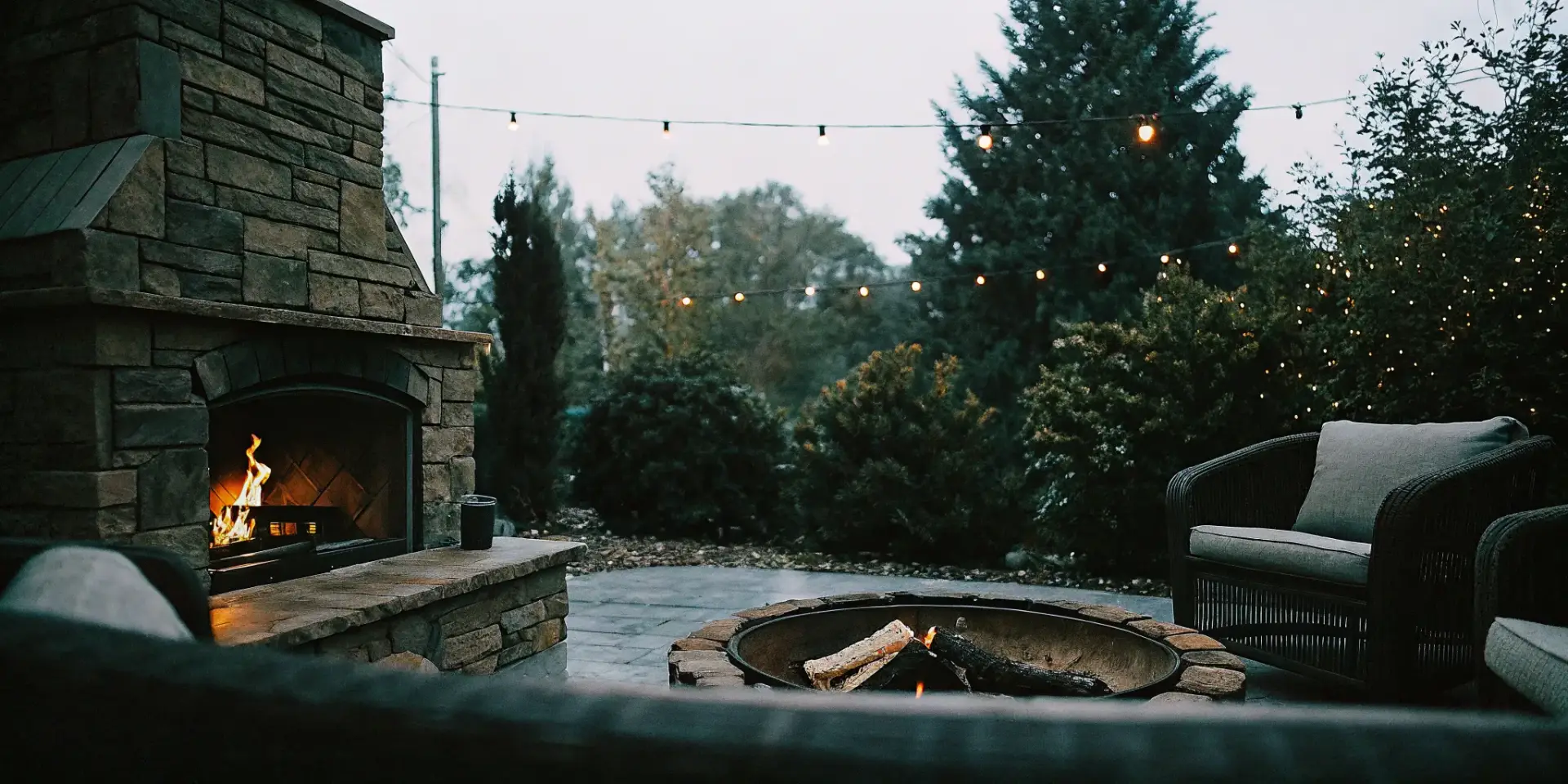
An outdoor fireplace makes a powerful architectural statement. With its vertical structure and hearth, it acts as a true focal point, anchoring your patio or deck and giving the entire space a sense of permanence and elegance. Much like an indoor fireplace, it can define a dedicated area, creating the feeling of an outdoor room complete with comfortable seating arranged to face the flames. Our gallery of custom fire features shows just how transformative a well-designed fireplace can be.
A fire pit, on the other hand, creates a more casual and communal gathering hub. Its low profile invites people to pull up a chair and gather around it from all sides. Instead of dominating the landscape, it integrates into it, fostering an interactive, campfire-like feel that’s perfect for storytelling and sharing s’mores. The visual focus isn’t on the structure itself, but on the people and conversations happening around the fire.
How They Distribute Heat
The way each feature warms your space is also quite different. A fireplace is designed to push heat forward, out from its opening. This creates a concentrated zone of warmth, making it ideal for a dedicated seating area directly in front of it. If you have an outdoor sofa or a set of chairs where you plan to relax, a fireplace will keep that specific spot consistently cozy and comfortable, even on a crisp autumn evening.
A fire pit radiates heat in all directions. Because it’s open on all sides, it provides 360-degree warmth to everyone sitting around it. This makes it a great choice for larger groups or more fluid social settings where people might be moving around. Everyone gets to share the warmth equally, which enhances the communal, inclusive atmosphere that fire pits are known for.
The Atmosphere: A Cozy Nook vs. a Social Circle
Ultimately, the structure and heat distribution shape the social dynamic. A fireplace tends to create a more private and intimate setting. With seating naturally facing the hearth, it encourages quieter, face-to-face conversations, making it feel like a cozy outdoor den. It’s the perfect backdrop for unwinding with your partner, reading a book, or having a deep conversation with a close friend.
A fire pit fosters a more open and social atmosphere. The circular arrangement encourages group interaction, as everyone can see and speak with one another across the flames. It’s inherently more communal, inviting laughter, shared stories, and a relaxed energy that’s perfect for entertaining neighbors or hosting family get-togethers. The choice really depends on the kind of moments you want to create in your backyard.
A Clear Look at the Pros and Cons
Every design choice comes with its own set of benefits and considerations. Understanding these trade-offs is the key to feeling confident in your decision. Let’s break down what we’ve seen homeowners in the Carolinas love—and what they need to plan for—with both outdoor fireplaces and fire pits.
The Pros and Cons of an Outdoor Fireplace
An outdoor fireplace acts as an architectural anchor for your backyard. It creates a powerful focal point, lending a sense of permanence and elegance to a patio or covered porch. Because the smoke is directed up and away through a chimney, it offers a more controlled and comfortable experience, free from shifting smoke on breezy evenings. These beautiful, permanent structures can also add significant long-term value to your home.
The main consideration is that a fireplace is a more substantial project. The installation is more involved, and it defines a specific zone for relaxation, making it a less flexible feature than a fire pit.
The Pros and Cons of a Fire Pit
A fire pit is designed to create a casual, communal atmosphere. It draws people together in a circle, encouraging conversation and a relaxed “campfire” feel that’s perfect for sharing stories with family and friends. Custom-built fire pits are generally a more accessible investment and can be installed much faster, often in just a few days. Their lower profile makes them a versatile choice that integrates easily into many different backyard layouts.
The primary trade-off is the open flame. On a windy day, you might find yourself shifting seats to avoid smoke. While it serves as a wonderful gathering spot, it doesn’t carry the same grand, structural presence as a full fireplace.
Comparing Cost and Installation
This is where the practical side of the decision comes into focus. Beyond the look and feel, it’s important to understand how a fire pit or fireplace fits into your budget and timeline. The installation process for each is quite different, and thinking through it helps clarify which option is the right long-term fit for your home and lifestyle. One is a straightforward addition, while the other is a more integrated construction project. Both are wonderful, but they follow different paths to completion.
What to Expect with a Fire Pit Installation
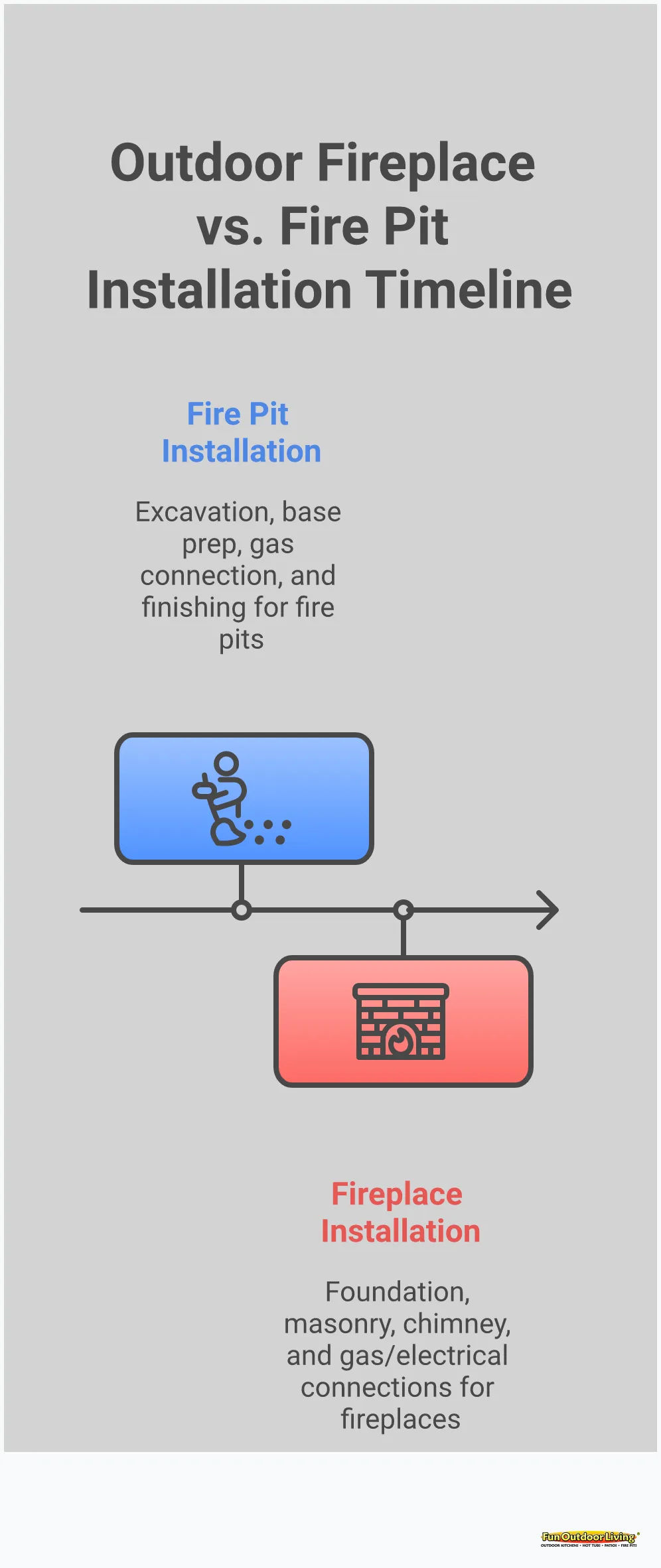
A built-in fire pit is one of the most accessible ways to bring a permanent fire feature to your backyard. For most homeowners, a professionally installed gas or wood-burning fire pit is a manageable investment. Because they are so versatile, they can be placed in various spots on a patio or in the yard without requiring major structural changes. The installation itself is also much quicker, often taking just a few hours to a couple of days. This means less disruption to your daily life and more time to start enjoying your new gathering spot. You can see a wide range of fire feature designs to get a feel for what’s possible.
The Investment for an Outdoor Fireplace
An outdoor fireplace is a permanent architectural statement. Because it’s a substantial structure, the investment is naturally greater, often becoming part of a larger backyard project like a new covered porch or paver patio. The process is more involved, with a build time that typically takes at least a week. This reflects the craftsmanship required to create a lasting, beautiful focal point that feels like a true extension of your home. For homeowners looking to create a dedicated outdoor living room, a fireplace provides an anchor that defines the entire space in a way few other features can.
How Each Affects Your Home’s Long-Term Value
Both options add appeal and value to your home, but they do so in slightly different ways. An outdoor fireplace is often seen as a luxury feature and can significantly enhance resale value because it’s a permanent, structural upgrade. It creates a sense of permanence and high-end design that buyers notice. A well-designed fire pit also adds value, especially when it’s thoughtfully integrated into the landscape and entertaining areas. In our experience, the best investment is always the one you’ll use and enjoy the most. When you’re ready to explore what makes sense for your property, a free home consultation can help clarify the possibilities.
Understanding Safety and Upkeep
A fire feature should bring relaxation, not worry. Both fireplaces and fire pits are safe when designed and installed correctly, but they require different kinds of attention to ensure peace of mind. The right choice often comes down to how much control you want over the flame and how the feature integrates with your home and landscaping.
In our experience building custom fire features across the Carolinas, we’ve learned that a well-thought-out plan is the foundation of long-term safety and enjoyment. It’s about understanding how smoke travels, how heat radiates, and how the structure itself will hold up over years of use.
Fire Pit Safety and Maintenance
Because a fire pit has an open flame, its placement is the most critical safety decision. It needs to be a safe distance from your home, sheds, and any low-hanging branches or flammable plants. We always build them on a strong, non-burning base, like a paver patio, to create a stable foundation that prevents any risk of fire spreading.
The main thing to remember with a fire pit is that smoke will drift. Without a chimney to direct it, the breeze determines where it goes. For windy locations, a simple glass shield can make a big difference. Maintenance is straightforward—clearing out ash and ensuring the area around the pit remains clear of debris is usually all that’s needed.
Outdoor Fireplace Safety and Maintenance
An outdoor fireplace offers a more contained and predictable fire experience. The structure itself encloses the flames on three sides, and a properly installed chimney directs smoke up and away from your seating area. This design significantly reduces the chance of stray sparks, especially when paired with a protective screen.
This built-in safety makes fireplaces a great fit for spaces closer to the home or under covered porches and pergolas. As long as the chimney is designed for the space, you can even enjoy a fire during a light rain. Upkeep involves routine chimney cleaning to prevent buildup, much like an indoor fireplace, ensuring it operates safely for years.
Considering Local Codes and Permits
Every fire feature project, big or small, must follow local building codes and regulations. These rules aren’t just suggestions; they are in place to protect your home and your family. Fireplaces, as permanent structures, are typically subject to stricter codes, but even fire pit placement is often regulated by local ordinances.
This is a part of the project you shouldn’t have to worry about. Because we manage everything from design to final inspection, we handle all the necessary permits and ensure your new fireplace or fire pit is fully compliant. Understanding these local requirements is a key part of our design and build process, giving you confidence that the job is done right.
Which Option Fits Your Space and Lifestyle?
The right fire feature does more than just add warmth; it shapes how you use your backyard. The choice between a fireplace and a fire pit comes down to how you envision spending your time outdoors. It’s a decision based on the size of your property, your style of hosting, and the daily routine you want to create. By thinking through these practical details, you can confidently choose the option that feels like a natural extension of your home.
How Much Room Do You Need?
An outdoor fireplace is a significant architectural element. Because it’s a permanent structure, it requires dedicated space for both the fireplace itself and for safe, comfortable seating in front of it. It often becomes the anchor for an entire outdoor room, defining the layout of a patio or deck. In our experience, they work best in yards where you can designate a specific zone for this kind of focal point.
A fire pit, on the other hand, tends to be more versatile. While it requires a 360-degree clearance for seating and safety, its overall footprint can be adapted to fit both large and more compact yards. This flexibility allows it to be integrated into existing paver patios or serve as a central hub without dominating the entire landscape.
How Do You Like to Entertain?
Think about the atmosphere you want to create. An outdoor fireplace naturally fosters a more intimate setting. Seating is arranged facing the hearth, much like an indoor living room, which encourages quiet conversation and a cozy, private feeling. It’s ideal for smaller gatherings or a relaxing evening for two.
A fire pit is built for social connection. With seating all around, it invites a communal, “campfire” experience where everyone can see and interact with each other. This setup is perfect for lively conversations, telling stories, and roasting marshmallows with family and friends. It creates a casual, welcoming energy that makes it easy for guests to mingle and connect.
Choosing Your Fuel: Gas vs. Wood
Both fireplaces and fire pits can be either gas-powered or wood-burning, and the choice impacts your daily use. A gas fire feature offers ultimate convenience. With the flip of a switch, you have instant flames and consistent heat without any smoke or cleanup. It’s a fantastic choice for homeowners who want warmth and ambiance with minimal effort.
A wood-burning fire provides a classic, sensory experience—the crackling sound, the distinct aroma, and the radiant glow of a real fire are hard to replicate. This option requires more hands-on effort, from sourcing wood to managing the flames and cleaning up ash. For many, that ritual is part of the appeal. A free home consultation can help you weigh these trade-offs for your specific space.
Making a Confident Decision
Choosing between an outdoor fireplace and a fire pit isn’t about finding the “best” option—it’s about finding the one that fits the rhythm of your life. Both create warmth and a wonderful sense of place, but they do so in different ways. The right choice depends entirely on your space, your budget, and how you imagine spending your time outdoors. Thinking through a few key questions can bring a lot of clarity and help you feel confident in your decision long after the project is complete.
Clarifying Your Main Goal
Before getting into materials or placement, take a moment to think about why you want a fire feature in the first place. Are you picturing a quiet, cozy corner for two, or a lively hub where friends and family can gather? An outdoor fireplace naturally creates a focal point, much like one inside your home. It anchors a space, making it feel like a true outdoor room. A fire pit, on the other hand, encourages a more communal, circular gathering. The choice really comes down to how you want to use your outdoor area. Visualizing those future moments is the best way to start.
Considering the Carolina Climate
Here in the Carolinas, our weather gives us plenty of opportunities to enjoy the outdoors year-round. A fireplace is often a better fit for cooler or windy weather because its structure helps block the wind and directs smoke up and away. This can make a chilly autumn evening feel much more comfortable. Fire pits are more open to the elements, but they’re perfect for our mild evenings, even in the warmer months when you just want a little ambiance. In our experience, a well-placed fireplace can help you get more use out of your patio or deck, extending your outdoor season.
When You’re Ready to Talk, We’re Here
If you’re still weighing the options, that’s perfectly normal. It’s a good idea to talk with someone who understands the nuances of design, materials, and safe installation. Our role isn’t to push you toward a decision but to help you understand it. We can walk you through what will work best for your specific yard, explain the trade-offs between different fuel types, and create a realistic plan. When you’re ready to see what’s possible for your home, we’re here to help with a free home consultation and a clear, pressure-free conversation.
Related Articles
- Fire Pit Insert 101: A Complete Buyer’s Guide
- How to Choose the Best Fire Pit Kit Stone
- Outdoor Stone Fireplace with Chimney: A Complete Guide
Frequently Asked Questions
Can I install an outdoor fireplace under a covered porch? Yes, and this is one of the primary advantages of choosing a fireplace. Because it’s a fully contained structure with a chimney, it’s designed to safely direct smoke and heat up and away from your seating area. This makes it an ideal choice for creating a true outdoor living room under a covered porch or pergola, allowing you to enjoy a fire even during a light rain.
Which option is better if I have a smaller backyard? In our experience, a fire pit is often a more versatile fit for smaller yards. Its low profile and circular design can make a compact space feel more open and inviting. A fireplace is a much larger architectural feature that requires a dedicated zone, which can sometimes overwhelm a smaller patio. A thoughtfully placed fire pit can create a wonderful gathering spot without dominating the landscape.
How do I decide between a gas and a wood-burning fire feature? This choice really comes down to how you plan to use it. Gas offers incredible convenience—you get instant flames and consistent heat with the flip of a switch, and there’s no cleanup. It’s perfect for frequent, spontaneous use. A wood fire provides that classic, sensory experience with its crackle and aroma, but it requires more hands-on effort. If you see yourself wanting a quick fire on a weeknight, gas is often the more practical choice.
Which one is safer for a family with kids and pets? Both are safe when installed correctly and supervised properly, but a fireplace provides a more contained fire. The flames are enclosed on three sides, and a screen can be added to prevent sparks and create a barrier. A fire pit has an open flame that requires a bit more awareness and clear ground rules for everyone in the family. Ultimately, the most important safety feature is always responsible adult supervision.
Does one option extend the outdoor season in the Carolinas more than the other? While both will help you enjoy cooler evenings, a fireplace often has an edge in extending the seasons. Its structure can help block a chilly breeze, and it pushes a concentrated zone of warmth directly into your seating area. This focused heat can make a significant difference on a crisp autumn night or an early spring evening, giving you more comfortable days to enjoy your outdoor space.