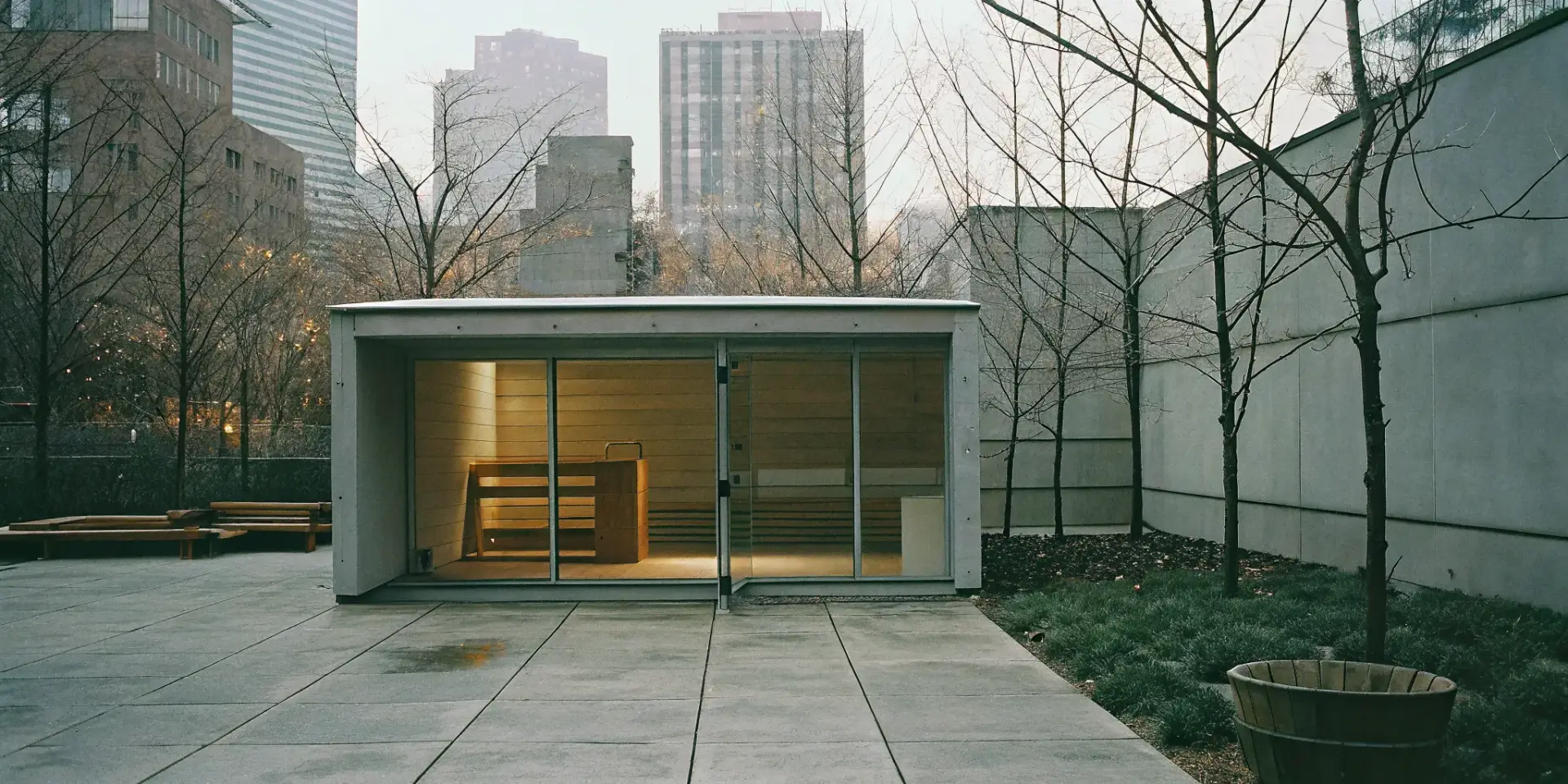
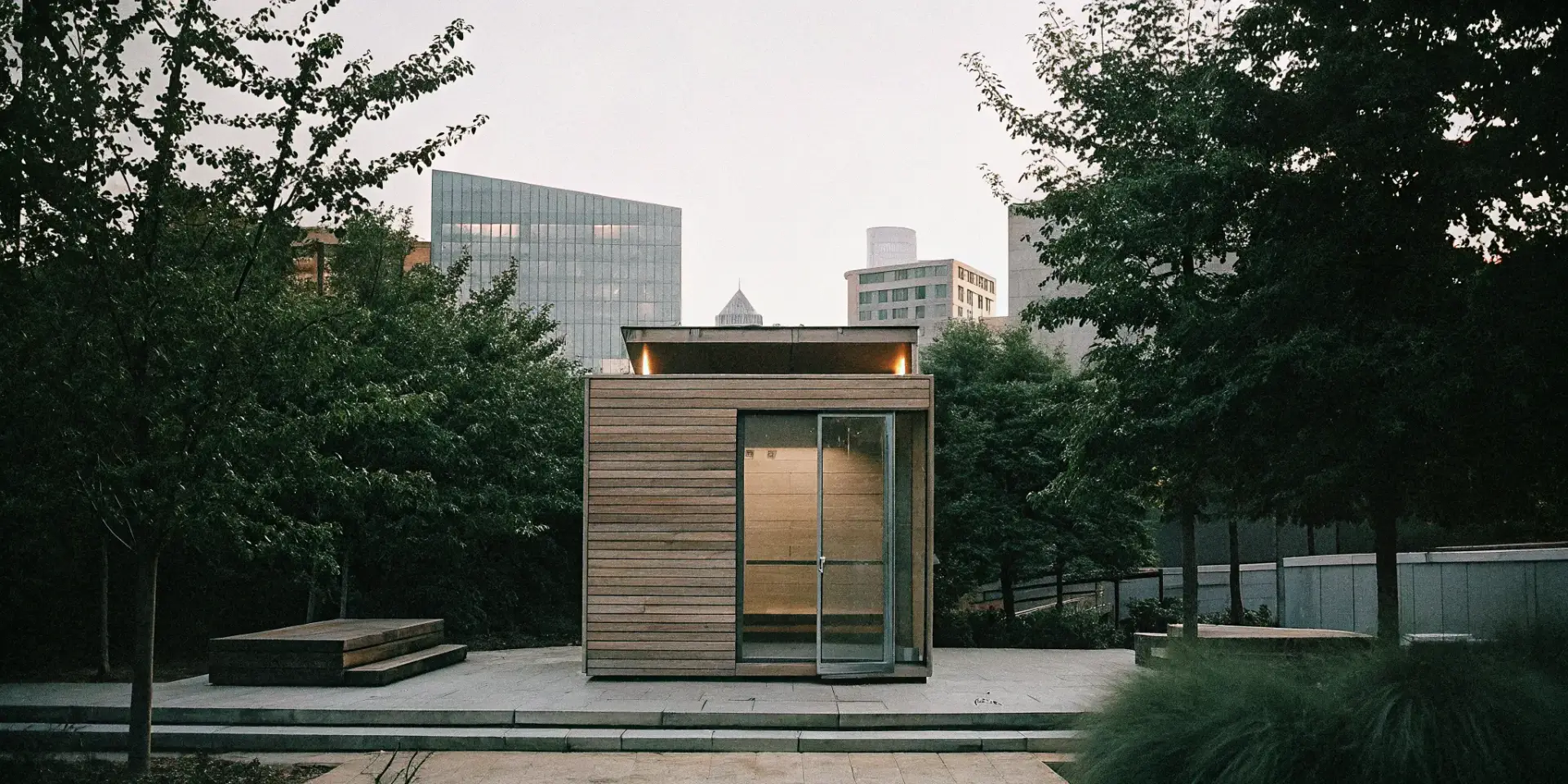
Finding a quiet, private space for wellness in a busy home can be a real challenge. The solution is often hiding in plain sight: the garage. It’s a space with a solid foundation, easy electrical access, and a natural separation from the main living areas, making it an ideal spot for a personal retreat. The process to convert garage to sauna Charlotte residents are discovering is more straightforward than they expect, especially with an experienced team. It’s a practical way to create a sanctuary for health without the cost and disruption of a major home addition, transforming an underused area into the most valuable room in your house.
Key Takeaways
- Reclaim Your Garage for Daily Wellness: Converting part of your garage is a practical way to create a private sanctuary for health, adding a valuable home feature without the need for a major renovation.
- Focus on the Fundamentals for Safety: A lasting sauna experience relies on getting three things right: professional electrical work, proper ventilation to manage moisture, and correct local permitting, all of which protect your home and your investment.
- Understand the Full Investment: The total cost of a garage sauna includes the unit, professional installation, and any necessary prep work or permits, so a clear, all-inclusive plan is the key to a smooth project without financial surprises.
Why Put a Sauna in Your Garage?
For many homeowners, the garage is the most practical and underutilized space in the entire home. It’s often seen as a place for cars, tools, and storage, but we’ve found it’s the perfect location for a dedicated wellness retreat. Converting a portion of your garage into a sauna doesn’t require a new addition or complex construction, making it one of the most straightforward ways to integrate a powerful health ritual into your daily life.
The garage provides a solid foundation, existing electrical access, and a degree of separation from the main living areas. This creates a quiet, private space where you can fully unwind without interruption. Instead of a cluttered corner, you can have a beautiful, functional sanctuary just steps from your door. In our experience helping homeowners across the Carolinas, transforming this space is less about losing storage and more about gaining a profound improvement in your everyday well-being. It’s about reclaiming square footage for a purpose that truly serves you and your family.
A Daily Ritual for Wellness
Imagine a dedicated space at home designed purely for your health and relaxation. A garage sauna makes that vision an accessible reality. It creates a simple, powerful ritual to mark the end of a busy day, helping you decompress and transition into a state of rest. Regular sauna use can help with stress, muscle recovery, blood flow, and sleep. Having this tool just steps away removes the friction of driving to a gym or spa, making consistency effortless.
This isn’t about an occasional luxury; it’s about building a sustainable practice that supports your long-term health. Whether you prefer the deep, penetrating warmth of our Tylo® traditional and infrared saunas or another model, the outcome is the same: a reliable way to care for your body and mind, right at home.
A Smart Investment in Your Home
A professionally installed sauna is more than just an investment in your health; it’s a smart investment in your property. Over time, a home sauna can easily pay for itself when compared to the recurring costs of spa memberships or gym fees. It also adds significant appeal and tangible value to your home. In a health-conscious region like the Carolinas, a dedicated wellness space is a highly sought-after feature that makes a property stand out.
Adding a professionally installed sauna can make your home more valuable to future buyers who prioritize well-being. It signals a commitment to quality of life and thoughtful home improvement. By transforming an underused part of your garage, you’re not only enhancing your daily routine but also making a wise financial decision that improves your home’s long-term worth.
Which Sauna is Right for Your Garage?
Choosing a sauna for your garage is less about which one is “better” and more about how you want your wellness ritual to feel. The decision comes down to two main things: the type of heat you prefer and the practical considerations of your specific space. Both traditional and infrared saunas can transform a garage into a personal retreat, but they offer very different experiences.
A traditional sauna provides a powerful, enveloping heat, often shared with others, while an infrared sauna offers a more gentle, targeted warmth that’s ideal for a quiet, solo session. Beyond the feeling, there are practical details to consider. Your garage’s existing insulation, ventilation, and electrical setup will all play a role in determining the best fit. In our experience helping homeowners here in the Carolinas, thinking through both the desired experience and the physical space is the key to making a choice you’ll be happy with for years to come. We can help you weigh these factors to find the perfect match for your home and lifestyle.
Choosing Your Heat: Traditional vs. Infrared
The kind of heat a sauna produces defines the entire experience. A traditional sauna uses an electric heater to warm stones, creating an intense, ambient heat that can reach 195°F. You can pour water over the stones to generate steam, a practice known as löyly, for a humid, invigorating session. Because of this humidity and high heat, a traditional sauna is more sensitive to your garage’s insulation and ventilation.
Infrared saunas work differently. They use infrared emitters to warm your body directly, rather than heating the air around you. The air temperature stays much lower, typically between 120-150°F, providing a gentler but deeply penetrating heat. Many people find this experience more comfortable for longer sessions. The choice is truly personal: do you prefer the intense, steamy embrace of a traditional sauna or the focused, gentle warmth of an infrared model?
Finding the Right Fit for Your Space
Once you know the type of heat you want, the next step is ensuring the sauna fits your garage safely and correctly. This involves more than just measuring floor space. A sauna has specific electrical needs, and it’s critical to follow the National Electrical Code (NEC) and any local rules. This often requires a dedicated circuit installed by a qualified electrician to ensure safe, reliable operation.
You also need a solid, level surface for the foundation. We also consider the sauna’s placement relative to your property lines and other structures, as this can be a factor in local permit applications. Planning for these details from the start prevents surprises down the road. Our process includes a full site assessment to handle these logistics, so you can focus on the wellness benefits, not the wiring.
What to Know About Permits in the Charlotte Area
The word “permits” can sound intimidating, but we see it as the first step in building something that lasts. It’s simply a process to ensure your new sauna is safe, reliable, and a true asset to your home. Because we manage projects from design to installation right here in the Carolinas, we handle this entire process for you. It’s part of our commitment to getting the job done right, so you can focus on the wellness benefits ahead. The requirements can vary slightly depending on whether you’re in Charlotte, a surrounding town like Matthews, or a different county, which is why local experience is so important.
Think of it as a blueprint for quality control. A properly permitted project protects your investment, ensures there are no surprises if you decide to sell your home later, and gives you complete confidence that every detail has been handled correctly. It’s the difference between a weekend project and a permanent home improvement. When you work with a team that understands the local landscape, the permit process becomes a quiet, background detail instead of a source of stress. Our role is to manage that blueprint so your experience is seamless from start to finish.
Understanding Local Building Codes
Think of a garage sauna as a small, specialized room addition. Here in Mecklenburg County, any project that alters an accessory building like a garage typically requires a Building Permit. These local codes aren’t just paperwork; they are established standards for proper construction, ventilation, and materials designed for high-heat environments. Following them ensures your sauna integrates seamlessly and safely with your home’s structure. For example, codes dictate proper clearances from flammable materials and requirements for ventilation, which is critical for air quality and moisture control. In our experience, a well-planned project that accounts for these codes from the start is always the most successful and enjoyable for the homeowner.
Ensuring Safe Electrical Work
A sauna’s performance and safety depend entirely on its electrical setup. Most traditional sauna heaters need a dedicated 240V circuit, which is a significant electrical job that requires a licensed professional. For this reason, you should always assume an electrical permit is necessary for the installation. This isn’t just a suggestion; it’s a critical step for safe, long-term operation. Before you can enjoy your first session, a qualified inspector must verify that the wiring, grounding, and heater connection meet all local codes. This inspection provides a final, expert check on the most important part of your sauna, ensuring it operates efficiently and safely for your family for years to come. It’s a standard part of our installation process.
Handling Permits and Paperwork
So, what does the permit process actually look like? It involves submitting a clear plan to the local building department. This usually includes the sauna’s dimensions, its specific location in the garage, and details about the electrical plan. This is where our all-in-one approach makes a real difference. We prepare and manage the necessary permit applications as part of your project, providing the detailed site plans and specifications that officials need to see. By handling the paperwork, communicating with inspectors, and coordinating the final approvals, we make sure everything is compliant and ready for you to enjoy without the headache of navigating municipal offices.
What Does a Garage Sauna Conversion Cost?
Understanding the cost of a garage sauna conversion is about looking at the complete picture. The final price isn’t just the sauna unit itself; it’s a combination of the materials, the professional work required to prepare the space and install the unit, and any local permit fees. Thinking about these components helps clarify the investment you’re making in your home and your daily wellness routine.
For homeowners here in the Carolinas, the total cost is driven by a few key decisions about the type of sauna, the complexity of the installation, and the existing condition of your garage. A simpler project with a pre-built kit will naturally have a different budget than a fully custom design. We believe in being transparent about these factors so you can make a confident decision that aligns with your goals. The aim is to create a space that feels right, works reliably for years, and adds lasting value to your life at home.
The Sauna Kit and Materials
The heart of your project’s cost is the sauna itself. For a high-quality indoor sauna, homeowners can generally expect the kit and materials to range from $6,000 to $8,000. Larger or more specialized models, like traditional steam saunas, often start around $10,000 and can increase from there based on size, wood type, and custom features. This investment covers the core components, including the benches, heater, and interior paneling. At Fun Outdoor Living, we partner with trusted brands like Tylo® saunas to ensure your materials are built for performance and longevity.
Professional Installation and Prep Work
Beyond the materials, professional installation ensures your sauna operates safely and efficiently. The cost of labor depends on the project’s complexity. A straightforward, pre-built sauna kit can often be installed in a single day. A more custom build, however, might take one to three weeks to complete. This timeline includes essential prep work like ensuring the foundation is level, framing the space correctly, and running the necessary electrical wiring. Opting for professional installation gives you peace of mind, knowing every detail is handled correctly from the start.
Permit and Inspection Fees
Before any work begins, it’s important to account for local building codes. Most sauna installations, especially those with new electrical wiring, require a permit to ensure they comply with safety standards. An inspector will typically review the structure, ventilation, and electrical work to confirm everything is up to code. While this adds a modest cost for fees and paperwork, it’s a non-negotiable step for safety and home value. Our team handles the permitting process for our clients, ensuring your project meets all local requirements without adding stress to your plate.
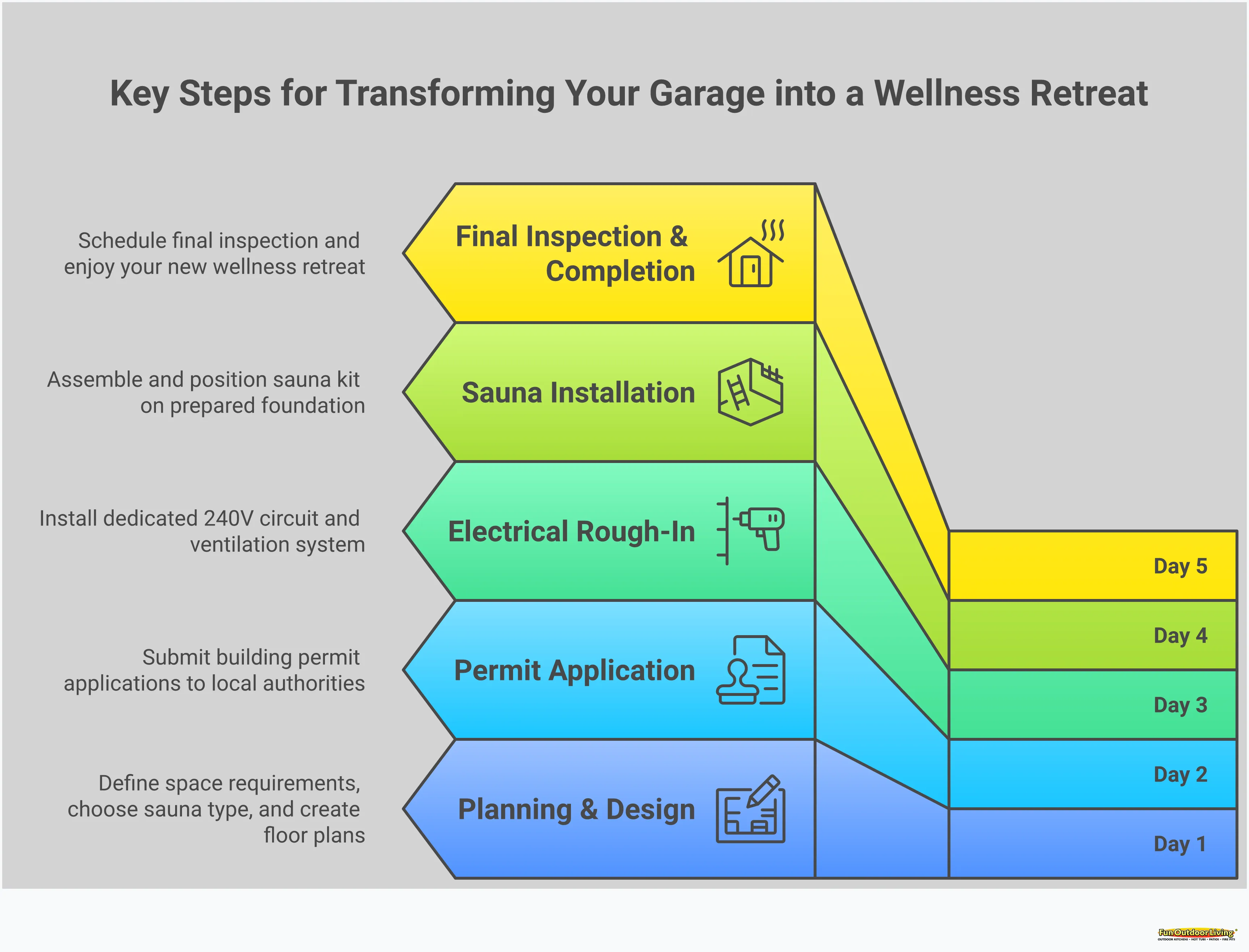
How a Garage Becomes a Sauna: The Process
Transforming a corner of your garage into a personal wellness retreat is more straightforward than many homeowners think. When handled correctly, the process moves from a simple idea to a finished installation with clarity and confidence. It’s not about disruption; it’s about a deliberate, step-by-step build that respects your home and your time.
Because we manage every detail in-house, from design and permitting to electrical work and final assembly, you have a single point of contact. Our goal is to make the entire experience feel seamless, ensuring your new sauna is a source of relaxation from day one.
Step 1: Design and Planning
This is where your vision starts to take shape. We begin by discussing how you want to use the space. Is this a quiet retreat for one, or a place to connect with a partner? Will it be part of a larger wellness zone with a cold plunge? Answering these questions helps us select the right Tylo® sauna model for your daily rituals.
From there, we handle the technical details. We’ll assess your garage, measure the space, and plan the electrical requirements. Every sauna heater has specific power needs, and our licensed electricians ensure your home’s panel can support it safely. This initial planning phase is when we prepare all the necessary documents for local permits, so the project starts on a solid, compliant foundation.
Step 2: Preparing the Space
Once the design is finalized, we prepare the garage for installation. This usually involves clearing the designated area and ensuring the floor is level and clean. A solid, flat surface is essential for the sauna’s structural integrity and long-term performance.
During this stage, our team also coordinates any necessary electrical work. This might include running a new dedicated circuit from your home’s main electrical panel to the sauna’s location. We manage the entire local permitting process, ensuring all work meets or exceeds safety codes here in the Carolinas. This step is critical for a safe, reliable installation and your peace of mind.
Step 3: Installation and Finishing Touches
With the space prepped and the electrical in place, the sauna itself comes together quickly. Our trained technicians assemble the sauna, whether it’s a pre-fabricated model or a more custom design. We connect the heater, install the controls, and fit the benches, backrests, and lighting.
We pay close attention to the small details that make a big difference: ensuring the door is perfectly aligned, the interior is flawless, and the heater is functioning efficiently. After a final quality check and a thorough cleanup, we walk you through how to operate your new sauna. Our team will show you how to use the controls, explain the best practices for heating, and answer any questions you have. The result is a beautiful, functional wellness space, ready for you to enjoy.
Common Mistakes to Avoid
A garage sauna can be a wonderful addition to your home, but a few key details separate a great experience from a problematic one. In our years of building wellness spaces across the Carolinas, we’ve seen a few common oversights that are easy to prevent with proper planning. Getting these fundamentals right from the start ensures your sauna is safe, efficient, and a source of relaxation for years to come, not a source of future repairs. It’s about building something that fits seamlessly into your life, without creating new worries.
Getting Ventilation and Moisture Right
A garage is built to protect cars, not to handle the heat and steam of a traditional sauna. Without proper planning, moisture can become trapped, leading to mildew or damage to your garage’s structure. A traditional sauna is perfectly safe in a garage, but it requires thoughtful ventilation. This means installing vents correctly to allow fresh air to circulate and humid air to escape. It also involves using moisture-resistant materials and ensuring there’s enough clearance around the unit. This simple step protects both your sauna investment and your home, creating a clean and healthy environment for relaxation.
Prioritizing Electrical Safety
This is one area where there is no room for compromise. Most electric sauna heaters require a dedicated 240V circuit, which is more power than a standard wall outlet provides. This work should always be handled by a licensed electrician who understands local codes. You should always assume you need an electrical permit until your local building department says otherwise. Ensuring the wiring is done correctly is fundamental to the safe operation of your sauna. It protects your home and your family, and it ensures your system runs exactly as it was designed to.
Insulating for Performance and Efficiency
A sauna’s performance is directly tied to its insulation. A well-insulated sauna heats up faster, maintains a consistent temperature, and uses less energy. This is especially important in a garage, which often has minimal insulation and can experience significant temperature swings throughout the year. Proper insulation, combined with a sealed vapor barrier, keeps the heat inside the sauna instead of letting it escape into the garage. This not only creates a more effective and therapeutic session but also lowers your long-term operating costs. It’s a detail that makes a noticeable difference every time you use it.
Thinking Beyond the Sauna: Adding a Cold Plunge
A sauna is a powerful tool for daily wellness. But for many homeowners we work with, it’s just the beginning. Adding a cold plunge transforms a single feature into a complete wellness ritual. This practice, known as contrast therapy, creates a dedicated space in your home to manage stress, accelerate recovery, and reset your body and mind. It’s about creating a full cycle of wellness that you can return to day after day, right in your own garage.
The Benefits of Contrast Therapy
Contrast therapy is the simple, powerful practice of moving between intentional heat and cold. While a sauna session on its own helps with recovery and circulation, alternating it with a cold plunge deepens those benefits. The rapid change from hot to cold helps reduce inflammation and muscle soreness more effectively than heat alone. For many, it becomes a ritual for mental clarity and resilience. This combination of a sauna and cold plunge supports everything from better sleep to a stronger immune response, creating a true foundation for daily health.
Designing Your Home Wellness Zone
Creating a space for both a sauna and a cold plunge requires thoughtful planning, especially in a garage conversion. The most important step is ensuring the electrical work is done correctly and safely to handle both systems. In our experience, a well-designed wellness zone feels seamless, not forced. We handle the entire process, from creating a layout that fits your space to managing the necessary permits and inspections required in the Charlotte area. A free design consultation can help you visualize how these powerful tools can fit into your home and daily routine.
Related Articles
- Barrel Sauna Kit: Everything You Need to Know
- Hiring a Sauna Builder in Charlotte? Read This First
- The Ultimate Guide to Home Sauna Installation
Frequently Asked Questions
How much space do I actually need in my garage for a sauna? Most homeowners are surprised by how little space a high-quality sauna requires. A comfortable two-person model typically needs a footprint of about four by six feet, which is often available in the corner of a standard garage. The key is finding a location with a solid, level floor and adequate clearance for proper ventilation. During our initial consultation, we help you find the most efficient and practical spot for your specific layout.
Does a sauna really require special electrical work? Yes, and this is the most important safety consideration in any installation. A sauna heater is a powerful appliance that requires a dedicated 240V circuit, similar to an electric range or dryer. This work must be completed by a licensed electrician to meet local codes and ensure safe, reliable performance. It’s a standard part of our process and gives you complete confidence that your sauna is installed correctly from the ground up.
What is the long-term maintenance like for a garage sauna? Maintaining a sauna is quite simple. The routine care involves wiping down the benches and backrests after use to keep the wood clean and occasionally checking that the heater and stones are in good condition. Because a garage provides a protected, indoor environment, the exterior requires very little attention. It’s a low-maintenance wellness tool designed for consistent, everyday use without adding a lot of chores to your list.
Is a garage sauna a good investment for my home’s value? We believe it is, for two reasons. First, it’s an investment in your daily quality of life, which is invaluable. Second, in a health-focused region like the Carolinas, a dedicated wellness space is a significant selling point. It makes a home stand out to future buyers who prioritize health and thoughtful home improvements. It’s seen less as an add-on and more as a permanent upgrade to the home’s lifestyle.
How do I decide between a traditional and an infrared sauna? The best choice depends entirely on the experience you want. A traditional sauna offers an intense, enveloping heat and the option for steam, creating an invigorating ritual that’s great for deep sweats and social use. An infrared sauna provides a gentler, more targeted heat that warms the body directly, which many people find more comfortable for longer, quieter sessions. We often suggest thinking about how you plan to end your day: with a powerful, cleansing heat or a calm, restorative warmth.