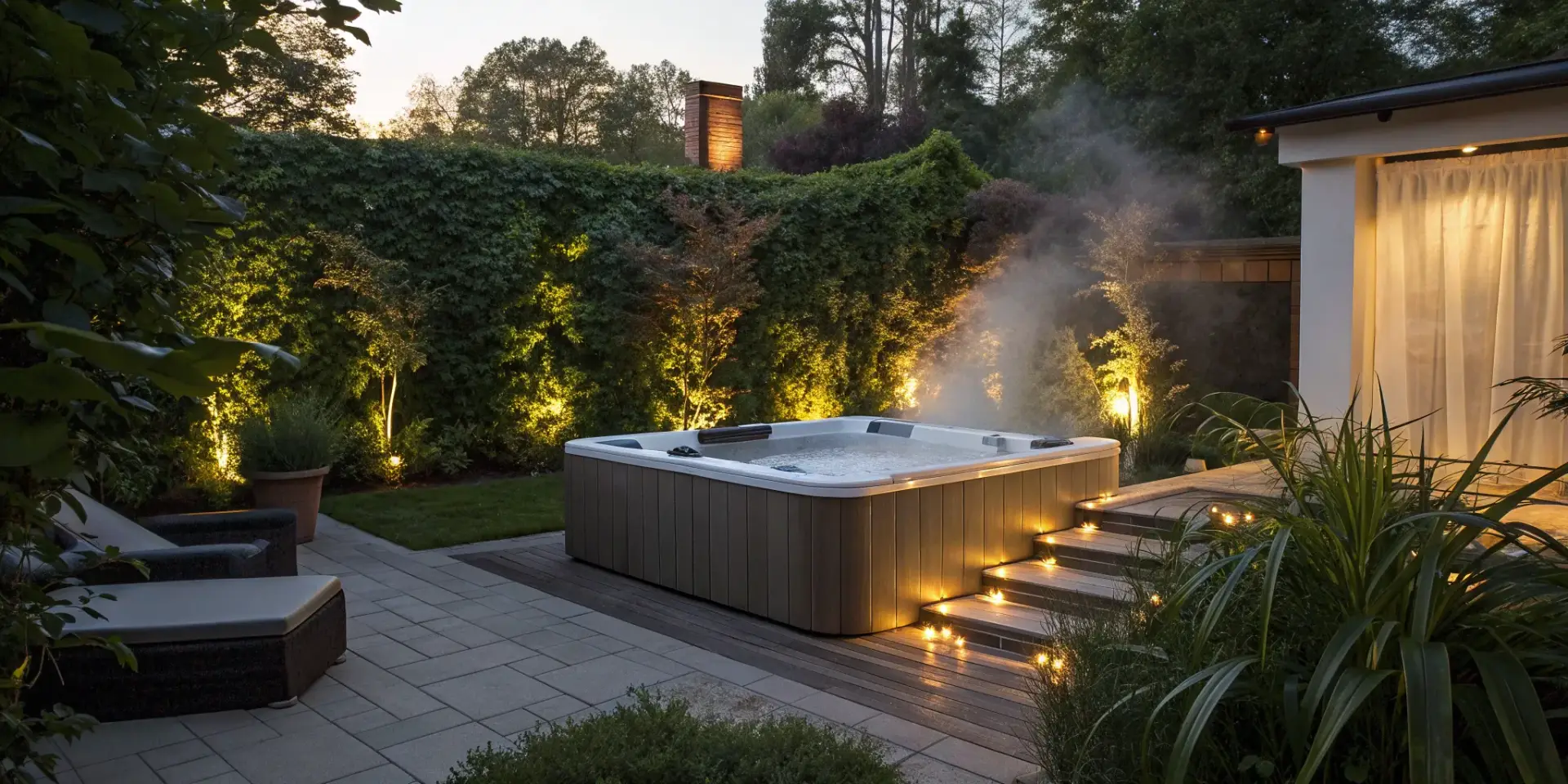
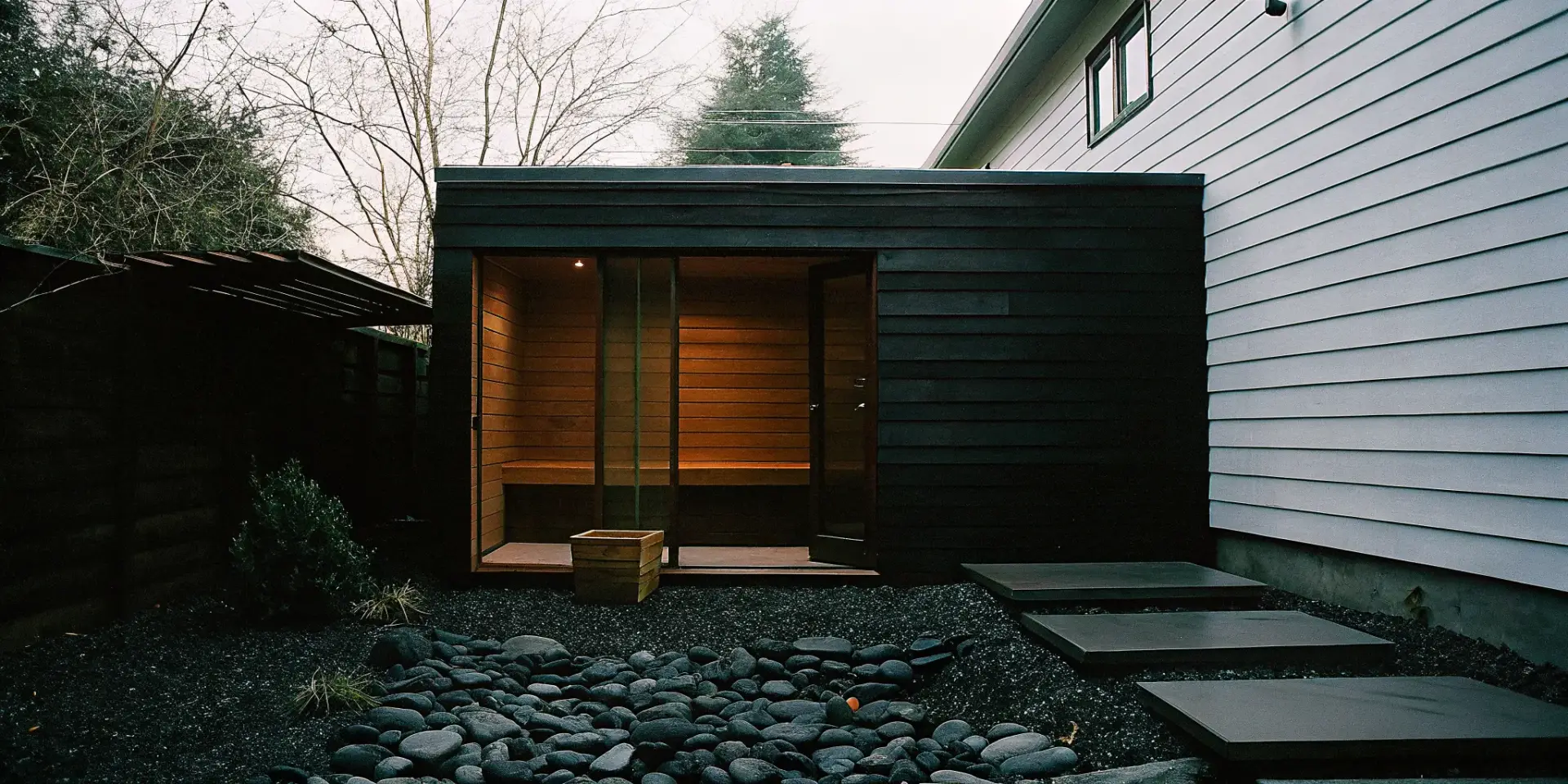
A sauna is more than a backyard feature—it’s a daily ritual. It’s the quiet moment to decompress, the gentle heat that soothes sore muscles, and the dedicated space to reconnect with yourself. The quality of that ritual is directly tied to the quality of the sauna you choose. When considering the outdoor sauna cost, it’s helpful to think about the experience you want to have day after day. This article explains how different budget levels translate into different levels of performance, durability, and long-term enjoyment, helping you invest in the routine that best fits your life.
Key Takeaways
- Look beyond the sticker price: A successful sauna installation includes the cost of a solid foundation and proper electrical work. Planning for these essentials from the start ensures the final price is predictable and the process is seamless.
- Your budget determines the quality of your ritual: While entry-level saunas offer basic heat, investing in better materials and build quality creates a more consistent and therapeutic experience you’ll want to use every day.
- Focus on the cost per session, not the purchase price: A well-built sauna is surprisingly energy-efficient, often costing less than a cup of coffee per use. This makes a daily wellness routine an affordable and sustainable part of your life.
What to Expect When Budgeting for an Outdoor Sauna
Understanding the cost of an outdoor sauna can feel complicated, but the price is usually a direct reflection of the materials, craftsmanship, and long-term reliability you can expect. The right budget isn’t about finding the cheapest option; it’s about matching your investment to your wellness goals and how you plan to use the space for years to come. A sauna is more than a backyard feature—it’s a daily ritual.
In our experience helping homeowners in the Carolinas, we’ve seen that budgets generally fall into three main categories. Each tier offers a different level of quality, customization, and durability. Think of these ranges as a starting point. The final cost will also depend on factors like site preparation, electrical work, and whether you choose a prefabricated kit or a fully custom design. Our goal is to help you understand what’s possible at each level so you can make a confident decision for your home.
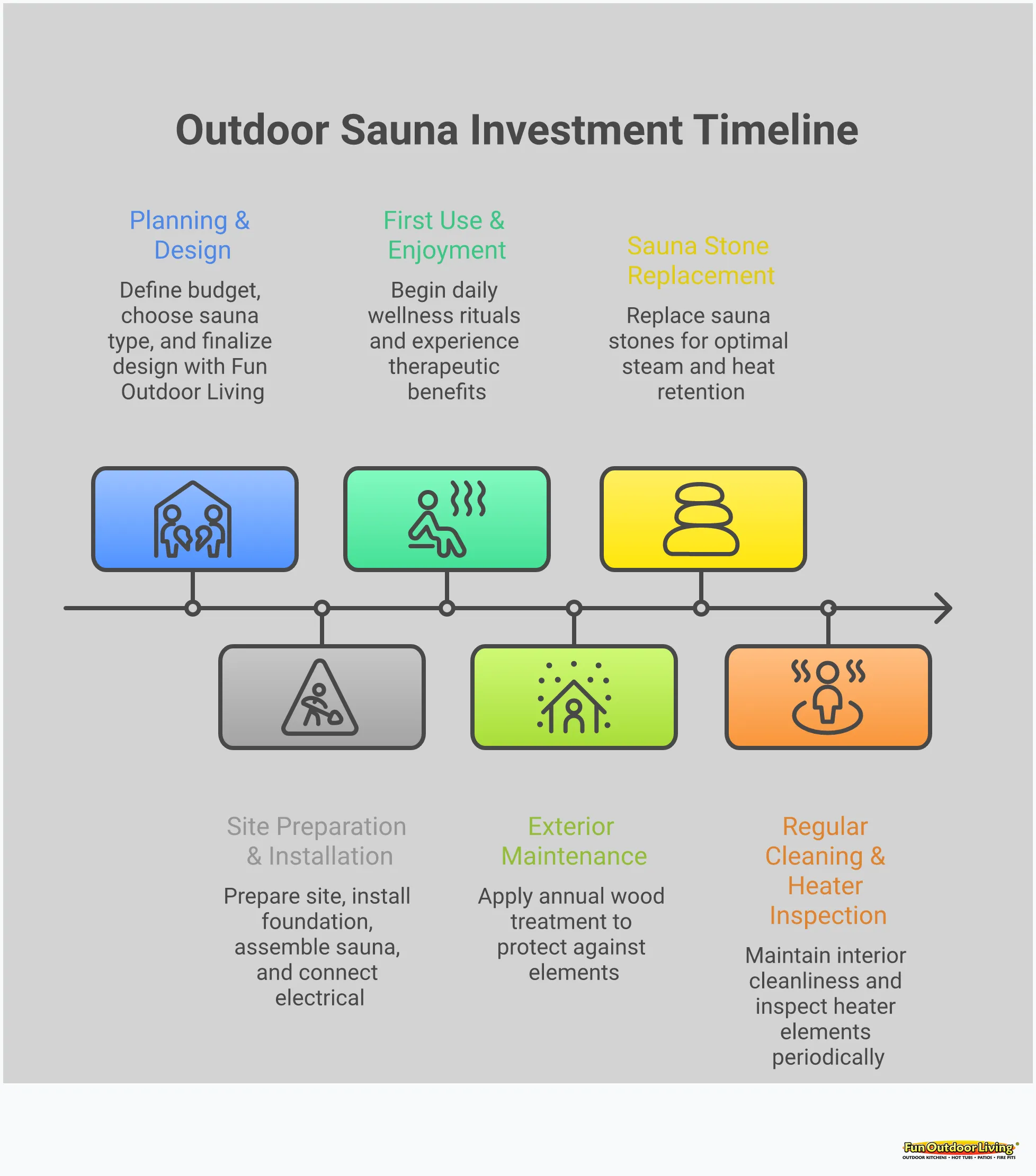
Entry-Level Saunas ($3,000–$8,000)
This price range is the most accessible entry point into the world of sauna bathing. It typically includes smaller prefabricated kits, simple barrel saunas, or the materials for a dedicated DIY project. While these options make it possible to enjoy the benefits of a sauna without a significant upfront investment, they often come with trade-offs. The wood may be thinner, the heater less powerful, and the overall design simpler. For homeowners who enjoy hands-on projects and are willing to manage the build themselves, this can be a rewarding path. However, it’s important to factor in the time and skill required for a proper installation.
Mid-Range Saunas ($8,000–$20,000)
For most homeowners, this range represents the sweet spot for quality, performance, and long-term value. Here, you’ll find well-crafted prefabricated saunas made from more durable woods, featuring better insulation and more powerful, reliable heaters. The designs are more thoughtful, often including comfortable benches, better ventilation, and more glass to create an open feel. A sauna in this category is built to be a lasting part of your home and wellness routine—a dependable retreat that performs consistently day after day. This is where you move from a basic hot box to a genuine therapeutic environment.
Premium and Custom Saunas ($20,000+)
When a sauna becomes a central part of your home’s design and wellness ecosystem, you enter the premium and custom tier. This investment covers high-end, architecturally designed saunas that are built to integrate seamlessly with your home and landscape. It’s where you’ll find superior materials like clear-grain cedar, advanced heater technology, and bespoke features like custom layouts and expansive glass walls. Brands like Tylo® saunas are a perfect example of this quality. This budget also allows for creating a complete contrast therapy zone by pairing your sauna with a cold plunge, turning your backyard into a personal wellness retreat.
What Drives the Final Cost of a Sauna?
The final price of an outdoor sauna isn’t arbitrary—it’s a direct reflection of the choices you make in its design and construction. Think of it less like a single product and more like a small, specialized room for your backyard. Just as with any home project, decisions about size, materials, and features will shape the final budget. A compact, two-person sauna designed for quiet reflection will naturally have a different price point than a larger, custom-built model intended for social gatherings and integrated into a full patio design.
In our experience building wellness spaces for homeowners across the Carolinas, we’ve found that understanding these key cost drivers is the first step toward making a confident decision. It allows you to align your budget with your wellness goals, ensuring you invest in the features that will bring you the most value over time. From the type of wood that withstands our humid summers to the heater that best fits your daily routine, each element plays a role in both the upfront cost and the long-term enjoyment of your sauna.
How Size and Capacity Affect Price
The most straightforward factor influencing cost is the sauna’s size. A larger footprint requires more materials, a more powerful heater, and additional labor to build. A cozy sauna designed for one or two people is an efficient and cost-effective way to bring a wellness ritual home. As you expand to accommodate four, six, or more people, the investment grows accordingly.
When considering size, think about how you truly plan to use the space. Is this a personal retreat for you and a partner, or do you envision hosting friends and family? Answering this question first helps guide all other decisions and ensures you’re not paying for more space than you’ll actually use.
The Role of Wood and Build Quality
The type of wood used in a sauna is critical for both its performance and its lifespan, especially here in the Carolinas. Woods like cedar and hemlock are popular for good reason—they are naturally resistant to moisture and decay, and they handle temperature changes well. Premium, thermally modified woods, like those found in Tylo® saunas, offer even greater durability. While higher-quality materials have a greater upfront cost, they prevent issues like warping and rot.
Beyond the wood itself, build quality is key. This includes the thickness of the walls, the precision of the joints, and the overall sturdiness of the structure. A well-built sauna will retain heat more effectively and feel more solid, which makes a significant difference in the daily experience and long-term value of your investment.
Choosing Your Heater: Electric, Wood, or Infrared
Your sauna’s heater is its heart, and the type you choose affects the cost, installation, and the experience itself. Electric heaters are the most common choice for residential saunas, offering convenience, reliability, and simple push-button operation. Wood-burning stoves provide a more traditional, off-grid experience with a soft, radiant heat, but they require a chimney and more hands-on effort.
Infrared models, which heat the body directly instead of the air, offer a different kind of therapeutic session at a lower temperature. Each style has its own installation requirements and operating costs. The right choice depends on the ritual you want to create—the quick convenience of electric, the rustic process of a wood fire, or the gentle warmth of infrared.
Why Insulation and Weatherproofing Matter
For an outdoor sauna to perform well in our region, proper insulation and weatherproofing are non-negotiable. Good insulation allows the sauna to heat up quickly and maintain its temperature efficiently, which saves energy and lowers your monthly running costs. It ensures a consistent, enveloping heat every time you step inside.
Equally important is protecting the exterior from the elements. A durable, weatherproof roof and a solid foundation protect the structure from rain, sun, and humidity, preserving the wood and preventing costly damage over time. Investing in proper site preparation and weatherproofing from the start is one of the smartest ways to ensure your sauna remains a beautiful and functional retreat for years to come.
Adding Custom Touches and Features
Customization is where you can truly tailor a sauna to your lifestyle, and it’s also where the budget can be most flexible. Simple, functional designs are beautiful and effective, but many homeowners choose to add features that enhance their wellness routine. This can include multi-level benches, panoramic windows, interior and exterior lighting, or integrated sound systems.
Many of our clients are now creating complete wellness zones by pairing their sauna with other elements. For example, designing a deck that connects the sauna to a cold plunge creates a dedicated space for contrast therapy. These custom touches transform a standard sauna into a personalized backyard destination, with the final cost reflecting the scope of your vision.
Planning for Professional Installation
A sauna is more than just a product; it’s a permanent addition to your home and wellness routine. The installation process is what ensures it performs safely and reliably for years to come. While the sticker price of a sauna kit can be tempting, the final cost and experience are deeply connected to how it’s installed. This involves preparing the site, handling utilities, and ensuring everything is built to last—details that are best left to a team that manages the entire process.
DIY vs. Professional Installation
While DIY sauna kits are available, they often come with hidden complexities. The real work isn’t just assembling panels; it’s ensuring the foundation is perfectly level, the electrical work is safe and up to code, and the structure is weatherproofed for our Carolina climate. In our experience, a professional installation provides peace of mind that simply can’t be matched. It transforms the process from a stressful, multi-week project into a seamless experience where you can simply look forward to your first session. A coordinated installation ensures every detail is handled correctly from the start.
Preparing Your Site and Foundation
Your sauna needs a solid, level base to sit on. This is non-negotiable for the longevity and structural integrity of the unit. For most backyards here in the Carolinas, this means a reinforced concrete pad or a properly constructed deck. A stable foundation prevents shifting, ensures the door hangs correctly, and protects the structure from ground moisture. As part of our process, we evaluate your property to determine the ideal location and foundation, integrating it beautifully with your existing landscape or a new paver patio.
Understanding Electrical and Permit Needs
Most traditional and infrared saunas require a dedicated 220-240V circuit, similar to a hot tub or an electric range. This isn’t a standard outlet, and the work must be completed by a licensed electrician to be safe and compliant with local building codes. Depending on your municipality and the sauna’s size, a building permit may also be required. Managing these steps can be complicated, which is why our in-house teams coordinate all necessary electrical work and permitting, so you don’t have to juggle multiple contractors.
Planning for Plumbing (If Needed)
While most home saunas we install, like the Tylo® models, don’t require dedicated plumbing, some custom steam rooms or saunas with adjacent showers do. If your vision includes these features, a water line and drainage will need to be planned from the beginning. This is another area where an integrated design-build approach is essential. By planning for plumbing, electrical, and construction together, we ensure every component works in harmony without costly surprises or delays down the road.
Matching Sauna Brands to Your Budget
Choosing a sauna isn’t just about picking a model; it’s about deciding how you want this wellness ritual to feel and fit into your life. The budget often guides this decision, but it’s helpful to think of it less as a price tag and more as an investment in your daily routine. The cost reflects everything from the quality of the wood and the heater’s performance to the level of design customization. In our experience, the most satisfied homeowners are those who match their budget to their long-term wellness goals, not just the initial quote. Whether you’re creating a custom-built sanctuary or installing a simple, effective prefab kit, understanding the different tiers helps you make a confident choice for your home.
Tylo®: Our Choice for Premium Wellness
For homeowners who envision a truly seamless and luxurious wellness space, we recommend Tylo® saunas. This is the premium tier, where craftsmanship, high-quality materials, and custom design come together to create an experience that feels deeply integrated into your home. These saunas are built for longevity and exceptional performance, with prices typically starting around $20,000 and increasing with customization. Choosing a brand like Tylo® is an investment in a dedicated wellness sanctuary—a beautiful, reliable space designed to be a cornerstone of your health routine for years to come. It’s for those who prioritize a specific aesthetic and the peace of mind that comes with best-in-class engineering.
What to Look for in Mid-Range Options
The mid-range is where many homeowners find the perfect balance of quality, features, and value. This category is often defined by well-built prefab kits, such as modern cabin or cube designs, which typically range from $8,000 to $20,000. While you may have fewer custom design options than with a premium build, you still get excellent materials, reliable heaters, and thoughtful layouts designed for comfort and efficiency. These saunas deliver a genuine, therapeutic experience without the cost of a fully custom project. They are a fantastic choice for families and individuals who want to bring the benefits of a sauna home in a practical, beautiful, and accessible way.
Considerations for Traditional Barrel Saunas
Barrel saunas are a classic choice, known for their iconic look and efficient circular design that heats up quickly and evenly. They are a popular fixture in Carolina backyards for good reason. Their cost can vary significantly, from a few thousand dollars for a basic kit to over $15,000 for larger models with premium wood and powerful heaters. When considering a barrel sauna, pay close attention to the type and thickness of the wood, the quality of the steel bands, and the heater’s specifications. In our experience, investing a bit more in a well-constructed model ensures better heat retention, durability, and a more satisfying long-term experience.
What to Know About Prefab Kits
Prefabricated sauna kits offer a straightforward path to ownership, providing all the necessary components in a single package. These kits range from models that arrive almost fully assembled to those that require more hands-on construction. The primary benefit is predictability—you know exactly what you’re getting and what the material costs are upfront. This makes budgeting much simpler. However, it’s important to honestly assess the installation requirements. While some homeowners enjoy the DIY process, many find that professional assembly ensures a better final result. A free design consultation can help you understand the site prep and installation needs for any kit you’re considering.
What Does It Cost to Run a Sauna Each Month?
Once your sauna is installed, the ongoing cost is a pleasant surprise for most homeowners. It’s a small, predictable expense that feels insignificant compared to the daily wellness benefits it provides. The final monthly cost depends on the type of heater you choose and how often you plan to use it, but in our experience, it’s comparable to running a common household appliance. Think of it less as a utility bill and more as a small investment in your daily ritual of relaxation and recovery.
The Cost of an Electric Heater
For most homeowners, an electric heater offers the best balance of convenience and performance. On average, you can expect to spend between $15 and $30 per month to run an electric sauna heater, assuming you use it a few times per week. This cost is influenced by your local electricity rates here in the Carolinas and the sauna’s insulation. A well-built, properly insulated sauna holds heat effectively, meaning the heater doesn’t have to work as hard. This simple, push-button operation makes it easy to fit a sauna session into your daily routine without worrying about a significant impact on your energy bill.
Budgeting for a Wood-Burning Sauna
A wood-burning sauna connects you to a more traditional, rustic ritual. The monthly cost here isn’t for electricity, but for firewood, which typically runs between $20 and $40 per month. While the fuel cost is similar to an electric model, a wood stove requires more hands-on attention. You’ll need to source and store dry wood, tend the fire, and plan for routine maintenance like chimney cleaning. For those who love the process—the crackle of the fire and the authentic aroma—this trade-off is well worth it. It’s a choice that’s less about cost and more about the kind of experience you want.
How Much Power an Infrared Sauna Uses
Infrared saunas are designed for efficiency. Instead of heating the air around you, they use infrared waves to warm your body directly. This process requires significantly less energy, with most infrared heaters using between 1.5 to 6 kilowatts of power. Because they heat up faster and operate at lower temperatures than traditional saunas, their sessions often consume less electricity. This makes them one of the most cost-effective options for daily use. Our Tylo® traditional and infrared saunas are engineered for this kind of efficient, deep-penetrating heat, providing therapeutic benefits with minimal energy use.
What Makes a Sauna Energy-Efficient
While infrared models are typically the most energy-efficient, the biggest factor in any sauna’s running cost is its build quality. Excellent insulation in the walls and ceiling, a snug-fitting door, and proper ventilation are what truly determine how well a sauna retains heat. A poorly constructed sauna will constantly leak heat, forcing the heater to run continuously and driving up your monthly costs. This is why we prioritize premium materials and expert construction. A well-built sauna not only delivers a better, more consistent experience but also ensures your wellness ritual remains an affordable part of your daily life for years to come.
How to Budget for Long-Term Sauna Maintenance
A quality outdoor sauna is designed to be a lasting part of your home and wellness routine. Like any valuable asset, it performs best with consistent care. Planning for long-term maintenance isn’t about expecting problems; it’s about preserving the experience you invested in. The good news is that maintaining a modern sauna is straightforward and doesn’t require a significant budget.
In our experience building outdoor wellness spaces across the Carolinas, we’ve seen that a little proactive care goes a long way. A small annual budget for supplies and occasional service ensures your sauna remains a clean, reliable, and beautiful sanctuary for years to come. By planning for these minor costs, you protect your investment and ensure it’s always ready for you to enjoy. This approach shifts maintenance from a chore to a simple part of responsible ownership.
Routine Cleaning and Care
The most frequent maintenance is also the simplest. Regular cleaning keeps your sauna feeling fresh and hygienic. This involves wiping down benches and backrests after use and occasionally cleaning the floor. It’s important to use products specifically designed for sauna wood, as harsh chemicals can damage the timber and release fumes when heated.
For most homeowners, an annual budget of $50 to $200 is more than enough to cover cleaning supplies, wood treatments, and perhaps replacing sauna stones every few years. This small cost ensures your wellness space remains pristine and inviting, preserving the calming atmosphere that is central to the sauna experience.
Protecting the Wood from the Elements
An outdoor sauna’s exterior is constantly exposed to the Carolina climate—from humid summers to cool, damp winters. To protect its structure and appearance, the exterior wood should be treated annually with a protective, breathable sealant. This simple step prevents the wood from weathering, cracking, or absorbing excess moisture, which could compromise the sauna’s integrity over time.
Think of it like maintaining a wood deck or pergola; a yearly treatment keeps it looking beautiful and extends its life significantly. This small ritual ensures your sauna not only functions perfectly but also remains an attractive feature in your backyard for decades.
Servicing Your Heater and Stones
The heater is the heart of your traditional sauna, and its care is vital for performance and safety. We recommend a quick inspection every few months. This involves checking that the heating elements are clear of debris and gently rearranging the sauna stones to ensure proper airflow. Good airflow allows the heater to work efficiently and prolongs its lifespan.
Over time, the repeated heating and cooling can cause sauna stones to crack. They should be replaced every two to five years to maintain optimal steam production and heat retention. If you ever have questions, our team of in-house service technicians is always here to help with inspections or heater servicing, ensuring everything runs exactly as it should.
Planning for Future Repairs
While premium saunas are built for longevity, it’s practical to acknowledge that components will eventually wear. The quality of the materials used in your sauna directly affects how long it will last and how much maintenance it will need down the road. With a high-quality system like a Tylo® sauna, you can expect many years of flawless performance before any significant repairs are needed.
Far in the future, a component like a heater element or a digital control panel may need replacement. Setting aside a small amount in a home maintenance fund can provide peace of mind, ensuring that when the time comes—often a decade or more later—the repair is a minor inconvenience, not a financial surprise.
Are There Hidden Costs to Consider?
The price of the sauna itself is the starting point, but it isn’t the full picture. A successful and lasting installation involves a few other key considerations that are often overlooked in an initial budget. Thinking through these elements upfront is the best way to ensure your project runs smoothly and you feel confident in your investment from day one.
In our experience building outdoor wellness spaces across the Carolinas, we’ve found that planning for the total project cost—not just the sauna unit—is what creates the best outcome. These aren’t “hidden” costs so much as necessary components of a safe, reliable, and enjoyable sauna experience. From the ground up, each step plays a role in how your sauna will perform for years to come. A thoughtful plan accounts for the site, the power, and the small details that turn a simple hot box into a true backyard retreat.
Site Prep and Foundation Work
Your sauna needs a solid, level base to sit on. This isn’t just for looks; a proper foundation ensures the structure is stable, the door hangs correctly, and moisture drains away effectively. For homeowners here, this usually means a reinforced concrete pad or a properly constructed deck. The right choice depends on your property’s layout and soil conditions. Preparing the site is the first and most important step in the physical installation, and it’s something we plan for during our initial design consultation to make sure everything is right from the start.
Electrical Upgrades and Local Permits
Most traditional and infrared saunas require a dedicated 220-240V circuit, similar to a hot tub or an electric range. This is not a standard outdoor outlet, so it almost always requires a licensed electrician to run a new line from your home’s main panel. This step is non-negotiable for safety and performance. Depending on your local municipality, this type of electrical work may also require a permit. We handle these logistics as part of our all-in-one process, ensuring everything is installed to code for your peace of mind.
Thinking About Insurance and Taxes
Adding a permanent structure like an outdoor sauna can be a wonderful investment in your home’s value. Because of this, it’s a good idea to have a quick chat with your homeowner’s insurance agent to make sure your policy is updated to cover the new addition. While an increase in your home’s assessed value might slightly affect your property taxes, it’s also a reflection of the equity you’re building. Homeowners often find the wellness benefits and daily enjoyment far outweigh these minor administrative updates.
Accessories You’ll Actually Need
While the sauna unit and heater are the core components, the small details are what shape the daily ritual. You’ll want to budget for essential accessories that complete the experience, such as a traditional bucket and ladle for creating steam, a reliable thermometer and hygrometer, and comfortable backrests. These items aren’t always included in a base package but are key to getting the most out of your sessions. Thinking about these finishing touches ahead of time helps you create the exact wellness environment you’re envisioning.
Common Misconceptions About Sauna Costs
When homeowners start looking into saunas, the first thing they often notice is the wide range of prices. It can be confusing to see one model listed for a few thousand dollars and another for ten times that amount. The truth is, the initial sticker price is only one piece of the puzzle. Understanding the total cost of ownership—from installation to daily use—is what allows you to make a confident decision that fits your home and your wellness goals for years to come.
In our experience helping Carolina homeowners plan their spaces, we’ve found that a little clarity goes a long way. Let’s walk through some of the most common misunderstandings about sauna costs so you can budget with confidence.
Looking Beyond the Sticker Price
It’s easy to focus on the upfront cost of a sauna kit, especially when you see options online that seem very affordable. Many popular pre-fab barrel or cabin kits range from $5,000 to $10,000, which can feel like a great deal. However, that price rarely includes the full story. You also need to account for freight shipping, site preparation for the foundation, professional electrical work to safely power the heater, and the actual assembly. A lower initial price can sometimes lead to unexpected expenses that close the gap between a budget kit and a higher-quality, professionally installed model.
Factoring in Long-Term Running Costs
Many people assume that running a sauna will cause a significant jump in their monthly utility bills, but modern saunas are surprisingly efficient. For most homeowners, the operating cost for an electric sauna is between $15 and $50 per month, depending on how often you use it. When you think about it in terms of cost-per-session, it’s often less than a single coffee. This is especially true for premium, well-insulated models like the Tylo® saunas we recommend, which are designed to heat up efficiently and retain warmth, giving you a consistent experience without wasted energy.
The Real Cost of a DIY Installation
Building your own sauna can be a rewarding project, and the material costs—often between $4,000 and $5,000—can seem appealing. But the “real cost” of a DIY installation includes more than just lumber and a heater. It requires a significant investment of your time, specialized tools, and a deep understanding of ventilation, vapor barriers, and electrical safety. Without experience, it’s easy to make small mistakes that can affect the sauna’s performance or longevity. A professional installation handles all of that for you and comes with the peace of mind of a warranty, which is a value that’s hard to put a price on.
Prefab vs. Custom: Understanding the Difference
The terms “prefab” and “custom” often get associated with specific price points, but the choice is more about how you want the sauna to fit into your life. A high-quality prefab kit, which can range from $6,000 to over $13,000, is an excellent, efficient way to add a dedicated wellness space to your backyard. A custom-built sauna, which typically starts around $20,000, is about seamless integration. It’s designed to match your home’s architecture and your specific vision, whether that’s building it into a new deck or creating a complete contrast therapy zone. The right path depends entirely on your goals, and a quick chat can often clarify which makes the most sense.
How to Choose the Right Sauna for Your Home
Choosing a sauna is less about comparing technical specs and more about understanding how you want it to fit into your daily life. The right model isn’t just a product; it’s a ritual. It’s the quiet moment after a workout, the warm space to decompress after a long day, or a way to connect with family away from screens. Before you get into the details of wood types and heaters, it’s helpful to think about the experience you want to create. In our experience, this simple step makes all the other decisions much clearer.
Aligning Features with Your Wellness Goals
The best sauna for your home is the one that supports your specific wellness intentions. If your goal is deep muscle recovery and detoxification, the penetrating warmth of an infrared sauna might be the right fit. If you love the social, communal feeling of a traditional steam experience, a classic Finnish-style sauna with an electric or wood-burning heater will create that perfect atmosphere. We’ve seen that when homeowners match the sauna type to their lifestyle, it becomes a cherished part of their routine. A well-chosen Tylo® sauna not only enhances your daily well-being but also becomes a valuable, lasting feature of your home.
Balancing Upfront Cost with Long-Term Value
It’s natural to focus on the initial price, but the true cost of a sauna reveals itself over years of ownership. The total investment can vary widely, with custom-built saunas ranging from $5,000 to over $30,000 depending on size, materials, and features. While a lower upfront cost can be tempting, it’s important to consider long-term value. Premium materials, better insulation, and superior build quality lead to a more consistent and reliable experience. This means lower energy use, less maintenance, and the peace of mind that comes from knowing your wellness retreat will be ready when you need it, year after year.
Why Warranty and Service Support Matter
A sauna is a significant addition to your home, and knowing it’s backed by a solid warranty and reliable support provides essential confidence. Look for brands that stand behind their craftsmanship and offer comprehensive coverage on heaters, controls, and cabinetry. In our experience, having a local team for service and repairs makes all the difference. Instead of dealing with a distant manufacturer, you have a trusted partner right here in the Carolinas who can answer questions and keep your sauna performing perfectly. This long-term support is what transforms a purchase into a worry-free investment in your health.
Exploring Your Financing Options
Making a wellness investment accessible is important. Many homeowners find that flexible payment plans help them get the right sauna for their goals without compromising on quality. With straightforward financing options, you can often spread the cost over time, sometimes with rates as low as 0% APR. It’s also worth noting that because saunas offer proven health benefits, some can be purchased using a Health Savings Account (HSA) or Flexible Spending Account (FSA). This approach allows you to use pre-tax dollars to invest directly in your long-term well-being, making the decision even more practical.
Is an Outdoor Sauna a Good Investment?
When homeowners in the Carolinas consider adding a sauna, the word “investment” comes up often. It’s a thoughtful question that goes beyond just the initial price. A sauna is an investment in your daily routine, your long-term health, and the overall feel of your home. Unlike a simple renovation, it’s a feature that you can use every day to actively improve your well-being.
The true value isn’t just about a potential increase in home price down the road; it’s about the immediate return you get in the form of better sleep, reduced stress, and a private space for recovery. When you look at it from this perspective, the decision becomes less about a line item on a budget and more about what it costs to create a personal sanctuary. A well-built, properly installed sauna becomes a permanent part of your home’s character and your family’s lifestyle. The most rewarding investments are the ones that pay you back daily, and a sauna does exactly that.
The Return on Your Health and Wellness
The most significant return on a sauna is the one you feel every day. It’s an investment in your personal health routine—a dedicated space to disconnect from a busy world and reconnect with yourself. For many, it becomes a cherished ritual for managing stress, soothing sore muscles after a workout, or preparing the body for a restful night’s sleep. This daily access to therapeutic heat is something a gym membership or occasional spa visit can’t replicate.
Over time, these consistent wellness practices add up. A high-quality sauna made with good materials and backed by a solid warranty isn’t just an appliance; it’s a tool for a healthier life. That commitment to well-being is the core value of the investment.
How a Sauna Can Affect Your Home’s Value
While the primary benefits are personal, a well-chosen outdoor sauna can also be a smart addition to your property. In a market where homeowners increasingly value health and wellness amenities, a beautifully integrated sauna can make your home more appealing to future buyers. It signals a commitment to quality of life that resonates with many people.
However, the key is quality and professional installation. A poorly installed kit can be a liability, but a permanent, well-cared-for sauna becomes a genuine asset. Proper site preparation, a solid foundation, and safe electrical work are non-negotiable for ensuring the sauna adds, rather than detracts, from your home’s value. When done right, it’s a feature that enhances the entire backyard experience, making it a thoughtful long-term investment in your property.
Calculating Your Cost Per Session
When you break down the cost of ownership, a home sauna often proves to be more affordable than you might think. Instead of looking at the total price, consider the cost per use. Depending on your heater type and how often you use it, monthly operating costs typically range from just $15 to $50. An efficient electric heater might only add $20 to your monthly utility bill.
Compare that to the cost of a single visit to a day spa or a monthly wellness membership. When you calculate the cost per session over years of use, a home sauna provides incredible value. It offers unlimited, on-demand access to wellness for a predictable monthly cost. This makes it easier to budget for both the initial purchase and the minimal ongoing expenses, especially with flexible financing options.
Related Articles
- How Much Does a Home Sauna Cost? (2025 Guide)
- Your Guide to Home Sauna Options in Charlotte
- The Ultimate Buyer’s Guide to an Outdoor Sauna
Frequently Asked Questions
What’s a realistic “all-in” budget for a professionally installed sauna? While sauna kits can start at lower prices, a realistic budget for a high-quality, professionally installed sauna that will last for years often begins in the $8,000 to $20,000 range. This accounts for the complete project: the sauna unit itself, a proper foundation, the necessary electrical work by a licensed professional, and the full assembly. Investing in this range ensures you get durable materials and a seamless installation, which makes all the difference in the long-term performance and enjoyment of your sauna.
How much space do I actually need for an outdoor sauna? The physical footprint is more manageable than many homeowners think. A comfortable two-to-four-person sauna, which is the most common size we install, typically requires a level space of about 6×6 feet to 8×8 feet. It’s also wise to plan for at least two feet of clearance on all sides for proper airflow and easy access for any future maintenance. We can help you find the perfect spot during a home consultation, ensuring it fits naturally into your backyard layout.
Which type of wood holds up best in the Carolina humidity? This is a great question, as our climate demands durable materials. Cedar is an excellent choice because it contains natural oils that make it resistant to moisture, decay, and insects. It handles the expansion and contraction from our humid summers and cooler winters very well. For an even more robust option, thermally modified woods, like those used in premium Tylo® saunas, go through a process that enhances their stability and durability, making them exceptionally suited for our region.
How long does the installation process typically take from start to finish? Once you’ve chosen your sauna, the entire process is quite efficient. The initial site preparation, which includes creating a level foundation like a concrete pad, usually takes a day or two. The electrical work can also be completed in a day. From there, the actual assembly of the sauna is surprisingly quick, often taking our experienced crews just one to two days. We coordinate every step, so the process feels smooth and you can be ready for your first session without any hassle.
Can I really use my HSA or FSA funds to purchase a sauna? Yes, it is often possible, as saunas are recognized for their significant health benefits. To use Health Savings Account (HSA) or Flexible Spending Account (FSA) funds, you will typically need a Letter of Medical Necessity from your doctor. This letter would link the sauna to the treatment of a specific medical condition, such as chronic pain, arthritis, or anxiety. We always recommend speaking with your doctor and your plan administrator first to confirm the details, but it can be a very practical way to invest in your well-being.