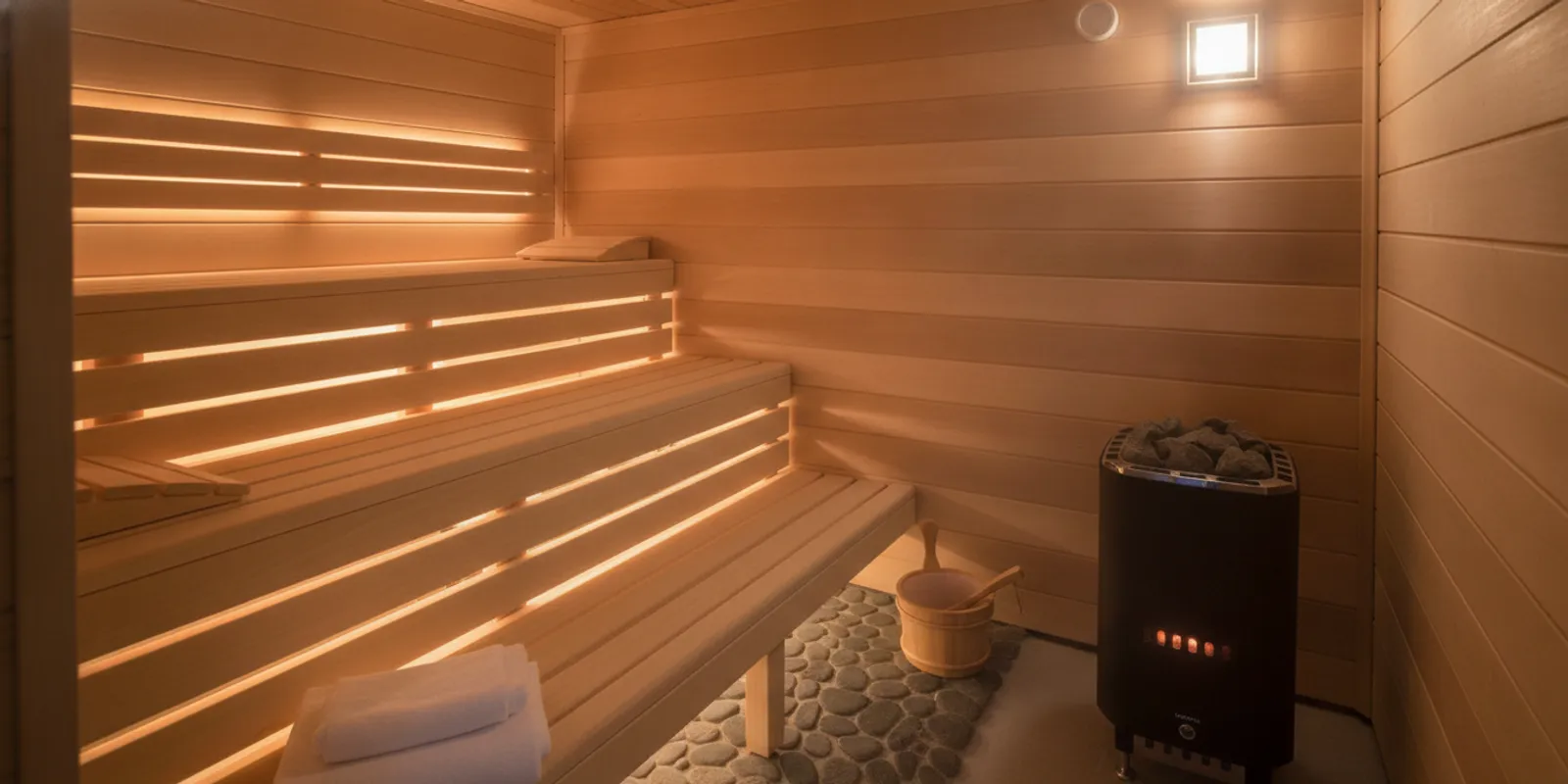
Choosing a home sauna is a bit like choosing your preferred style of exercise. The traditional sauna vs infrared sauna decision comes down to the kind of experience you find most restorative. A traditional sauna is like a vigorous, hot yoga class—intense, immersive, and deeply cleansing. It heats the air around you, challenging your body and leaving you with a powerful sense of release. An infrared sauna is more like a gentle, restorative stretching session. It uses targeted, radiant heat to warm your body from within, soothing sore muscles and allowing for longer, more meditative moments. Both lead to wellness, but they take very different paths to get there.
Key Takeaways
- Choose the Heat That Fits Your Goal: A traditional sauna’s intense, steamy heat is ideal for supporting cardiovascular health. An infrared sauna’s gentle, direct warmth is better suited for targeted muscle recovery and easing chronic pain.
- Match the Sauna to Your Desired Ritual: If you want a powerful, classic sweat session, choose a traditional model. If you prefer a longer, more meditative routine for daily relaxation, an infrared sauna’s lower temperature makes it easier to build a consistent habit.
- Consider Daily Convenience for Consistent Use: The best sauna is the one you use regularly. An infrared model heats up faster and is more energy-efficient, making it simple to use daily. A traditional sauna requires more planning but delivers a uniquely powerful and authentic experience.
Traditional vs. Infrared: How Do They Heat Your Body Differently?
When homeowners start exploring saunas, the first question is usually about the difference between traditional and infrared models. While both are designed to deliver the wellness benefits of heat, they work in fundamentally different ways. Understanding this isn’t about getting lost in technical details; it’s about choosing the experience that best fits your body and your daily routine.
Think of it this way: a traditional sauna heats the air around you, much like a convection oven. The room itself becomes hot, and that hot air warms your body. An infrared sauna, on the other hand, uses specific wavelengths of light to warm your body directly, without needing to heat the air to the same high temperatures. It’s a feeling similar to the warmth of the sun on your skin.
Neither approach is superior. Instead, they offer two distinct paths to the same goal of relaxation, detoxification, and recovery. The choice comes down to personal preference. Do you prefer an intense, steamy heat that feels all-encompassing? Or a gentle, radiant warmth that penetrates deeply? The answer will guide you to the perfect sauna for your home.
The Classic Approach: Heating the Air Around You
A traditional sauna creates the classic experience many of us picture: a wood-paneled room with a central stove heating rocks to a high temperature. These saunas operate between 150°F and 190°F, heating the air to create an intensely hot environment. This hot air then transfers its energy to your body, inducing a deep and powerful sweat. For many, the ritual of ladling water over the hot stones to create a burst of steam, or löyly, is a key part of the appeal. This is a vigorous, enveloping heat that has been a cornerstone of wellness practices for centuries.
The Modern Method: Heating Your Body Directly
An infrared sauna works quite differently. Instead of heating the air, it uses infrared emitters to generate light waves that penetrate your skin and warm your body from the inside out. Because the heat is delivered directly to you, the sauna can operate at much lower and more comfortable ambient temperatures, typically between 100°F and 165°F. This allows the warmth to reach deeper into your muscles and joints without the intense feeling of breathing in super-heated air. The result is a gentle, radiant heat that encourages a profuse sweat at a more tolerable temperature.
What This Means for Your Daily Routine
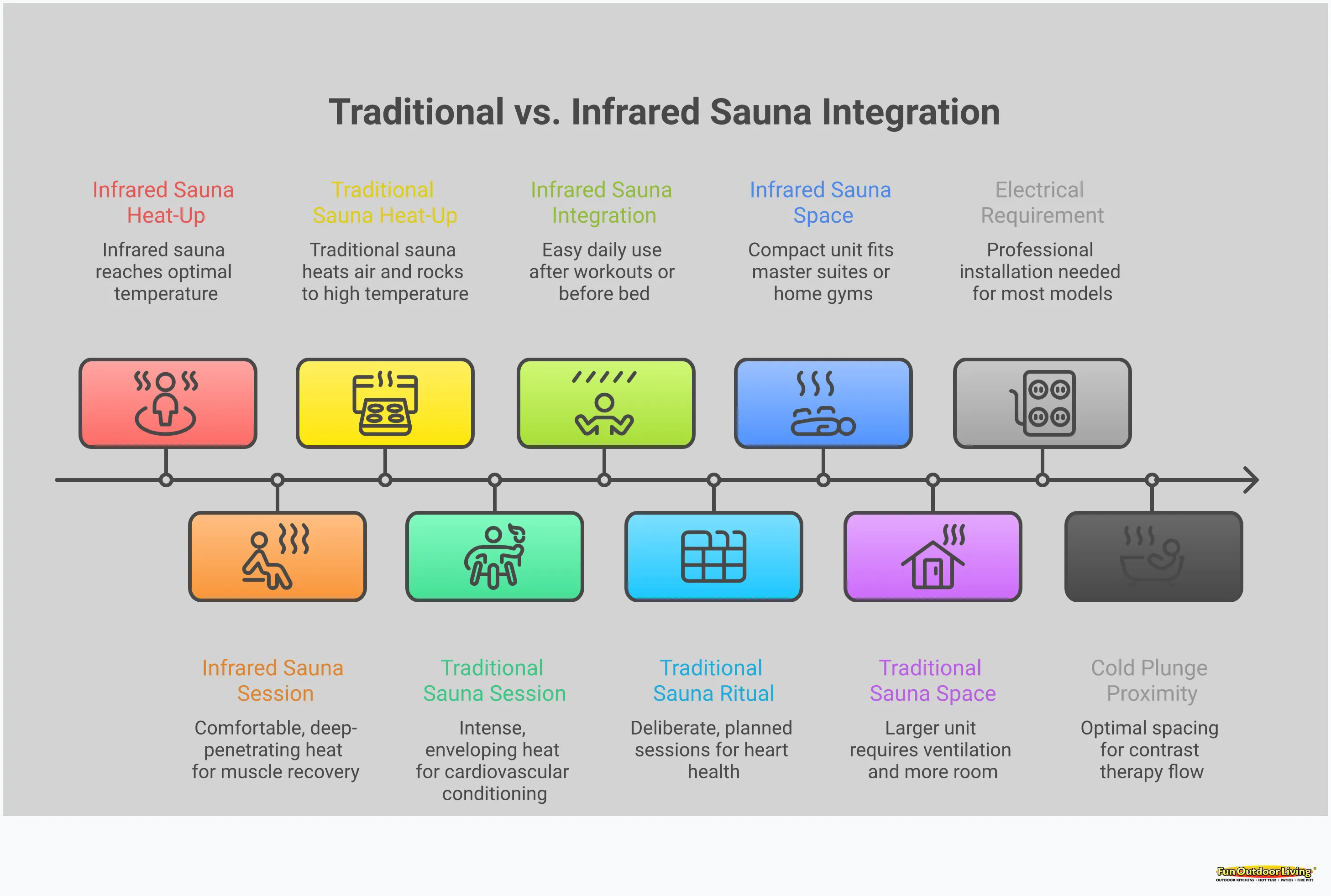
The difference in heating methods directly impacts how a sauna fits into your life. The high heat of a traditional sauna often leads to shorter, more intense sessions. It’s a powerful way to challenge your body and support cardiovascular health before cooling down. In our experience, an infrared sauna’s gentler warmth allows for longer, more meditative sessions. Many homeowners find they can comfortably read or listen to music for 30 minutes or more, making it an ideal choice for deep relaxation or easing chronic pain. This makes it a great addition to a home contrast therapy circuit.
The Feel of the Heat: Temperature, Steam, and Comfort
The way a sauna feels is perhaps the most important part of the experience. It’s not just about getting hot; it’s about the quality of the heat and how it fits into your daily wellness routine. Traditional and infrared saunas offer two very different paths to relaxation and recovery, and the right choice often comes down to personal preference. One provides an intense, enveloping heat that you can feel in the air, while the other offers a gentle, radiant warmth that heats you from within. Understanding this difference is the first step in deciding which ritual is right for your home.
In our experience helping homeowners here in the Carolinas, matching the feel of the heat to your wellness goals is key to creating a routine you’ll stick with for years. Think about what you’re seeking. Are you looking for a powerful, traditional experience that feels like a deep cleanse? Or do you prefer a longer, more meditative session where you can read a book or simply unwind? There’s no wrong answer, but the environment inside the sauna will shape your entire ritual. The choice between humid, high heat and gentle, dry warmth will determine how often you use your sauna, how long you stay in, and how you feel afterward.
The Intense, Humid Heat of a Traditional Sauna
A traditional sauna delivers a powerful, enveloping heat. It works by heating the air in the room, typically between 150°F and 190°F, using an electric stove. This creates an intense, classic sauna experience. The defining feature is the ability to control the humidity by ladling water over hot stones, releasing a wave of steam known as löyly. This burst of humid heat can feel deeply cleansing and is especially helpful for opening up airways and supporting respiratory comfort. It’s a vigorous, authentic ritual that many people find invigorating and deeply purifying.
The Gentle, Dry Warmth of an Infrared Sauna
An infrared sauna provides a more gentle and direct kind of warmth. Instead of heating the air around you, it uses infrared panels to emit light that your body absorbs, warming you from the inside out. The air temperature stays much lower—usually between 120°F and 150°F—making the experience feel less intense. The heat is dry and steady, often compared to the feeling of the sun warming your skin on a cool day. This radiant heat penetrates more deeply into the body’s tissues, encouraging a profuse sweat at a more comfortable temperature.
Which Is Better for Longer, More Relaxing Sessions?
For homeowners looking to enjoy longer, more meditative sessions, an infrared sauna is often the preferred choice. Because the ambient air temperature is lower, you can comfortably stay inside for 30 to 45 minutes without feeling overwhelmed by the heat. This allows more time for the body to relax, for muscles to release tension, and for the mind to quiet down. The gentle warmth is also less taxing on the body, making it a great option for those new to sauna use or anyone managing chronic pain or sensitivity to high heat. It supports a calmer, more sustained wellness ritual.
What Are the Wellness Benefits of a Traditional Sauna?
The traditional sauna is more than just a hot room; it’s a centuries-old practice centered on deep, restorative heat. Unlike an infrared model, a traditional sauna heats the air around you, creating an intense, enveloping environment that encourages a powerful, cleansing sweat. This classic approach offers a distinct set of wellness benefits that homeowners here in the Carolinas have valued for years.
The experience is immersive, asking you to slow down, breathe deeply, and let the heat do its work. For many, the appeal lies in its authenticity. The ritual of ladling water over hot stones to create a wave of steam—known as löyly in Finnish—is a core part of the experience. It allows you to customize the humidity and intensity, making each session your own. This process is deeply connected to benefits for heart health, respiratory comfort, and mental calm. In our experience designing and installing Tylo® saunas, we’ve seen this simple ritual become a non-negotiable part of a homeowner’s daily routine.
Supporting Heart Health with High Heat
One of the most significant benefits of a traditional sauna is its effect on cardiovascular health. The high ambient heat raises your core body temperature, causing your heart rate to increase and blood vessels to widen. This process mimics the effects of moderate exercise, improving circulation and giving your heart a gentle workout. Research has shown that regular sauna use is linked to a lower risk of adverse heart events. It’s a simple, passive way to support your body’s most important muscle, all while you sit back and relax. For homeowners looking to invest in their long-term wellness, this is a powerful and proven benefit.
How Steam Can Help Your Breathing
If you’ve ever felt relief from breathing in steam over a hot cup of tea, you can understand the respiratory benefits of a traditional sauna. When you ladle water onto the hot stones, the burst of humid air can feel incredibly soothing. This warm, moist air helps to open up airways, loosen congestion, and cleanse your breathing passages. For many people, especially during seasons when pollen is high here in the Carolinas, a sauna session can provide temporary relief and a feeling of clearer, deeper breathing. It’s a simple, natural way to support your respiratory system and find comfort.
A Proven Ritual for Stress Relief and Mental Clarity
In a world of constant demands, a traditional sauna offers a true escape. The intense heat encourages you to focus on your body and your breath, making it a powerful tool for mindfulness. As your blood flow improves and your muscles relax, the body’s production of stress hormones tends to decrease. This physical relaxation translates directly to mental calm. We’ve seen homeowners transform their sauna into a personal sanctuary—a quiet, screen-free zone to decompress after a long day. It’s a dedicated space to quiet the mind, relieve tension, and emerge feeling refreshed and clear.
What Are the Wellness Benefits of an Infrared Sauna?
An infrared sauna offers a different path to wellness, one that many homeowners find more approachable for daily use. Instead of heating the air around you to intense temperatures, infrared technology uses gentle light waves to warm your body directly. The result is a deep, penetrating warmth that feels less like an endurance test and more like a therapeutic embrace. This fundamental difference is what makes it such a compelling choice for creating a sustainable home wellness ritual.
Because the air itself remains cooler and less humid, you can often enjoy longer, more comfortable sessions. This makes it easier to build a consistent routine around your sauna, whether you use it to start your day with mental clarity or wind down in the evening. For those who are sensitive to the high heat of a traditional sauna, the infrared experience provides a way to get the wellness benefits—like improved circulation and a deep sweat—without the overwhelming intensity. It’s a modern approach to heat therapy that fits quietly and effectively into a busy life, allowing you to focus on the feeling of recovery, not just the heat.
Targeting Muscle Recovery and Deep Tissue Relief
For anyone who works out, spends weekends doing yard work, or simply deals with everyday stiffness, an infrared sauna can become an essential recovery tool. The infrared waves penetrate tissues and muscles directly, delivering warmth exactly where it’s needed. This is a fundamentally different process than sitting in a hot room; it’s a targeted heat that works from the inside out.
In our experience, this deep warmth is incredibly effective at soothing sore muscles and easing tension. It helps increase blood flow to tired areas, which can speed up the body’s natural repair process. Many homeowners tell us a 20-minute session is all it takes to feel looser, more relaxed, and better prepared for the next day.
A Deeper Sweat for Detoxification
One of the most noticeable effects of an infrared sauna is the quality of the sweat it produces. Because the heat penetrates your body more deeply, it can induce a more profound sweat at a much lower air temperature than a traditional sauna. For many, this feels more productive and cleansing.
You get the feeling of flushing out toxins without having to endure stifling heat, making the experience both powerful and pleasant. This is especially appealing for those who want the benefits of a deep sweat but find high temperatures difficult to tolerate. It’s a gentler way to support the body’s natural detoxification processes and leave you feeling refreshed and renewed from the inside out.
Easing Chronic Pain and Improving Circulation
The gentle, radiant heat of an infrared sauna is particularly well-suited for managing chronic pain and improving circulation. The infrared waves can penetrate several centimeters into the body, helping to relax muscles and dilate blood vessels. This process can provide significant relief for those with joint stiffness, arthritis, or persistent aches.
By encouraging better blood flow, an infrared sauna helps deliver more oxygen and nutrients to areas of the body that need them most. This isn’t a quick fix, but a supportive therapy that, when used consistently, can contribute to long-term comfort and mobility. It’s a simple, non-invasive ritual that supports your body’s ability to feel its best every day.
Matching the Sauna to Your Wellness Goals
Choosing between a traditional and an infrared sauna isn’t about which one is universally “better.” It’s about understanding how each type of heat works and matching it to the results you want to feel in your daily life. One sauna might be better suited for challenging your cardiovascular system, while another offers a gentler path to pain relief.
In our experience helping homeowners in the Carolinas design their wellness spaces, the most satisfied owners are those who chose a sauna that fits their specific goals. Your choice is less about the product and more about the ritual you want to create. Let’s look at a few common wellness goals to see which type might be the best fit.
For Cardiovascular Conditioning
If you’re looking to support your heart health, a traditional sauna is an excellent choice. The high ambient heat warms the air around you, raising your body’s core temperature. This process makes your heart work harder to pump blood and cool down, similar to moderate exercise. Studies show this response can be beneficial for cardiovascular conditioning. For homeowners who enjoy an intense, enveloping heat, the traditional sauna provides a powerful sense of release. It’s a proven ritual for strengthening the heart and improving circulation. We offer a range of Tylo® traditional and infrared saunas that can be integrated into any home.
For Athletic Recovery and Sore Muscles
For easing muscle soreness after a workout, an infrared sauna often feels more targeted. Instead of heating the air, infrared waves penetrate the body directly, warming you from the inside out. Many people find this deep, radiant heat helps soothe tired muscles and reduce stiffness. While the science is still developing, the user experience is clear for many athletes. The gentle warmth is incredibly comforting on sore joints and muscles, making it an ideal end to a workout. It’s also a key component of a full recovery routine, especially when you begin pairing it with a cold plunge to reduce inflammation.
For Detox and Pain Management
Infrared saunas are often preferred for detoxification and managing chronic pain because they allow for longer, more comfortable sessions. Since they operate at a lower temperature, you can enjoy a deep, productive sweat without the intense heat stress of a traditional sauna. This makes it easier to build a consistent daily habit. The deep-penetrating heat can also help increase blood flow. For homeowners dealing with conditions like arthritis or joint pain, this improved circulation can provide gentle, lasting relief. It’s a calm, restorative way to manage discomfort and support the body’s natural healing processes.
How Long Should Your Sauna Session Be?
One of the most common questions we hear from homeowners is about the “right” amount of time to spend in a sauna. The truth is, there’s no single answer. The ideal duration depends on the type of sauna you’re using, your personal health, and your experience level. It’s less about following a strict rule and more about finding a rhythm that feels right for your body and your wellness goals.
The goal is consistency, not intensity. A shorter, regular practice will almost always provide more benefits than an occasional, lengthy session that leaves you feeling drained. Think of it as a daily ritual, not an endurance test. The aim is to step out feeling refreshed and restored, ready for what’s next—whether that’s a productive day or a restful night’s sleep. Understanding how different types of heat affect your body is the first step in creating a routine that serves you well for years to come. In the sections below, we’ll walk through the key considerations for finding the session length that fits your life.
Finding the Right Duration and Frequency for You
The type of heat source is the biggest factor in determining your session length. Because traditional saunas operate at high temperatures, sessions are naturally shorter and more intense, typically lasting between 10 and 20 minutes. This provides a powerful, invigorating heat experience.
In contrast, the gentle, radiant heat of an infrared sauna allows for longer, more meditative sessions. Most people find 30 to 45 minutes to be a comfortable and effective duration. The lower temperature makes it easier for the body to relax into a deep, productive sweat. For many homeowners, this gentler warmth makes a daily sauna routine feel more sustainable and accessible.
Staying Safe and Hydrated
Regardless of which sauna you choose, hydration is essential. Sweating is the goal, but it also means you’re losing fluids that need to be replaced. We recommend drinking plenty of water throughout the day, not just immediately before or after your session.
The intense heat of a traditional sauna can cause you to lose fluid very quickly, so it’s especially important to be well-hydrated beforehand. Infrared saunas produce a deep sweat at a lower ambient temperature, which can make it easier to stay hydrated and reduces the risk of feeling depleted afterward. In our experience, keeping a glass of water nearby and sipping after your session is a simple habit that makes a huge difference in how you feel.
Important Considerations Before You Start
The most important rule of sauna use is to listen to your body. If you ever feel dizzy, uncomfortable, or lightheaded, it’s time to end your session. For beginners, we always advise starting with shorter sessions of just 5 to 10 minutes. This gives your body time to acclimate to the heat. You can gradually increase the duration as you become more comfortable over several sessions.
This is your personal wellness practice, and there’s no need to push your limits. Finally, if you have any pre-existing health conditions, particularly concerning blood pressure or heart health, it’s always best to speak with your doctor before making sauna use a regular part of your life.
What’s It Like to Own a Sauna at Home?
Bringing a sauna into your home is about more than just the wellness benefits—it’s about creating a dedicated space for rest and recovery that’s always available. The idea can feel like a major project, but in our experience, homeowners are often surprised by how seamlessly a sauna can fit into their daily lives. The key is understanding the practical side of ownership: what it needs, what it costs to run, and how it fits into the rhythm of your day. Thinking through these details beforehand is what turns a purchase into a lasting, well-loved ritual.
Space and Installation: What to Plan For
One of the first questions we hear is, “Where will it even go?” The good news is that modern saunas are designed for real homes. From sleek infrared models that can tuck into the corner of a master suite or home gym to more traditional Finnish-style units, there are options for nearly any space. The most important step is planning for the electrical requirements, which is something our professional team handles to ensure everything is safe and functions perfectly. We help homeowners in the Carolinas find the right fit every day, ensuring the final placement feels intentional and integrated, not like an afterthought. A well-planned sauna installation becomes a beautiful, functional part of your home’s design.
Understanding the Long-Term Operating Costs
Beyond the initial investment, the daily cost of running a sauna is a practical consideration. This is where the difference between traditional and infrared models becomes clear. Because infrared technology heats your body directly instead of the entire room, it uses significantly less energy. In fact, running an infrared sauna daily often costs less than $15 a month in electricity, while a traditional sauna might be closer to $30. For most homeowners, this cost is a small price for the daily access to stress relief and muscle recovery. It’s an investment in your well-being that feels manageable and worthwhile over the long term.
Heat-Up Time and Everyday Convenience
How easily a sauna fits into your routine often comes down to convenience. A traditional sauna can take 30 to 45 minutes to reach the ideal temperature, which requires some planning. An infrared sauna, on the other hand, is typically ready in just 10 to 15 minutes. This speed makes a huge difference. It means you can enjoy a spontaneous session after a workout or before bed without a long wait. This accessibility is key to building a consistent wellness habit. When your sauna is ready almost as soon as you are, it’s far easier to make it a non-negotiable part of your day, much like a contrast therapy circuit.
Common Sauna Myths We Hear from Homeowners
When homeowners in the Carolinas start exploring saunas, they often come to us with a lot of questions based on things they’ve read online. It’s easy to get caught up in debates about which technology is superior. In our experience, the best choice isn’t about finding a single “winner”—it’s about understanding the trade-offs and choosing the experience that feels right for your body and your daily routine.
We believe in clearing up the confusion so you can make a calm, confident decision. Let’s walk through two of the most common myths we hear in our showrooms and separate the facts from the fiction.
Myth: One Type is “Better” for Detox
Many people assume that one type of sauna must be more effective for detoxification. The truth is, both traditional and infrared saunas help your body detoxify by inducing a deep sweat. The difference lies in how they achieve it. A traditional sauna uses high air temperatures to make you sweat, creating an intense and cleansing experience. An infrared sauna uses radiant heat to warm your body directly, which promotes detoxification at a lower, more gentle temperature. This often allows for longer, more comfortable sessions. The most effective sauna is the one you’ll use consistently, so the right choice depends on the experience you prefer.
Myth: Hotter Always Means Better
It’s a common belief that the hotter the sauna, the greater the health benefits. While traditional saunas reach impressive temperatures, effectiveness isn’t just about the number on the thermometer. The goal is to achieve a productive sweat that feels restorative, not punishing. Infrared saunas operate at significantly lower air temperatures because they heat your body from the inside out. This deep, penetrating warmth can be more comfortable for longer periods and is often easier on the body, especially for those managing chronic pain or sensitivity to high heat. It’s the quality and consistency of your sweat sessions that matter most, not just the peak temperature.
How to Create a Sauna Ritual That Lasts
A sauna isn’t just a feature in your home; it’s a practice. The real value comes from using it consistently, allowing its benefits to become a natural part of your life. But building a lasting habit isn’t about forcing it. It’s about finding a rhythm that feels supportive, not demanding. In our experience helping homeowners integrate wellness into their backyards, we’ve learned that the most successful sauna rituals are the ones designed to fit the day you already have. It starts with choosing a time that serves a purpose—whether it’s to unwind from work, prepare for a restful night’s sleep, or recover after a workout. The goal is to create a small, protected moment of intention that you look forward to, making it something you want to return to day after day.
Making It a Sustainable Part of Your Day
The key to a sustainable routine is ease. If your sauna session feels like another item on your to-do list, it won’t last. For many, the gentler, direct heat of an infrared sauna makes consistency easier. Because the temperatures are lower, sessions can feel more comfortable and relaxing, encouraging you to linger without feeling overwhelmed. This makes it simpler to pair with other activities, like listening to a podcast or meditating. We’ve seen homeowners have great success by linking their sauna time to an existing habit—a 20-minute session right after a morning workout, for example. By making it a seamless transition, it becomes a rewarding part of a larger wellness practice. Our selection of Tylo® traditional and infrared saunas offers options that fit different lifestyles and routines.
Pairing Your Sauna with a Cold Plunge
For those looking to deepen their wellness practice, pairing the heat of a sauna with the intentional chill of a cold plunge creates a powerful ritual known as contrast therapy. The experience is invigorating: moving from the enveloping warmth of the sauna to the crisp clarity of cold water resets both body and mind. This cycle of hot and cold is known to help reduce inflammation, improve circulation, and sharpen mental focus. It transforms your sauna session from a passive moment of relaxation into an active practice of resilience. We design and build custom contrast therapy spaces that bring this full-body wellness experience right to your backyard, creating a dedicated zone for recovery and rejuvenation.
So, Which Sauna Is Right for Your Home?
Choosing between a traditional and an infrared sauna isn’t about which one is better—it’s about which one is better for you. The right choice depends entirely on the experience you’re looking for and how you see it fitting into your daily life. Both are incredible tools for wellness, but they work in fundamentally different ways.
In our experience, homeowners who love the classic, intense heat of a spa day gravitate toward a traditional sauna. They enjoy the ritual of ladling water over hot stones to create a wave of steam and the enveloping, social warmth it provides. If you’re seeking that powerful, sweat-inducing heat that supports heart health and leaves you feeling deeply cleansed, a traditional model is likely the perfect fit.
On the other hand, if you prefer a gentler, more targeted heat, an infrared sauna is an excellent choice. Instead of heating the air around you, it uses infrared light to warm your body directly. This creates a more comfortable environment, allowing for longer, more relaxing sessions where you can read or meditate. We often recommend this for homeowners focused on easing muscle soreness and joint pain, as the infrared waves penetrate deeper into the tissues. Because they operate at a lower temperature, many people find them more approachable for daily use.
Ultimately, the decision comes down to personal preference. Do you want the intense, humid environment of a traditional sauna or the gentle, penetrating warmth of an infrared model? The best way to truly understand the difference is to feel it. We invite you to visit one of our showrooms to speak with a wellness expert who can walk you through the unique benefits of each, helping you decide which ritual is right for your home and your health goals.
Related Articles
- Your Guide to Infrared Sauna Home Installation
- Your Guide to Sauna Mental Wellness in Charlotte
- Maximize Sauna Benefits for Fitness in Charlotte
Frequently Asked Questions
Which type of sauna is better if I’m just starting out? For homeowners who are new to sauna use, we often find that an infrared model is a more comfortable starting point. The heat is gentler and warms your body directly, so you don’t have to acclimate to breathing intensely hot air. This allows for longer, more relaxing sessions from the very beginning, which makes it easier to build a consistent wellness habit.
How much space do I actually need for a home sauna? You likely need less space than you imagine. Modern saunas are designed to fit into real homes, with compact models that can be placed in the corner of a home gym, master suite, or even on a covered patio. The most important consideration isn’t the footprint, but the planning for proper electrical work, which ensures your sauna operates safely and efficiently for years to come.
What are the ongoing costs of owning a sauna? Beyond the initial investment, the primary ongoing cost is the electricity needed to run the heater. In our experience, infrared saunas are remarkably efficient, often adding less than fifteen dollars to a monthly utility bill with regular use. A traditional sauna requires more energy to heat the entire room, so its operating cost is typically a bit higher, but still very manageable for most households.
How long does it take for a sauna to be ready to use? This really comes down to how you plan to fit a sauna into your daily rhythm. An infrared sauna is usually ready in just 10 to 15 minutes, making it perfect for a spontaneous session after a workout. A traditional sauna requires more planning, as it can take 30 to 45 minutes to reach its ideal temperature. The right choice depends on whether you prefer a deliberate ritual or on-demand relaxation.
Can I combine a sauna with a cold plunge for contrast therapy? Absolutely. In fact, creating a dedicated space for contrast therapy is one of the most popular wellness upgrades we design for homeowners. Moving from the deep, restorative heat of a sauna to the crisp, clarifying chill of a cold plunge is an incredible way to reduce inflammation, boost circulation, and sharpen your mental focus. It transforms your sauna from a place of relaxation into a powerful tool for recovery.