For many families, the backyard debate comes down to a pool versus a swim spa. While a pool is a classic choice for summer fun, a swim spa is a year-round wellness tool. Comparing them isn’t just about the upfront price; it’s about how each one fits into your daily life and your long-term budget. A swim spa is a self-contained system designed for efficiency, from its compact footprint to its insulated cover. To make a confident decision, you need to look beyond the initial quote. This guide explores the true cost of owning a swim spa, including its lower maintenance needs and four-season usability, giving you a complete picture of the investment.
Key Takeaways
- Think Beyond the Spa Itself: A realistic budget includes not just the swim spa unit, but also the essential site prep like a concrete pad and the necessary electrical work. Planning for these upfront costs ensures a smooth and predictable installation.
- Budget for Predictable Monthly Expenses: Expect to spend between $50 and $100 per month on electricity and water care. This cost is kept manageable by modern insulation and using a quality thermal cover, making year-round use surprisingly affordable.
- Prioritize Quality for Lower Long-Term Costs: The single best way to reduce running costs is to choose a well-insulated model from the start. This initial investment, combined with simple habits like regular water testing, protects your equipment and ensures a more enjoyable ownership experience.
What Is the Upfront Cost of a Swim Spa?
When you begin to plan for a swim spa, it’s helpful to think of it as a complete backyard project, not just a single purchase. The initial investment includes the swim spa unit itself, but also the essential steps to prepare your space for its arrival. Understanding these components from the start helps you create a clear and realistic budget, ensuring the entire process feels smooth and predictable. The goal is to make a confident decision that fits both your home and your wellness goals.
How Model Choice Affects Price
The price of the swim spa unit itself is the largest part of your initial investment. Generally, you can expect prices to range from around $15,000 to over $50,000. This wide range is influenced by a few key factors: the spa’s size, the power of its swim current, and the number of hydrotherapy features. A larger, dual-temperature model designed for intense athletic training will naturally sit at the higher end, while a more compact model for gentle fitness and relaxation will be more accessible. Brands like Endless Pools® Fitness Systems are known for their quality engineering and long-term reliability, which is reflected in the cost and the ownership experience.
Planning for Installation and Site Prep
A swim spa needs a solid, perfectly level surface to support its weight. For most homeowners in the Carolinas, this means installing a reinforced concrete pad. The cost of this foundation is a key part of your site preparation budget. You’ll also need to consider how the swim spa will get into your backyard. While many installations are straightforward, a crane is sometimes needed for homes with limited access. This is why you typically work with a local dealer. We handle the logistics, including delivery and standard installation, so you have a clear, all-in-one plan. A free home consultation is the best way to map out these specific needs.
Understanding Permit and Electrical Needs
Nearly all swim spas require a dedicated electrical connection to power the pumps, heaters, and jets safely. This work must be completed by a licensed electrician. The cost will depend on how far your swim spa’s location is from your home’s main electrical panel. In our experience, planning for this step early prevents surprises down the road. Additionally, some local municipalities may require a permit for the electrical work or the new concrete pad. As a local builder, we are familiar with these requirements and can help you understand what’s needed for your specific area, ensuring your installation is done right from the start.
What Does It Cost to Run a Swim Spa Monthly?
Beyond the initial investment, the most common question we hear from homeowners is about the ongoing cost of ownership. Understanding the monthly expenses helps you plan your budget and feel confident in your decision. The good news is that modern swim spas are designed for efficiency, and their running costs are often much lower than people expect.
Your monthly budget will consistently cover three main areas: electricity for heating and operation, water care chemicals, and occasional maintenance supplies like filters. By choosing a quality model and establishing a simple routine, you can keep these costs predictable and manageable. This makes your swim spa a seamless part of your daily life, not a source of financial stress.
Electricity and Heating
This is typically the largest and most variable part of your monthly swim spa cost. For general operation, including running the pumps and jets, most swim spas use between 150 and 300 kilowatt-hours of electricity per month. The more significant expense is heating the water, which can add another $30 to $100 to your bill depending on the season and your preferred temperature.
Here in the Carolinas, our milder climate helps, but you will notice an increase during the colder winter months. The key to managing this is a high-quality, well-insulated swim spa and a properly fitted cover. Premium models from brands like Endless Pools® Fitness Systems are built to retain heat, which directly reduces the amount of energy needed to keep your water ready for you.
Water Care and Chemicals
Keeping your swim spa water clean, clear, and safe is a small but essential ongoing expense. Most owners spend between $20 and $80 a month on water care supplies. This includes sanitizing chemicals to keep the water healthy and balancing agents to maintain the proper pH. This not only protects the spa’s components but also feels better on your skin.
A simple weekly testing routine is all it takes to stay on top of water chemistry. When your water is consistently balanced, you use fewer chemicals over time. If you ever feel unsure about your water’s needs, you can always bring a sample to one of our showrooms for a free water analysis. We’re here to make the process feel simple and straightforward.
Filters and Maintenance Supplies
This final category covers the supplies that you don’t purchase every month but should still factor into your budget. The most important of these are the filters, which are critical for keeping your water clean and the spa’s equipment running smoothly. Swim spa filters generally need to be replaced about once a year. Setting aside a small amount each month for this makes it a predictable expense rather than a surprise.
Other minor supplies might include a skimmer net or specialized cleaning tools. By following a simple maintenance schedule, you ensure your swim spa operates efficiently for years. For any long-term needs, our in-house certified service technicians are always available to help you protect your investment.
What Factors Influence Long-Term Costs?
The monthly cost of running a swim spa isn’t a single, fixed number. It’s a flexible figure that changes based on a few key factors: how you use it, where you live, and the quality of the model you choose. Understanding these variables helps you see the full picture of ownership and appreciate how a well-designed system makes a difference over time. In our experience, homeowners who know what to expect feel more confident and get more enjoyment from their investment. These details are what separate a good experience from a great one, ensuring your swim spa remains a source of relaxation, not a surprise on your utility bill.
How You Use Your Spa
A swim spa that’s used daily for fitness and family fun will naturally have different operating costs than one used a few times a week. The more you use your spa, the more often you’ll need to balance the water and run the pumps, which influences your spending on water care products. Setting a higher water temperature also requires the heater to work more consistently. This isn’t a downside; it’s simply a reflection of how much value you’re getting from your investment. For those who want to simplify their routine, our spa valet services can handle the regular maintenance for you.
Our Local Carolina Climate
Here in the Carolinas, we enjoy beautiful, distinct seasons, and that plays a role in your swim spa’s energy use. During our warm summers, the heater won’t have to work very hard to maintain your desired temperature. In the cooler months of late fall and winter, however, it will run more often to keep the water warm against the colder air. This is where a high-quality, well-fitted cover becomes essential. It acts as a perfect seal, trapping heat and dramatically reducing the energy needed to keep your spa ready for a spontaneous evening soak, even on a chilly night.
The Role of Insulation and Efficiency
The initial quality of your swim spa has the single biggest impact on your long-term costs. Premium models from brands like Endless Pools® are built with superior, multi-layer insulation that can significantly cut down on heating energy. Just as insulation in your home keeps it comfortable, the same principle applies here. Investing in a model with energy-efficient pumps and components also saves you money over time. These quiet, reliable parts do their job using less electricity, which translates directly to lower monthly bills and a more peaceful ownership experience for years to come.
How Does a Swim Spa Compare to a Pool?
For homeowners in the Carolinas, the choice between a swim spa and a traditional pool often comes down to how you envision your daily life. Both offer a place to cool off and gather with family, but they serve very different purposes when it comes to year-round wellness, maintenance, and the overall investment. A pool is a seasonal centerpiece for entertainment, while a swim spa is a year-round hub for fitness, relaxation, and hydrotherapy.
The right decision isn’t about which one is better, but which one fits the rhythm of your life and the layout of your backyard. To make a confident choice, it helps to look at the comparison from three angles: the initial investment and space required, the ongoing costs to run and maintain it, and the long-term value it brings to your home and lifestyle. In our experience, understanding these trade-offs is the key to creating a backyard you’ll love for years to come.
Upfront Investment and Backyard Space
The most immediate difference between a pool and a swim spa is the footprint. A traditional in-ground pool requires significant excavation and a large, dedicated area of your yard. A swim spa, by contrast, is a self-contained unit that offers a compact and efficient alternative. This makes it a practical fit for smaller backyards or for homeowners who want to preserve green space.
While a custom pool project can easily exceed six figures, a high-quality Endless Pools® Fitness System typically has a lower upfront cost. The installation is also simpler and faster, often taking days instead of months. This means you can start enjoying the benefits of aquatic fitness and relaxation much sooner, without the prolonged disruption of a major construction project.
Ongoing Energy and Maintenance Costs
Many homeowners assume that heating a body of water year-round will be expensive, but a swim spa is built differently than a pool. Unlike an open pool that loses heat to the air, a swim spa is fully insulated and comes with a thick, locking cover. This design retains heat far more effectively, leading to surprisingly manageable energy bills, even through a Carolina winter.
This efficiency extends to maintenance as well. Because a swim spa holds significantly less water than a pool, you’ll spend less time and money on chemicals and water care. The filtration systems are powerful and self-contained, simplifying the weekly routine. For many, this means less time spent on upkeep and more time focused on wellness, recovery, and family fun.
Long-Term Value
The true value of a swim spa is measured in daily use. While a pool is often closed for half the year, a swim spa offers year-round opportunities for low-impact exercise, hydrotherapy, and relaxation. This consistent access to wellness is a lifestyle investment that pays dividends in stress relief, better sleep, and improved fitness.
A thoughtfully designed installation also enhances your property’s appeal. When a swim spa is integrated into a deck or patio, it becomes a beautiful and functional feature of your home. Choosing a durable, well-built model from a trusted local dealer ensures you have reliable performance and expert service for years. That peace of mind is a core part of its long-term value, something we help homeowners plan for with every free home consultation.
What Other Costs Should You Plan For?
Beyond the initial purchase and the monthly utility bill, a few other long-term costs are part of owning a swim spa. Thinking about these from the start helps create a complete financial picture and ensures that your experience remains relaxing and predictable for years to come. These aren’t surprises to be worried about; they are simply the realities of owning a durable piece of wellness equipment.
Just like a car needs new tires or a home needs a fresh coat of paint, a swim spa has a few components that require attention over its long life. Planning for these occasional expenses makes ownership feel effortless. It allows you to focus on what matters: your daily fitness routine, your evening relaxation, and the time you spend connecting with family. By understanding the full scope of ownership, you can budget with confidence and enjoy the peace of mind that comes with being prepared.
Insurance and Property Taxes
A permanently installed swim spa is considered a home improvement, which means it can increase your property’s value. This is especially true in the Carolinas, where outdoor living is a core part of the lifestyle. If you live in a community where pools and spas are common, adding one can be an important factor in maintaining your home’s competitive value. It’s a good practice to call your homeowner’s insurance agent to let them know about your new addition. They can advise you on any necessary policy adjustments to ensure you’re fully covered, giving you confidence in your investment.
Service and Repairs Over Time
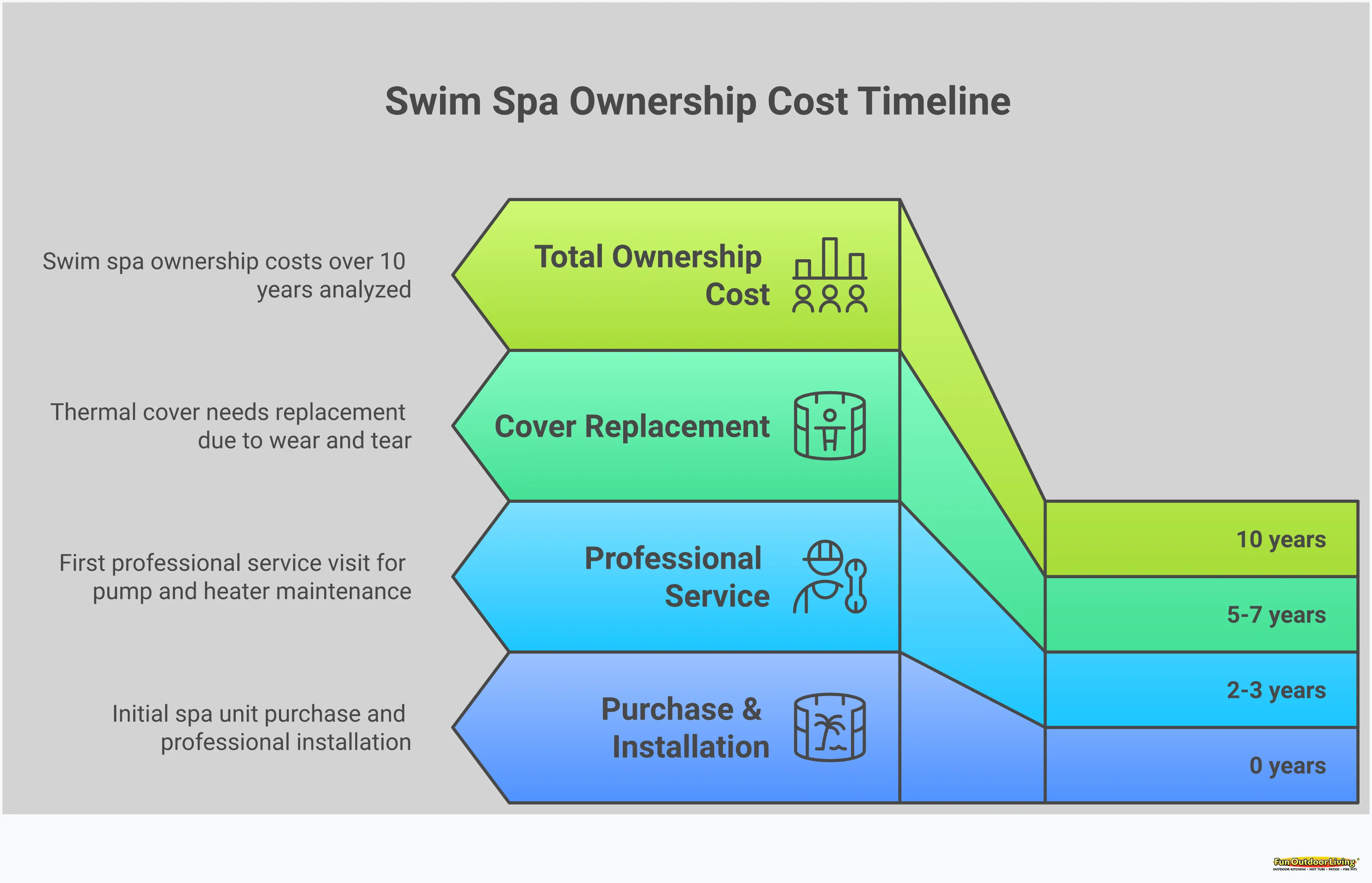
A swim spa is a sophisticated piece of equipment with pumps, heaters, and control systems designed for year-round use. While models from trusted brands like Endless Pools® Fitness Systems are built for reliability, all mechanical systems will eventually require professional service. Choosing a well-built model from a trusted local partner helps secure long-term value and peace of mind. We believe in supporting what we sell, which is why our in-house team provides certified service and repairs for every spa we install. Planning for an occasional service call every few years is a realistic way to ensure your spa performs beautifully for decades.
Cover Care and Replacement
Your swim spa cover is one of its most important components. It ensures safety, keeps debris out, and is essential for retaining heat and keeping energy costs low. Because it’s exposed to sunlight and weather, the cover is a wearable item that will eventually need to be replaced, typically every five to seven years. A high-quality, well-fitting cover is part of a thoughtful installation that harmonizes with your backyard design. Proper care can extend its life, but setting aside a small amount for its eventual replacement is a smart part of any long-term swim spa budget.
Common Misconceptions About Swim Spa Costs
When homeowners in the Carolinas consider a swim spa, questions about long-term costs are completely natural. It’s a significant addition to your home, and you want to understand the full picture of ownership, not just the initial price. We find that many initial assumptions about cost are based on older technology or comparisons to traditional swimming pools. The reality of owning a modern, well-insulated swim spa is often much more manageable than people expect.
A high-quality swim spa is engineered for efficiency, from its heating systems to its daily maintenance routines. It’s designed to be a part of your daily life, not a constant drain on your time or budget. Understanding how these systems work helps clear up the most common myths we hear. Many people worry about skyrocketing energy bills or spending every weekend balancing chemicals, but the experience of owning a modern swim spa is far simpler. The technology has advanced significantly, focusing on insulation, water care automation, and smart heating that minimizes waste. Let’s look at three key areas where the true cost of ownership might surprise you: energy use, maintenance time, and the efficiency of different model types. By separating fact from fiction, you can make a decision that feels confident and right for your family’s lifestyle.
The Truth About Energy Bills
The biggest concern we hear revolves around the monthly utility bill. It’s easy to assume that heating a large body of water year-round will be expensive, but a swim spa is built very differently than a pool. Its smaller water volume, full-foam insulation, and a custom-fit, locking thermal cover all work together to trap and retain heat. This design means the heater runs far less often to maintain your desired temperature.
In our experience, a quality Endless Pools® Fitness System is designed for efficient, year-round use, even through a Carolina winter. Unlike a pool that you might close for several months, your swim spa is always ready for a morning workout or an evening soak. The key is the system’s ability to hold its temperature, which keeps energy consumption steady and predictable.
How Much Maintenance Is Really Required?
Another common worry is that a swim spa will become a time-consuming chore. While it does require regular attention, the routine is much simpler than caring for a full-sized pool. Because a swim spa holds significantly less water, balancing the chemistry is a faster and more straightforward process. You’ll use fewer chemicals, and the advanced filtration systems do most of the heavy lifting for you.
Most owners find that a few minutes each week is all it takes to test the water and add any necessary products. And with simple tools like our free water analysis available at any showroom, keeping your water balanced becomes a quick and easy task. The goal is to spend your time enjoying the benefits of your spa, not working on it.
How Dual-Zone Models Affect Operating Costs
At first glance, a dual-zone swim spa, which has separate areas for swimming and hydrotherapy, might seem like it would double your operating costs. In reality, these models are often more energy-efficient. The two zones allow you to set different temperatures, which is where the savings come in. You can keep the large swim lane at a comfortable 85 degrees for exercise while heating only the small spa section to a therapeutic 102 degrees.
This targeted approach means you aren’t wasting energy by overheating the entire unit just to enjoy the hot tub. It gives you the flexibility to use each side as needed without compromise. For homeowners who want both a world-class workout and a dedicated space for relaxation, a dual-zone model provides the best of both worlds with surprising efficiency.
How to Keep Running Costs Low
Long-term enjoyment of your swim spa comes from feeling confident about its operating costs. The good news is that modern swim spas are designed with efficiency in mind, and keeping monthly expenses predictable is simpler than you might think. It comes down to a few thoughtful choices upfront and a handful of easy habits once your spa is installed. In our experience, homeowners who understand these fundamentals feel more in control and get more value from their investment over time.
Choosing Energy-Efficient Features
The most significant factor in your swim spa’s running cost is how well it retains heat. Think of it like a high-quality thermos. Models with full-foam insulation and custom-fit covers hold their temperature, which means the heater runs far less often. This is especially important for us here in the Carolinas, where we have both chilly winter nights and hot summer days. Quality insulation works year-round to keep your energy use steady.
Beyond insulation, look for models with energy-saving components, like variable-speed pumps. Instead of running at full power all the time, these pumps adjust to use only the energy needed for filtration or powering the jets. This quiet, efficient operation is a hallmark of premium systems like the Endless Pools® Fitness Systems we carry.
Developing a Simple Maintenance Routine
A simple maintenance routine is the key to preventing small issues from becoming costly problems. The most important habit is testing your water weekly. When water chemistry is balanced, it not only feels better on your skin but also protects the spa’s pumps, heater, and internal plumbing from corrosion or buildup. This consistency helps you use fewer chemicals over time and extends the life of your equipment.
This doesn’t have to be a complicated chore. Many homeowners find it becomes a quick, five-minute part of their weekend. To make it even easier, you can always bring a sample to any of our showrooms. We offer a free water analysis to help you keep everything perfectly balanced without the guesswork.
Managing Temperature and Use
Your temperature setting has a direct impact on energy use. We’ve seen that lowering the set temperature by just a degree or two can reduce heating costs noticeably over a month. It’s about finding the sweet spot that feels comfortable for your family without heating the water more than necessary. A high-quality, well-sealed cover is your best friend here, as it locks in heat when the spa isn’t in use.
Of course, the more you use your swim spa, the more energy and chemicals it will consume. But the goal is to use it. Regular maintenance, like cleaning your filters and ensuring the cover is secure after each use, helps your pumps and heater function at peak efficiency, giving you the freedom to enjoy your investment without worry.
Connecting the Cost to Your Daily Wellness
When we talk about the cost of a swim spa, it’s easy to focus only on the initial price and monthly upkeep. But the real value isn’t in the equipment; it’s in how it changes your daily life. A swim spa is an investment in your health, your peace of mind, and your time. It brings fitness, recovery, and relaxation right to your back door, available whenever you need it.
Instead of thinking about it as just another home improvement project, consider it a permanent upgrade to your daily wellness routine. The cost becomes less about a one-time purchase and more about the ongoing return you get in better health, more family time, and a quiet space to recharge. Over the years, we’ve seen that homeowners who use their swim spa consistently find its value extends far beyond what they originally paid. It becomes a central part of how they live, move, and feel every day.
At-Home Fitness and Strength
A swim spa brings the benefits of a full-size pool and a home gym into one compact, efficient system. It’s your personal space for low-impact exercise, whether you’re swimming against a gentle current or using the water’s resistance for strength training. For homeowners here in the Carolinas, this means no more driving to a crowded gym or trying to fit a workout into a busy schedule. Your fitness routine is always just a few steps away. This convenience makes it easier to stay consistent, which is the key to seeing real results in your strength and cardiovascular health.
Daily Stress Relief and Recovery
Beyond fitness, a swim spa is a powerful tool for daily recovery. The combination of warm water and targeted jets creates the perfect environment for hydrotherapy, helping to ease sore muscles, reduce joint stiffness, and quiet a busy mind. Many homeowners find it becomes an essential evening ritual, a way to transition out of the workday and prepare for a restful night’s sleep. When you factor in the long-term benefits of better sleep and lower stress, the value of that daily relief becomes clear. It’s an investment in feeling your best, day in and day out.
The Value of Year-Round Use
Unlike a traditional swimming pool that sits unused for much of the year, a swim spa is designed for four-season enjoyment. Because you can control the water temperature, it’s just as inviting on a cool autumn evening as it is on a warm summer day. This year-round access means you get more value from your investment. You can maintain your fitness routine through the winter and enjoy a warm soak whenever you like. This consistent availability makes a swim spa a more practical and valuable addition to your home, providing wellness benefits every month of the year.
How to Plan Your Swim Spa Budget
Thinking about the financial side of a swim spa helps ensure the entire experience feels comfortable, from the day it arrives to the years of enjoyment that follow. A clear budget isn’t just about the initial price; it’s about creating a predictable plan for ownership. By looking at the complete picture, you can move forward with confidence, knowing exactly what to expect. This approach turns a major purchase into a manageable and rewarding investment in your family’s wellness and daily life.
Understanding Financing and Payment Options
A swim spa is a significant addition to your home, and you don’t have to pay for it all at once. Most homeowners find that a payment plan makes the investment feel much more approachable. While options like personal loans or home equity lines of credit are common, many find that working directly with their dealer is the simplest path. We offer several financing options designed to fit different budgets, often with competitive rates and flexible terms. The goal is to find a monthly payment that feels comfortable, allowing you to enjoy the benefits of your swim spa without financial stress.
Setting Aside a Fund for Future Needs
Just like a car or any other major home appliance, your swim spa will have minor needs over its long life. Planning for this from the start is a smart way to ensure peace of mind. We recommend setting aside a small fund for future maintenance, like a cover replacement every five to seven years or an occasional service call. Choosing a well-built model from a trusted brand like Endless Pools significantly reduces the likelihood of unexpected issues. This foresight isn’t about anticipating problems; it’s about ensuring your wellness investment remains a source of relaxation, not worry.
How to Estimate Your Monthly Budget
One of the most common questions we hear is, “What will this cost me each month?” For most homeowners here in the Carolinas, running a swim spa typically adds between $50 and $100 to monthly utility bills. This covers electricity for heating and running the jets, plus water care products. During colder winter months, you can expect heating costs to be on the higher end of that range. By comparison, this is often significantly less than a family gym membership, and you get the convenience of having a world-class fitness and recovery tool just steps from your back door.
Is a Swim Spa the Right Fit for Your Home?
Deciding on a major addition to your backyard is about more than features and specifications. It’s about understanding how it will weave into the fabric of your daily life. A swim spa is a unique investment because it serves so many different needs at once, from fitness and recovery to family fun and quiet relaxation. The right question isn’t just what a swim spa does, but how it will feel to have one as a permanent part of your home. For many Carolina homeowners, it becomes the reliable heart of their backyard.
How It Fits into Family Life
A swim spa is a thoughtful blend of a pool and a hot tub, offering a compact, year-round hub for activity without requiring a full-scale pool installation. Because of its smaller footprint, it can be integrated into existing decks, patios, or other intimate corners of your yard. We’ve seen them become a four-season destination for the whole family. It’s a space where kids can play safely, adults can enjoy a low-impact workout against the current from an Endless Pools® Fitness System, and everyone can gather to relax in the hydrotherapy seats. It offers the joy of water without demanding the entire backyard.
The Experience of Long-Term Ownership
Over time, the true value of a swim spa reveals itself in daily routines. The initial excitement evolves into a dependable source of wellness, whether it’s a morning swim to start the day with clarity or an evening soak to ease muscle tension. The long-term benefits to your health and well-being often become the most cherished part of ownership. A thoughtful design that integrates the spa beautifully into your landscape ensures it feels like a natural extension of your home. Knowing it’s backed by reliable local service adds to the experience, making it less about the object itself and more about the consistent peace of mind it provides.
Related Articles
Frequently Asked Questions
What’s a realistic all-in budget for a swim spa project? It’s helpful to think in terms of a complete project budget, not just the price of the unit. While the swim spa itself is the largest component, you should also plan for the concrete pad, electrical work, and delivery. A good starting point for the entire project is often in the $25,000 to $60,000+ range, depending on the model you choose and the specifics of your backyard. A home consultation is the best way to get a clear, detailed quote for your specific space.
How much will my monthly utility bill actually go up? For most homeowners in the Carolinas, a modern, well-insulated swim spa adds between $50 and $100 to their monthly electric bill. This covers both heating the water and running the pumps. The final amount depends on the season, your set temperature, and how often you use it. The most important factor in keeping this cost low is the quality of the spa’s insulation and cover, which is why investing in a well-built model makes a significant difference over time.
Can I really use a swim spa year-round in the Carolinas? Yes, and that is one of its greatest advantages. Unlike a traditional pool that you close for several months, a swim spa is designed for four-season use. The insulated shell and locking thermal cover are very effective at holding heat, even on a chilly winter evening. This means your investment provides wellness and recreation opportunities every month of the year, not just during the summer.
Is a swim spa cheaper to own than a traditional pool over time? When you consider the total cost of ownership, a swim spa is often more economical than an in-ground pool. The initial installation is typically less expensive and complex. On an ongoing basis, you’ll spend less on water care chemicals because of the smaller volume of water, and the energy costs are more manageable due to superior insulation and a thermal cover.
What is the most important factor for keeping long-term costs down? The single most important decision you can make is choosing a high-quality, well-insulated swim spa from the start. An energy-efficient model with a perfectly fitted cover will save you a significant amount of money on heating costs over the life of the spa. This initial investment in quality pays for itself through lower monthly bills and a more reliable ownership experience for years to come.