Building anything in the Carolinas means planning for our unique climate. The humidity and seasonal temperature shifts affect everything, including a home sauna. When placed in a garage, these factors become even more important. Proper insulation, ventilation, and moisture control are not just details; they are the foundation of a sauna that will perform beautifully for years to come. Because we manage every garage sauna installation NC with our in-house teams, we’ve learned what works best for homes in this region. This guide shares that hands-on experience, explaining how to prepare your space correctly and what to look for in a sauna built to handle our local conditions.
Key Takeaways
- Look beyond the sauna’s price tag: A successful garage sauna project includes the cost of the unit plus professional installation, a dedicated electrical circuit, and any required local permits. Planning for these elements upfront ensures a safe and complete installation without surprises.
- A single, experienced installer is key: Choosing a local company that manages the entire process, from design and permits to electrical work, prevents common delays and ensures accountability. This integrated approach is the simplest path to a correctly installed sauna.
- Your garage needs the right preparation: To handle North Carolina’s humidity, your sauna installation must include proper ventilation and a vapor barrier. A solid, level floor like concrete is ideal, as it provides a durable foundation that resists moisture.
Planning a Garage Sauna in North Carolina: What to Know
A garage is often the perfect spot for a home sauna. It’s practical, accessible, and usually has the space you need. But turning a corner of your garage into a wellness retreat requires a bit of planning, especially here in the Carolinas. The right approach ensures your sauna is not only a joy to use but also a lasting addition to your home.
Thinking through the details upfront, from climate considerations to electrical needs, makes the entire process smoother. It’s about creating a space that works for your home and your lifestyle, so every session feels like a seamless escape.
How Our Climate Affects Your Sauna
North Carolina’s humidity is a key factor when planning a garage installation. The moisture in our air means your sauna needs to be built to withstand a wide range of conditions. Proper insulation and a well-sealed vapor barrier aren’t just details; they’re essential for preventing moisture from getting trapped in your garage walls. This is critical for long-term durability and performance.
In our experience, choosing the right materials makes all the difference. Quality wood and professional construction ensure your sauna can handle the seasonal shifts without warping or damage. Investing in a well-built unit like a Tylo sauna means you get a space designed to perform beautifully for years, no matter the weather outside.
Planning Your Garage Layout
Before you do anything else, take a good look at your garage space. Think about where the sauna will fit best. A cozy sauna for two people typically needs a footprint of about 4 feet by 4 feet, while a larger family model might require a 6-by-8-foot area. You’ll also want to leave enough clearance around the unit for comfortable entry and maintenance.
Consider the daily flow of your garage. Will the sauna block access to storage or your car doors? Is it located near a suitable power source? Mapping out the location helps you visualize how it will integrate into your routine. If you’re unsure how to make it all work, a free home consultation can help you find the perfect layout for your specific space.
Understanding Electrical and Ventilation Needs
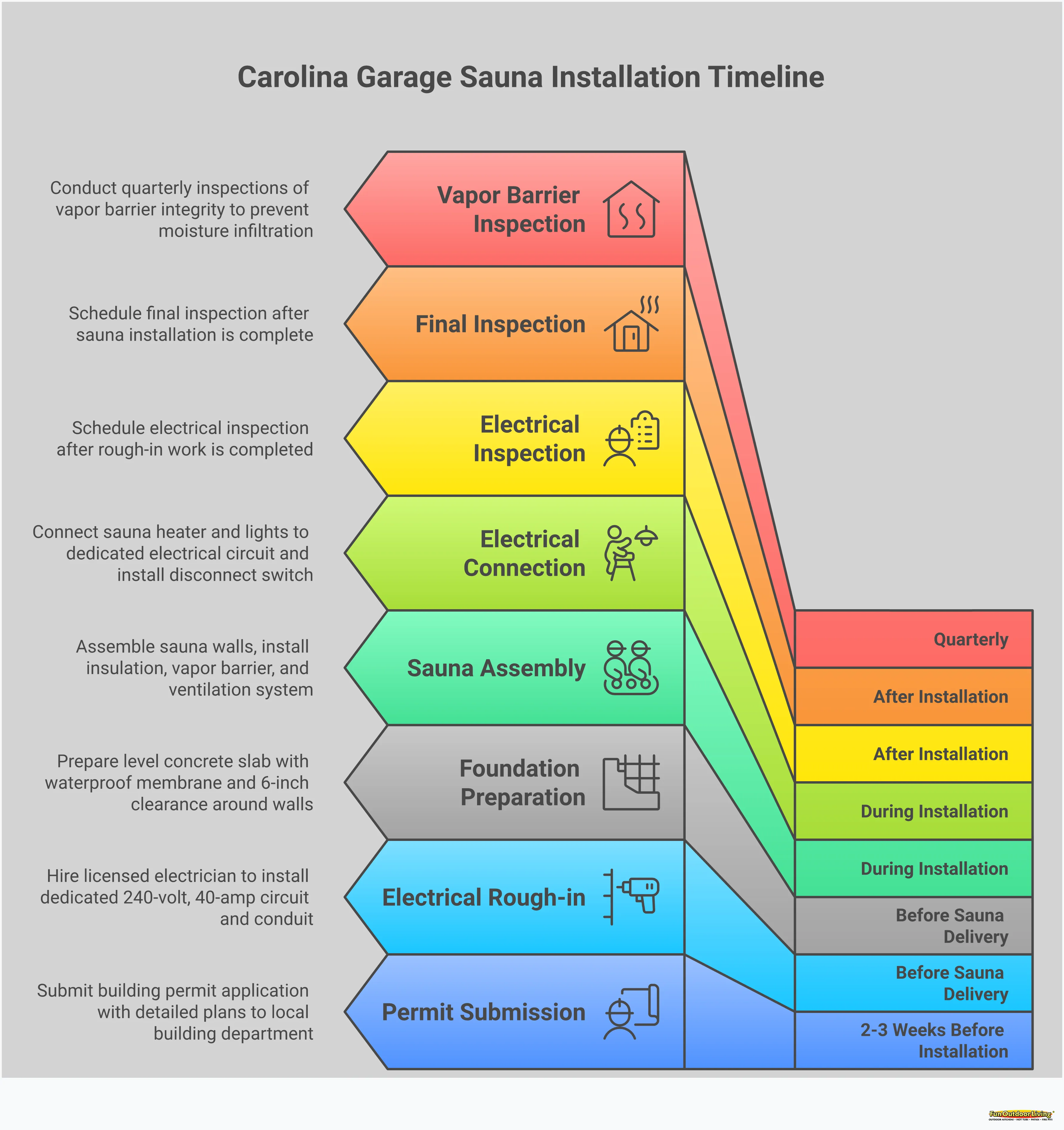
Proper electrical work and ventilation are the foundations of a safe and enjoyable sauna. Most electric and infrared saunas require a dedicated 240-volt circuit, similar to an electric dryer or oven. This isn’t a DIY project; a licensed electrician must handle the wiring to ensure it meets all local and national codes for your safety.
Ventilation is just as important. Good airflow keeps the sauna feeling fresh and prevents the stuffy, humid conditions that can lead to mold or mildew. A simple intake and exhaust system allows fresh air to circulate, managing moisture and creating a healthier environment. Our in-house construction teams handle these details, ensuring your installation is done right from the start.
Which Sauna is Right for Your Garage?
Choosing a sauna for your garage isn’t just about picking a model; it’s about deciding how you want to feel and how the unit will fit into your home’s existing footprint. The right sauna becomes a seamless part of your daily wellness routine, while the wrong one can feel out of place. The decision comes down to three main factors: the type of heat you prefer, the practical needs of a garage environment, and the physical space you have available.
Because we design and install these spaces throughout the Carolinas, we’ve learned what works best for local homes. A garage offers a convenient, out-of-the-way location, but it also has unique considerations for ventilation, flooring, and electrical wiring. Thinking through these details beforehand ensures your sauna is a source of relaxation, not a project with hidden complications. The goal is to create a personal sanctuary that feels intentional, safe, and perfectly suited to your lifestyle.
Traditional vs. Infrared: Making the Choice
The first choice you’ll make is between the two main types of sauna experiences: traditional and infrared. A traditional sauna uses a heater to warm stones, which then heat the air around you, creating an enveloping, high-temperature environment. It’s the classic hot and steamy experience, perfect for those who love intense heat and the ritual of pouring water over the rocks. An infrared sauna, on the other hand, uses infrared light to heat your body directly, providing a gentler warmth at a lower air temperature.
For garage installations, we often see homeowners lean toward infrared models. They typically require less energy, produce less moisture, and are well-suited for smaller spaces or areas with lower ceilings. However, if you have a larger, well-ventilated garage and crave that classic steam, a traditional Tylo® sauna is an excellent choice. It’s less about which is better and more about which experience aligns with your wellness goals.
Key Features for a Garage Sauna
A garage is a practical spot for a sauna, but it requires a few specific considerations to ensure safety and longevity. Proper ventilation is the most important. A sauna needs a steady flow of fresh air to keep the environment comfortable and prevent moisture buildup, which can lead to mold or mildew over time. Most modern sauna kits include built-in ventilation systems, and a garage often provides easy access to an exterior wall or window to help with air circulation.
Flooring is another key detail. You’ll want a surface that can handle heat and potential moisture without warping or damage. In our experience, concrete, tile, or durable vinyl are the best options for the area around the sauna. We advise against placing a sauna directly on carpet or unprotected wood, as these materials can degrade over time. Thinking through these practical features helps protect both your sauna and your home.
Choosing the Right Size and Layout
Before you fall in love with a specific model, it’s important to measure your space carefully. A compact sauna designed for one or two people might only need a 4-foot by 4-foot area, making it a great fit for the corner of a garage. If you envision using the sauna with family or friends, you might look at a larger model, perhaps 6 feet by 8 feet or more.
Beyond the sauna’s footprint, you also need to plan for adequate clearance around it for safety and maintenance access. We recommend leaving several inches of open space on all sides. Ceiling height is also a factor; most saunas require a ceiling of at least 7 feet. A free home consultation can be incredibly helpful here, as our team can take precise measurements and create a 3D design to help you visualize exactly how the sauna will fit into your garage.
What Does a Garage Sauna Cost in North Carolina?
Understanding the cost of a garage sauna project isn’t about finding a single number. It’s about seeing the complete picture. The total investment is a combination of three main parts: the sauna unit itself, the professional installation and electrical work, and any necessary site preparation or permits. Many homeowners focus only on the price of the sauna, but the other elements are just as important for ensuring a safe, durable, and enjoyable experience.
We believe in being transparent about these costs because when homeowners understand the trade-offs, they can make decisions with much more confidence. A well-planned budget accounts for both the equipment and the skilled labor required to make it a reliable part of your home. In our experience here in the Carolinas, thinking through the entire process from the start leads to the best long-term outcomes. It helps avoid the kind of surprises that can turn an exciting home project into a stressful one. Our goal is to give you clarity, so you feel fully prepared and can focus on the wellness benefits your new sauna will bring. Let’s walk through what goes into the final price so you know exactly what to expect.
The Cost of the Sauna Unit Itself
The sauna you choose is the foundation of your budget. The price of the unit is influenced by its type, size, and the quality of its materials and heater. For example, a compact infrared sauna will have a different price point than a larger, traditional Finnish sauna designed for multiple people.
At Fun Outdoor Living, we partner with brands like Tylo®, which are known for their durability, efficient heaters, and thoughtful design. While premium materials might mean a higher initial cost, they often translate into a better, more consistent experience over time. This includes things like better heat retention, more reliable components, and a longer lifespan. The right unit isn’t just the one that fits your budget today, but the one that will fit into your wellness routine for years to come.
Factoring in Installation and Electrical Work
Professional installation is essential for safety and performance, and it’s a key part of your total project cost. Here in the Carolinas, the cost for a complete installation, including the necessary electrical work, typically adds between $1,500 and $3,500 to the price of the sauna unit. This range depends on the complexity of the job and the current state of your garage.
A licensed electrician must run a dedicated circuit to power the sauna heater safely. This is not a place for shortcuts. The cost for this work depends on how far your garage is from your home’s main electrical panel. Our in-house construction teams handle all of this, ensuring every connection is secure and up to code. A free home consultation is the best way to get an accurate quote based on your specific layout.
Planning for Permits and Other Expenses
Before installation begins, it’s important to account for local permits. Most municipalities in North and South Carolina require a building permit for a sauna installation. This process involves submitting plans for review and scheduling inspections to ensure the work meets all safety standards. While it might seem like an extra step, it’s a crucial one for your protection.
Our team manages the permitting process for our clients, so you don’t have to deal with the paperwork. Other potential costs could include preparing the garage floor or adding specific ventilation if your space requires it. We identify these needs during our initial site visit, making sure every detail is included in your project plan from the very beginning.
Do You Need a Permit for a Garage Sauna in NC?
The short answer is yes, a permit is typically required for a garage sauna installation in North Carolina. While that might sound like a hassle, we see it as a crucial step in ensuring your sauna is safe, reliable, and built to last. The permitting process confirms that the structure, ventilation, and electrical work all meet established safety standards.
Think of it as a quality check that protects your home and your investment. A professional installer is familiar with this process and will manage the details for you, making it a smooth and straightforward part of the project. It’s less about navigating red tape and more about gaining the peace of mind that comes from knowing the job was done right. When you work with an experienced local team, we handle the paperwork so you can focus on the wellness benefits ahead.
A Quick Look at State Building Codes
In North Carolina, any new structure or significant modification to an existing one generally falls under state building codes, and a garage sauna qualifies. This means that before work begins, a set of plans is usually submitted to your local building department. These plans show the sauna’s dimensions, materials, and placement.
During and after the installation, an inspector will likely visit to verify that the work matches the plans and meets safety requirements. This is a standard part of any quality construction project. It ensures proper framing, insulation, and ventilation are in place, which is essential for your sauna to perform efficiently and safely for years to come.
The Local Permit Process
While state codes provide the foundation, the specific rules are enforced at the local level. This is where having a local expert really matters. The requirements in Mecklenburg County might differ slightly from those in Forsyth County, and your own homeowners’ association may have its own guidelines.
Because we design and build saunas across the Carolinas, we understand these local variations. We know who to talk to and what paperwork is needed, whether you live in Charlotte, Rock Hill, or Winston-Salem. Part of our process includes a free home consultation where we can discuss the specific requirements for your area, ensuring there are no surprises along the way.
Ensuring Your Electrical Work is Up to Code
Proper electrical work is the most important safety aspect of any sauna installation. Both traditional and infrared saunas have specific power requirements that must be met to operate correctly and prevent hazards. All wiring must adhere to the National Electrical Code (NEC) as well as local amendments.
For this reason, all electrical work should be completed by a licensed electrician. This is not a place for DIY shortcuts. A professional ensures your sauna is connected to a dedicated circuit with the correct voltage and breaker, protecting both the unit and your home’s electrical system. Our in-house teams and trusted electrical partners handle every detail, so you can relax knowing your Tylo sauna is installed for safe, reliable performance.
How to Find a Qualified Sauna Installer in the Carolinas
Choosing the right sauna is only half the decision. The quality of the installation determines how well it performs, how safe it is, and how seamlessly it fits into your home. For a garage sauna, where ventilation, moisture, and electrical details are critical, finding an experienced installer is the most important step you’ll take.
The goal is to find a partner who understands the nuances of building in the Carolinas, from our humid climate to local building codes. A great installer doesn’t just assemble a kit; they manage the entire process, ensuring every detail is handled correctly so you can simply relax and enjoy the benefits for years to come. In our experience, a smooth installation process is the foundation of a positive ownership experience. It’s about building confidence from the very first conversation.
What to Look For in an Installer
When you evaluate an installer, look for a team that offers a complete solution, not just a single service. A dedicated sauna specialist will handle everything from the initial design and layout to the final electrical connections and finishing touches. This in-house approach prevents the communication gaps and delays that often happen when you have to coordinate between a separate electrician, builder, and salesperson.
A qualified team should have direct experience with high-performance Tylo® saunas and other premium brands. They can explain the differences in heater types, ventilation requirements, and material choices based on real-world projects right here in North Carolina. Look for a company with a physical showroom, as it shows a long-term commitment to the community and allows you to see the quality of their products firsthand.
Questions to Ask Before You Hire
Before making a commitment, a few direct questions can help you understand an installer’s process and expertise. This isn’t about testing them, but about making sure they are the right fit for your home and your expectations.
Start with these questions:
- Do you handle the entire project, including the electrical work, with your own team?
- Can you show me examples of garage saunas you have installed for other homeowners in the area?
- How do you plan for proper ventilation and moisture control in a garage environment?
- Are you fully licensed and insured for this specific type of construction in North Carolina?
Their answers should give you a clear sense of their experience and their process. A confident, transparent response is a sign you’re talking to a true professional who has seen and solved these challenges before.
How to Check Their Reputation and Past Work
A company’s reputation is built on years of consistent, high-quality work. The best way to verify this is to look at what past customers have to say. Start by reading online reviews on independent sites like Google, which provide honest feedback from local homeowners.
Beyond reviews, ask to see a portfolio of their completed projects. A gallery of their work will tell you more about their craftsmanship and attention to detail than any brochure. For homeowners here in the Carolinas, seeing finished projects in familiar settings helps you visualize what’s possible in your own space. Finally, a company with deep roots in the community will always invite you to visit their showroom, meet the team, and build a relationship based on trust, not pressure.
Common Installation Hurdles and How to Plan for Them
A garage is an excellent location for a home sauna, but a successful installation depends on getting a few key details right from the start. In our experience building wellness spaces across the Carolinas, we’ve seen how a little forethought can prevent common issues down the road. Proper planning for moisture, electrical needs, and materials ensures your sauna is not only safe and efficient but also a lasting part of your home wellness routine.
Thinking through these elements beforehand makes the entire process smoother. It transforms the project from a simple purchase into a thoughtful home addition. A well-installed sauna feels integrated and effortless, working reliably for years without causing issues for your garage or home. The goal is to create a space that supports your health without adding maintenance headaches. We handle these considerations in every design and build project, ensuring the final result is a seamless, ready-to-use retreat.
Solving for Moisture and Airflow
Proper airflow is essential for a comfortable and healthy sauna experience. Without it, the air can become stuffy, and more importantly, moisture can become trapped. This is especially true for traditional Tylo® saunas that use steam. Good ventilation prevents the buildup of humidity that could lead to mold or mildew in your garage. We plan for this by ensuring there is a source of fresh air and a way for damp air to exit. This might involve using an existing window or installing a small, quiet vent. For steam saunas, a vapor barrier within the sauna walls is also critical to keep moisture contained and protect your home’s structure.
Getting the Electrical Details Right
This is one area where professional expertise is non-negotiable. Electric and infrared saunas require more power than a standard wall outlet can provide. Most heaters need a dedicated 220-volt circuit, similar to what an electric dryer uses. This work must be completed by a licensed electrician to ensure it meets all local and national safety codes. Attempting to use existing garage wiring is unsafe and will not work. As part of our process, we coordinate the electrical requirements to ensure everything is prepared correctly before your sauna is installed, giving you complete peace of mind that the job is done right.
Choosing the Best Materials for Your Space
The materials used to build your sauna matter deeply, especially in a garage that experiences temperature and humidity swings. We recommend woods like cedar or hemlock because they naturally resist moisture and decay while handling high heat without warping. Cedar also offers a pleasant, traditional aroma that enhances the experience. A well-built sauna uses quality materials from the framing to the benches. This focus on durability ensures your investment performs consistently and stands the test of time, providing a reliable wellness tool for your family for years to come.
Why Flooring and Insulation Matter
The flooring inside your sauna needs to be durable and water-resistant. Fortunately, the concrete floor found in most garages is an ideal surface. Materials like tile or high-quality vinyl also work well. You should never install a sauna over carpet or untreated wood, which can trap moisture and degrade over time. Just as important is what’s inside the walls. Proper insulation, typically foil-faced fiberglass, keeps the heat contained for an efficient session. This makes your sauna heat up faster and maintain its temperature without wasting energy, a crucial detail for a space that isn’t climate-controlled.
How to Care for Your Garage Sauna
A sauna is designed to be a low-maintenance part of your daily life. With just a few simple habits, you can ensure your wellness space remains clean, inviting, and ready for you to enjoy for years. Proper care is less about work and more about extending the ritual of relaxation. It protects your investment and makes sure every session feels as good as the first. In our experience, the best-kept saunas are the ones that are used regularly, as consistent heat and airflow are naturally good for the wood and the internal components.
Simple Routines for Long-Term Use
The easiest way to care for your sauna is to build a few small steps into your routine. Always sit or lie on a towel. This simple habit prevents sweat and body oils from soaking into the wood benches, which keeps them looking and feeling fresh. After your session, you can do a quick wipe of the benches and backrests with a damp cloth. For most homeowners, daily sauna use is a wonderful part of a wellness plan, with sessions of 15 to 30 minutes being typical. This regular use helps the sauna air out and function at its best.
Keeping Your Sauna Clean and Dry
Moisture is the main thing to manage in any sauna, and it’s simpler than you might think. Good airflow is the key to preventing mold, mildew, and humidity damage. After each use, leave the sauna door propped open to allow air to circulate freely until the interior is completely dry. A properly installed Tylo sauna with the right vapor barriers and ventilation won’t make your garage damp. For occasional cleaning, use a soft brush and a mild, sauna-safe cleaning solution to gently scrub the benches and walls. Never use harsh chemicals, as they can damage the wood and release fumes when heated.
When to Call for Professional Service
While day-to-day care is straightforward, some things are best left to a professional. Any electrical work, from the initial installation to troubleshooting the heater, should always be handled by a licensed electrician. This is a matter of safety and code compliance. If you notice the heater isn’t reaching the right temperature, makes unusual noises, or if anything seems off with the controls, it’s time to make a call. Our in-house team provides certified service and repairs for every sauna we sell, so you always have a trusted local expert to turn to for support.
Related Articles
- Your Guide to Traditional Sauna Installation in NC
- Ultimate Sauna Installation Charlotte NC Guide
- How Much Does a Sauna Cost in Charlotte, NC?
Frequently Asked Questions
Can I install a garage sauna myself to save money? While it might seem like a practical way to reduce costs, we strongly advise against it. The most critical parts of the installation, specifically the dedicated electrical circuit and proper ventilation, require licensed professionals to ensure your home’s safety and meet local building codes. A professional installation gives you peace of mind that every component is secure, efficient, and built to last.
Will a traditional steam sauna make my garage feel damp or smell musty? This is a common concern, but a professionally installed sauna is a self-contained environment. With a proper vapor barrier and ventilation system, all the steam and moisture stay inside the sauna. When you are finished, simply leaving the door open allows it to air out completely. Your garage will stay dry, and the only scent you’ll notice is the pleasant, clean aroma of the wood itself.
What is the biggest oversight homeowners make when planning a garage sauna? In our experience, the most common oversight is not fully planning for the electrical requirements. Homeowners often focus on the sauna model and its placement but can underestimate the need for a dedicated 240-volt circuit. This isn’t a simple outlet; it’s a specific connection that a licensed electrician must install, and its cost and complexity depend on your home’s electrical panel. Planning for this from the start makes the entire process much smoother.
How long does a typical garage sauna installation take? The hands-on installation itself is surprisingly quick, often completed in just a day or two. The overall timeline, however, includes a few other steps. The initial consultation, design, and ordering process can take a week or so. After that, we manage the local permitting process, which varies by municipality. Once the permits are approved and any necessary electrical work is done, our team can assemble and finish your sauna efficiently.
Does a sauna require a lot of ongoing maintenance? Not at all. Saunas are designed for relaxation, not work. The most important habits are simply sitting on a towel to protect the wood benches and propping the door open after each use to let it air dry. An occasional wipe-down with a damp cloth is all that’s needed for cleaning. Regular use is actually the best thing for it, as the heat helps keep the wood in great condition.