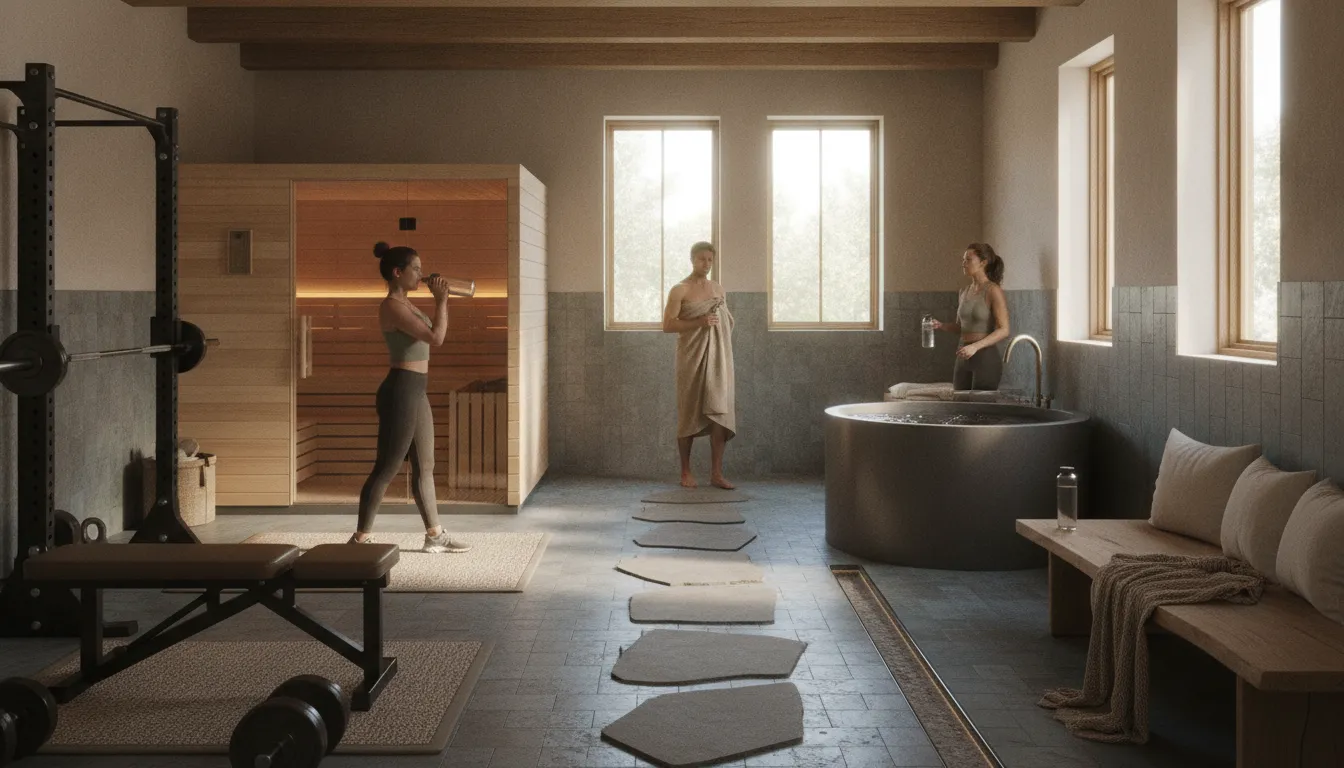
The growing interest in wellness practices like contrast therapy starts with one essential element: authentic, deep heat. A traditional sauna provides the powerful warmth needed to reduce inflammation, improve circulation, and prepare the body for the benefits of a cold plunge. It’s the cornerstone of a powerful recovery routine that you can access right at home. For homeowners looking to build a complete wellness zone, understanding the role of the sauna is the first step. We’ll explore how a traditional sauna installation NC can become the foundation of your home’s health and recovery ecosystem, transforming a simple room into a powerful tool for daily well-being.
Key Takeaways
- Choose Your Ritual First: The right sauna is less about specs and more about how you want to feel. A traditional sauna offers an immersive, steamy heat for deep relaxation, while an infrared model provides a gentle, direct warmth ideal for muscle recovery.
- Quality Materials Define the Daily Experience: A well-built sauna feels different over time. High-quality wood, solid construction, and a properly sized heater create a consistent, enveloping warmth that makes your wellness routine more effective and reliable for years.
- Plan for Long-Term Peace of Mind: A successful sauna experience depends on correct installation and simple upkeep. Proper planning for electrical and ventilation ensures safety from day one, while a simple cleaning routine protects your investment and keeps your sanctuary ready when you need it.
Is a Traditional Sauna Right for Your Carolina Home?
A traditional sauna is more than just a hot room; it’s a deliberate retreat from the demands of daily life. For many homeowners in the Carolinas, it becomes a cornerstone of their wellness routine, a quiet space to unwind, recover, and reconnect. Unlike other home improvements, a sauna offers a tangible return in how you feel every day. It’s an investment in your personal well-being, designed to fit seamlessly into your home and your life. But before deciding, it’s helpful to understand the unique experience a traditional sauna offers and how it fits your goals.
The Feel of an Authentic Sauna Experience
A traditional sauna delivers a classic, enveloping heat. It works by warming the air around you, a process you control by ladling water over hot stones to create a soft, humid steam known as löyly. This is an immersive experience. The warmth penetrates deeply, encouraging a purifying sweat that helps release tension from your body and mind. For many, this becomes a cherished ritual, a way to mark the end of a long day or prepare for a restful night’s sleep. Because we design and install high-quality Tylo® traditional and infrared saunas, we can help create a space that feels like a true personal sanctuary, tailored specifically for your home.
Choosing Between Traditional and Infrared Heat
The right choice depends on the feeling you want and the benefits you’re seeking. Neither is better; they simply serve different wellness moments. A traditional sauna provides an intense, ambient heat that warms the entire room. The addition of steam creates a humid environment that many find deeply relaxing, ideal for stress relief and respiratory comfort. An infrared sauna, on the other hand, uses light waves to heat your body directly, not the air. This results in a lower ambient temperature but a deep, penetrating warmth that’s excellent for targeting muscle soreness and promoting detoxification. The decision comes down to personal preference: do you prefer the steamy, all-encompassing heat of a traditional sauna or the direct, gentle warmth of an infrared model?
Wellness Benefits for a Modern Lifestyle
Integrating a sauna into your routine makes consistent wellness accessible. The benefits go far beyond simple relaxation. Regular use can help reduce stress, ease chronic muscle and joint pain, and improve circulation. For homeowners here in the Carolinas with active or demanding lifestyles, it’s a powerful tool for recovery and mental clarity. A session can improve sleep quality and support your body’s natural detoxification processes. When combined with a cold plunge, it becomes the foundation for contrast therapy, a proven practice for reducing inflammation and strengthening your immune response. Having this in your home transforms wellness from an occasional luxury into a simple, daily practice.
What Does a Traditional Sauna Cost in North Carolina?
Understanding the cost of a traditional sauna is really about understanding the value it brings to your daily life. For homeowners here in the Carolinas, a sauna is an investment in quiet moments, better sleep, and a personal wellness routine. The price reflects the quality of that experience, from the materials you touch to the reliability of the heat.
Generally, a well-built personal sauna can start in the $4,500 to $6,500 range. For larger models designed for family use or with more refined features, the investment might be closer to $6,500 to $8,000 or more. These aren’t just numbers; they represent choices about durability, aesthetics, and how the sauna will fit into your home.
The final cost depends on a few key decisions you’ll make. It’s less about finding the lowest price and more about choosing the right components for a wellness tool that will serve you for years. We believe in explaining what drives these costs, so you can make a decision that feels confident and right for your home.
What Determines the Sauna’s Price?
A sauna’s price is shaped by three main factors: the materials, its size, and the features that define your experience. The type of wood, for example, is about more than looks. Woods like cedar last longer and create the authentic aroma that is central to the sauna ritual. The size determines whether it’s a quiet retreat for one or a shared space for connection. Finally, details like the heater, controls, and lighting all influence how seamlessly the sauna fits into your life. Each choice helps shape your personal wellness space, whether it’s a standalone feature or part of a complete contrast therapy zone.
Planning for Site Prep and Installation
A successful sauna installation begins long before the first panel is in place. Proper site preparation is essential for safety, performance, and longevity. In our experience building backyards here, the most common issues arise from incorrect measurements, an uneven foundation, or inadequate electrical planning. We handle these details for you, ensuring the location is right, the electrical work is safely managed, and the ventilation is suited for the Carolina climate. This careful planning prevents future headaches and ensures your sauna is a source of relaxation, not stress.
Understanding Long-Term Ownership Costs
While the initial purchase is the main investment, the long-term cost of owning a sauna is surprisingly low. A modern, well-insulated traditional sauna is quite energy-efficient, and most sessions will cost a dollar or less in electricity. It’s a small price for a powerful wellness tool. When you compare that to the recurring fees of a gym or spa membership, a home sauna becomes a practical and sustainable part of your daily routine. It’s an investment that pays for itself over time through convenience and consistent well-being, right at home.
How to Choose the Right Traditional Sauna
Choosing a traditional sauna is about more than picking a size or style. It’s about creating a space that fits seamlessly into your home and your daily wellness rituals. The right sauna feels like it has always belonged there, ready to provide a moment of quiet heat whenever you need it. The decision comes down to a few key considerations: the physical space you have, the quality of the materials, the performance of the heater, and the reliability of the brand.
Thinking through these elements helps ensure your sauna becomes a lasting part of your home, not just an appliance. A well-chosen sauna is an investment in your health and peace of mind, offering a consistent and reliable retreat for years. In our experience, homeowners who consider the details from the start are the ones who get the most out of their investment. We believe in helping you understand these choices, so you can feel confident in the one you make for your home.
Finding the Right Fit for Your Space
The first step is understanding where the sauna will live. Whether you have a dedicated wellness room or a small, unused corner, there is likely a solution that fits. Modern saunas can be designed for tricky spots, like closets or the space under a staircase, turning an overlooked area into a personal sanctuary. You can choose from standard pre-built models or a custom-cut sauna designed to fit your room’s exact dimensions.
Before you decide, measure your available area, including the height, width, and depth. Also, consider its proximity to a shower for rinsing off afterward. A free home consultation can help you visualize the possibilities and ensure the final placement feels both practical and natural.
Why Materials and Construction Matter
A sauna’s ability to hold and radiate heat depends entirely on its construction. The type of wood, the thickness of the walls, and the precision of the build all contribute to the experience. High-quality woods like Nordic Spruce or Western Red Cedar are not just beautiful; they are chosen for their durability and resistance to temperature changes. Solid construction ensures that heat stays inside the sauna, making it more efficient and providing a consistent, enveloping warmth.
When you invest in a well-made sauna from a trusted manufacturer like Tylo®, you are investing in that consistency. The difference is in the details: tighter seals, better insulation, and benches that are built to last. These elements create a superior experience that you can feel every time you step inside.
Selecting Your Heater and Controls
The heater is the heart of a traditional sauna. It’s what creates the deep, penetrating heat that defines the experience. Most home saunas use electric heaters, which are efficient, reliable, and easy to operate with modern digital controls. The key is ensuring the heater is correctly sized for the space; an underpowered heater will struggle to reach temperature, while an oversized one can create an uncomfortable environment.
Proper installation is also critical for safety and performance. An electric sauna heater requires dedicated wiring, which must be installed and inspected by a qualified electrician to meet local codes. Our in-house teams handle every part of the installation process, so you can be confident that your sauna operates safely and effectively from day one.
What to Look for in a Quality Sauna Brand
A sauna is a long-term addition to your home, so choosing a brand with a proven reputation for quality and safety is essential. Established brands have spent decades refining their designs, perfecting their heating technology, and sourcing the best materials. They stand behind their products with strong warranties and a history of reliability.
We partner with brands like Tylo® because they represent the highest standards of Scandinavian sauna craftsmanship. By choosing a reputable brand, you’re not just buying a product; you’re gaining the peace of mind that comes from knowing your wellness retreat is built to last. It’s the difference between a temporary trend and a timeless tradition.
Planning Your North Carolina Sauna Installation
A successful sauna installation is all about thoughtful planning. Getting the details right before the work begins ensures your sauna is safe, efficient, and placed perfectly for your daily routine. Because we manage projects from design to completion, we handle these logistics for our clients. Still, understanding the key steps helps you make confident decisions about your home and investment.
Local Permits and Zoning
Most towns in North and South Carolina have specific rules for outdoor structures. These zoning ordinances often include setback requirements, which dictate how far the sauna must be from your property lines, and may have height restrictions. Our team is familiar with the local building codes across the Charlotte, Lake Norman, and Winston-Salem areas. We manage the permitting process to ensure every installation is fully compliant, so you can relax knowing everything was done correctly from day one. This is a crucial step that protects your home’s value and your peace of mind.
Electrical and Safety Considerations
Proper electrical work is the most important part of a safe sauna installation. Traditional sauna heaters have specific power requirements that demand a dedicated circuit, installed by a qualified electrician. We follow the National Electrical Code (NEC) and all local regulations for wiring, ventilation, and materials to ensure your sauna operates safely and effectively. Handling this correctly prevents accidents and protects the longevity of your heater. Our in-house teams include certified service technicians who are trained to manage these technical details, giving you a seamless and secure installation.
Ventilation for the Carolina Climate
Here in the Carolinas, humidity is a year-round consideration. Proper ventilation is essential for a traditional sauna to perform well and last for years. A good ventilation system brings in fresh air for comfortable breathing and allows moisture to escape, protecting the wood from the effects of our humid climate. It ensures a consistent heating experience and helps keep the interior fresh. We design our sauna installations with the local climate in mind, ensuring your wellness sanctuary is built to withstand the elements and provide comfort for years to come.
Common Mistakes and How to Avoid Them
We’ve seen homeowners encounter a few common pitfalls when planning a sauna project on their own. The most frequent issues include choosing a location that’s inconvenient for daily use, underestimating the electrical requirements, or skipping the detailed design phase. Rushing the process can lead to a sauna that doesn’t heat efficiently or fit naturally into your backyard flow. The simplest way to avoid these issues is to work with an experienced team. Our free home consultation helps you visualize the final result and ensures every detail, from placement to power, is planned correctly from the start.

How to Care for Your Traditional Sauna
A traditional sauna is designed to be a lasting part of your home and wellness routine. The good news is that caring for one is far simpler than most people think. With high-quality materials and proper construction, a sauna doesn’t require constant attention. Instead, a few simple habits and occasional check-ins are all it takes to keep the space clean, inviting, and ready for use.
Think of sauna care as a small, quiet ritual that protects your main ritual of relaxation and recovery. Just as you prepare your mind and body for a session, a little care afterward ensures the sauna remains a pure and healthy environment. In our experience building wellness spaces across the Carolinas, we’ve found that homeowners who adopt a simple maintenance rhythm enjoy their saunas more and experience fewer issues over the long term. It’s not about adding another chore to your list; it’s about preserving the peace of mind that your sauna was designed to provide.
Simple Cleaning for Daily Use
The best way to maintain your sauna is with a few easy steps after each session. Once you’ve finished and the sauna is cooling down, simply wipe down the benches, walls, and backrests with a damp cloth. This removes perspiration and keeps the wood fresh, preventing buildup over time. For an even easier approach, we always recommend sitting or lying on a towel during your session. This simple habit absorbs most of the moisture and oils, protecting the wood and making your cleanup afterward much faster. It’s a small adjustment that makes a significant difference in keeping your Tylo sauna pristine.
Seasonal Care and Professional Service
While daily tidiness is key, it’s also wise to do a more thorough check every few months. Take a moment to inspect the wood for any changes, ensure the heater is free of debris, and check that all components are secure. Proper ventilation is especially important here in the Carolinas, so leaving the sauna door ajar when it’s not in use helps circulate air and prevent moisture from settling. If you notice anything that seems off, like a slow-to-heat element or significant wear, our in-house technicians are here to help. A professional service check can address small issues before they become larger problems, ensuring your sauna operates safely and efficiently.
Protecting Your Investment for Years to Come
Your sauna is more than just a wooden room; it’s an investment in your health and daily well-being. Consistent care is the best way to protect that investment. Without it, even the best-built saunas can eventually face issues like wood damage or inefficient heating. By making these simple cleaning and inspection habits part of your routine, you ensure your sauna remains a reliable sanctuary for years. This proactive approach gives you the confidence that your space for contrast therapy and relaxation will always be ready for you, offering the same powerful benefits as it did on day one.
Related Articles
- The Best Sauna for NC Climate: A Buyer’s Guide
- Outdoor Sauna Installation Charlotte: Costs & Process
- Traditional vs Infrared Sauna: Which Is Right for You?
- The Ultimate Guide to Contrast Therapy in Charlotte
- Outdoor Sauna Cost: A Complete Buyer’s Guide
Frequently Asked Questions
Is a traditional sauna better than an infrared one? Neither is better; they simply create different wellness experiences. A traditional sauna heats the air around you, and you can add steam for an immersive, enveloping warmth. It’s a classic, powerful heat. An infrared sauna uses light to warm your body directly, which feels more gentle and targeted. The right choice depends on the feeling you prefer and the results you’re looking for.
How long should I stay in the sauna? Most people find that 15 to 20 minutes is a comfortable and effective session length. However, the most important rule is to listen to your body. If you’re new to using a sauna, you might start with shorter sessions of 10 minutes and see how you feel. Many people enjoy doing a few rounds, cooling off with a shower between sessions, to extend the benefits.
How much will a sauna increase my electricity bill? You’ll likely be surprised by how little it costs to run a modern sauna. Because they are well-insulated and have efficient heaters, a typical session usually costs a dollar or less in electricity. When you think about the cost of a gym membership or a visit to a spa, having a personal wellness retreat at home becomes a very practical and affordable part of a daily routine.
Can I really fit a sauna in a small space? Yes, absolutely. Many modern saunas are designed specifically for smaller areas like a large closet, a corner of a home gym, or even a spacious bathroom. We can help you find a model that fits your home’s layout, or we can create a custom-cut sauna tailored to your room’s exact dimensions. The key is proper planning for ventilation and electrical needs, which we handle for you.
Do I need a professional to install my sauna? We strongly recommend professional installation for safety and performance. A sauna heater requires a dedicated electrical circuit, and the work must be done by a qualified electrician to meet local codes. A professional also ensures the foundation is level and the ventilation is correct for our Carolina climate. This gives you peace of mind, knowing your sauna will operate safely and efficiently for years to come.