When you picture your ideal home sauna, you probably think of the warm cedar, the comfortable benches, and the gentle glow of the heater. What most people don’t consider is the invisible framework that makes that entire experience possible. The framing is the unsung hero of a great sauna, providing the strength and integrity needed to handle intense heat and moisture. A well-built structure ensures consistent temperatures and a comfortable, fresh-air environment for every session. As local builders specializing in sauna framing Charlotte, we understand that our climate demands a specific approach to construction. Here, we’ll look at what goes on behind the walls and why it matters so much for your long-term enjoyment.
Key Takeaways
- Focus on the feeling, not just the feature: The right sauna for you depends on the daily ritual you want to create. Choose traditional heat for an intense, classic experience or infrared for a gentler, penetrating warmth that soothes muscles and joints.
- A great sauna is built from the inside out: Long-term performance and safety come from the parts you don’t see. Proper framing, insulation, and ventilation are critical for efficient heating and preventing moisture issues, especially in the Carolina climate.
- Your builder is your most important decision: Look for a local expert who manages the entire project, from design and electrical work to final installation. A team with proven experience ensures your sauna is built correctly and provides peace of mind for years of use.
Choosing the Right Sauna for Your Carolina Home
Deciding to bring a sauna into your home is less about choosing a product and more about defining a ritual. The right choice depends entirely on how you want to feel, how you plan to recover, and the kind of quiet moments you want to create for yourself and your family. It’s a personal decision, and there isn’t a single right answer, only the one that fits your life.
The main considerations come down to the type of heat you prefer and where the sauna will live. Do you envision a powerful, enveloping heat that makes you feel completely refreshed? Or is a gentler, deeper warmth more your speed? Do you see it as a private retreat inside your home, perhaps near a master bath, or as the anchor of a backyard wellness space? Because we design and build custom saunas right here in the Carolinas, we understand how to plan for our specific climate, ensuring your investment feels right on day one and performs beautifully for years to come. Our goal is to help you understand the possibilities so you can make a confident decision for your home.
Traditional vs. Infrared: Understanding the Experience
Choosing between a traditional and an infrared sauna is like choosing between a strong cup of coffee and a soothing cup of tea. Neither is better; they simply serve different intentions. A traditional sauna provides an intense, enveloping heat. It warms the air around you, and you can pour water over hot stones to create a wave of steam, a classic experience many people love. It’s a powerful ritual for deep relaxation and detoxification.
An infrared sauna works differently. It uses radiant heat to warm your body directly, at a lower air temperature. The experience is gentler and often feels more approachable, especially for longer sessions. It’s a quieter ritual, focused on a deep, penetrating warmth that helps soothe muscles and joints. In our experience, the best choice comes down to the feeling you’re after.
Indoor or Outdoor? Planning for Local Weather
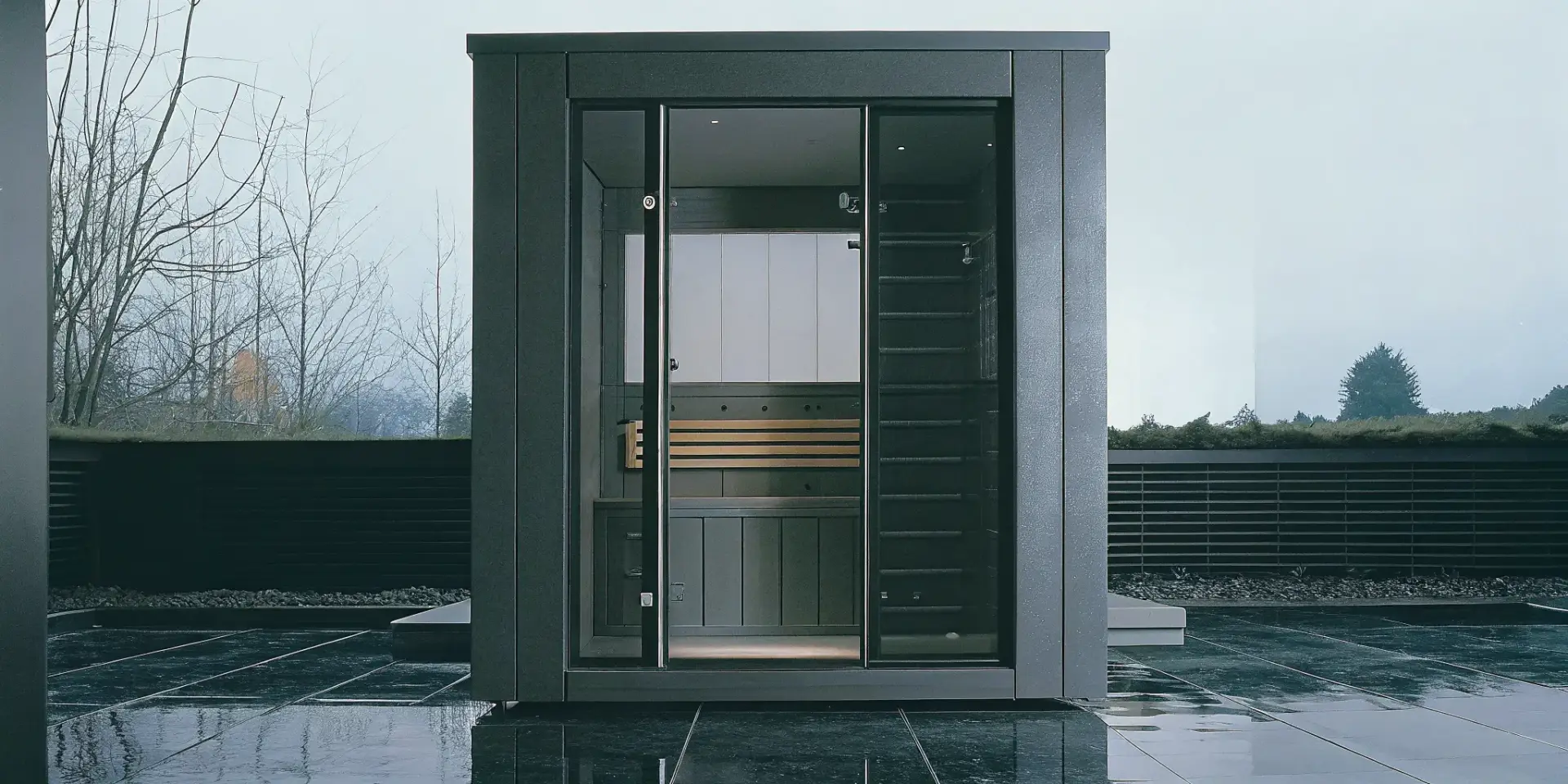
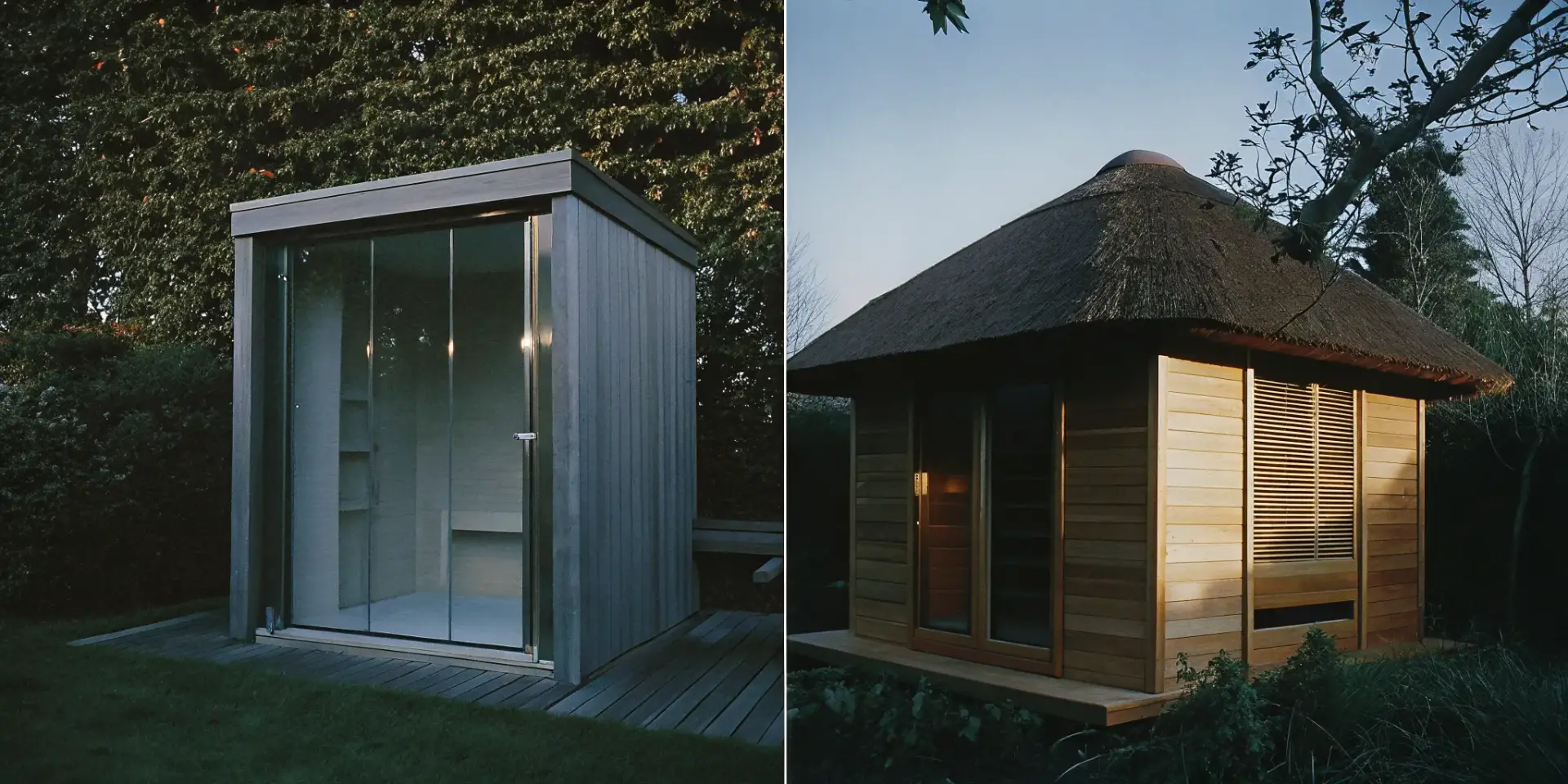
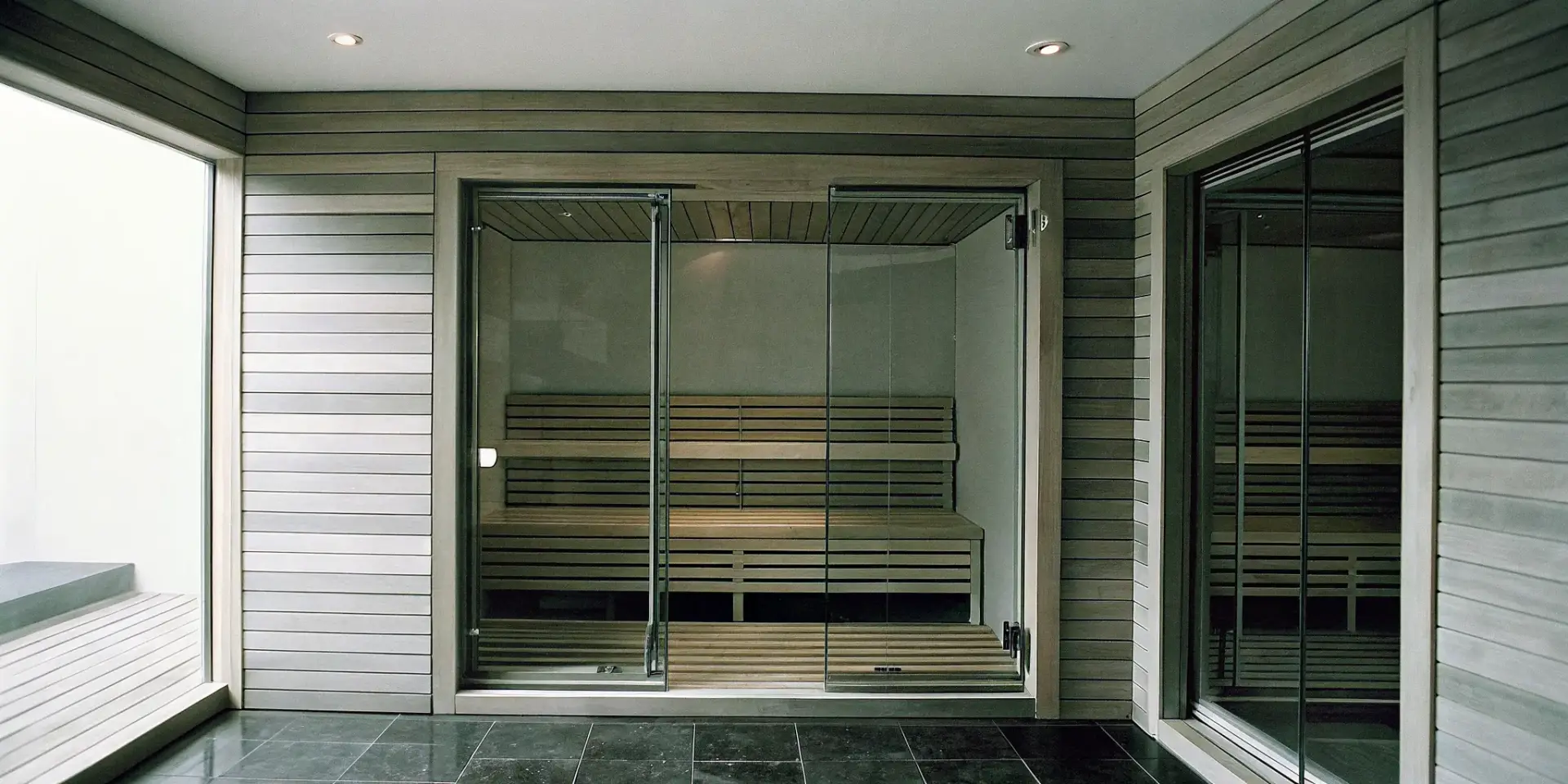
A home sauna is incredibly versatile. It can be designed to fit into a surprisingly small indoor space, like a walk-in closet or a corner of a home gym, creating a convenient and private escape. Alternatively, an outdoor sauna can become a beautiful focal point in your backyard, transforming it into a year-round wellness destination. Imagine stepping out into the cool evening air after a warm session or pairing it with a cold plunge for the ultimate recovery routine.
When planning an outdoor sauna here in the Carolinas, it’s important to account for our local weather, especially the humidity. Proper materials, ventilation, and a solid foundation are key to ensuring your sauna stands up to the elements and performs efficiently. We design with these realities in mind, creating durable, beautiful structures that become a seamless part of your outdoor living space.
A Quick Look at Steam and Hybrid Systems
While traditional and infrared are the most common choices, it’s helpful to know about a few other options. Steam rooms, sometimes called steam saunas, are different from traditional saunas. They operate at a lower temperature but with nearly 100% humidity. This creates a dense, moist environment that’s excellent for respiratory health and skin hydration.
For those who want complete control, hybrid systems offer the best of both worlds. These advanced saunas allow you to enjoy traditional high heat, gentle infrared warmth, or a combination of both in a single session. This flexibility lets you tailor each experience to your mood and wellness goals. If you’re curious about which approach makes the most sense for your home, the best next step is a simple conversation. We can walk you through the options when you’re ready to start planning.
What Really Determines the Cost of a Sauna Installation?
When homeowners in the Carolinas start planning for a home sauna, one of the first questions is about the total investment. The final cost isn’t arbitrary; it’s a direct result of a few key decisions you’ll make about the design, materials, and location. Understanding these factors helps you plan a budget with confidence and ensures the final result is a space you’ll love for years to come.
We believe in transparency. Instead of just giving you a number, we prefer to explain what drives the cost, so you can make informed choices that align with your home and lifestyle.
How Your Choice of Sauna Type Affects the Budget
The type of sauna you choose is the primary driver of your project’s budget. A traditional Finnish sauna, for example, has different construction and electrical requirements than an infrared model. Custom-built saunas, designed to fit a specific nook in your home or backyard, will naturally have a different cost structure than a high-quality pre-designed system like the Tylo® saunas we offer.
The size of the sauna also plays a significant role. A larger space for family and friends requires more lumber, insulation, and labor, which is reflected in the final price. In our experience, the right choice balances your desired daily ritual with the space you have available.
The Role of Materials in Long-Term Value
Most saunas look great on day one. The real difference in quality appears years later, and that often comes down to the materials used. The type of wood, for instance, affects not only the initial cost but also the sauna’s durability, scent, and ability to handle the humidity we see here in the Carolinas. Cedar is a classic choice for its natural resistance to moisture, while other woods offer different aesthetics and price points.
Beyond the wood, the quality of the heater, insulation, and vapor barrier are critical. Investing in better components means more consistent heat, better energy efficiency, and fewer maintenance issues over time. It’s a choice for long-term reliability and a better, more dependable wellness experience.
Factoring in Site Prep and Professional Labor
Preparing the location for your sauna is a crucial step that impacts the budget. An outdoor sauna needs a perfectly level, solid foundation, like a concrete pad, to ensure stability and longevity. For an indoor sauna, we need to confirm the space has proper ventilation and access for electrical work.
Speaking of electrical, a dedicated circuit is non-negotiable for safety and performance. This is always a job for a licensed professional. When you work with an experienced builder, the cost of labor includes the peace of mind that every detail, from the framing to the wiring, is handled correctly and up to local code. A professional consultation can help clarify exactly what your specific site will require.
The Foundations of a Lasting Sauna: Framing Done Right
A great sauna experience isn’t just about the beautiful wood or the powerful heater. The most important elements are the ones you’ll never see. The long-term performance, efficiency, and safety of your sauna depend entirely on what’s behind the walls: the framing, insulation, and ventilation. Getting these foundational details right is what separates a simple hot room from a true therapeutic retreat that lasts for decades. It’s the difference between a space you use occasionally and one that becomes a core part of your daily wellness ritual.
In our experience building wellness spaces across the Carolinas, we’ve seen how shortcuts in construction can lead to problems down the road, from high energy bills to moisture issues. That’s why we focus so much on the structural integrity from day one. A properly framed and insulated sauna heats up efficiently, maintains a consistent temperature, and provides a comfortable, fresh-air environment for every session. It’s the invisible framework that allows you to relax completely, knowing your investment is built to perform and protect your home. When the foundation is solid, the experience feels effortless.
Insulation and Vapor Barriers: The Non-Negotiables
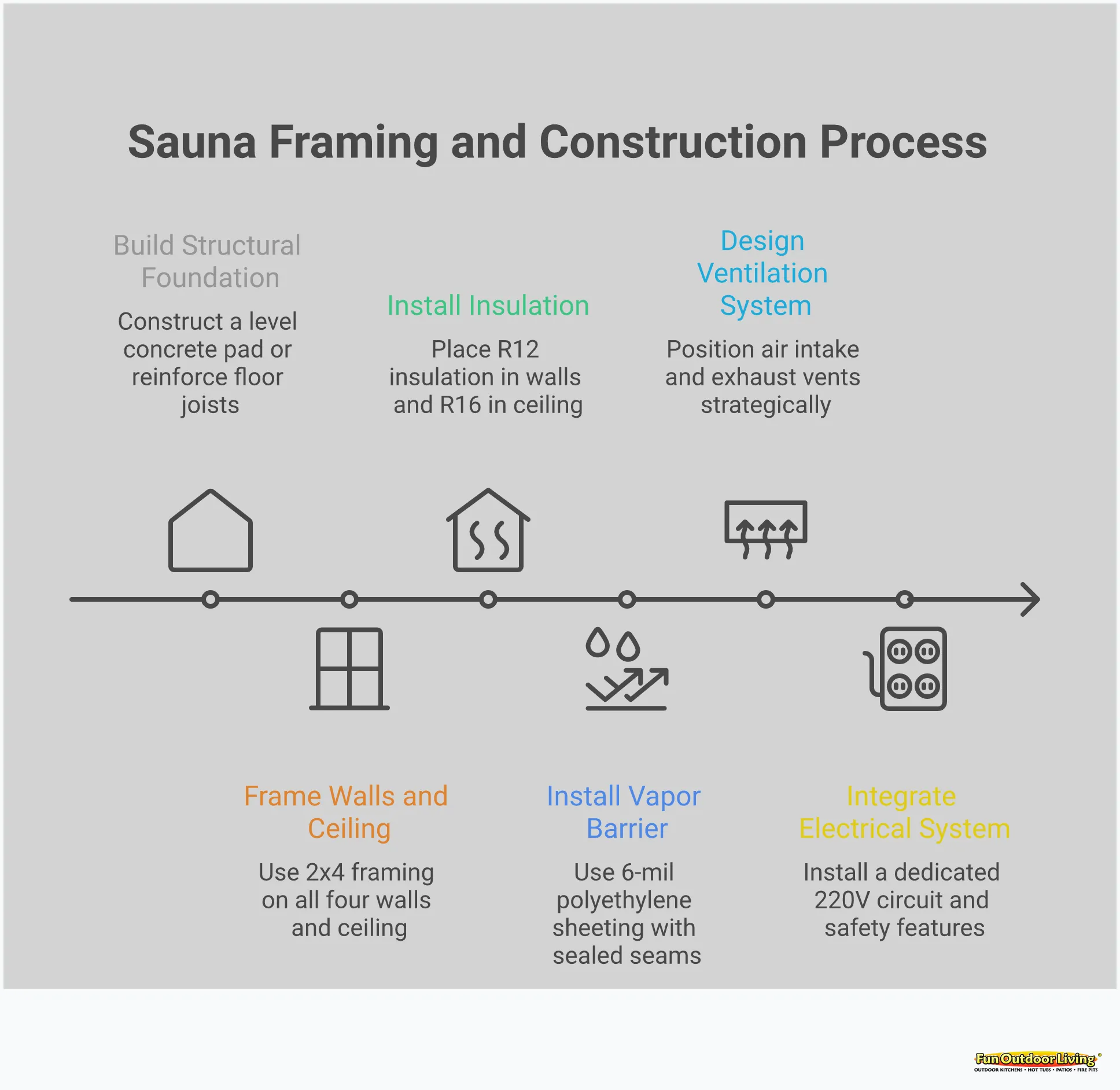
To create an effective sauna, you need to keep the heat exactly where you want it. That’s the job of high-quality insulation. For the walls, we recommend a minimum of ‘R12’ insulation, with at least ‘R16’ in the ceiling to prevent heat from escaping upwards. This ensures your sauna reaches its target temperature quickly and uses less energy to stay hot.
Just as important is the vapor barrier. This is a special lining installed on the warm side of the insulation that stops moisture from penetrating your home’s wall structure. In a high-humidity environment like a sauna, this is non-negotiable. It prevents the risk of mold and rot, protecting both your sauna and your home’s framework for years to come.
Key Structural and Framing Specifications
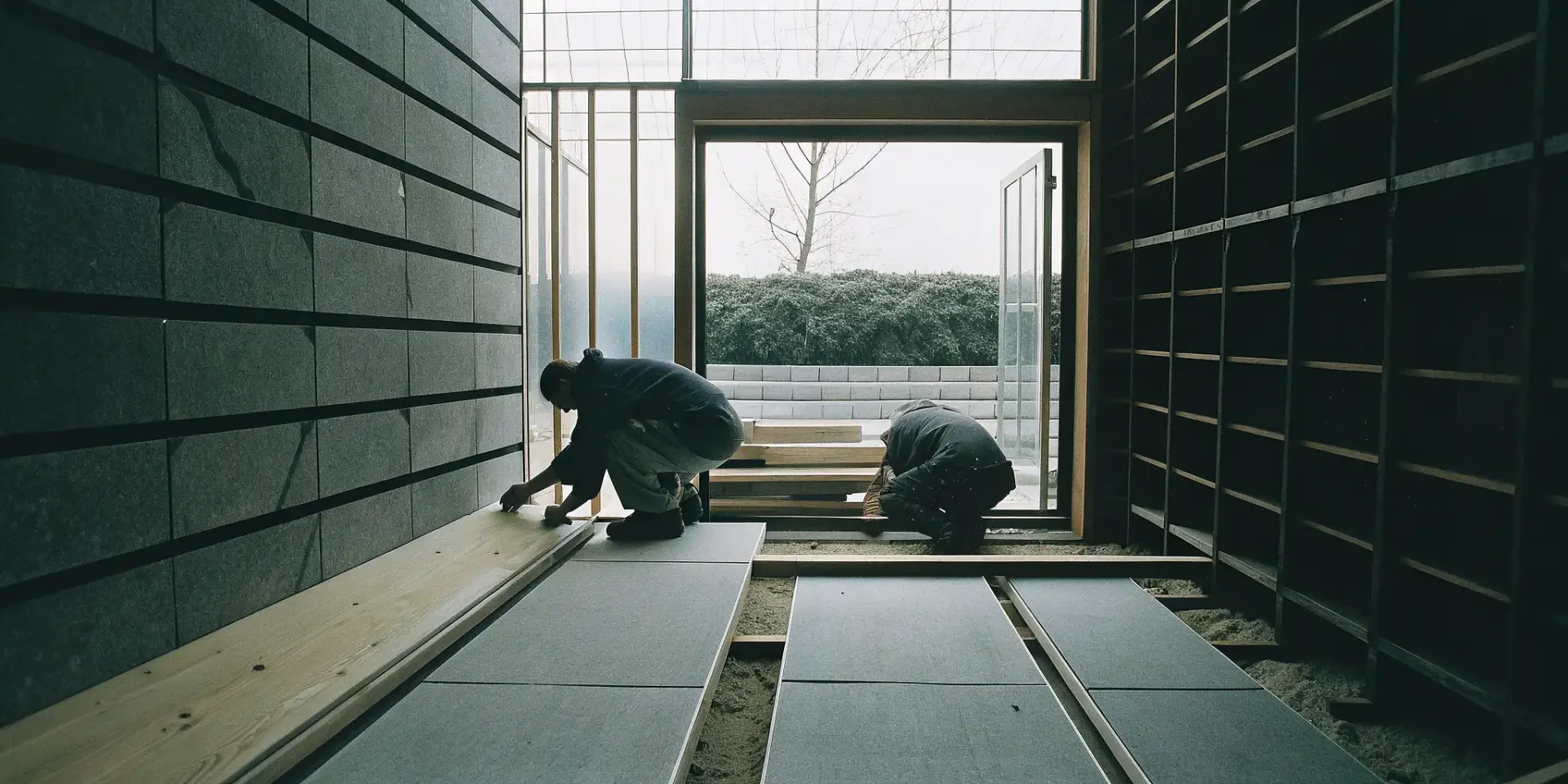
The “bones” of your sauna provide the strength for everything else. A durable, long-lasting sauna should be built with 2×4 framing on all four walls and the ceiling. This robust structure is essential for supporting the weight of the interior cedar paneling, the heavy benches, and the heater itself. It also ensures the entire room remains square and stable as the wood naturally expands and contracts with the intense changes in temperature. Using undersized lumber or improper techniques can lead to warping and structural issues over time. Solid framing is the bedrock of a sauna that feels secure and stands the test of daily use.
Designing for Proper Airflow and Ventilation
A common misconception is that a sauna should be a completely sealed box. In reality, a healthy and comfortable sauna needs to breathe. Proper ventilation creates a continuous flow of fresh air, which is essential for an enjoyable session. The best practice is to place an air intake vent low on the wall, directly under the heater. As fresh air enters, the heater warms it, causing it to rise and circulate. An exhaust vent is then placed on the opposite wall, about two feet from the floor, to push out stale air. This gentle convection keeps the air from feeling stuffy and ensures even heat distribution throughout the room.
Integrating Electrical and Heating Systems Safely
The sauna heater is the heart of the experience, and its installation requires precision and expertise. Because a sauna heater is a powerful appliance that generates intense heat, it must have adequate airflow and be installed with specific clearances from any wood surfaces to prevent fire hazards. All electrical work must be performed by a qualified professional who understands the unique demands of a high-heat, high-moisture environment. When you work with an experienced builder, you can relax with the peace of mind that your heater is sized correctly for the space and integrated safely, allowing you to focus on your wellness routine.
Common Framing Mistakes and How to Avoid Them
A great sauna experience isn’t just about the heater or the wood; it starts with the structure itself. Over the years, we’ve seen a few common framing oversights that can impact how a sauna feels and performs over time. These aren’t complicated issues, but they are fundamental. Getting them right from the start ensures your sauna is not only a beautiful addition to your home but also a reliable, efficient, and deeply relaxing space for years to come.
The goal is to build a room that heats up smoothly, breathes properly, and feels comfortable from the moment you step inside. By planning for these details during the framing stage, you protect your investment and ensure every session is as good as the first. It’s about creating a space that works effortlessly, so you can focus on the ritual of wellness, not the mechanics of the room.
Underestimating Moisture and Insulation Needs
One of the most critical mistakes is insufficient insulation. A sauna without proper insulation struggles to hold heat, which means your heater works harder, energy costs are higher, and it takes longer to reach the right temperature. For homeowners here in the Carolinas, managing moisture is just as important. A properly installed vapor barrier is non-negotiable. It prevents moisture from getting into your home’s wall structure, protecting it from potential damage and ensuring the sauna environment remains clean and dry between uses. This foundational step is key to long-term performance and peace of mind.
Overlooking Proper Ventilation Planning
Ventilation is a detail you won’t notice when it’s done right, but you’ll definitely feel it when it’s wrong. A sauna without planned airflow can feel stuffy and uncomfortable. More importantly, proper ventilation is essential for a healthy sauna experience. It brings in fresh air, helps circulate heat evenly throughout the room, and allows moisture to dry out after your session. We design ventilation systems with intake and exhaust vents placed strategically to create a gentle, continuous flow of air. This makes the heat feel refreshing and restorative, not oppressive.
Incorrect Layouts for Benches and Ceiling Height
The layout of your sauna directly shapes your experience. Since heat rises, ceiling height is a major factor. A ceiling that is too high, for instance over eight feet, will collect the best heat far above where you are sitting. We typically recommend a ceiling height between seven and eight feet to keep the warmth down where you can feel it. This also informs the bench design. The top bench should be high enough to put you in that perfect pocket of heat, creating a more immersive and effective session. It’s a simple adjustment that makes a world of difference.
Mismatching the Heater to the Space
Choosing a sauna heater isn’t just about picking a model you like; it’s about matching the heart of the sauna to the room it needs to warm. A heater that’s too small for the space will constantly struggle to reach and maintain temperature, leading to a lukewarm, unsatisfying experience. Conversely, a heater that’s too powerful can create an intense, uneven heat that feels harsh. We help you select the right Tylo® sauna heater based on your room’s cubic footage, insulation, and ventilation to ensure consistent, enveloping warmth every time.
How Our Climate Impacts Sauna Design and Care
A sauna is a personal sanctuary, but it’s also a structure that has to withstand our local environment. Here in the Carolinas, the humidity and seasonal temperature shifts play a big role in how a sauna performs over time. A design that works well in a dry climate might not last here.
Because we design and build locally, we plan for these realities. Our experience has shown us what works best for Carolina homes, ensuring your sauna is a source of relaxation for years, not a maintenance headache. It’s about choosing the right materials and construction methods from the start.
Managing Humidity for Better Performance
The humidity in the Carolinas is a key factor in sauna design. Without the right protection, moisture can affect the wood and the internal components of your sauna. That’s why a properly installed vapor barrier and quality insulation are non-negotiables in our builds. These elements work together to keep exterior moisture out while managing the steam and heat inside. This thoughtful approach ensures the longevity of the structure and maintains the clean, dry heat that is essential for a true sauna experience. It’s a detail that makes all the difference in how your Tylo® sauna feels and functions day after day.
Considerations for Year-Round Use in the Carolinas
A sauna should be a wellness tool you can use any time, whether it’s a cool winter evening or a humid summer afternoon. Modern saunas are designed to be energy-efficient, so you can enjoy them without worrying about high utility bills. Infrared models, in particular, use less power to achieve therapeutic temperatures. We can also help you find the perfect spot for it, whether that’s a dedicated outdoor structure or a small, underused space inside your home, like a walk-in closet or a corner of a primary bathroom. This flexibility makes it easy to integrate a sauna into your daily routine and use it for practices like contrast therapy all year long.
Simple Maintenance for a Long-Lasting Sauna
Many homeowners are surprised to learn how little maintenance a well-built sauna requires. The key is a few simple habits. After each session, propping the door open allows the space to air out and dry completely, which is the single best thing you can do to keep it fresh. A quick wipe-down of the benches with a damp cloth is usually all that’s needed for cleaning. When a sauna is kept clean between uses, it generally only needs a more thorough check-up once a year. This straightforward routine protects your investment and ensures your personal wellness retreat is always ready when you need it.
What to Look for in a Local Sauna Builder
A home sauna is more than a wellness product; it’s a permanent addition to your home. The installation involves carpentry, electrical work, and a deep understanding of how heat and moisture interact with a structure. Choosing the right builder is the single most important decision you’ll make, as it determines not only the quality of the final result but also the ease of the entire process.
In our experience building wellness spaces across the Carolinas, the best partnerships are built on trust and local expertise. A great builder doesn’t just sell you a sauna. They act as your guide, managing the project from the initial design conversation to the final walkthrough. They understand how to prepare the site, navigate local permitting, and ensure every detail contributes to a safe, effective, and beautiful retreat. When you find a team with proven experience, a commitment to quality, and a plan for long-term support, you can feel confident that your investment will enhance your daily life for years to come.
Proven Experience with Carolina Building Codes
Building codes exist for one primary reason: your safety. For a sauna, these regulations cover critical elements like electrical wiring for the heater, proper ventilation to ensure air quality, and structural requirements for framing. A builder who is deeply familiar with North and South Carolina’s specific codes can design a sauna that is not only compliant but also fundamentally safe for your family. This local knowledge helps the project run smoothly, avoiding costly delays or rework. A proper home consultation should always include a review of your space to ensure the plan meets all local requirements from day one.
A Commitment to Quality Materials and Craftsmanship
The difference between a decent sauna and a truly restorative one often lies in the details you can’t see. The choice of wood, the efficiency of the heater, and the precision of the construction all shape your daily experience. Quality materials, like those used in Tylo saunas, are chosen for their ability to withstand constant temperature changes and humidity without warping or degrading. True craftsmanship ensures tight seals for better heat retention, comfortable benches, and a seamless finish. This focus on quality isn’t about luxury for its own sake; it’s about creating a reliable, long-lasting wellness tool that performs consistently every time you use it.
Checking Reviews, Warranties, and Ongoing Support
A builder’s responsibility shouldn’t end when the installation is complete. Before committing, it’s wise to ask about their plan for the future. What does the warranty cover, and for how long? If your heater needs maintenance in five years, who will you call? Look for a company with a history of positive local reviews and a dedicated service department. A strong warranty and a team of in-house technicians are clear signs that a builder stands behind their work. This ongoing support provides peace of mind, ensuring your sauna remains a source of relaxation, not a maintenance burden.
Planning Your Home Sauna Project
Bringing a sauna into your home is a wonderful decision, one that supports both mental and physical wellness. But before the relaxation begins, a little planning is needed to make sure the project fits your home and your budget. Thinking through the process ahead of time ensures the final result feels just right, becoming a seamless part of your daily routine for years to come. It’s less about the construction and more about creating a space that truly serves you.
The most successful projects we’ve seen start with a clear understanding of two things: how the investment aligns with your finances and what you hope to achieve with the space. A sauna is more than just a hot room; it’s a personal retreat. The goal is to make the planning phase feel as calm and intentional as the sauna itself. By focusing on the right questions from the start, you can move forward with confidence, knowing you’re making a choice that will enhance your life every day.
Understanding Your Financing Options
The cost of a home sauna isn’t a single number; it’s shaped by your choices. The type of sauna (traditional or infrared), its size, the materials used, and the specific needs of your space all play a role in the final budget. A larger, custom-designed sauna will naturally be a different investment than a more compact, standard model. We believe in being transparent about these factors because when you understand what drives the cost, you can make decisions that align with your priorities.
For many homeowners, the goal is to invest in long-term quality without straining their finances. That’s why it’s helpful to explore the financing options available. A clear payment plan can make a high-quality, durable sauna more accessible, allowing you to focus on the wellness benefits instead of the upfront cost. A thoughtful investment in your health should feel manageable, not stressful.
How to Start the Design Conversation
The best way to begin is with a simple conversation. This isn’t about making immediate decisions; it’s about exploring what’s possible for your home and your lifestyle. Do you envision a quiet space for solo meditation, or a larger sauna for social wellness with family and friends? Will it be part of a new fitness recovery zone or a peaceful retreat off the master bathroom? These are the questions that guide a great design.
We find that a free home consultation is the easiest way to get clarity. It allows us to listen to your goals, see your space, and offer guidance based on years of experience building saunas right here in the Carolinas. Our role isn’t to sell you something, but to help you understand the possibilities. When you’re ready to talk through what makes sense for your home, we’re here to help.
Related Articles
- Outdoor Sauna Installation Charlotte: Costs & Process
- How Much Does a Sauna Cost in Charlotte, NC?
- Your Guide to Home Sauna Options in Charlotte
Frequently Asked Questions
Which is better for me: a traditional or an infrared sauna? Neither is better; they simply create different experiences. A traditional sauna uses high heat to warm the air around you, creating an intense, enveloping warmth that many find deeply relaxing. An infrared sauna uses radiant heat to warm your body directly, which feels gentler and allows for longer sessions. The right choice depends on the feeling you want from your daily ritual.
How much space do I really need for a home sauna? You likely need less space than you think. A comfortable two-person sauna can fit into a space as small as a walk-in closet or a corner of a home gym. We often integrate them into master bathroom renovations or create small, dedicated wellness nooks. The key is thoughtful planning, which ensures the layout feels spacious and works with your home’s existing flow.
What does the installation process actually involve? A proper sauna installation is a construction project that includes several key steps. It starts with preparing the site, which may involve creating a level foundation for an outdoor model. Then comes the framing, electrical work for the heater, and the installation of insulation and a vapor barrier. A professional builder manages all these details to ensure the sauna is safe, efficient, and built to last.
How does the Carolina humidity affect an outdoor sauna? Our local humidity is an important consideration, but it’s not a problem for a well-built sauna. The key is using the right materials, like cedar, which naturally resists moisture, and ensuring the structure has a properly installed vapor barrier. These details prevent moisture from affecting the wood and internal components, ensuring your sauna performs beautifully for years, regardless of the season.
How much does a home sauna typically cost to operate? Most homeowners are pleasantly surprised by how energy-efficient modern saunas are. Because they are so well-insulated, they hold heat very effectively. A typical session often uses less energy than running a standard home oven for an hour. The quality of the initial build, especially the insulation, plays the biggest role in keeping these long-term operating costs low.