That incredible feeling of clarity and calm you get after a cold plunge isn’t just in your head—it’s in your brain chemistry. When you immerse your body in cold water, you kickstart a cascade of physiological responses that directly impact your neurotransmitters and hormones. Think of it as a powerful reset button for your mind. This isn’t just about willpower; it’s about biology. The cold triggers a survival response that, in a controlled setting, can lead to profound mental health benefits by altering the very chemicals that regulate your mood, stress, and focus. We’ll explore how the ice bath benefits mental health by giving you a sustainable lift in your daily mood and mental energy.
Key Takeaways
- Reset your brain chemistry for a better mood: A cold plunge is a biological process, not just a test of willpower. It prompts your brain to release focus-enhancing chemicals like dopamine and norepinephrine, helping you feel more alert and positive long after you get out.
- Build resilience to handle everyday stress: Think of each plunge as a workout for your nervous system. By intentionally facing the controlled stress of the cold, you’re training your body to recover from pressure more effectively, making you feel calmer and more in control during daily challenges.
- Consistency over intensity is the key to success: You don’t need extreme cold or long sessions to see benefits. Aim for a manageable temperature (50-59°F) and focus on accumulating 11 minutes per week through short, consistent plunges of just two to three minutes each.
What Is an Ice Bath and How Does It Work?
You’ve probably seen athletes and wellness influencers plunging into icy water, but what’s really happening behind the scenes? An ice bath is more than just a test of willpower; it’s a science-backed practice that triggers powerful physiological responses in your body and brain. Understanding how it works is the first step to using it to feel calmer, more focused, and more resilient. Let’s break down the science and the best practices for getting started.
The Science of Cold Water Immersion
At its core, an ice bath—also called cold water immersion or CWI—is simply a bath taken in very cold water, typically between 40 and 59 degrees Fahrenheit. When you submerge your body in that chilly water, it immediately kicks into high gear to stay warm. This process sparks a cascade of helpful changes. Your metabolism speeds up to generate heat, and a special type of fat in your body, known as ‘brown fat,’ gets activated to produce even more warmth.
At the same time, your body releases hormones like adrenaline, giving you a natural rush that helps you manage the cold. This deliberate exposure creates a “good stress” on your body, a concept known as hormesis. Think of it as a workout for your nervous system. This controlled stressor helps your body learn to handle the pressures of everyday life more effectively, building resilience from the inside out. It’s a key reason why practices like contrast therapy are becoming so popular for overall wellness.
How Cold and How Long? Ideal Temperatures and Times
When you’re just starting, the two biggest questions are always: “How cold should the water be?” and “How long do I have to stay in?” The good news is that you don’t need arctic temperatures to see real mental health benefits. Research suggests the sweet spot is between 50°F and 59°F. Interestingly, going any colder doesn’t seem to add extra psychological perks, so there’s no need to overdo it.
For timing, your goal should be a cumulative total of at least 11 minutes in the cold water per week. You can break this up into much shorter, manageable sessions. A typical plunge only needs to last between two and five minutes to be effective. This makes the practice feel accessible and less intimidating, especially with a dedicated at-home cold plunge that keeps the water ready for you whenever you need it.
How Ice Baths Change Your Brain Chemistry
That incredible feeling of clarity and calm you get after a cold plunge isn’t just in your head—it’s in your brain chemistry. When you immerse your body in cold water, you kickstart a cascade of physiological responses that directly impact your neurotransmitters and hormones. Think of it as a powerful reset button for your mind. This isn’t just about willpower; it’s about biology. The cold triggers a survival response that, in a controlled setting like an ice bath, can lead to profound mental health benefits by altering the very chemicals that regulate your mood, stress, and focus.
Triggering Your Brain’s “Happy” Chemicals
One of the most significant changes happens with your neurotransmitters. Stepping into an ice bath can raise levels of dopamine and norepinephrine in your brain. Dopamine is often called the “feel-good” chemical because it’s tied to your brain’s reward system, motivation, and pleasure. Norepinephrine helps with focus, alertness, and energy. When these levels are balanced, you feel more driven, attentive, and positive. A consistent cold plunge practice can help your brain naturally produce more of these crucial chemicals, giving you a sustainable lift in your daily mood and mental energy without the crash that comes from caffeine or sugar.
Lowering Your Stress Hormones
While the initial shock of cold water might feel stressful, the after-effect is surprisingly calming. Cold water immersion helps lower your body’s main stress hormone, cortisol. Interestingly, studies show that while cortisol doesn’t drop much during the plunge, it decreases significantly in the hours that follow. By intentionally putting your body through a short, controlled stressor, you’re training it to recover more efficiently. Over time, this can lead to a lower baseline cortisol level, making you less reactive to the everyday stressors that life throws your way. You’ll likely find yourself feeling more composed and less overwhelmed.
Improving Your Mood with Endorphins
If you’re looking for a quick and effective mood lift, a cold plunge can deliver. The intense sensation of the cold water triggers your brain to release endorphins—the same chemicals responsible for the “runner’s high.” These natural painkillers and mood elevators can create feelings of euphoria and deep relaxation. According to Verywell Mind, this happens because ice baths can increase certain brain chemicals, including endorphins, which can lift your mood and reduce feelings of anxiety. This rush of positive chemicals is why so many people emerge from an ice bath feeling refreshed, happy, and ready to take on the day with a clearer perspective.
Using Good Stress to Fight Bad Stress (Hormesis)
The idea of using stress to become stronger is a concept called hormesis. Cold exposure is a perfect example of this “good stress,” or hormetic stress. It challenges your body just enough to stimulate powerful adaptive responses without causing harm. This process helps your body manage everyday life stressors more effectively. As the Mental Health Center of America notes, this beneficial stress increases a brain chemical called norepinephrine, which sharpens focus, attention, and mood. By practicing this regularly, especially as part of a contrast therapy routine, you’re building a more resilient nervous system that is better equipped to handle pressure and stay balanced.
The Mental Health Benefits of a Cold Plunge
Beyond the physical rush, one of the most powerful reasons people commit to a cold plunge routine is for the profound impact it has on their mental and emotional state. The intentional stress of the cold water triggers a cascade of positive chemical reactions in your brain, helping to reset your nervous system and build resilience. Think of it as a powerful tool for managing the demands of modern life, available right in your own backyard. From lifting your mood to sharpening your focus, the benefits for your mind are just as significant as those for your body.
Find Relief from Depression and Low Moods
If you struggle with low moods, an ice bath can offer a surprisingly fast and effective shift in perspective. The shock of the cold water prompts your brain to release a flood of mood-regulating neurotransmitters. This chemical reset can quickly improve your mood and ease feelings of anxiety, providing immediate relief when you feel stuck. For some, incorporating regular cold plunges into their wellness routine has even provided a sustainable, non-pharmaceutical way to manage depressive symptoms long-term, helping them feel more balanced and in control.
Calm Anxiety and Manage Daily Stress
Daily life is full of stressors that can keep your body in a constant state of high alert. Cold water immersion directly counteracts this by helping to lower cortisol, your body’s primary stress hormone. When you consistently practice cold plunging, you’re essentially training your nervous system to become more resilient. Your body learns to release less cortisol in response to the cold, a skill that translates to the rest of your life. You may find you can handle other daily stresses better, from work deadlines to family pressures, without feeling as overwhelmed.
Sharpen Your Focus and Mental Clarity
Feeling foggy or distracted? A cold plunge can act like a hard reset for your brain. The cold exposure boosts the production of norepinephrine, a key neurotransmitter responsible for focus, attention, and vigilance. At the same time, it makes your brain more sensitive to endorphins, which contributes to a feeling of clear-headed, calm alertness after you get out. This combination cuts through mental clutter, leaving you feeling sharp, present, and ready to tackle whatever your day holds with renewed clarity.
Improve Your Sleep and Feel More Rested
A calm mind is essential for restorative sleep, and cold plunging can be a powerful ally in achieving it. By lowering stress and soothing your nervous system, an evening plunge can help quiet the racing thoughts that often keep you awake. The practice helps regulate your body’s internal systems, promoting a state of relaxation that makes it easier to fall asleep and stay asleep. Better physical health and lower stress levels almost always lead to better mental health, and it all starts with a good night’s rest.
Support Long-Term Brain Health
Taking care of your brain is one of the best investments you can make in your future health. Emerging research suggests that cold water immersion may play a protective role. The practice can trigger the release of special molecules known as cold-shock proteins, which help repair damaged synapses and encourage the growth of new neural connections. This process could potentially help protect the brain against neurodegenerative diseases over time, making your cold plunge habit a proactive step toward maintaining cognitive function for years to come.
Can Ice Baths Make You More Resilient to Stress?
Life is full of stressors, from tight deadlines at work to navigating busy family schedules. While we can’t eliminate stress entirely, we can change how our bodies and minds respond to it. Resilience isn’t about being immune to stress; it’s about bouncing back from it more effectively. This is where a cold plunge practice can make a significant difference. Think of it as a training ground for your nervous system.
By intentionally exposing yourself to the controlled, short-term stress of cold water, you teach your body to adapt. This process helps you build both mental and physiological fortitude. Over time, the things that used to send you into a tailspin might feel more manageable. You’re not just getting better at handling the cold; you’re getting better at handling life. The deliberate discomfort of a plunge builds a powerful sense of calm and control that you can carry with you long after you’ve dried off. This practice can become a cornerstone of your at-home wellness routine, helping you stay centered no matter what the day throws your way.
Train Your Nervous System to Stay Calm
Every time you step into a cold plunge, you’re giving your nervous system a workout. The initial shock triggers your “fight or flight” response, but as you breathe through it, something amazing happens. The cold water stimulates your vagus nerve, a key player in your body’s “rest and digest” system. This nerve acts like a brake, slowing your heart rate and signaling to your brain that it’s time to relax. By repeatedly activating this calming pathway, you train your body to shift out of a stressed state more efficiently. This means you can recover from stressful events faster, feeling more balanced and in control throughout your day.
Build Mental Toughness, One Plunge at a Time
The biggest challenge of a cold plunge is often mental. That voice in your head tells you it’s too cold, that you can’t do it. Pushing past that initial resistance and staying in the water is a powerful act of mental discipline. Each plunge is a small victory that proves you can handle discomfort and do hard things. According to researchers, overcoming the intense stress of the cold can make you more resilient to other life stressors. This practice builds a deep sense of self-trust and fortitude, showing you that you are stronger and more capable than you think.
Handle Everyday Challenges More Effectively
When you first experience a stressful situation, your body releases cortisol, the primary stress hormone. Regular cold plunging can actually change this response. Studies suggest that consistent cold water immersion can train your body to release less cortisol when faced with the cold. This adaptation doesn’t just apply to the ice bath; it can translate to how you handle other daily pressures. With a less reactive stress response, you’re better equipped to face difficult conversations, traffic jams, and unexpected problems with a clearer, calmer mind. A professional-grade system like the Vigor Cold Plunge makes it easy to build this powerful habit right in your own backyard.
Who Should Talk to a Doctor Before Trying Ice Baths?
While the benefits of cold plunging are exciting, your safety is always the top priority. An ice bath is a form of stress on the body—a good stress, called hormesis, but a stress nonetheless. For most healthy adults, this is a manageable and beneficial challenge. However, for some people, the sudden shock of cold water can pose serious risks.
Think of it like starting a new fitness routine. You wouldn’t go from the couch to running a marathon without some preparation, and you’d want to make sure you’re healthy enough to begin. The same principle applies here. Before you take your first plunge, it’s smart to have a quick chat with your doctor, especially if you have any pre-existing health concerns. This simple step ensures you can start your cold plunge practice with confidence, knowing it’s the right move for your unique health profile.
If You Have a Heart or Circulatory Condition
The initial shock of cold water causes your blood vessels to constrict rapidly, which can put sudden strain on your heart and circulatory system. If you have a history of heart disease, high blood pressure, or other cardiovascular issues, this can be risky. Your body has to work much harder to pump blood, which can elevate your blood pressure and heart rate. Because of this, it’s critical to get medical clearance first. As health experts often explain, the ice bath benefits, risks, and safety explained are significant, but they must be weighed against potential dangers for those with heart, blood pressure, or respiratory conditions. A conversation with your doctor will help you understand if cold plunging is a safe and effective therapy for you.
If You’re Pregnant or on Certain Medications
Pregnancy brings about incredible changes in the body, including shifts in circulation and blood pressure regulation. Introducing an intense stressor like an ice bath without medical guidance is not recommended. Similarly, certain medications can affect how your body responds to cold. For example, beta-blockers are designed to lower your heart rate and blood pressure. Since cold water immersion naturally affects these same functions, the combination could lead to an unpredictable or unsafe reaction. It’s important to talk to your doctor before trying ice baths if you are pregnant or take medications that influence your cardiovascular system, just to be sure you aren’t creating any unnecessary risks.
Other Health Conditions to Consider
Beyond the major categories, a few other conditions warrant a discussion with your healthcare provider. If you have Raynaud’s syndrome (a condition that causes decreased blood flow to your fingers and toes) or any nerve-related issues, the extreme cold could worsen your symptoms. The same goes for anyone with breathing problems like severe asthma, as the initial cold shock can cause a gasp reflex that might be difficult to control. The general rule is simple: if you have any ongoing health concerns, especially those involving your heart, lungs, or circulation, it’s best to get a professional opinion. Your well-being is what matters most, and a quick check-in can give you the green light to plunge with peace of mind.
How to Start Your Cold Plunge Practice Safely
Jumping into icy water for the first time can feel intimidating, but you don’t have to be an extreme athlete to get it right. The key is to start slowly and listen to your body. With a smart approach, you can build a safe and effective routine that fits your wellness goals. Think of it as a practice—something you build over time, not something you have to perfect on day one.
Your First Plunge: Temperature and Time Goals
When you’re just starting, the two biggest questions are always: “How cold should it be?” and “How long do I stay in?” The good news is that the science points to a surprisingly manageable starting point. Research suggests the most effective temperature range for mental health benefits is between 50°F and 59°F. The best part? Studies show that going colder doesn’t necessarily add more psychological benefits, so there’s no need to push yourself into dangerously low temperatures.
For timing, aim for a total of 11 minutes of cold water exposure spread throughout the week. You don’t have to do it all at once. In fact, it’s better to break it up into shorter, more frequent sessions of two to three minutes each. This approach makes the practice more sustainable and helps your body adapt without feeling overwhelmed.
How to Gradually Increase Your Tolerance
You wouldn’t run a marathon without training, and the same principle applies here. It’s important to ease your body into the cold. If 50°F sounds too intense, start with warmer water—even 60°F or 65°F is a great place to begin. The goal is to feel the cold, but not to be in pain. Start with a very short immersion, maybe just 30 seconds.
From there, you can gradually increase your tolerance over several sessions. You might add 15 seconds to your time or drop the temperature by a degree or two. The key is to pay attention to how your body reacts and only progress when you feel ready. Using a professional-grade tub like the Vigor Cold Plunge gives you precise temperature control, making it easy to find and adjust your ideal starting point.
Prepare Your Body and Mind Before You Get In
The moments before you step into the water are just as important as the plunge itself. Your body’s natural reaction to cold is to gasp and tense up. You can manage this initial shock by focusing on your breath. Before you get in, take several deep, slow breaths to calm your nervous system. Continue this controlled breathing as you enter the water to help your body relax and adapt.
This practice is about building resilience, not just enduring discomfort. Always listen to your body and adjust your routine based on what feels right for you. Some people find that a few minutes in a sauna first makes the transition to the cold feel less jarring. This practice, known as contrast therapy, is a powerful way to prepare your body and mind for the full wellness experience.
How to Get the Most Out of Every Plunge
Simply owning a cold plunge tub is one thing; using it to its full potential is another. The difference between a jarring dip and a transformative mental reset often comes down to your approach. Going into each session with a clear intention and a few simple techniques can completely change the experience. It’s not about gritting your teeth and enduring the cold, but about learning to work with your body’s responses to find a sense of calm and control in the discomfort.
Think of it as an active practice, not a passive one. By focusing on your breath, staying present, and finding a consistent rhythm, you train your mind and nervous system to handle stress more effectively. This is where the real mental health benefits take root. Over time, you’ll find that the resilience you build in the water starts to show up in your daily life. For those looking to take their wellness routine even further, you can create powerful contrast therapy zones at home by pairing your cold plunge with a traditional sauna, cycling between hot and cold to amplify the benefits for your body and mind.
Use Your Breath to Control the Cold
The moment you step into icy water, your body’s natural reaction is to gasp for air. This is your sympathetic nervous system kicking into fight-or-flight mode. But you have a powerful tool to override this initial panic: your breath. Instead of taking short, shallow breaths, the key is to focus on taking deep, slow breaths to help manage the discomfort and stay calm. Try this: as you submerge, immediately start a long, slow exhale. This signals to your brain that you are safe and in control, helping you settle into the plunge much faster. Focusing on your breathing turns the experience from a shock into a challenge you can consciously manage.
Practice Mindfulness During Your Plunge
Once your breathing is under control, the next step is to manage your thoughts. It’s easy for your mind to race and focus only on the cold. Instead, use this time for a mindfulness exercise. The experience forces you to focus on your breath and body, which can be a grounding and meditative practice. Don’t try to fight the cold or wish it away. Instead, simply observe the sensation. Notice how it feels on your skin without labeling it as “good” or “bad.” This practice of detached observation builds incredible mental fortitude, teaching you to remain calm and centered even when faced with intense physical stress.
Find Your Ideal Timing and Frequency
When you’re starting, consistency is far more important than duration. You don’t need to be a hero on your first plunge. In fact, it’s better to start with short sessions, even just 30 seconds, and gradually increase how long you stay in as you get more comfortable. A great goal to work toward is a total of 11 minutes or more in cold water spread throughout the week. This could look like three or four sessions of just two to three minutes each. This approach allows your body to adapt safely while still unlocking the significant mental and physical benefits. Remember, the best routine is the one you can stick with.
Create Your Perfect At-Home Cold Plunge Setup
Bringing the benefits of cold water immersion into your daily routine is easier than ever. Creating a dedicated space at home removes the biggest barriers to consistency, giving you on-demand access to mental and physical renewal. Whether you’re looking for a standalone solution or want to design a complete wellness retreat in your backyard, there’s a setup that fits your lifestyle. The key is to find an option that is safe, convenient, and effective, so you can focus less on the logistics and more on the results.
Explore Professional Cold Plunge Tubs
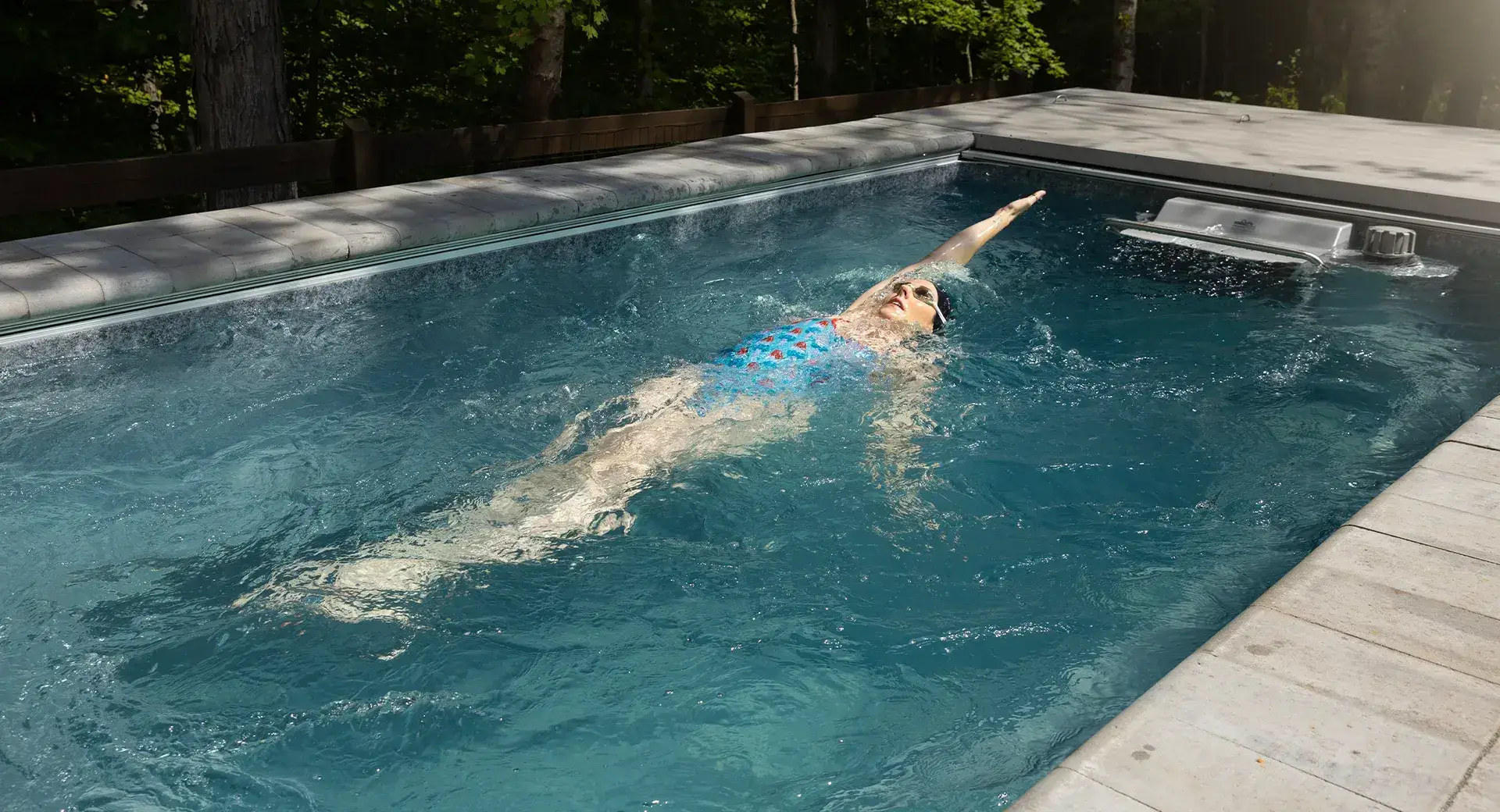
If you’re serious about making cold plunging a regular practice, a professional tub is the ultimate investment in your well-being. Unlike a bathtub filled with ice, these units are engineered to maintain a consistent, therapeutic temperature, usually between 50-60°F. This means no more last-minute trips for bags of ice or guessing if the water is cold enough. Professional tubs also include filtration and sanitation systems, ensuring your water is always clean and ready for you. They are built for durability and designed to be a seamless part of your home wellness routine, offering a safe and reliable way to get the full benefits of cold therapy every single day.
Combine a Sauna for Powerful Contrast Therapy
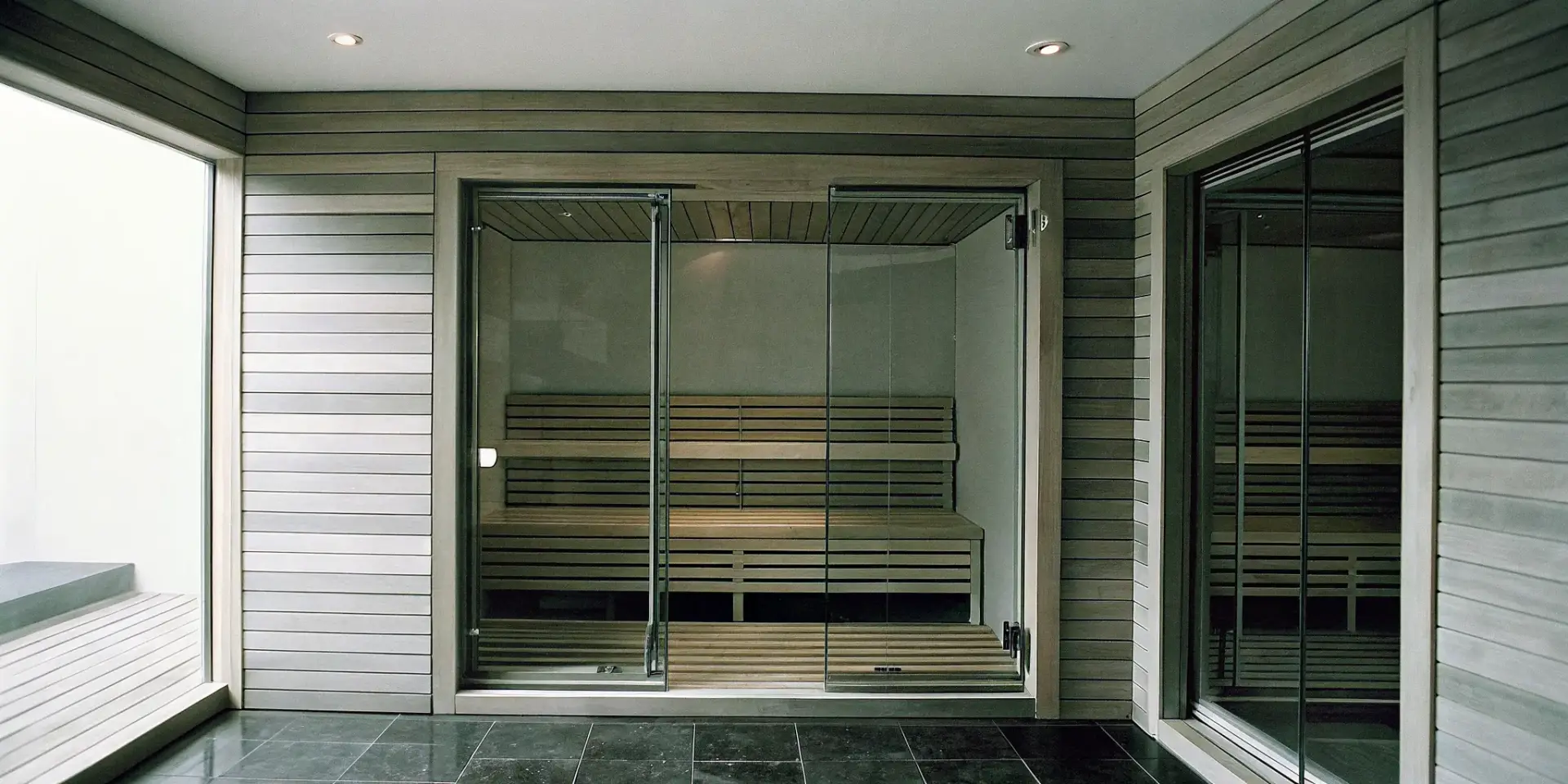
To take your wellness practice to the next level, consider pairing your cold plunge with a sauna. This practice, known as contrast therapy, involves cycling between hot and cold temperatures. The rapid change from the heat of a sauna to the chill of a plunge creates a powerful circulatory response that can amplify the benefits of both. This hot-cold cycle is fantastic for reducing inflammation, improving recovery, and sharpening mental focus. By creating a dedicated space that includes both, you can design your own HydroTherapy Zone at home, making it easy to build a powerful ritual that supports both your body and mind.
Understand the Pros and Cons of DIY Setups
Many people start their cold plunge journey with a DIY approach, like using a stock tank or chest freezer. The main advantage here is the lower upfront cost. However, it’s important to weigh the downsides. DIY setups require constant effort—buying and hauling ice, manually draining and cleaning, and struggling to maintain a consistent temperature. They also lack the built-in safety and filtration features of a professional tub. While a DIY plunge can be a good entry point, a dedicated unit offers a more convenient, effective, and sustainable solution for long-term use. If budget is a concern, exploring flexible payment plans can make a high-quality tub more accessible.
Common Cold Plunge Mistakes to Avoid
Jumping into a new wellness routine is exciting, but to get the incredible mental health benefits of cold plunging, it’s important to do it correctly. A few common mistakes can not only reduce the effectiveness of your practice but also create unnecessary risks. The goal isn’t to endure a brutal, teeth-chattering ordeal; it’s to use deliberate cold exposure as a tool to build resilience and calm your mind. Pushing yourself too hard, too fast, is a recipe for burnout, not balance.
Think of it less like a test of toughness and more like a mindful practice. The key is finding the right balance of temperature and time, creating a consistent habit, and always, always listening to your body’s signals. By avoiding these simple pitfalls, you can ensure your cold plunge journey is safe, sustainable, and truly transformative. Getting these details right is what turns a simple dip in cold water into a powerful ritual for mental clarity and stress relief. It’s about working with your body’s natural responses, not against them.
Getting the Temperature and Timing Wrong
A common myth is that colder is always better, but that’s not what the science says. For mental health benefits, research suggests the sweet spot is between 50°F and 59°F. Going colder doesn’t appear to add significant psychological advantages and can increase risks. Instead of focusing on extreme temperatures, focus on consistency. The goal is to accumulate at least 11 minutes of cold water exposure throughout the week. You can easily achieve this by breaking it down into shorter, more manageable sessions of just two to three minutes each. This approach is far more sustainable and effective than a single, grueling plunge.
The Problem with an Inconsistent Routine
Dipping into an ice bath sporadically won’t give you the lasting benefits you’re looking for. The real magic happens with consistency. Think of it like training a muscle. Regular cold exposure helps train your body’s stress response, making you more resilient to other daily stressors over time. When you plunge consistently, your nervous system learns to adapt and recover more efficiently. This builds a foundation of calm that extends far beyond your time in the water. A one-off plunge might feel invigorating, but a steady routine is what builds true mental fortitude and emotional balance.
Know the Warning Signs: When to Get Out
Your body is your best guide, and it’s crucial to listen to its signals. While some discomfort is part of the process, you should never push through pain or serious warning signs. If you’re new to cold plunging, start with warmer water (around 60°F) and stay in for just a minute or two. Pay close attention to how you feel. Uncontrollable, violent shivering, numbness, dizziness, or confusion are all signs that it’s time to get out immediately. Using a professional-grade system like the Vigor Cold Plunge makes it easy to control the temperature precisely, creating a safer and more effective experience every time.
Make Your Cold Plunge a Lasting Habit
The real magic of cold plunging happens when it becomes a consistent part of your routine. Like any new practice, the first few times are the hardest. But once you find your rhythm, it can transform from a challenge you endure into a ritual you look forward to. The key is to make it sustainable for your lifestyle. Here’s how to build a practice that sticks, so you can experience the long-term mental health benefits.
Design a Sustainable Plunge Schedule
So, how often do you really need to take the plunge? You might be surprised to learn it’s more about consistency than intensity. Research suggests aiming for a total of 11 minutes or more in cold water spread throughout the week. That doesn’t mean one long, intimidating session. You can easily break it down into shorter, more manageable dips of two to three minutes each. Maybe that looks like a quick plunge every other day or four short sessions a week. The goal is to find a schedule that feels achievable and fits into your life without adding more stress. Listen to your body and build a routine you can maintain.
Pair Your Plunge with Other Wellness Habits
One of the best ways to make a new habit stick is to attach it to one you already have. Think about pairing your cold plunge with your morning meditation, post-workout routine, or even right before your first cup of coffee. This creates a powerful wellness sequence. For the ultimate experience, consider combining a sauna session with your plunge. This practice, known as contrast therapy, uses “good stress” to help your body better handle everyday pressures. The cold exposure makes your brain more receptive to feel-good chemicals called endorphins, giving you a natural mood lift that reinforces the habit.
Track Your Progress and See the Benefits
When you’re building a new habit, seeing results is the best motivation. Keep a simple journal and take a moment after each plunge to note how you feel. Are you more focused? Is your energy higher? How did you sleep that night? Studies show that even brief dips in cold water can have a significant impact on your state of mind. Participants in one study reported feeling more energetic, alert, and inspired while feeling less tense and tired. Tracking these small wins provides tangible proof that your efforts are paying off, making it much easier to get back in the water next time.
Related Articles
- 5 Best Ice Bath Tubs for Home (2025 Guide)
- 8 Proven Cold Plunge Benefits for Mind & Body
- What’s the Best Cold Plunge Temperature?
Frequently Asked Questions
How soon will I start to feel the mental health benefits? You’ll likely notice some benefits right after your very first plunge. Many people report feeling an immediate sense of alertness, clarity, and an uplifted mood that can last for hours. The more profound benefits, like improved resilience to stress and better sleep, develop with consistency. Think of it like exercise: you feel good after one workout, but the real transformation happens when you make it a regular practice over several weeks.
What’s the best time of day to take a cold plunge? This really depends on your personal goals and schedule. A morning plunge can be a fantastic replacement for that first cup of coffee, as it boosts norepinephrine and dopamine, leaving you feeling focused and energized for the day ahead. On the other hand, an evening plunge can help calm your nervous system and lower your body temperature, which can lead to deeper, more restorative sleep. The best approach is to experiment and see what time works best for you and your routine.
I’m really nervous about the initial shock. Any tips to make it easier? That initial feeling is completely normal, and there are great ways to manage it. The most powerful tool you have is your breath. Before you get in, take a few deep, calming breaths. As you submerge, focus on a long, slow exhale. This simple action signals to your nervous system that you are safe and in control, which helps override the initial gasp reflex. Also, remember that you don’t have to start at the coldest temperature. Beginning in the high 50s makes the process much more approachable.
Do I have to go all-in at once, or can I ease into the water? You can absolutely ease into it. The goal is to build a sustainable practice, not to torture yourself. Slowly lowering yourself into the water gives your body a moment to acclimate and allows you to maintain control over your breathing. Some people find it helpful to submerge their legs first, then their torso, and finally their shoulders. The key is to find an entry method that feels manageable and helps you stay calm.
Is a professional cold plunge tub really that different from using a bathtub with ice? While a bathtub with ice can give you a taste of the experience, a professional tub is designed to make the practice consistent and effortless. The main difference is the precise temperature control and constant filtration. You don’t have to worry about buying bags of ice or the water getting too warm or dirty. A dedicated tub is always clean, cold, and ready when you are, which removes the biggest barriers to building a lasting habit.