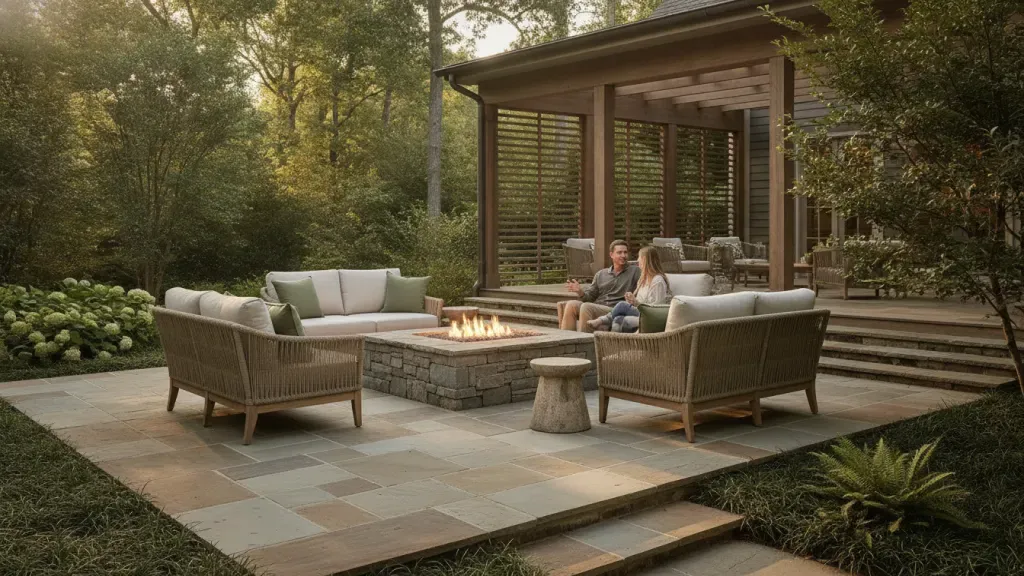
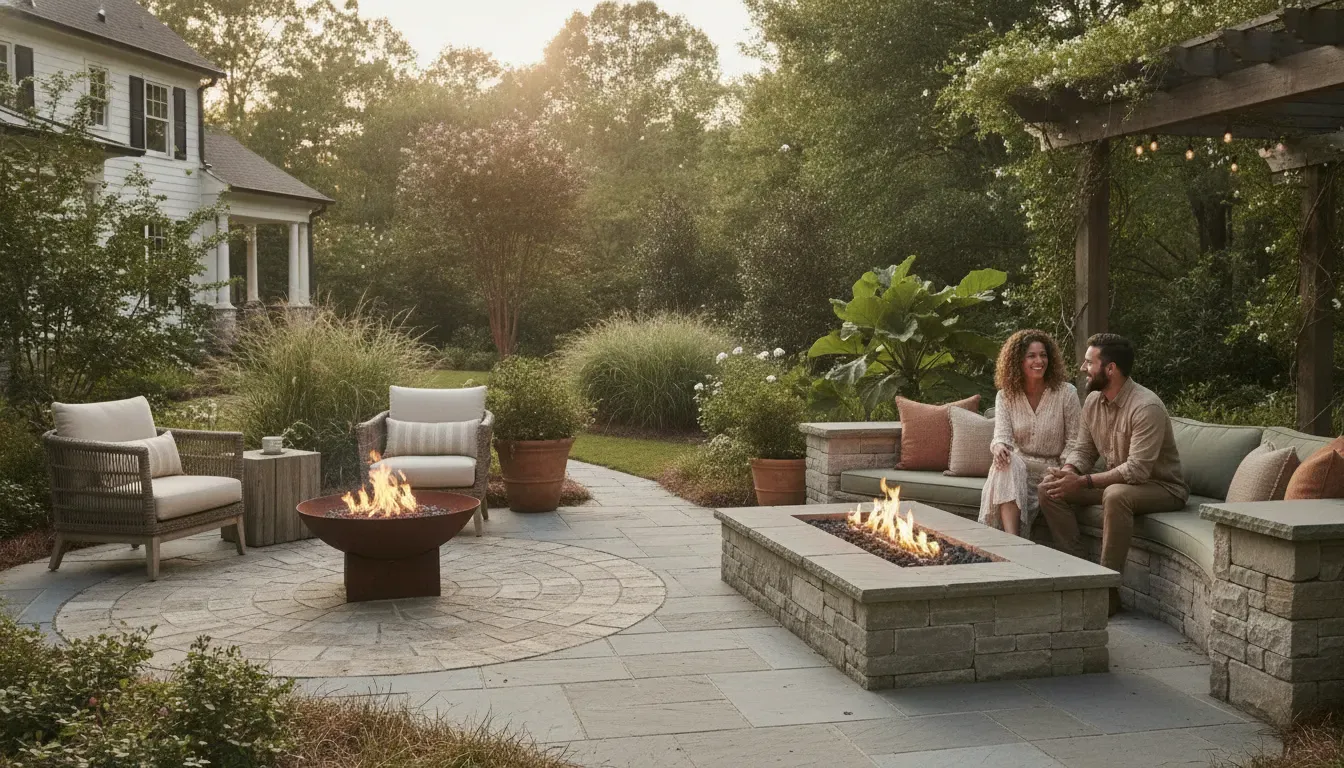
When you picture the perfect fire pit for your backyard, you’re probably thinking about a specific look. Maybe it’s a long, modern fire table that acts as a centerpiece for entertaining, or a feature built into a seating wall that provides a warm, linear glow. The secret to achieving that custom, high-end look isn’t just the stonework—it’s the hardware inside. A rectangular fire pit burner kit is specifically designed to create that long, ribbon-like flame that defines contemporary outdoor design. It’s the key component that allows you to move beyond a standard circular fire and build a feature that truly integrates with your space.
Key Takeaways
- Match Your Burner to Your Gas Supply for a Better Flame: A powerful flame comes from a balanced system, not just a large burner. Ensure your burner’s BTU rating is compatible with your available gas flow to avoid a weak fire, and choose a complete kit to guarantee all components work together.
- Select a Shape and Material That Fits Your Design: The burner’s shape (like an H-burner for long tables) creates the flame’s pattern, while the material impacts its lifespan. Choose durable #304 stainless steel for great value or invest in a brass burner for a lifetime of use.
- Always Prioritize a Professional, Safe Installation: Installing a gas fire pit involves complex gas line work and safety checks that are best left to certified technicians. Professional installation ensures your fire feature operates safely and performs correctly from day one.
What is a Rectangular Fire Pit Burner Kit?
Think of a fire pit burner kit as the engine of your gas fire pit. It’s the complete system that produces those beautiful, consistent flames, all bundled together for a straightforward installation. A good way to understand it is that a kit includes all the essential components to get your fire pit working, but it doesn’t include the external structure or enclosure. This is actually a huge advantage for homeowners who want a custom look, as it allows you to build your fire pit from stone, brick, or pavers that perfectly match your patio aesthetic.
Instead of trying to piece together a burner, igniter, and gas lines from different places, a kit gives you everything you need in one box, designed to work together safely and efficiently. This approach simplifies the process of creating stunning custom fire features, whether you’re designing a long fire table for entertaining or a cozy fire pit to anchor your seating area. It takes the guesswork out of the equation, ensuring all the parts are compatible and meet safety standards. By starting with a high-quality kit, you ensure your fire pit not only looks great but also performs reliably for years to come. It’s the foundational step to bringing warmth and ambiance to your backyard.
What’s Inside the Kit?
When you open a fire pit burner kit, you’ll find a few key parts. The star of the show is the burner itself—the metal tube with holes where the gas comes out and ignites. This burner sits inside a metal pan or tray, which neatly contains it and holds your fire media, like lava rock or shimmering fire glass. The kit also includes all the necessary connection hardware, such as flexible gas hoses and fittings, to connect the burner to your fuel source. You’ll also get an ignition system, which can range from a simple match-lit setup to a convenient push-button or electronic control.
Rectangular vs. Round Burners: What’s the Difference?
The main difference between rectangular and round burners comes down to the shape of the flame and the style of your fire pit. A round burner creates a classic, campfire-like flame that gathers in the center, making it ideal for circular or square fire pits where people gather all around. A rectangular burner, on the other hand, produces a long, linear ribbon of fire. This shape is perfect for rectangular fire tables or long fire pits built into seating walls, providing a more modern look and distributing heat evenly along its length. The choice really depends on the design of your outdoor living space and the kind of atmosphere you want to create.
Key Features to Look For in a Burner Kit
When you start looking at burner kits, you’ll quickly realize they aren’t all the same. The right one will create the beautiful, consistent flame you’re picturing, while the wrong one can lead to a lackluster fire that feels more like a pilot light. The key is to focus on a few core features that determine performance, convenience, and the overall look of your fire feature. Getting these details right from the start ensures your fire pit becomes the stunning centerpiece of your backyard, not a source of frustration.
From the power of the flame to the way you turn it on, each choice impacts your experience. Let’s walk through the most important features to consider so you can feel confident in your decision.
Heat Output (BTUs) and Flame Coverage
The first thing to check is the heat output, measured in British Thermal Units (BTUs). This number tells you how much heat the burner can produce. You’ll find kits ranging from a modest 60,000 BTUs to powerful systems pushing over 700,000 BTUs. While a higher BTU can mean more warmth, it’s not just about raw power. You also want to think about flame coverage. The goal is a full, lively flame that fills your fire pit enclosure, not a tiny fire in a big box. A well-designed burner provides even flame distribution, creating the impressive fire features you see in magazines.
Burner Shapes: U-Shaped, H-Shaped, and T-Shaped
The shape of the burner pipe dictates the shape of the flame. For rectangular fire pits, you’ll typically choose between H-shaped, T-shaped, or U-shaped burners. An H-burner is often the best choice for long, rectangular designs because it provides two full lines of flame, filling the space beautifully and evenly. T-shaped burners work well for specific dimensions, while U-shaped burners can be great for smaller square or corner fire pits. The right shape ensures your fire looks balanced and intentional. During a free home consultation, we can help you match the perfect burner shape to your fire pit’s design.
Ignition Systems: From Match-Lit to Electronic
How do you want to light your fire? You have a few options. A match-lit system is the most basic: you turn on the gas with a key valve and use a long lighter. It’s simple and reliable. A step up is a spark ignition system, which uses a push-button to create a spark, much like a gas grill. For ultimate convenience, an electronic ignition system lets you start the fire with a wall switch or even a remote control. These systems also have built-in safety features that automatically shut off the gas if the flame goes out, giving you total peace of mind.
Fuel Type: Propane vs. Natural Gas
Finally, you’ll need to decide between natural gas and propane. Natural gas is convenient because it connects directly to your home’s gas line, providing an endless fuel supply. It does require professional installation to run the line to your patio. Propane, on the other hand, uses a refillable tank, which offers more portability but requires you to monitor fuel levels. Many burner kits can be converted from one fuel type to another, but it’s best to decide which fuel source works for you before installation. Our in-house technicians can handle the entire gas line setup safely and efficiently.
Choosing the Best Material for Your Burner
When you’re designing a custom fire pit, the burner material is a critical decision. It’s not just about looks—the metal you choose directly impacts your fire pit’s lifespan, flame quality, and how well it stands up to the Carolina weather. Think of the burner as the engine of your fire feature. Investing in a quality material from the start means you’ll spend more time enjoying the fire and less time on repairs. The two main players are stainless steel and brass, and the right choice often comes down to your priorities. Let’s break down what you need to know.
Stainless Steel vs. Brass
The choice between stainless steel and brass is a classic matchup. Brass burners are the premium option, prized for their incredible longevity and efficiency. They often come with lifetime warranties because they are simply built to last. Brass is also engineered to mix air with gas more effectively, creating a fuller, more robust flame while consuming less fuel. On the other hand, stainless steel is a fantastic and more affordable alternative. It’s the most common material you’ll find, available in a huge variety of shapes and sizes. A high-quality stainless steel burner is a durable workhorse, but it generally has a shorter lifespan than brass.
Durability and Weather Resistance
Here in the Carolinas, we get our fair share of humidity and rain. Your fire pit burner needs to be tough enough to handle it all without corroding. This is where material quality really shines. For stainless steel, you’ll want to look for high-grade #304 stainless steel. This specific type is known for its excellent resilience against rust and high heat, ensuring your fire feature remains a beautiful focal point for years. A durable burner is the foundation of a low-maintenance outdoor space, protecting your investment through every season.
How Material Affects Performance
The material and construction of your burner have a huge effect on performance. It’s not just about turning on the gas; it’s about how that gas creates a beautiful, lively flame. Premium burners, like the Crossfire systems we recommend, are engineered for maximum efficiency. They mix fuel and oxygen right at the jet, which produces a taller, brighter, and hotter flame than standard burners. The best part? They achieve this stunning result while using less gas. This smart design enhances the visual appeal of your fire pit and lowers its operational cost over time.
Top Brands for Rectangular Fire Pit Burners
When you start looking at burner kits, you’ll quickly realize that not all are created equal. The brand you choose has a huge impact on your fire pit’s performance, safety, and how long it lasts. A well-made burner from a reputable company will give you a fuller, more consistent flame, stand up to the elements, and operate safely for years. On the other hand, a lower-quality kit can lead to uneven flames, quick corrosion, and potential safety hazards.
That’s why it’s so important to choose a brand known for quality engineering and durable materials. Think of the burner as the engine of your fire pit—it’s the component that does all the heavy lifting. Investing in a good one means more enjoyable evenings by the fire and fewer headaches down the road. We’ve seen firsthand how a premium burner can completely transform an outdoor space, creating a stunning focal point that draws everyone together. Below, we’ll walk through some of the top brands in the industry, including the ones we trust for our own custom fire feature installations.
Our Curated Selections at Fun Outdoor Living
At Fun Outdoor Living, we’ve spent years vetting and installing fire pit burners, so we’ve done the homework for you. Our team selects brands based on strict criteria: superior performance, long-term durability, and excellent safety records. We only work with manufacturers who stand behind their products and share our commitment to quality. When you work with us, you’re not just buying a part; you’re getting a professionally recommended component that we know will integrate perfectly into your overall backyard design. Our experts will help you choose the right brand and model for your specific needs, ensuring your fire feature is both beautiful and built to last.
Montana Fire Pits Crossfire Systems
If you’re looking for incredible performance and efficiency, it’s hard to beat the Crossfire Brass Burner System from Warming Trends, a specialty of Montana Fire Pits. This system is a true game-changer. It’s engineered to produce a taller, brighter flame while using about half the gas of a conventional burner. That means you get a more impressive fire without the high fuel consumption. Plus, the Crossfire system is designed to be smokeless, so you can enjoy the warmth and ambiance without smoke getting in your eyes. It’s an innovative, eco-friendly choice for homeowners who want the best of the best.
SoCal Fire Pits Custom Options
For those who want to fine-tune the look of their flame, SoCal Fire Pits offers fantastic custom options. They provide high-quality rectangular burners in various configurations—like U-shaped, H-shaped, and T-shaped designs—that allow you to create a unique flame pattern tailored to your fire pit’s dimensions. Constructed from premium steel, these burners are built for durability and can withstand harsh weather conditions, ensuring they perform beautifully for years. This level of customization is perfect for creating a truly bespoke fire feature that perfectly matches your personal style and the architecture of your outdoor living space.
Celestial Fire Glass Variety
Celestial Fire Glass is a go-to brand for its comprehensive selection and versatility. They offer a wide array of fire pit burners compatible with both liquid propane and natural gas setups. Whether you need a rectangular, round, square, or linear shape, they have an option to fit nearly any design imaginable. This variety makes it easy to find the perfect component to achieve your desired look and functionality. Their burners provide a solid foundation for any DIY or custom project, ensuring you can build a reliable and aesthetically pleasing fire pit that serves as the heart of your backyard.
How Much Do Rectangular Burner Kits Cost?
When you start planning your dream fire pit, one of the first questions you’ll have is about the cost. The price of a rectangular burner kit can vary quite a bit, depending on factors like its size, the material it’s made from (stainless steel vs. brass), the type of ignition system, and the brand. Think of it as an investment in your backyard’s ambiance and functionality.
Understanding the different price tiers can help you find the perfect balance between your vision and your budget. Whether you’re creating a simple, cozy corner or a show-stopping centerpiece for entertaining, there’s a burner kit that fits your needs. At Fun Outdoor Living, we help you sort through the options to find a high-quality system that will last for years. Let’s break down what you can expect at each price point.
Entry-Level Kits ($299–$800)
For a simple and effective fire feature, entry-level kits are a fantastic starting point. Ranging from about $299 to $800, these kits provide all the essential components you need to create a beautiful flame. They are a cost-effective solution for smaller projects or for homeowners who want a classic, reliable fire pit without extra bells and whistles. While they may not have the advanced features of premium models, they are built to perform well and are perfect for creating the warm, inviting atmosphere you’re looking for in your custom fire feature.
Mid-Range Options ($800–$1,500)
If you’re looking for a step up in materials and features, the mid-range tier, from $800 to $1,500, offers an excellent balance of quality and value. Kits in this category often include higher-grade stainless steel or brass components, more powerful heat output, and more sophisticated ignition options. This price point is the sweet spot for many homeowners, providing enhanced durability and performance that stands up to the Carolina weather. A free home consultation with our design team can help you explore these options and see how a mid-range burner can fit perfectly into your backyard design.
Premium Systems ($1,500+)
For those who want the absolute best in performance, longevity, and safety, premium systems are the way to go. Starting at $1,500 and going up from there, these kits are engineered with the highest-quality materials, like heavy-duty brass, and often feature advanced electronic ignition systems. Many are also CSA-certified, which means they’ve passed rigorous third-party safety and performance standards, giving you ultimate peace of mind. Investing in a premium system ensures your fire pit will not only look incredible but will also operate flawlessly for countless evenings of relaxation and entertainment.
Kit vs. Individual Parts: Which is a Better Value?
You might wonder if it’s cheaper to buy all the components for your fire pit separately. While it’s possible, a complete burner kit almost always offers better value, especially when it comes to convenience and compatibility. A kit includes all the parts you need—the burner, valve, flange, and connections—all designed to work together seamlessly. This eliminates the guesswork and potential compatibility headaches of sourcing individual parts. For homeowners who value a smooth, efficient process, a kit is the clear winner, ensuring your project moves from vision to reality without a hitch.
Safety Features You Shouldn’t Overlook
When you’re dreaming of cozy evenings around a fire, the last thing you want to worry about is safety. A beautiful flame is only enjoyable when you have complete peace of mind. Choosing a burner kit with the right safety components built-in is non-negotiable, but it’s only half the battle. Proper installation is what truly brings it all together, ensuring your fire feature is a source of relaxation, not stress.
Think of these features as the foundation of your fire pit. They work behind the scenes to protect your family and your home, so you can focus on making memories. From automatic shut-offs to ensuring the gas flow is just right, every detail matters. Let’s walk through the key safety elements you need to be aware of before you buy.
Essential Shut-Off Valves and Flame Sensors
A quality burner kit should always include components like shut-off valves and flame sensors. These aren’t optional add-ons; they are critical for preventing gas leaks and ensuring safe operation. A flame sensor, often called a thermocouple, detects whether a flame is lit. If the flame accidentally blows out, the sensor signals the gas valve to close, stopping the flow of unburned gas into the air. An emergency shut-off valve also gives you a quick and easy way to manually cut the gas supply at a moment’s notice. When you invest in a complete kit from a trusted brand, these essential parts are typically included, taking the guesswork out of a safe setup.
Sizing Your Gas Line Correctly
Have you ever seen a fire pit with a weak, sad-looking flame? There’s a good chance the gas line was sized incorrectly. In fact, experts estimate that 90% of poor flame performance is due to a mismatch between the gas flow available and the burner’s BTU rating. The size of your burner should be determined by the gas supply you can provide, not just the size of your fire pit enclosure. An undersized gas line can starve the burner, leading to a low, inconsistent flame, while an oversized one can be inefficient. Getting this right is crucial for both performance and safety, ensuring a consistent and controlled burn every time you use it.
Why Professional Installation Matters
While it might be tempting to tackle this project yourself, installing a gas fire pit is a job best left to certified professionals. A local gas expert, like the in-house technicians on our team, will handle everything from sizing the gas line to ensuring proper pressure and meeting all local permit requirements. A professional installation guarantees that your custom fire feature operates safely and complies with all regulations, protecting your investment and your family. When you partner with us, we manage the entire process from design to the final build, so you can be confident your fire pit is installed perfectly from day one.
Which Burner Shape Fits Your Space?
The shape of your fire pit burner does more than just hold the gas jets—it choreographs the flame. Choosing the right one is key to getting that perfect, mesmerizing fire you’ve been dreaming of. The shape determines how the flame is distributed across your fire pit, affecting everything from the overall look to how evenly the heat spreads. Think of it as the heart of your fire feature; its design dictates the rhythm and reach of the flames. A well-chosen burner creates a full, natural-looking fire, while a poorly matched one can leave you with sad, sparse flames in a big empty fire pit. It’s the difference between a fire that looks intentional and one that looks like an afterthought. The goal is to match the burner’s flame pattern to the dimensions and style of your fire pit structure. This ensures you get beautiful, even coverage without wasting fuel or creating awkward empty spots. Whether you want a cozy corner glow or a dramatic ribbon of fire, the burner shape is where it all begins. Let’s look at the three most common shapes for rectangular pits to help you find the perfect match for your outdoor design.
U-Shaped Burners for Corner Spots
If you’re designing a fire feature for a cozy corner or an L-shaped seating area, a U-shaped burner is an excellent choice. This design concentrates the flame pattern, making it perfect for tucking into smaller spaces without sacrificing warmth or ambiance. The U-shape pushes the flames forward and to the sides, directing heat toward your guests and creating an inviting atmosphere. It’s an efficient way to get a beautiful, full-looking fire in a more compact footprint, making it ideal for intimate conversation nooks on a patio or deck.
H-Shaped Burners for Maximum Flame
For a long, linear fire pit that acts as the stunning centerpiece of your backyard, an H-shaped burner is the way to go. This design features two parallel tubes connected by a crossbar, providing a powerful, full flame that spans the entire length of the fire pit. It’s the best option for larger rectangular designs because it fills the space with a robust, even flame and produces significant heat. If you envision a dramatic “ribbon of fire” to anchor your outdoor entertaining space, the H-burner delivers that impressive visual impact and warmth needed for bigger gatherings. You can see examples of these stunning centerpieces in our outdoor fire gallery.
T-Shaped Burners for Compact Designs
A T-shaped burner offers a fantastic middle ground, providing a balanced flame that works well in a variety of compact or custom-sized rectangular fire pits. This versatile shape provides a strong central flame with a linear branch, ensuring good coverage without the fuel consumption of a larger H-burner. It’s a smart, space-saving solution for medium-sized fire features where you want a fuller look than a single straight burner can provide. Our team can help you visualize how different burner shapes will look in your space during a free home consultation, ensuring your final design is a perfect fit.
Common Mistakes to Avoid When Buying a Burner Kit
Choosing the right burner kit is the key to creating a beautiful and reliable fire feature. But with so many technical details to consider, it’s easy to make a misstep. By steering clear of these common pitfalls, you can ensure your investment brings warmth and ambiance to your backyard for years to come. A little planning goes a long way in building the perfect gathering spot for friends and family.
Mistake #1: Assuming Bigger Means Hotter
It’s a common myth that a larger burner automatically equals bigger, more impressive flames. In reality, the heat and height of your flame have more to do with fuel flow than size. The most important factor is matching the burner’s BTU rating to your available gas supply. An oversized burner connected to an inadequate gas line will produce a weak, disappointing flame. In fact, most poor flame performance comes from this exact mismatch. To get that perfect, roaring fire, you need a balanced system where the components work together seamlessly. This is where a professional consultation can save you from a costly and frustrating mistake.
Mistake #2: Thinking All Burners Are the Same
Not all burners are created equal. They are engineered in different shapes and materials—like stainless steel or brass—for specific reasons. The placement and size of the gas ports, for example, directly influence the shape and behavior of the flame. A standard burner might create a simple, uniform fire, while a more advanced system like a Crossfire burner produces a fuller, more natural-looking flame by mixing gas and oxygen more efficiently. Choosing the right one depends on the design of your fire pit and the aesthetic you want to achieve. Thinking of them as interchangeable is like saying all light bulbs are the same—the right one completely changes the mood of the space.
Mistake #3: Underestimating the Installation
While a burner kit includes the essential components, it’s not quite a plug-and-play project. Proper installation involves connecting gas lines, ensuring adequate ventilation, and securing the burner safely within your fire pit enclosure. Overlooking these steps can lead to poor performance or serious safety hazards. A correctly installed burner not only looks better but also operates reliably and safely. Because we handle every step from design to construction, our in-house installation teams ensure every connection is secure and every component is perfectly placed, giving you total peace of mind. This way, you can focus on enjoying your fire pit, not worrying about how it was put together.
Mistake #4: Overlooking Fuel Compatibility
Finally, one of the most critical details is ensuring your burner is compatible with your chosen fuel source. A burner designed for natural gas will not work correctly or safely with a propane tank, and vice versa. Each fuel type has a different pressure and energy density, and burners are calibrated specifically for one or the other. Mismatching them can result in sooting, low flames, or even dangerous gas pooling. Before you buy, confirm whether you’ll be using a natural gas line or a liquid propane tank, and select a burner kit that explicitly matches that fuel type. This simple check is essential for both the performance and safety of your beautiful new outdoor fire feature.
How to Maintain Your Fire Pit Burner
Your fire pit is the heart of your outdoor living space, and a little routine care goes a long way in keeping it safe, beautiful, and ready for every occasion. Think of it less as a chore and more as a simple habit that protects your investment. Consistent maintenance ensures your burner performs flawlessly, the flames dance perfectly, and you can relax knowing everything is in top shape for years of cozy evenings.
Your Regular Cleaning and Inspection Checklist
Keeping your fire pit burner clean is straightforward. Before each use, give it a quick visual check to make sure the burner ports aren’t clogged with leaves, dirt, or other debris. If you see any blockages, gently clear them with a soft brush. After the burner has completely cooled down, always place a hard cover over the burn area. This is the single best thing you can do to protect it from rain and debris, and it’s often required to keep your warranty valid. Once a month, take a closer look at the gas lines and connections to ensure everything is secure and shows no signs of wear.
Tips for Seasonal Maintenance
As the seasons change, your fire pit’s needs might, too. Before the start of peak fire pit season in the fall, it’s a great idea to schedule a professional check-up. A qualified gas technician can inspect your gas lines, check the pressure, and ensure the ventilation is clear—your enclosure should have at least 18 square inches of ventilation on opposite sides. If you notice the flame looking weak or uneven, don’t try to fix it yourself. Our in-house technicians are trained to service every brand we sell, ensuring your fire feature operates safely and efficiently.
Protecting Your Burner from the Elements
The Carolinas get their fair share of humidity and rain, making proper protection essential. While a cover is your first line of defense, the type of cover matters. Avoid soft, fabric covers that can trap moisture against the burner, which can cause corrosion and may even void your warranty. Instead, opt for a solid metal or aluminum lid that keeps water out completely. When designing your custom fire feature, material choice is also key. For coastal-adjacent areas, aluminum is an excellent choice for the enclosure because it won’t rust, offering superior durability against salty air.
Understanding Your Warranty
A great warranty provides peace of mind, but it’s helpful to know what it covers. Premium systems, like the Crossfire Brass Burners we recommend, often come with a lifetime warranty on the burner itself—a testament to their quality. However, this typically covers manufacturing defects, not issues caused by improper installation or neglect. It’s also important to have realistic expectations for the fire pit structure. Materials like concrete will naturally develop some charring from the flames or form hairline cracks over time due to heating and cooling. These cosmetic changes are a normal part of your fire pit’s life and are not considered warranty issues.
Related Articles
- Rectangular Fire Pit – Fun Outdoor Living
- The Ultimate Natural Gas Fire Pit Burner Kit Guide
- Rectangular Fire Table – Fun Outdoor Living
Frequently Asked Questions
Do I really need a professional to install my fire pit burner kit? Yes, this is one area where you absolutely want to bring in a certified professional. Installing a gas appliance involves connecting fuel lines, ensuring proper ventilation, and meeting local safety codes. Our in-house technicians handle this every day, so they know exactly how to size the gas line to match your burner’s BTU rating. This step is critical for getting a strong, beautiful flame and ensuring your fire pit operates safely for years to come.
Is a brass burner really worth the extra cost compared to stainless steel? For homeowners who prioritize longevity and performance, a brass burner is a fantastic investment. Brass is incredibly durable and resistant to corrosion, which is why these burners often come with a lifetime warranty. They are also engineered to be more fuel-efficient, producing a taller, more robust flame while using less gas. While a high-quality stainless steel burner is a solid and more budget-friendly choice, brass is the premium option for a low-maintenance fire feature that will last a lifetime.
How do I figure out the right BTU rating for my fire pit? The ideal BTU rating isn’t just about the size of your fire pit—it’s about the capacity of your gas line. A common mistake is choosing a high-BTU burner without having a gas line that can support it, which results in a weak, disappointing flame. The best approach is to have a professional assess your home’s gas supply first. From there, we can help you select a burner with a BTU rating that creates a full, lively fire without overwhelming your system.
What’s the easiest ignition system to use? For ultimate convenience, an electronic ignition system is the clear winner. It allows you to start your fire with the flip of a switch or even a remote control, just like turning on a light. These systems also have a built-in safety feature that automatically shuts off the gas if the flame ever blows out. While match-lit and push-button spark systems are reliable and simple, an electronic ignition offers a level of ease and peace of mind that many homeowners find well worth it.
Can I convert a natural gas burner to use propane later on? While some kits come with a conversion option, it’s not always a simple swap. Natural gas and propane operate at different pressures, and burners are specifically designed with different-sized openings for each fuel type. Using the wrong fuel can lead to poor performance and serious safety issues. It’s always best to decide on your fuel source—a permanent natural gas line or a portable propane tank—before you purchase your kit to ensure perfect compatibility from the start.