True athletic recovery is about more than just resting your muscles; it’s about resetting your entire system.
A sauna provides a dedicated space to do just that—a quiet, warm environment where you can disconnect from the noise and reconnect with your body. This simple ritual can calm your nervous system, prepare you for deeper sleep, and sharpen your mental focus for the next day’s training.
This guide will walk you through how to build this powerful habit, showing you where to find the best sauna for athletes in Charlotte and how to create a routine that supports your performance goals.
Key Insight: “Training breaks your body down. Recovery builds it back up. If you skip the recovery, you’re just breaking yourself down.”
Key Takeaways
- Treat Recovery as Training: A consistent sauna routine actively supports muscle repair, improves cardiovascular health, and promotes deep sleep.
- Choose the Right Heat: Use a traditional sauna’s intense heat for endurance and heat adaptation. Opt for infrared for targeted muscle relief.
- A Home Sauna Makes It Easy: While studios are great, a personal sauna makes it simple to build recovery into your daily life. Pair it with a cold plunge for the ultimate advantage.
Why Athletes Use Saunas for Recovery
For athletes, recovery is when your body repairs and gets stronger. A consistent sauna routine is a science-backed tool for improving physical and mental resilience.
This practice is more than a luxury—it’s strategic. By making the body work to cool itself, a sauna provides a gentle cardiovascular workout, improves circulation, and flushes out metabolic waste. Whether you’re a weekend runner or a competitive cyclist, integrating sauna use into your routine makes a noticeable difference.
Recover Faster and Reduce Inflammation
After a tough workout, the deep heat of a sauna increases blood flow, delivering oxygen to tired muscles. This enhanced circulation speeds up the body’s natural healing process. Studies have shown runners who used a sauna after training could run 32% longer before exhaustion.
Improve Cardiovascular Health and Endurance
Regular sauna use trains your heart similarly to moderate exercise. As your body adapts to the heat (heat adaptation), it increases blood plasma volume, which helps regulate core temperature. This translates to better endurance during long competitions.
Sleep Deeper and Manage Stress
Quality sleep is the foundation of recovery. An evening sauna session relaxes tense muscles and calms the nervous system. The subsequent cool-down signals to your body that it’s time to sleep.
Sharpen Your Mental Focus
A sauna offers a space free from distractions to practice mindfulness. For an even greater boost, many athletes pair the heat with a cold plunge. These contrast therapy zones are designed to build mental resilience that translates directly to performance.
What Type of Sauna is Best for Athletes?
Choosing the right sauna depends on your goals. Are you building endurance or soothing sore muscles?
Traditional Saunas: Endurance & Heat Adaptation
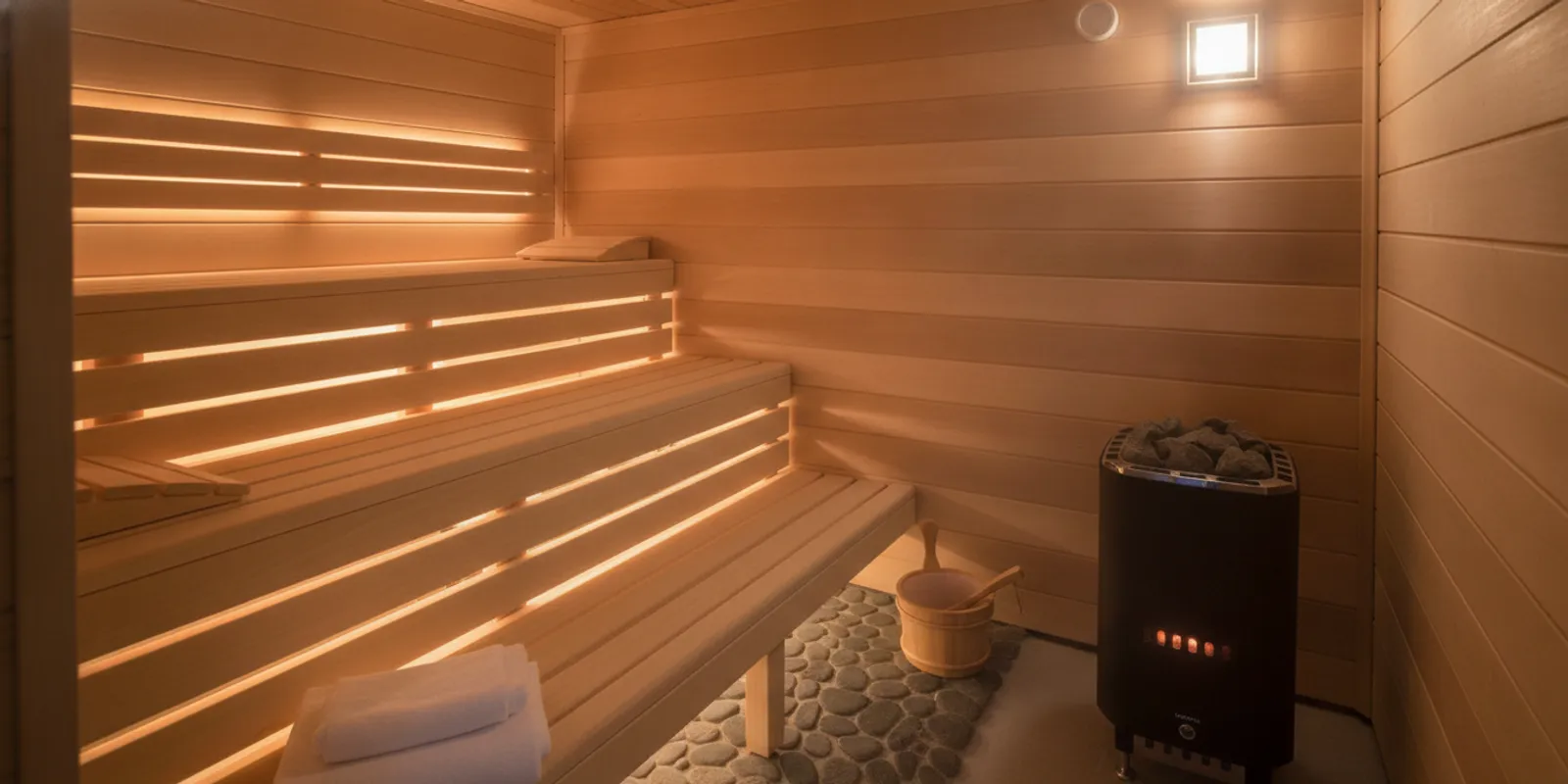
For endurance athletes, a traditional sauna is a powerful tool. The intense, dry heat (175-195°F) challenges your body to adapt, similar to altitude training. It boosts stamina and resilience for long events. It’s excellent for marathoners and triathletes.
Infrared Saunas: Muscle Relief & Relaxation
If your goal is deep muscle recovery, an infrared sauna might be better. It uses light to heat your body directly at a lower ambient temperature. This allows for longer sessions (30-45 minutes) that penetrate deep into muscle tissue to reduce inflammation.
Steam Rooms: Respiratory Support
Steam rooms offer moist heat. The high humidity helps open airways and clear congestion, supporting better lung function. It’s also incredibly soothing for stiff joints.
How to Use a Sauna for Optimal Recovery
Using a sauna is a ritual. To get the most out of it, follow these guidelines.
When to Go and How Long
The best time is after your workout, during your cool-down. Aim for 15 to 20 minutes. This is long enough to increase circulation without over-stressing your system.
Ideal Temperatures and Safety
Traditional saunas typically operate between 150–195°F. Start lower and build up. Hydration is non-negotiable. Drink water before, during, and after. Avoid using the sauna before training to prevent dehydration.
Frequency
Aim for 2–3 sessions per week. This frequency allows your body to adapt, leading to improved endurance and sleep.
Where to Find the Best Saunas in Charlotte
Charlotte has excellent options for every athlete, from drop-in studios to home installations.
Fun Outdoor Living: At-Home Tylo Saunas
Nothing beats the convenience of a home sauna. We partner with Tylo to bring professional-grade saunas to Carolina backyards. A home sauna allows you to create a private ritual without travel or booking.
Perspire Sauna Studio
In Providence Park, Perspire offers private infrared suites. It’s great for a focused, quiet recovery session with red light therapy options.
Sauna House
Located in Plaza Midwood, Sauna House specializes in contrast therapy. You move between a hot traditional sauna and a cold plunge pool. It’s a communal, social environment.
Local Gyms
Centers like the YMCA or Fitness Connection often include sauna access. This is a good starting point to see how your body responds before investing in a specialized studio or home unit.
What to Look for in a Charlotte Sauna Facility
The right facility supports your training goals. Look for professional-grade heaters, access to cold plunges, and a clean environment.
Professional-Grade Equipment
Look for facilities that invest in high-quality equipment like Tylo®, known for consistent heat distribution. You need therapeutic heat, not just a warm room.
Access to Contrast Therapy
Combining heat with a cold plunge amplifies recovery. This cycle flushes inflammation and speeds up muscle repair. Top-tier facilities offer both.
A Clean and Private Space
Recovery is mental, too. Look for a space that feels like a retreat—quiet, clean, and distraction-free.
How Much Do Sauna Sessions Cost in Charlotte?
Memberships vs. Drop-In Rates
Memberships are cost-effective for frequent use. Plans range from $99 to $179 per month. Single drop-in sessions typically cost $40 to $50.
The Long-Term Value of Home Ownership
While studios are great for trial, a home sauna offers unlimited access. When you calculate the cost per use for your whole family over years, a home sauna often becomes the more economical choice. Plus, we offer flexible financing options.
Should You Get a Home Sauna for Athletic Recovery?
Having a sauna at home transforms recovery from a treat into a consistent practice.
The Benefits of Home Recovery
Your recovery space is always ready. No travel, no scheduling. The consistent heat reduces muscle soreness and helps you sleep better.
Build Your Own Contrast Therapy Zone
Take it to the next level by pairing your sauna with a Vigor Cold Plunge. We specialize in designing these HydroTherapy Zones, handling everything from layout to installation.
Is It a Good Investment?
Yes. It’s an investment in your longevity and performance. A free home consultation can help you explore designs that fit your lifestyle.
Related Articles
- The Ultimate Guide to Heat Therapy in Charlotte
- Your Guide to Infrared Sauna Home Installation
- Heat Therapy in Charlotte: Your Ultimate Guide
Frequently Asked Questions
Traditional vs. Infrared for recovery? Traditional is best for endurance and heat adaptation (high heat). Infrared is best for deep muscle relaxation and inflammation (penetrating heat).
How soon after working out? Wait 15–30 minutes to let your heart rate settle. Use it as the final step in your cooldown.
Is it safe to use daily? Yes, but listen to your body. Hydration is key. 2–3 times a week is a great starting point.
What is contrast therapy? It’s moving between hot sauna and cold plunge. This pumps blood through your system, flushing waste and speeding up recovery.
Is a home sauna hard to maintain? No. Quality cedar saunas are durable and require minimal cleaning. They are built for simplicity.