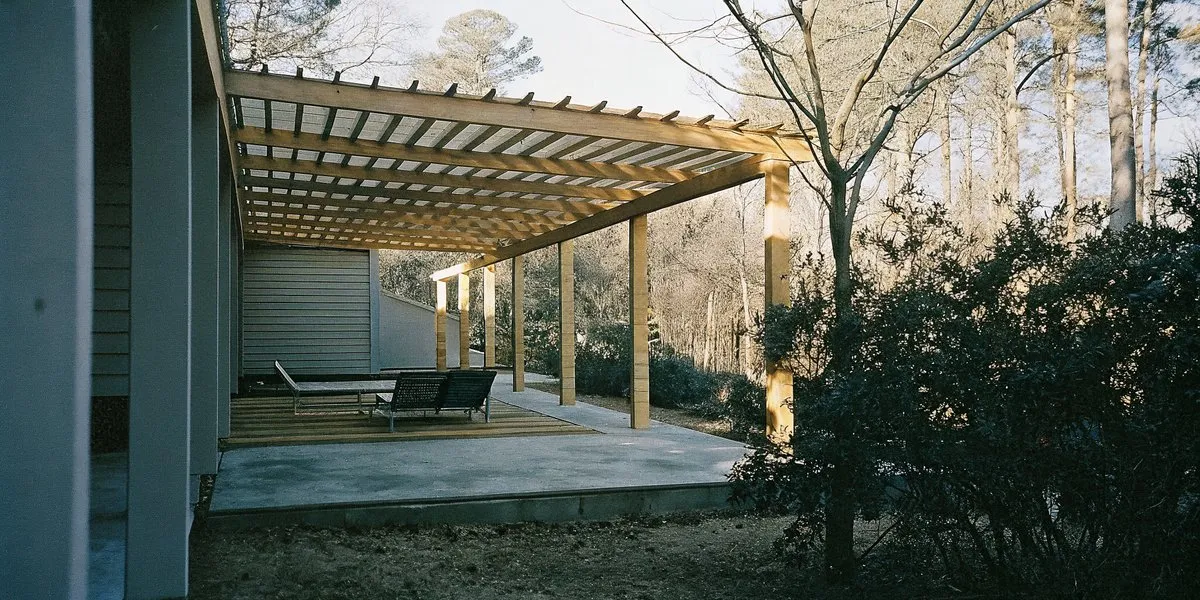
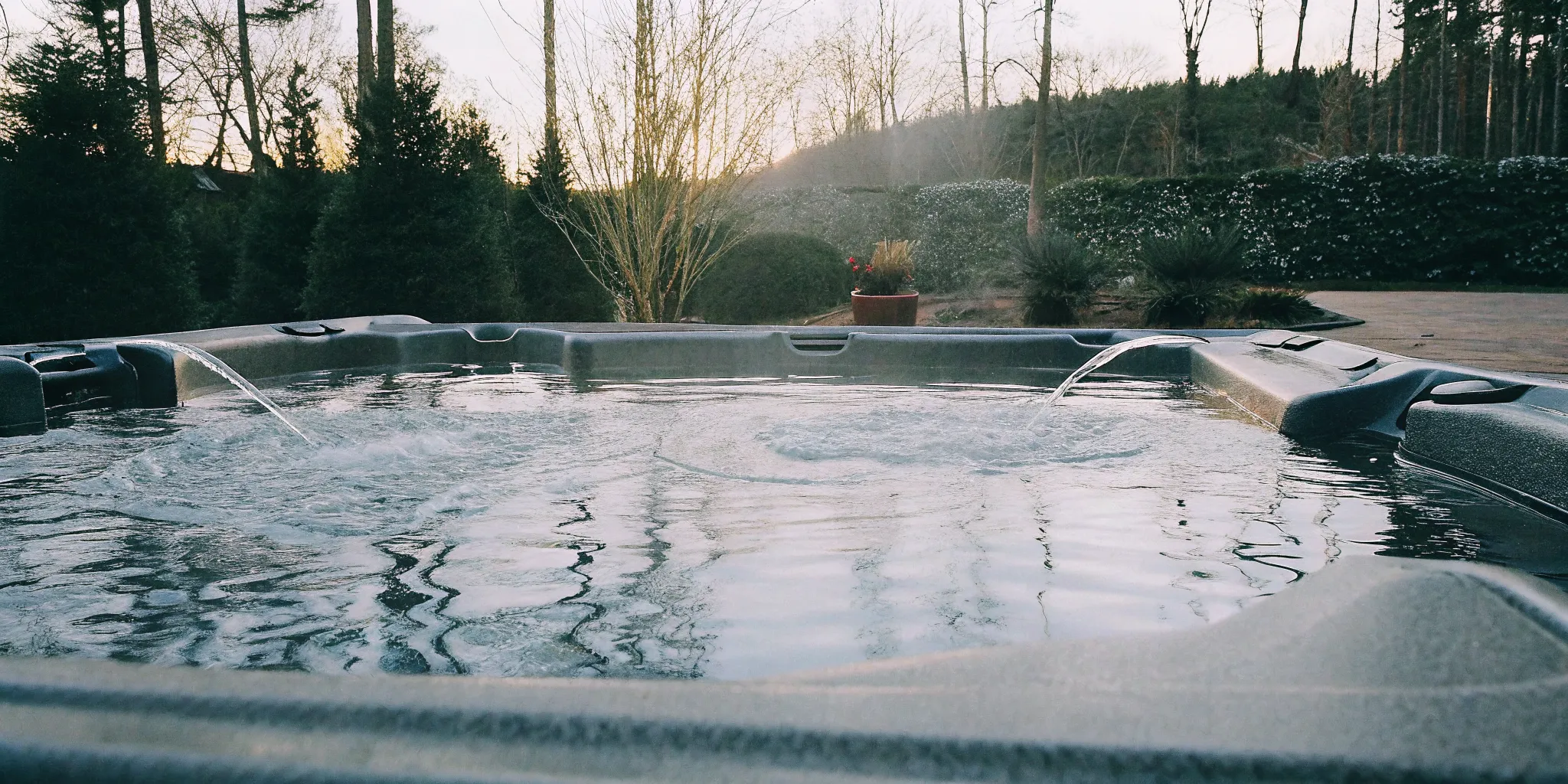
A pergola should make your hot tub easier to enjoy, not harder to uncover or service. In the Carolinas, smart placement also brings welcome shade without trapping humid air.
A pergola over hot tub spaces creates shade, privacy, and a defined place to soak while preserving the open-air feel many Carolina homeowners want. Research suggests shade structures can block up to 90% of heat, making sunny outdoor spaces more comfortable during warm months. The right design leaves room to lift the cover, reach spa equipment, clean filters, complete repairs, and move safely around every side. It also directs sightlines away from neighbors, welcomes prevailing breezes, and adds low-glare lighting for safer evening use after sunset. Plan the spa and structure together so posts, wiring, roof elements, and privacy screens never interfere with routine care or long-term service.
The question is not simply whether a pergola looks inviting. But whether it improves each soak without creating service headaches. “Why put a pergola over hot tub spaces in the Carolinas?” begins with those practical benefits and the climate behind them. Here’s how.
Why put a pergola over hot tub spaces in the Carolinas?
A pergola over a hot tub can make a Carolina backyard easier to enjoy through more of the day and year. It adds welcome shade, a sense of privacy, and a clear place to slow down.
If you are weighing the idea, a free home consultation offers a relaxed way to discuss your yard. You can talk through sun, views, and the spa’s location before choosing a design.
Shade without a closed-in feel
On bright Carolina afternoons, an open pergola can soften direct sun while keeping the spa area connected to the yard. That balance matters when a solid roof would feel too enclosed. Shade also makes the steps, seating, and nearby towel station more pleasant between soaks.
Roof style changes the result. Fixed rafters filter sunlight, while a canopy or adjustable roof can add more cover during light rain. Choose the amount of shelter based on how you use the spa, not on a generic pergola photo.
- Morning users may favor open eastern views and afternoon shade.
- Evening users need gentle lighting that does not glare across the water.
- Frequent hosts may want dry towel storage and a clear path from the house.
Spa-specific planning goes beyond comfort. Posts and rafters must leave room for the cover, equipment panels, and safe movement around wet surfaces. Electrical planning matters too, since a published hot tub electrical rule covers wiring and equipment tied to spas.
Privacy, breeze, and light rain
Privacy works best when it feels intentional, not boxed in. Slatted screens, a planted edge, or a carefully placed wall can shield key sightlines. Keep other sides open enough to catch a breeze and let humid air move away from the water.
A pergola can also frame the spa without making it feel separate from the rest of the backyard. In Charlotte, Matthews, Lake Norman, Rock Hill, and Winston-Salem yards, that may mean aiming openings toward a garden or fire feature. The result feels private from the right angles while remaining part of the full outdoor space.
A calmer routine around the spa
A well-planned pergola supports the small moments around a soak. Hooks keep robes close, soft lights guide the way, and a bench gives you a place to set a drink. These details can make a quick evening soak feel easier to start and finish.
Placement still comes first. Before settling on a style, review how a custom pergola design can align shelter, access, and the surrounding patio. One design team can then plan the structure around cover clearance, service access, drainage, and your daily routine. That creates a spa setting made for real Carolina weather and regular use, rather than a pretty structure that gets in the way.
Plan shade, airflow, and sightlines before you build
A pergola over hot tub equipment should make the spa more comfortable without closing it off from the yard. Start by watching the site at several times of day. Note where direct sun, deep shade, and glare fall across the water. Then mark the views and walking paths you want to keep open.
Reading the sun and breeze
Afternoon sun often matters more than morning light because it reaches the spa when the deck and nearby surfaces are warm. Research suggests that pergolas and other shade structures can block much of the incoming heat. The right rafter angle or adjustable shade can reduce glare while leaving part of the sky visible.
Next, track how air moves through the site. A breeze may arrive from an open lawn, between homes, or across the water near Lake Norman. Keep at least two sides open enough for air to pass through. This helps steam and humid air move away instead of collecting under a solid roof.
- Check the spa area in the morning, late afternoon, and after sunset.
- Notice whether fences, hedges, or walls stop the usual breeze.
- Aim shade toward the hottest exposure instead of covering every side.
- Keep the path from the house clear, dry, and easy to see.
Site conditions can differ across Charlotte, Rock Hill, and Winston-Salem. Mature trees, nearby buildings, slopes, and open yards can change both shade and wind. A thoughtful custom pergola design responds to the actual yard instead of using one fixed layout.
Pay attention after rain and during a soak, too. These checks show where damp air lingers and where water tends to collect. Move solid screens away from those spots. Leave enough open area for the space to dry between uses.
Privacy without a boxed-in feel
Privacy should screen the angles that matter, not seal every opening. Stand at the planned spa location and look toward nearby windows, streets, and gathering areas. Then place a slatted panel, planting bed, or partial wall only where it blocks that direct view.
Preserve a clear sightline toward the yard, pool, fire feature, or play area. This keeps the spa connected to the rest of the backyard. It also avoids the tight feeling that can come from tall panels on all sides.
Place taller screens where they will not block the breeze or cast unwanted shade. Leave open space above and beside each screen so warm, damp air can escape. For a complex site, a free home consultation can help map sun, views, privacy, and airflow before construction begins.
How much clearance does a hot tub pergola need?
There is no single clearance that fits every spa and pergola. The right height leaves comfortable headroom above the spa while allowing the cover and nearby features to work. Start with the exact hot tub model, then plan around its tallest user and all moving parts.
Comfortable overhead height
Measure from the highest surface where a person may stand, not just from the patio. That surface may be a spa step, raised deck, or the hot tub floor. Leave enough room for people to enter, leave, and stand without nearing rafters, lights, or fans.
A taller pergola can feel open, but height also affects shade and privacy. Its final size should balance those goals with the spa height and yard layout. A custom pergola design can account for the sun, sight lines, and comfortable movement before construction begins.
- Check headroom above every step and entry point.
- Include hanging lights, fans, and heaters in the measurement.
- Keep low beams away from the main walking path.
- Allow open air above people seated in the spa.
Clearance for moving parts
The hot tub cover needs room to open fully without hitting a post, beam, wall, or privacy screen. A cover lifter may move the folded cover behind or beside the cabinet. Use the lifter maker’s clearance specs, and test its full path on the plan.
Steps and handrails also need clear working space. People should be able to use them without turning around posts or squeezing through a narrow gap. When planning a hot tub installation, map the entry path from the house through the pergola and into the spa.
- Mark the cover lifter’s full open and closed positions.
- Check that handrails can be held from each step.
- Leave a direct, clear route around wet walking areas.
- Confirm doors and gates can still swing as planned.
Service and code access
Do not place pergola posts, screens, or built-in seating against removable cabinet panels. A technician needs space to remove panels and reach pumps, controls, filters, and electrical parts. The route to those parts should remain clear after landscaping and furniture are added.
Hot tub wiring and equipment fall under dedicated electrical safety rules, so post placement must preserve the planned electrical layout. Requirements can vary by location and project. Check local code, permit rules, and HOA limits before setting the pergola height or posts.
Bring the spa model dimensions, cover lifter specs, and accessory list to the design review. A professional can then check overhead room, service access, structural needs, and local rules together. This step helps prevent a comfortable-looking plan from blocking a panel or cover later.
Compare pergola options for a hot tub area
A pergola over hot tub seating can range from open shade to a fully covered outdoor room. The right choice balances sun control, privacy, airflow, and clear access for routine spa service.
Open shade or adjustable cover
An open pergola keeps the space bright and lets steam escape with ease. Its rafters soften direct sun without sealing in warm, damp air. Research suggests that shading structures such as pergolas can block much of the heat reaching an outdoor area.
A louvered roof gives you more control during strong sun or light rain. When open, the louvers improve airflow and release moisture. When closed, they offer more cover but need planned drainage and routine cleaning.
| Option | Best use | Main trade-off | Airflow | Privacy | Maintenance access |
|---|---|---|---|---|---|
| Open pergola | Light shade and an open-air feel | Limited rain cover | High | Low unless landscaping is added | Usually simple |
| Louvered pergola | Adjustable shade and rain control | More moving parts to maintain | High when open | Low to moderate | Simple with enough clearance |
| Pergola with privacy screens | Close neighbors or exposed yards | Screens can trap steam | Moderate to low | High | Depends on screen placement |
| Covered pavilion or gazebo | Strong weather cover | Needs the most moisture planning | Moderate to low | Moderate to high | Must be designed into the layout |
Privacy without trapped moisture
Privacy screens work well when one side of the spa faces a road, neighbor, or busy patio. Slatted screens often feel less enclosed than solid walls. They can also preserve breeze paths while blocking key sight lines.
More enclosure brings more privacy, but it can also hold steam near the roof and walls. Leave open paths for air to move through the space. Place screens where they will not block the cover lifter, controls, or equipment panel.
Service access and long-term care
Each structure needs enough room around the spa for cleaning, repairs, and cover use. Posts, screens, and built-in seating should stay clear of service panels. Explore custom pergola design ideas before fixing those elements in place.
A pavilion or gazebo needs the most careful planning because its solid roof changes drainage and moisture flow. Electrical equipment and wiring must also remain safe and accessible. Hot tub electrical work is subject to rules for spa wiring and equipment.
Before choosing, picture how a technician would reach every side of the spa. Then test the cover path and walkways on the plan. This simple check can prevent a private retreat from becoming hard to maintain.
Electrical, lighting, and maintenance access come first
Plan the spa and pergola together
A pergola over hot tub equipment must do more than provide shade. Its posts, footings, beams, and added features must work around the spa’s pumps, controls, panels, and cover. Planning both parts together helps prevent a good-looking structure from creating a hard-to-service spa.
Start by mapping every removable equipment panel and the space needed to pull it clear. Leave an open path from the yard or patio to the equipment bay. A technician may need room to carry tools, replace a pump, or reach a control panel. Review the service request process before finalizing the layout so future access remains practical.
Pergola posts should never sit in front of spa panels or crowd the equipment compartment. Footings also need careful placement, since they can conflict with buried lines, drainage routes, and the spa base. If the hot tub already exists, measure the whole service zone before choosing post locations.
Safe electrical and lighting plans
Hot tubs combine electricity, water, pumps, filters, and outdoor exposure. Electrical codes cover the wiring and equipment used with spas, as shown in this hot tub and spa electrical rule. A licensed electrical and code professional should plan, install, and inspect all electrical details. This work is not a DIY step.
Share the full pergola plan with that professional before construction starts. The plan should show posts, footings, spa equipment, panels, lighting, switches, and any powered pergola features. Early review can reveal conflicts before concrete is poured or wiring is routed.
Lighting should make entry steps, nearby walking paths, and the spa edge easy to see after dark. Place fixtures so they light key areas without shining into a seated user’s eyes. The electrical professional can select safe fixtures and decide where controls and wiring belong.
Drainage and long-term access
Water needs a clear route away from the spa base, pergola footings, and service area. Account for rain, splashes, routine water care, and times when the spa must be drained. Avoid creating a low spot where standing water can collect near electrical equipment or make service access muddy.
Think through major repairs as well as routine care. A clear service path should allow panels to come off and large parts to move out. It should also leave space for safe work around the spa. Browse the hot tub gallery to see how spas can fit within complete outdoor spaces without losing practical access.
Before construction, ask the spa designer, pergola designer, and licensed electrical professional to review one coordinated plan. Confirm access, drainage, lighting, footings, and electrical clearances together. That review protects the finished look while keeping the hot tub easier to own and maintain.
Can you build a pergola over an existing hot tub?
Yes, but the existing spa location must be checked before planning pergola posts, footings, wiring, or overhead parts. The goal is to add shade without limiting safe use, cover movement, drainage, or future service access.
Site and structure checks
Start with the surface below the spa and the proposed posts. A slab, paver area, or deck may support the hot tub yet need separate pergola footings. For an elevated site, review the framing and load path before changing a deck with hot tub.
Then check local setbacks, permit rules, and HOA standards. These checks can affect pergola height, roof style, placement, and the distance from property lines. Complete them before choosing materials or setting an installation date.
Inspect the site after rain, if possible. Note where water collects and how runoff leaves the spa area. Pergola footings and posts should not create new puddles or block the route used to reach the hot tub.
Clearance and utility planning
Map the spa before drawing the pergola. Mark each equipment panel, drain, control, step, handrail, and the route used for service. Open and close the cover fully, including its lifter, to show the space that must stay clear.
Use that map to choose post locations and overhead clearance. Posts should not block panels, narrow the walking path, or interfere with the cover. Review examples in the decks, porches, and pergolas gallery while considering the right layout for the site.
Plan lighting and electrical work together. Hot tub electrical rules cover wiring and equipment linked to the spa, so coordination matters. The electrical code provisions for hot tubs and spas show why qualified review is part of planning.
A protected installation sequence
Once the plan is approved, use a clear sequence that keeps the existing spa protected and accessible:
- Document the current spa condition, base, deck framing, nearby drainage, and all utility routes.
- Confirm permits, setbacks, HOA limits, post locations, footing needs, and the final pergola height.
- Test the cover lifter and remove access panels to confirm that planned posts leave enough working room.
- Coordinate lighting and electrical details before digging, drilling, or attaching any part near the spa.
- Cover the spa during construction, while keeping protective material away from active tools and hot work.
- After installation, clear debris and test the cover, controls, steps, lights, panels, drainage, and service route.
Scheduling also matters. Plan any needed spa shutdown with the installation crew, then protect the shell, cabinet, and water throughout the work. A final walk-through should confirm that every spa feature still works as intended.
Privacy screens, plants, and lighting shape the mood
Privacy without a closed-in feel
A pergola over hot tub seating should create privacy without making the spa feel boxed in. Start by mapping views from nearby homes, doors, streets, and the main family gathering areas. Then screen the few angles that need coverage instead of closing every side.
Slatted screens and partial walls block direct sightlines while leaving room for air to move. Curtains offer flexible cover when guests visit, yet they can stay open during quiet family evenings. For a tailored layout, a custom pergola design can place each screen where it adds the most value.
- Use vertical slats where neighboring windows overlook the spa.
- Place a partial wall behind the main seating position.
- Add curtains on the most exposed side for flexible cover.
- Keep service panels, walkways, and steps clear.
Plants that soften the edges
Plants can fill small sightline gaps and make the structure feel settled into the yard. Use layered heights, with low plants near paths and taller choices along the outer edge. Keep leaves, roots, and soil far enough from the spa to limit debris and protect access.
A mixed plan also changes with the seasons without relying on one dense hedge. Evergreens can hold the visual boundary through winter, while smaller pots add color near the pergola. Leave open space above and around the water so steam and warm air can escape.
Layered light for evening routines
Lighting works best in zones. Soft light under the rafters sets a calm mood, while low path lights help family members move between the house and spa. Aim each fixture away from seated faces and nearby homes to limit glare.
Shade also affects comfort before the sun goes down. Research suggests structures such as pergolas can block up to 90% of heat. Pair that shade with focused evening light, rather than one bright fixture above the water.
Test the view from inside the spa, the house, and the closest property line before fixing lights in place. This quick check reveals harsh reflections and dark steps. It also helps preserve a calm setting for late soaks without sending unwanted light across the neighborhood.
Privacy and lighting choices should support the way your family will use the space all year. To compare layouts in a working spa setting, reserve a test soak before finalizing the plan.
A single design-build partner reduces missed details
A pergola over a hot tub works best when every part of the space is planned together. When one team plans the spa, deck, pergola, lighting, and access points, fewer details fall between separate scopes. The plan can account for how people enter, where water drains, and how technicians reach key parts. That coordination matters long after construction ends.
One plan for connected systems
Electrical planning cannot be treated as a late add-on. Electrical rules for hot tubs and spas cover wiring and related equipment, including pumps and filters. A shared plan helps keep power routes, pergola posts, and spa service panels from competing for the same space.
The same plan should reserve room for the cover lifter, filter care, panel removal, and routine repairs. It should also coordinate deck loads, steps, drainage, airflow, and lighting before crews begin. Reviewing these details during custom pergola design helps the structure support the spa instead of getting in its way.
This joined approach is useful when a project includes more than a spa and shade structure. Deck rails, privacy screens, seating, and paths all affect how people move around the water. Planning them together can reduce awkward gaps and help preserve clear routes for future care.
A clearer design before construction
A 3D design lets homeowners see how the pergola, spa, deck, and nearby features will relate before construction starts. It can show whether posts crowd the steps or whether a roof line makes the space feel closed in. That view makes it easier to adjust the plan while changes are still simple.
At Fun Outdoor Living’s regional showrooms, homeowners can compare spa sizes, covers, materials, and comfort features in person. A free home consultation brings the same planning to the site, where grade, sunlight, and existing structures are easier to assess. This gives the design team a fuller picture of the backyard.
Long-term service and phased planning
Construction is only the first phase of a hot tub setting. An in-house service team can work from the original design and understand why access points were placed where they are. Clear space around the spa also makes water care, seasonal checks, and repairs less disruptive.
One partner can also phase a larger backyard plan around the homeowner’s schedule and budget. Homeowners can discuss financing options while deciding which features belong in the first phase. The result is a coordinated plan that accounts for daily use, upkeep, and later additions from the start.
Frequently Asked Questions
Do I really need a pergola over my hot tub?
No, a hot tub can operate without a pergola. However, a well-planned pergola adds shade, defines the soaking area, and can improve privacy. Research suggests that shading structures such as pergolas can block up to 90% of heat. That shade can make daytime use more comfortable during hot Carolina summers.
How high should a pergola be over a hot tub for easy access?
The right height depends on the spa, users, and roof design rather than one universal measurement. Allow comfortable standing headroom above the spa and space for steam to escape. Check the raised height of the cover and cover lifter before finalizing dimensions. Also confirm that beams, lights, and fans will not interfere with entry, exit, or routine care.
Can you build a pergola over an existing hot tub?
Yes, a pergola can be built around an existing hot tub when the site can support the structure. Before construction, map the spa equipment panel, electrical route, cover movement, drainage, and walking path. Keep pergola posts away from service panels and buried utilities. A designer should also confirm local permit rules and whether the existing patio or deck can support the pergola.
Do I need a privacy screen for my hot tub pergola?
A privacy screen is optional, but it may help when neighboring homes or streets overlook the spa. Place screens only where they block unwanted views, while preserving pleasant sightlines and airflow. Slatted panels, landscaping, or partial walls usually feel less enclosed than solid walls. In the humid Carolinas, avoid surrounding every side because trapped moisture can make the area uncomfortable.
How do I ensure good airflow under a pergola over a hot tub?
Keep at least two sides mostly open, and avoid placing solid privacy panels where they block prevailing breezes. An open or adjustable roof also helps warm, moist air escape. Position ceiling fans and lights so they meet applicable electrical requirements for spa areas. Keep posts and fixtures clear of equipment panels so technicians can complete hot tub service safely.
Ready to plan your hot tub pergola?
A pergola works best when it is planned with the spa, deck, wiring, lighting, privacy, and service access in mind from the start. That is especially true in Carolina backyards, where sun, humidity, stormwater, and neighborhood sightlines all shape daily comfort.
If you are comparing layouts or trying to decide whether a pergola over hot tub space makes sense for your home. Fun Outdoor Living can help you talk through the trade-offs without pressure. Book a free home consultation to start planning a backyard that feels easier to use and easier to maintain.