In the Carolinas, a backyard can be inviting one hour and uncomfortably bright the next. A well-planned pergola creates a more usable place for morning coffee, family meals, and evenings outside, while giving the rest of the landscape a clear sense of structure. The right design also accounts for humid summers, changing sun angles, and how your family actually uses the yard.
The best pergola design ideas balance shade, airflow, materials, and connection to the home. An attached pergola can extend an indoor living area naturally, while a freestanding structure can create a separate outdoor room. Roof style and finish then determine how flexible, private, and comfortable that space feels.
Choosing between those two layouts is the practical starting point. Consider the relationship between your house, patio, deck, and yard, along with whether the pergola is meant for dining, lounging, entertaining, or a combination of uses.
Pergola Design Ideas: Attached vs. Freestanding Pergolas: Which Design Fits Your Carolina Backyard?
The best choice depends less on a trend and more on how your backyard connects to the home. An attached pergola extends an existing living area, while a freestanding structure gives you more freedom to create a destination elsewhere in the landscape. Both approaches can be tailored to the layout, architecture, and way you expect to use the space.
| Consideration | Attached pergola | Freestanding pergola |
|---|---|---|
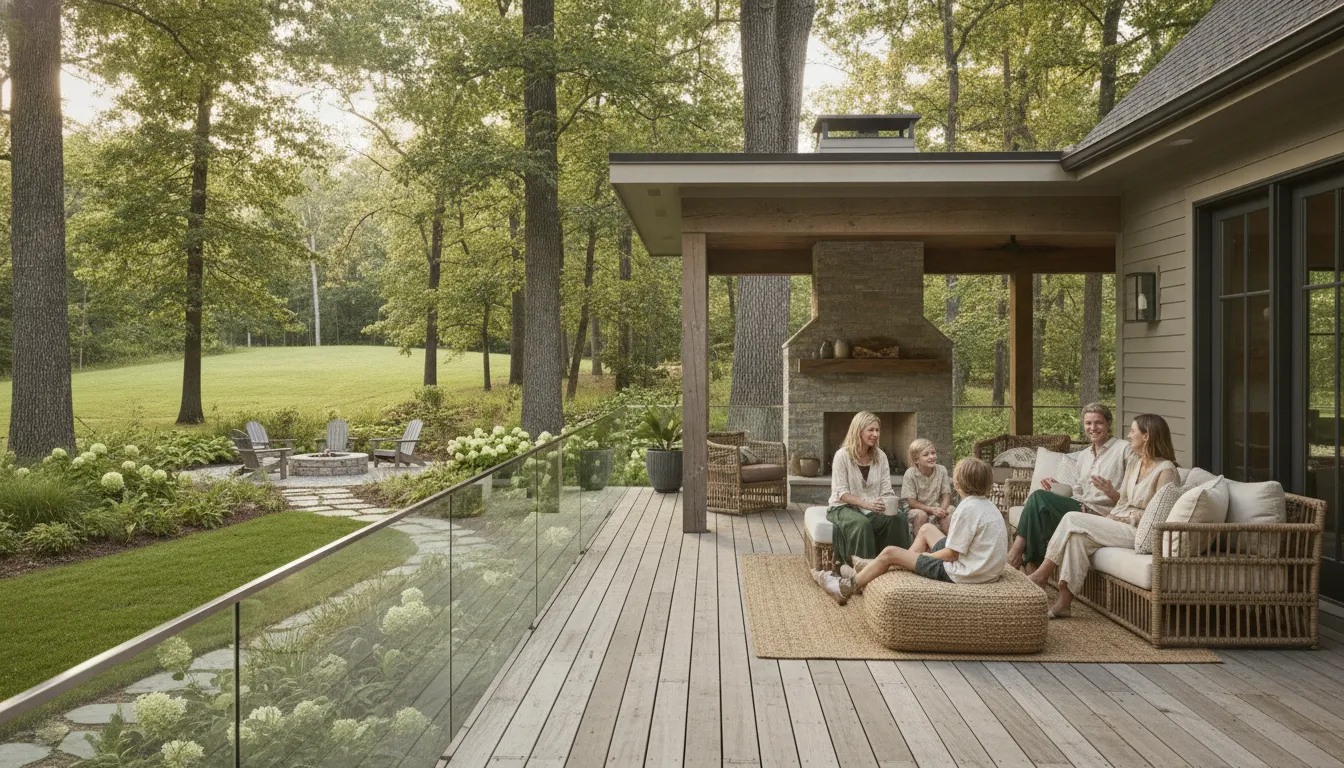
| Best connection | Mounts to the home structure and creates an immediate transition from an indoor room, porch, or back door to the patio. | Stands independently, allowing you to position it around existing trees, a pool, garden, or another backyard feature. |
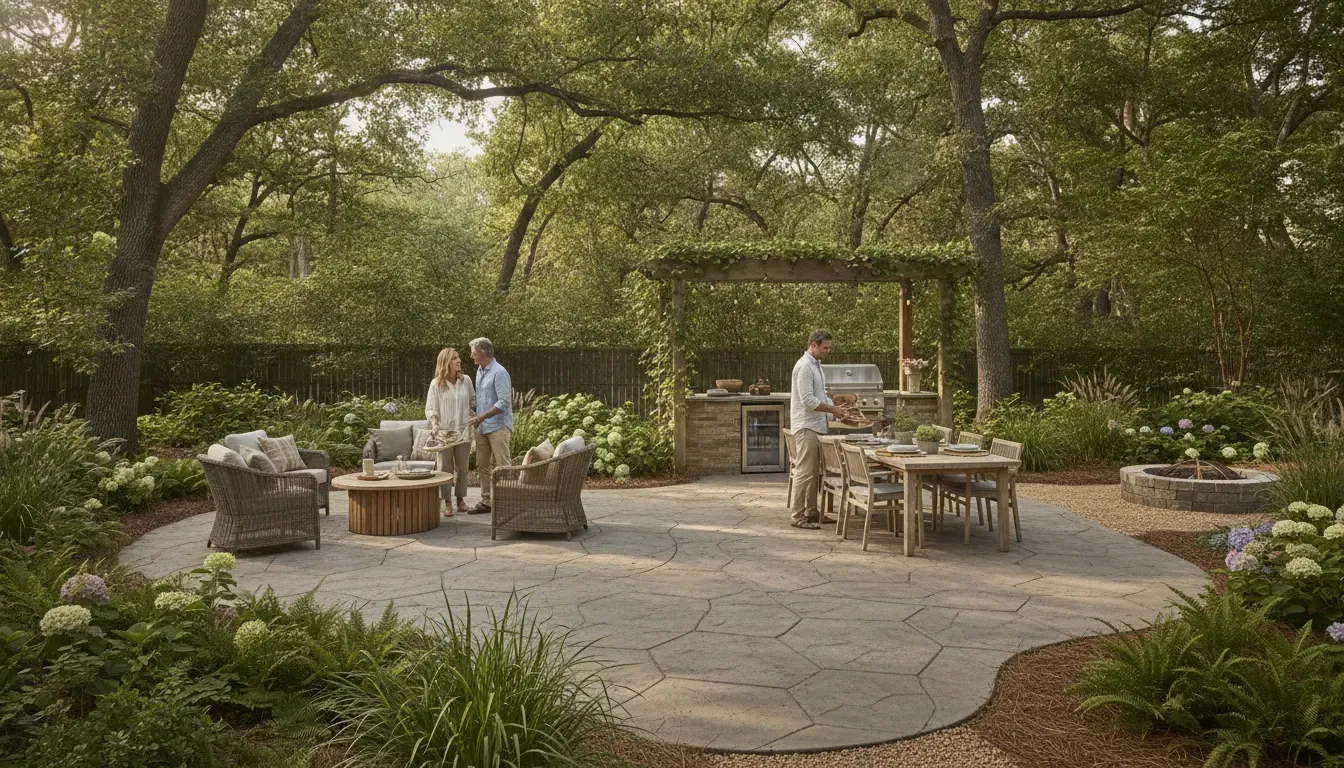
| Yard size and layout | Often works well when the usable space is close to the house or when you want to make a smaller patio feel like an outdoor room. | Offers more placement freedom in a larger landscape and can define a separate room for dining, lounging, or gathering. |
| House architecture | Should complement the roofline, siding, windows, doors, and existing patio so the addition feels intentional rather than attached afterward. | Can serve as a visual focal point without requiring the structure to match every detail of the house, though materials and proportions should still relate. |
| Intended use | Convenient for outdoor dining, grilling, or seating directly outside the kitchen or family room. | Well suited to a dedicated retreat, poolside shade, garden seating, or a larger entertaining zone away from the house. |
| Planning priority | Confirm the connection to the home and how the structure will frame doors, windows, circulation, and views. | Plan the foundation, walking route, utilities, furniture arrangement, and relationship to the rest of the yard. |
In practice, attached pergolas are a natural fit when convenience and indoor-outdoor flow matter most. Freestanding designs are more flexible when the yard has room for a distinct destination. The right answer may also combine both ideas, such as a house-mounted shade structure with a separate seating or fire area farther out in the yard.
Review the pergola gallery to compare how different proportions and placements can shape a Carolina backyard. A thoughtful design considers the home, existing hardscape, afternoon sun, and the daily routines you want the space to support.
Choosing the Best Pergola Materials for the Carolina Climate
Material choice affects more than the look of a pergola. In North and South Carolina, a structure needs to stand up to humidity, intense afternoon sun, seasonal rain, and the maintenance routine you are realistically willing to keep. Cedar, vinyl, and aluminum can all work well, but each creates a different balance of warmth, upkeep, and long-term performance.
Cedar: natural character with ongoing care
Cedar is a strong choice when you want the pergola to feel connected to the landscape. Its natural grain gives a patio or garden a softer, more traditional appearance, and cedar is valued for resistance to decay. It also develops a silver-gray patina over time if left unfinished.
That natural appearance does require attention. Routine staining helps preserve the original color and adds another maintenance item for a homeowner to plan around. In a humid Carolina setting, good detailing, drainage, and appropriate finishing matter just as much as the wood species. Cedar is especially appealing when the goal is a warm gathering space that will age with the backyard rather than look highly manufactured.
Vinyl: a clean look with very little maintenance
Vinyl is a practical option for homeowners who want a crisp, consistent appearance without regular staining or sealing. It will not rot or warp like untreated wood, and it is generally considered virtually maintenance-free. The tradeoff is visual: vinyl does not provide the organic texture or changing character of real cedar.
Cost depends on size, roof style, site conditions, and customization. As a reference point, a 10-by-12 Serenity Vinyl Pergola listed in Lake Lure, North Carolina, was shown at $6,284. That example is not a project quote, but it illustrates why vinyl is often considered when a homeowner is comparing lower-maintenance approaches.
Aluminum: durable, modern, and well suited to advanced roofs
Aluminum offers a streamlined look and generally requires little maintenance in humid climates. It resists warping and rot, making it a useful choice when consistent performance matters more than a wood-like finish. Aluminum is also a natural fit for many louvered roof systems, where adjustable shade and ventilation are part of the design.
The best decision usually comes from looking at the whole backyard, not the material in isolation. Consider how much afternoon sun the seating area receives, whether the pergola connects to a patio or outdoor kitchen. And how you want it to look several years from now. Fun Outdoor Living handles custom fabrication in its Monroe, NC facility, with in-house teams supporting quality control and project integration. Explore the custom pergola gallery to compare different directions before choosing the finish and structure that fit your home.
Louvered vs. Solid Roof Designs: Finding Your Ideal Shade Solution
Roof style shapes how often you use a pergola, especially through a Carolina summer. The right choice depends on how much control you want over sunlight, how exposed the space is to rain. And whether the structure will shelter an outdoor kitchen, dining area, or lounge.
| Consideration | Louvered roof | Solid roof |
|---|---|---|
| Sun control | Adjustable louvers allow you to switch between full sun and full shade. You can open the roof for an open-sky feel or close it when the afternoon sun becomes uncomfortable. | Provides nearly 100% shade, making it a strong choice when consistent relief from direct sunlight is the priority. |
| Rain protection | Closed louvers can add protection during passing showers, while the open position allows sunlight and ventilation when the weather clears. | Offers a more consistent sheltered area during rain, which is useful for outdoor kitchens, dining, and furniture that should stay protected. |
| Airflow and comfort | Opening the louvers naturally increases ventilation. A ceiling fan can improve airflow further during humid Carolina summers. | Ceiling fans are especially helpful beneath a solid roof, keeping air moving when the space is enclosed from above. |
| Best fit | Ideal for homeowners who want one outdoor room to adapt throughout the day, from morning sun to afternoon shade. | Ideal for homeowners who want dependable shade and weather coverage for a defined living or entertaining zone. |
Start with the sun, not just the roof
Site orientation is key to maximizing shade when the Carolina sun is most intense in the afternoon. A designer should study the home’s windows, existing trees, patio edges, and the direction of late-day sunlight before setting the posts or selecting the roof. That planning can make a louvered system more effective and help determine where a solid roof will provide the greatest daily benefit.
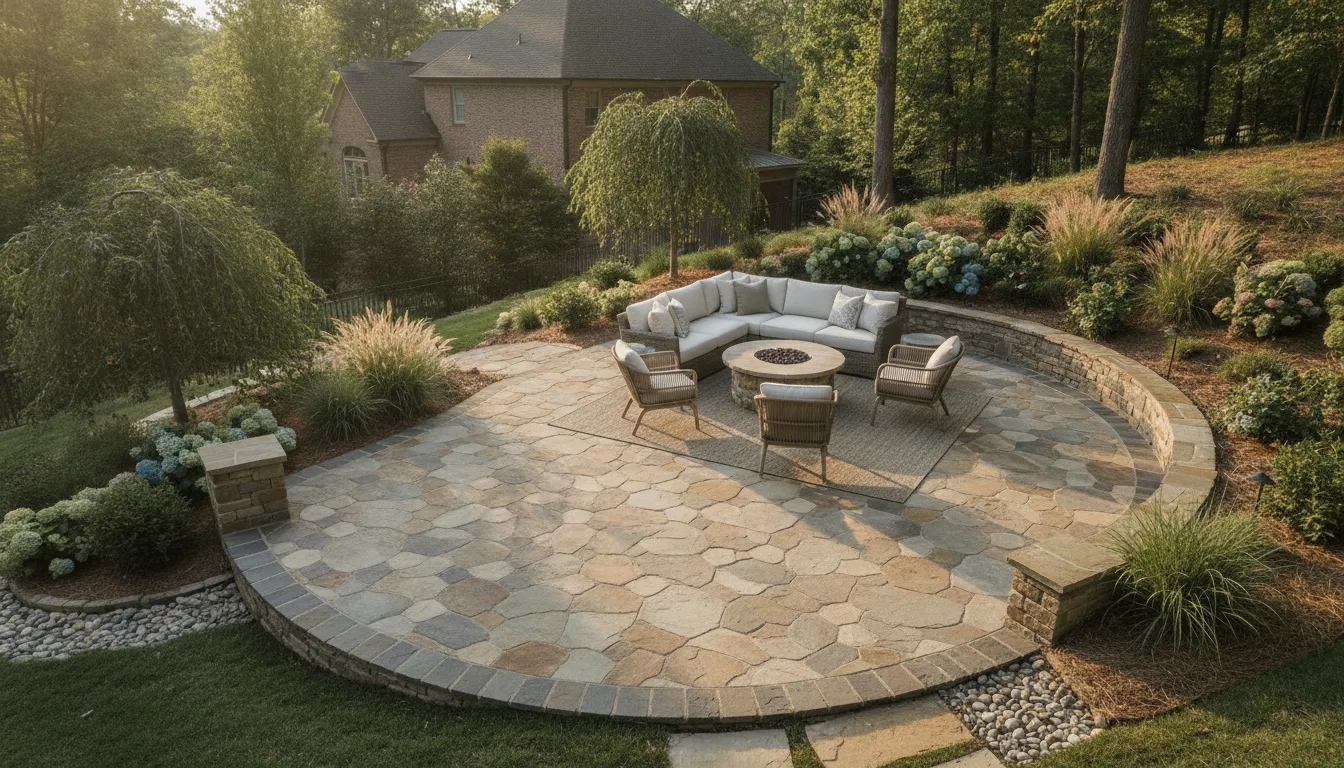
The roof should also work with what is already underfoot. If the pergola will sit beside a dining area or outdoor kitchen, coordinate its footprint, drainage, lighting, and circulation with the patio. Our paver patio design guide offers more context on building a cohesive foundation for outdoor living.
Designing a Pergola That Extends Your Carolina Outdoor Living Season
In North and South Carolina, a thoughtfully designed pergola can turn a patio into a place you use well beyond the most comfortable summer days. Shade makes hot afternoons more inviting, while the right combination of enclosure, lighting, and heat helps the space remain useful when temperatures drop. The goal is not simply to add a roof. It is to design an outdoor room around the way your household actually spends time outside.
Plan for heat, rain, and cooler evenings
Start with the pergola’s orientation and roof choice. Proper placement can improve afternoon shade when Carolina sun is most intense. A solid roof offers more complete protection from sun and rain, while a louvered roof can shift between open-sky ventilation and a covered setting as conditions change. Side screens can reduce glare, wind, and insects without permanently closing in the space.
For spring and fall use, plan the infrastructure for comfort from the beginning. Patio heaters can make an outdoor dining or conversation area more practical on cool evenings. Ceiling fans help move air during humid weather, and carefully placed lighting keeps the pergola comfortable to navigate after sunset. These choices work best when the structure is sized and wired for them during construction rather than treated as afterthoughts.
Use lighting to keep the space inviting after dark
Lighting should support the activities beneath the pergola. Recessed or integrated fixtures can provide general illumination, while softer task lighting works well over a dining table, bar, or outdoor kitchen. Properly designed outdoor lighting can improve both evening usability and safety, according to the project fact ledger (Fun Outdoor Living). Leave room for dimming and layered light, so the setting can shift from meal preparation to a relaxed evening outdoors.
Design around the features you already enjoy
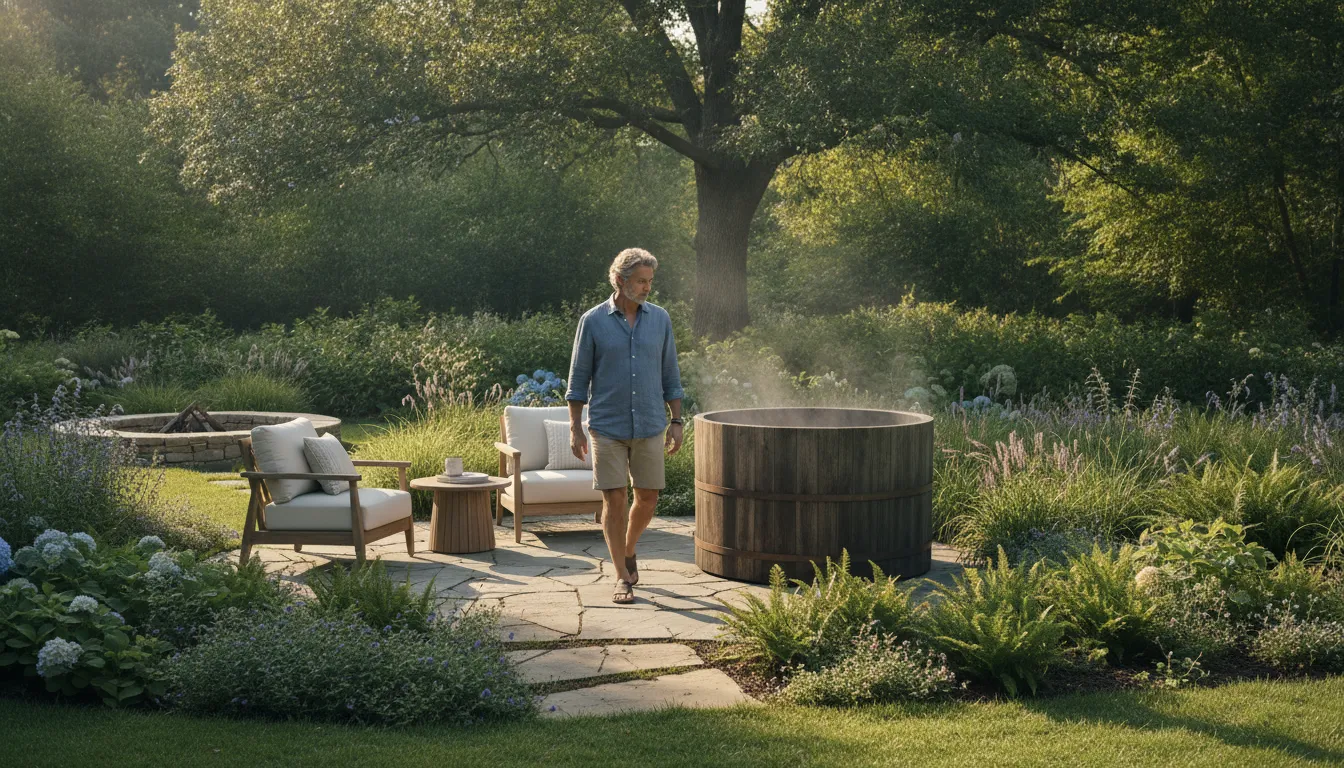
Pergola buyers often add lighting, a kitchen, or a heater because the structure becomes the natural center of the backyard. A pergola over a hot tub is one example: review this pergola-over-hot-tub planning guide to see how clearances, access, shade, and atmosphere shape that type of project. With the right planning, one structure can support dining, entertaining, and quiet recovery across more months of the Carolina year.
Integrating Your Pergola Into a Complete Backyard Environment
The most successful pergolas feel connected to the rest of the backyard rather than added as an isolated structure. Their size, placement, materials, and roof design should support the way you want to use the space. Whether that means gathering around an outdoor kitchen, relaxing beside a hot tub, or creating a comfortable place for dinner and conversation.
That broader view is important when a project includes multiple surfaces and features. A pergola can be coordinated with a deck or paver patio, aligned with the home’s architecture, and designed to support outdoor lighting. It can also help define a cooking or gathering zone while preserving a clear path through the yard. For homeowners considering a fire feature, review our outdoor fire features for examples of how shelter, seating, and warmth can work together.
Fun Outdoor Living approaches pergolas as part of a complete outdoor environment. Our licensed, in-house design, construction, and service teams coordinate the project without third-party subcontractors, so the design intent carries through from the first conversation to the finished space. Custom fabrication is handled at our Monroe, North Carolina facility, adding another layer of control over the build.
Local homeowners can also visit one of five regional showrooms in Charlotte/Pineville, Matthews, Cornelius, Rock Hill, or Winston-Salem to discuss materials and possibilities in person. A free consultation is a practical starting point for mapping the pergola to your existing backyard, future plans, and everyday routines.
Frequently Asked Questions
What are common pergola design mistakes?
The most common mistakes are choosing the size before deciding how the space will be used. Overlooking afternoon sun, and treating the pergola as a standalone object rather than part of the patio or landscape. Plan seating, dining, lighting, drainage, and post placement together. Site orientation also matters because it helps maximize shade when the Carolina sun is most intense.
Is it cheaper to build or buy a pergola?
A standard kit may have a lower initial price, but the right comparison includes site preparation, delivery, assembly, anchoring, finishing, and any roof or electrical upgrades. A custom build typically costs more upfront because it is sized and engineered for your home and routine. The best choice depends on the site, materials, roof style, and how much coordination you want handled for you.
What are the best materials for a Carolina backyard pergola?
Cedar offers a warm, natural appearance and resistance to decay, but it may need routine staining to maintain its color. Vinyl is clean-looking and low maintenance, though it does not have the texture of real wood. Aluminum is another low-maintenance option with strong resistance to warping or rot in humid conditions. Choose based on the look you want and the maintenance you are willing to take on.
How do I incorporate shade into my pergola design?
Start with the pergola’s orientation and the hours when your seating area receives direct sun. Then choose among open rafters, a solid roof, retractable shade, or adjustable louvers. Louvered roofs can switch between open sky and solid shade, while solid covers provide the most consistent protection. Shade can also be coordinated with screens, lighting, and outdoor kitchen zones.
Can I attach a pergola to my house design?
Yes. An attached pergola can create a natural transition between an indoor room and an outdoor patio. While a freestanding structure offers more freedom to define a separate backyard room. The decision should account for the home’s architecture, existing foundation and patio, roof drainage, and the intended use. A professional site review helps confirm which approach fits safely and visually.
Ready to Plan Your Pergola?
A well-designed pergola can make your Carolina backyard feel more comfortable, useful, and connected to the rest of your home. Schedule a free consultation and design appointment with Fun Outdoor Living to talk through your space, priorities, and the outdoor experience you want to create. Schedule your free consultation and take the next step with a local design-build team.