A Lake Norman backyard should support weekday recovery as naturally as weekend entertaining. The strongest designs keep the water view central while making every wellness ritual easy to use.
Backyard wellness design Lake Norman brings recovery, movement, and entertaining into one connected outdoor plan. A thoughtful layout can pair a hot tub or swim spa with a sauna and cold plunge, then add fire features for slower evenings. Around Lake Norman, the best plans protect waterfront views, provide comfortable paths between zones, and place gathering spaces where they will get regular use. They also account for privacy, drainage, shade, utilities, and year-round upkeep before construction begins. An academic review of hydrotherapy found evidence-based effects across several body systems, supporting its place in a balanced wellness plan. Careful planning creates a seamless home extension where hydrotherapy, exercise, quiet time, and alfresco gatherings can fit naturally into the week.
Choosing the right mix means asking how you want mornings, lake days, recovery sessions, and evenings with friends to flow. Next, Backyard wellness design Lake Norman starts with how you want to live, because daily habits should guide every design choice. The path begins with:
Backyard wellness design Lake Norman starts with how you want to live
A wellness backyard is not just a collection of attractive features. It is a setting for the routines that help your household rest, recover, connect, and spend time outside. For a Lake Norman home, the plan should also respect the water view and the relaxed pace that drew you there.
That makes backyard wellness design in Lake Norman different from a generic patio update. The first question is not which spa, grill, or pergola looks best. It is how you want an ordinary Tuesday evening, a quiet Saturday morning, or a family gathering to feel.
Daily rituals before features
Start by naming the moments you want the space to support. You may want a calm soak after work, a focused recovery routine, coffee by the lake, or an easy dinner outdoors. Each ritual points to different choices for access, privacy, shade, lighting, and seating.
For example, a hot tub used most evenings should sit on a simple path from the house. A sauna and cold plunge need a clear flow between them, plus a nearby place to pause. Research also describes hydrotherapy as an evidence-based treatment approach, but your design still needs to make regular use feel natural.
Lake views and shared moments
The lake should shape the plan without controlling every choice. Frame the best view from the places where people will linger, then protect quieter zones from boat traffic and gathering areas. A good layout can support private recovery in one moment and a full table of guests in the next.
Outdoor kitchens, fire features, and dining areas belong in a wellness plan when connection is part of your routine. They should work with the rest of the yard, not compete with it. NC State notes that decks, patios, and pergolas can extend living space and appeal to buyers’ lifestyle goals.
A plan for every Carolina season
Year-round use depends on small design choices made early. Consider morning sun, summer shade, drainage, wind, and the route from the house during cool or wet weather. Place each zone where it will be easy to reach and comfortable during the season you expect to use it most.
These choices are easier to solve as one connected plan than as separate projects. A custom backyard wellness design build can coordinate sightlines, traffic flow, utilities, and future additions before construction starts. The result should fit daily life first, while leaving room for how that life may change.
Should you choose a hot tub, swim spa, sauna, or cold plunge?
The right choice depends on the routine you want to repeat, not which product has the longest feature list. Hot tubs favor shared rest, swim spas add movement, saunas offer quiet heat, and cold plunges create a brief cooling ritual.
Each option can support a wellness-focused yard, but none is a cure or a fit for every person. Research reviews describe hydrotherapy as a water-based treatment approach with effects across body systems. Your own results, comfort, and safe-use needs may differ.
How the four choices compare
| Choice. | Best-fit routine. | Main strengths. | Honest trade-offs. | Planning needs. |
|---|---|---|---|---|
| Hot tub. | Frequent soaking and shared evening rest. | Warm water, seating, and massage jets. | Needs water care and ongoing heating. | Firm base, power, access, and privacy. |
| Swim spa. | At-home exercise followed by warm-water rest. | Room for swimming, movement, and soaking. | Uses more space and needs clear access. | Larger base, power, drainage, and service path. |
| Sauna. | Short, quiet sessions built around dry heat. | Simple heat ritual without spa water care. | Heat may not suit every user. | Power, ventilation, weather cover, and safe entry. |
| Cold plunge. | Brief cooling after activity or heat. | Focused ritual in a compact footprint. | Cold exposure requires care and tolerance. | Stable base, drainage, power, and clean water. |
Match the product to daily life
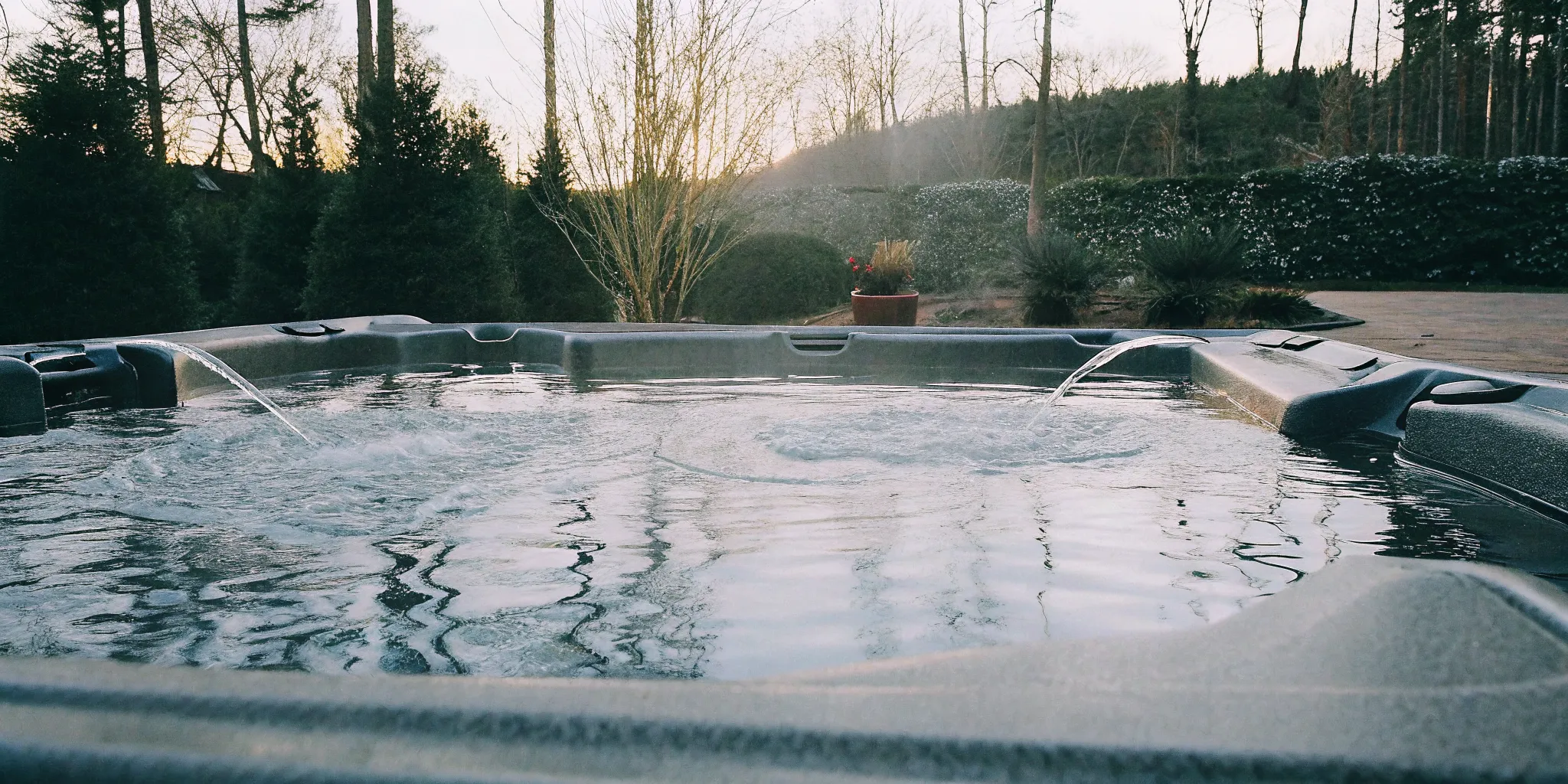
A Hot Spring Spa often fits households that want an easy place to slow down together. It works well for conversation, quiet soaking, and a steady evening habit. The trade-off is regular water care and the cost of keeping water warm.
An Endless Pools swim spa suits people who expect movement to be part of the plan. It can support swimming and low-impact exercise, then serve as a place to unwind. Its larger size makes early site planning important in a backyard wellness design for Lake Norman.
A Tylo sauna is a more focused choice. It favors quiet heat sessions and does not need the same water care as a spa. A review of Finnish sauna research found consistent links with several health benefits, but it does not prove the same result for every user. The sauna evidence review is useful context, not a personal medical promise.
When a paired routine makes sense
A Vigor cold plunge works best for someone who wants a short, intentional cold-water step. Some homeowners pair a plunge with a sauna or hot tub, creating separate warm and cool zones. That plan adds choice, but it also adds water care, power needs, and safe paths between features.
Layout matters as much as the products. Think through privacy, lake views, drainage, service access, and how each person will move through the space. Our guide to a backyard contrast therapy setup can help clarify a paired routine before design begins.
Neither option is automatically better. Choose the routine your household will use often, then make sure the site can support it. If anyone has a health concern, ask a qualified clinician before starting heat or cold exposure.
How can a contrast therapy zone fit into a Lake Norman backyard?
A contrast therapy zone can fit into a Lake Norman backyard when the layout follows the recovery ritual. The sauna, cold plunge, towel storage, and resting seat should feel connected without crowding the yard. Thoughtful placement also protects lake views and keeps the wellness area separate from busy dining or play zones.
The recovery sequence
Start by mapping how someone will move through each session. A common flow moves from the sauna to the cold plunge, then to a calm rest area. Keep each stop close enough for ease, but leave space to pause and move safely.
A direct, slip-resistant path matters when bare feet and wet surfaces are part of the routine. Soft path lighting can make early mornings and evening sessions easier. A nearby bench, robe hook, and towel cabinet turn separate products into a space that supports a steady habit.
Sauna use has been linked with several health benefits in a review of Finnish sauna research. Still, heat and cold routines should match each person’s health needs and comfort level. The goal is a repeatable ritual, not an extreme test.
Privacy, comfort, and the Lake Norman setting
Privacy can come from a pergola, screen wall, planting bed, or a smart change in grade. The best choice frames the view without exposing the recovery zone to neighbors or guests. It should also block wind where possible and offer shade near the resting seat.
Drainage needs equal care, especially near slopes, lawns, decks, and waterfront edges. Water should move away from foundations and walking paths. During a backyard contrast therapy setup, the design team can plan how privacy, drainage, and daily movement work together.
Utilities and long-term care
Electrical and plumbing plans should begin before decks, pavers, or planting beds are finished. Equipment needs vary, so the chosen sauna and plunge should guide utility locations. Easy service access also matters because hidden equipment still needs routine care.
Plan room for controls, shutoffs, drainage points, and safe electrical connections. Keep them discreet, but do not bury them behind fixed walls or dense plants. This approach makes future service simpler and helps the finished zone feel calm instead of mechanical.
A coordinated custom backyard wellness design build can align those details before work starts. That planning is useful when a Lake Norman yard includes slopes, existing decks, or valued sightlines. It lets the sauna and plunge feel like part of the home rather than late additions.
Design lake-friendly entertaining zones around wellness
Start with the way your family moves through a normal day on the lake. A good plan makes recovery spaces feel calm without cutting them off from meals, conversation, or the view. In backyard wellness design, Lake Norman homes work best when each zone has a clear purpose and an easy connection.
Zones that follow the day
Place quieter wellness features away from the busiest cooking and dining paths. Then use a lounge or shaded seating area as a buffer between recovery and entertaining zones. This layout lets someone rest after a soak while the rest of the family prepares lunch nearby.
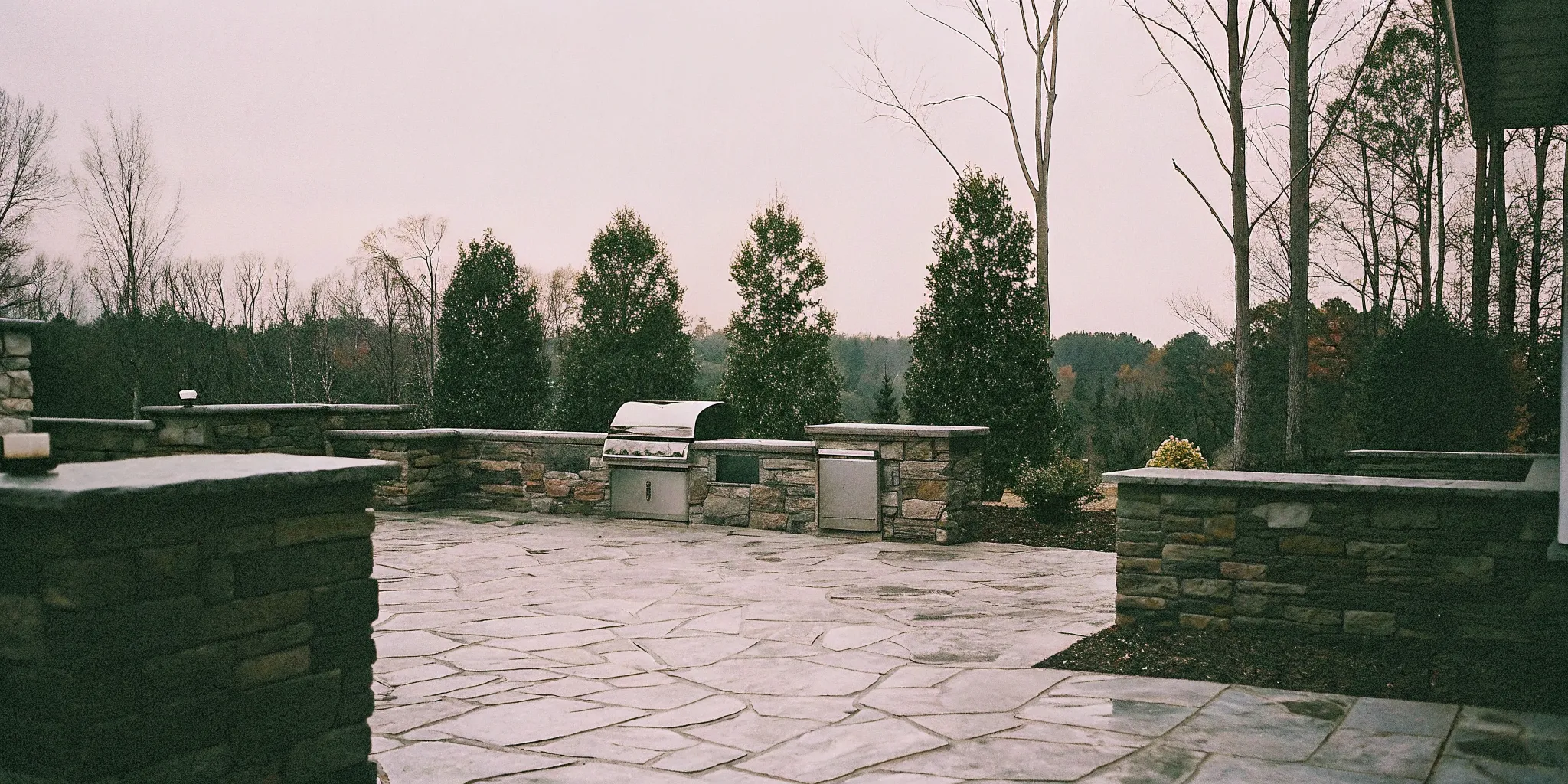
An outdoor kitchen should sit close enough to the house for simple serving and cleanup. It should also face the main seating area, so the cook stays part of the gathering. Review the outdoor kitchen gallery to see how cooking, dining, and conversation can share one connected space.
- Morning: open views, quiet seating, and a clear path to the wellness zone.
- Afternoon: shade near dining areas and room for wet feet, towels, and lake gear.
- Evening: warm lighting, comfortable seating, and a fire feature set away from main traffic.
Clear paths and layered lake views
Protect the lake view before placing large features. Low seating can stay near the water side, while kitchens, pergolas, and taller structures often work better behind it. Keep direct paths between the house, deck, dock, and wellness area wide and free of furniture.
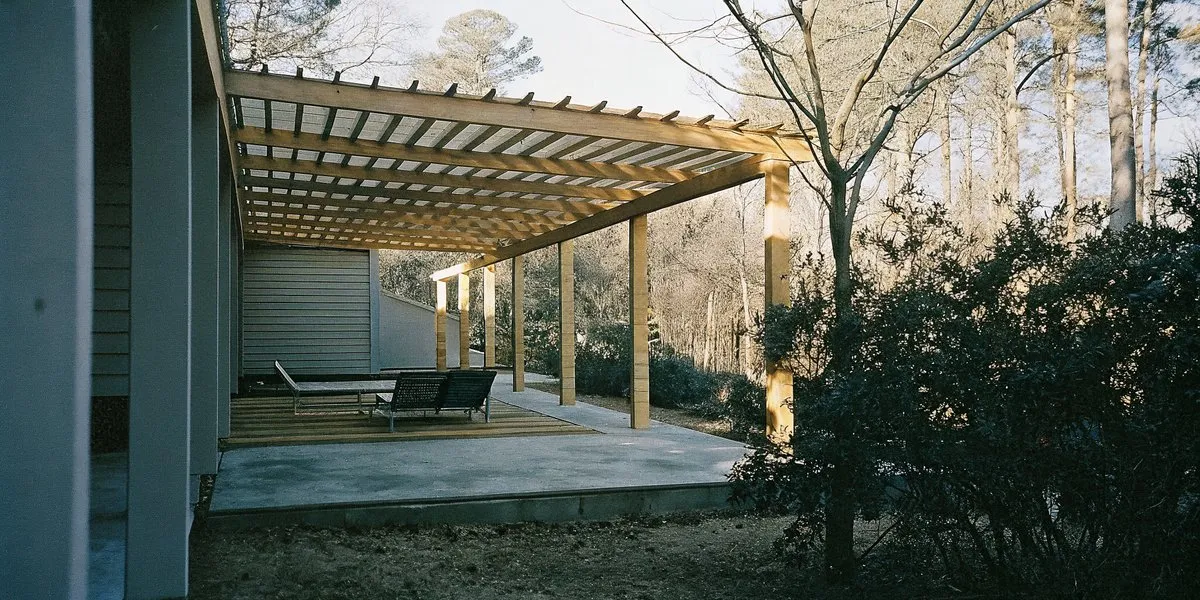
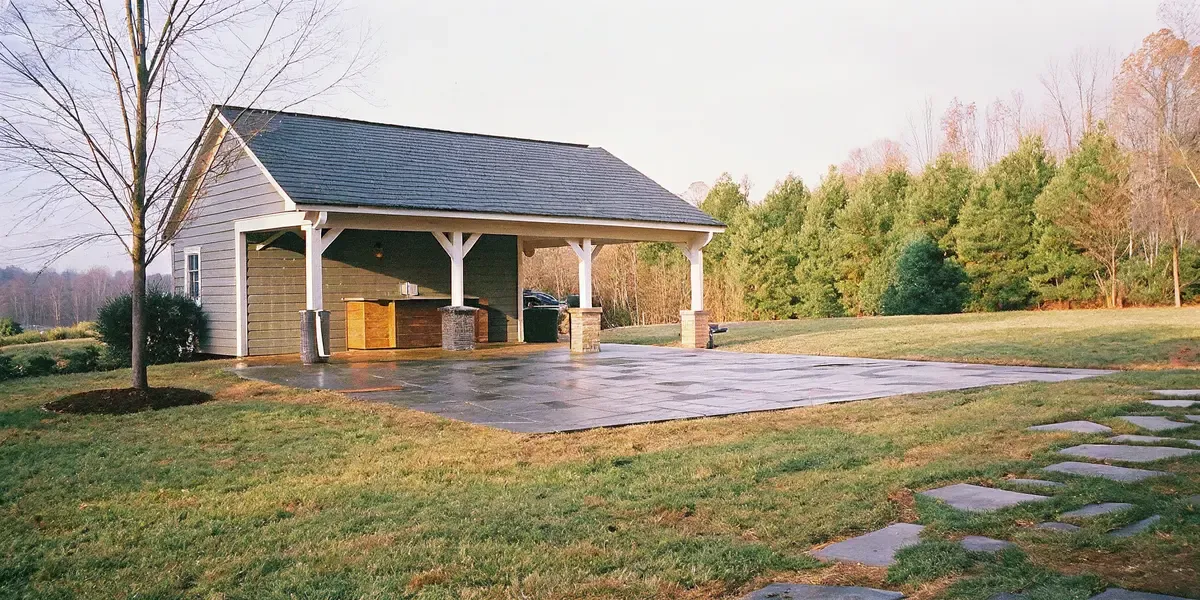
Decks, patios, and pergolas extend usable living space and may add value to a home. NC State guidance on exterior updates also notes their appeal to buyers’ lifestyle goals. Pavers can help define paths and separate wet areas from dining spaces without adding visual walls.
Traffic flow matters most when the space is full. Guests should not cross a cooking zone to reach the lake, spa, or restroom. A thoughtful custom backyard wellness design build maps those routes before choosing finishes or feature locations.
Comfort from daylight to fireside
Shade makes a wellness space useful during bright afternoons. A pergola, covered porch, or planned umbrella area can protect seating while keeping open sightlines toward Lake Norman. Add nearby storage for towels, cushions, and serving pieces to reduce trips through the house.
As daylight fades, a fire pit or fireplace can become the natural center of the group. Arrange seats for conversation, but leave open paths around the feature. Use layered lighting along steps, cooking surfaces, and walkways so guests can move safely without losing the calm lakefront mood.
Choose durable surfaces that fit how the family hosts. Decking may create a warm transition from the house, while pavers can define an outdoor room at ground level. The right mix depends on slope, drainage, view lines, and how often each zone will be used.
A practical planning process for a wellness backyard
A strong plan starts with the life you want outside, not a list of products. For backyard wellness design in Lake Norman, the process should connect daily routines, site needs, construction, and long-term care. That clear order helps each choice support the whole space.
Goals before products
Begin by naming the moments the yard should support. You may want quiet morning sauna time, post-work hydrotherapy, or easy weekends with family. Water-based therapies have evidence across several areas of health, according to a review of hydrotherapy research. Still, the right setup depends on how your household will use it.
-
Define the routine. List who will use the space, when they will use it, and what they hope to do. Rank recovery, fitness, rest, and hosting needs before comparing features.
-
Study the site. Note sun, shade, views, privacy, drainage, access, and the path from the house. Also review space for equipment, electrical service, and safe movement between zones.
-
Choose products as a system. Compare hot tubs, swim spas, saunas, and cold plunges against your routine and available space. Plan seating, storage, showers, and shade at the same time.
-
Test the experience. Sit in spa seats, try the controls, and ask about upkeep before deciding. Lake Norman homeowners can visit our Lake Norman area showroom to compare options in person.
-
Review a 3D design. Use the plan to check sight lines, walking paths, scale, and the link between wellness and gathering areas. Make changes on screen before construction starts.
-
Coordinate the build. Set the order for site work, utilities, foundations, product delivery, decks, and final finishes. A single custom backyard wellness design build plan keeps those parts aligned.
-
Plan for ownership. Learn the water care routine, filter schedule, seasonal needs, warranty terms, and service path. Decide who will handle each task before the first soak or sauna session.
One coordinated design
Product choices and construction details should be resolved together. A hot tub needs more than an open corner. It also needs a sound base, practical access, room for service, and a comfortable route from the house. The same thinking applies to saunas, plunges, decks, and outdoor kitchens.
Care after installation
The plan should cover ownership as clearly as installation. Ask how often water should be tested, which tasks can be handled at home, and when trained service is useful. Outdoor updates can also add living space and support property value, as NC State Extension explains. Durable care helps protect that investment.
Why long-term service should shape the design
A premium wellness backyard should feel easy to own long after the installation crew leaves. That starts with design choices that make routine care, seasonal checks, and future repairs simple. In backyard wellness design for Lake Norman homes, service planning matters as much as the first impression.
Outdoor improvements can extend living space and appeal to buyers’ lifestyle goals, according to NC State guidance on exterior updates. Protecting that value means planning for upkeep from day one. A beautiful layout loses much of its appeal when basic service requires moving walls, lifting heavy decking, or disturbing finished landscaping.
Access before aesthetics
Every spa, sauna, cold plunge, and water feature needs a clear service path. Equipment panels should open fully, while pumps, filters, drains, and controls should remain easy to reach. The design team should also plan how a technician can reach each system without crossing fragile planting beds.
These details rarely stand out in a rendering. They become important when a filter needs cleaning or a component needs repair. Good access can keep a routine visit from becoming a larger construction project.
- Leave working room around service panels and equipment.
- Place shutoffs, drains, and controls where owners can reach them.
- Keep service routes clear of fixed furniture and narrow gates.
- Plan water care storage near the spa, but away from heat and moisture.
Products backed by local service
Product quality is only part of long-term ownership. The warranty process, available parts, and the service relationship behind each product matter too. Ask who handles maintenance and repairs before choosing a spa or wellness system.
A single local team can also reduce third-party runaround. Homeowners know who to call when a question involves the product, water care, or the surrounding build. Lake Norman residents can visit our Lake Norman area showroom for local guidance and ongoing support.
A realistic care plan
Before installation, decide who will handle water testing, cleaning, and routine system checks. Some homeowners enjoy managing these tasks themselves. Others prefer a service plan such as Spa Valet, which helps make regular care part of the ownership plan.
The right choice depends on your time, comfort, and how often you use the space. A thoughtful custom backyard wellness design build should account for those habits before materials and equipment locations are final.
Long-term service is not an extra feature. It is part of a design that works well year after year, with fewer interruptions and clearer support when questions arise.
What should you do before you finalize the plan?
Start with the showroom
Before you approve a layout, spend time with the products and materials in person. A showroom visit makes scale, comfort, finishes, and access needs easier to judge. It also gives you space to compare options without rushing the decision.
At the Cornelius location, you can compare layouts and discuss how each one might fit your Lake Norman property. Bring photos, rough yard measurements, and any survey or site plan you have. You can visit our Lake Norman area showroom early, even if your ideas are still taking shape.
Test the daily experience
A spa can look right on paper but feel different once you sit in it. Reserve a test soak to compare seat depth, jet placement, entry steps, and room for other users. Think about who will use the space and when they will use it.
Also walk through your likely routine from the house to each wellness feature. Consider where towels will go, how wet feet will move, and whether the route feels private. These small choices often shape how often the finished space gets used.
Review the site at home
A strong backyard wellness design for Lake Norman should respond to the actual site, not just a preferred product list. Review sun, shade, views, drainage, utilities, access, and nearby gathering areas. The plan should also leave sensible paths for care and future service.
Look at how decks, patios, and pergolas connect each zone. NC State notes that these features can extend living space and appeal to buyers’ lifestyle goals. Their placement should support the way your household relaxes, recovers, and hosts.
A home visit can uncover limits and options that are easy to miss in a showroom. During a free home consultation, discuss the site, your preferred routine, and the full project scope. Then compare the revised layout against your goals before you finalize it.
Frequently Asked Questions
How do you design a backyard wellness space for Lake Norman homes?
Start by mapping daily routines, lake views, sun exposure, drainage, and routes between the house, dock, and entertaining areas. Place quiet recovery features away from busy gathering zones, while keeping them convenient to use. Plan power, water, privacy, lighting, and service access before construction begins. A cohesive plan helps the entire backyard feel connected rather than assembled one feature at a time.
Can I add a sauna and cold plunge to my Lake Norman backyard?
Yes, many Lake Norman properties can support a sauna and cold plunge when the site plan addresses utilities, drainage, privacy, and safe walking surfaces. Position the features close enough for an easy transition, but leave room for cooling down and maintenance access. A covered or shaded route can make the contrast therapy zone more practical during rain and summer heat.
Are hot tubs and swim spas good for backyard wellness?
Hot tubs and swim spas can support different wellness routines. A hot tub suits soaking, quiet recovery, and evening relaxation, while a swim spa adds space for low-impact movement and resistance exercise. A scientific review published by the National Center for Biotechnology Information found evidence-based effects of hydrotherapy across several body systems. Choose according to how often each routine will fit your week.
How can I integrate an outdoor kitchen into my Lake Norman wellness space?
Place the outdoor kitchen near the main gathering area, but away from the quietest recovery zone. Keep smoke, heat, and guest traffic from interrupting sauna, cold plunge, or hot tub use. A shaded dining area and fire feature can connect meals with lake-friendly entertaining. Plan storage, lighting, utilities, and weather protection early so cooking remains convenient throughout the year.
Ready to Plan Your Lake Norman Wellness Backyard?
Waiting to plan can leave separate features competing for space, utilities, views, and the easy flow needed for relaxed lakefront gatherings. Starting now gives your design team time to map access, placement, and connections before product choices or construction decisions limit the layout. A clear plan can bring wellness, entertaining, and year-round comfort together while helping each project phase support the next.
Ready to move from ideas to a practical plan for your Lake Norman home? Book a free home consultation to discuss priorities, site needs, and a phased timeline with a local design team. Use the conversation to clarify what belongs in the first phase and which features can follow as your plans, priorities, and timing develop.