Choosing a wellness feature for your Carolina home often comes down to the experience you want to create at the end of an ordinary day. Do you picture easing into warm, buoyant water while jets work across tired muscles. Or stepping into a quiet, enveloping heat ritual that asks nothing of you but time?
The best hot tub vs sauna choice depends on whether you value hydrotherapy, shared relaxation, and year-round outdoor use, or prefer dry heat, a smaller footprint, and a quieter routine. Hot Spring spas and Tylo saunas can each support a meaningful wellness ritual, and they can also complement one another in a thoughtfully designed contrast therapy space.
Start by considering how wet and dry heat actually feel, how often you would use each option, and whether your ideal routine is social, restorative, or both. Those differences become clearer when you compare the heat itself and the way each setting shapes your time at home.
Book a free consultation to compare a hot tub and sauna with our design team.
How Do a Hot Tub vs Sauna Compare on Heat and Experience?
The most noticeable difference is how the heat surrounds you. A hot tub creates a warm, buoyant environment, while a sauna builds heat in the air around your body. Neither is automatically better. The right fit depends on whether you picture your ideal ritual as settling into water after a long day or stepping into a quiet, dry space to reset.
Warm water adds immersion and movement
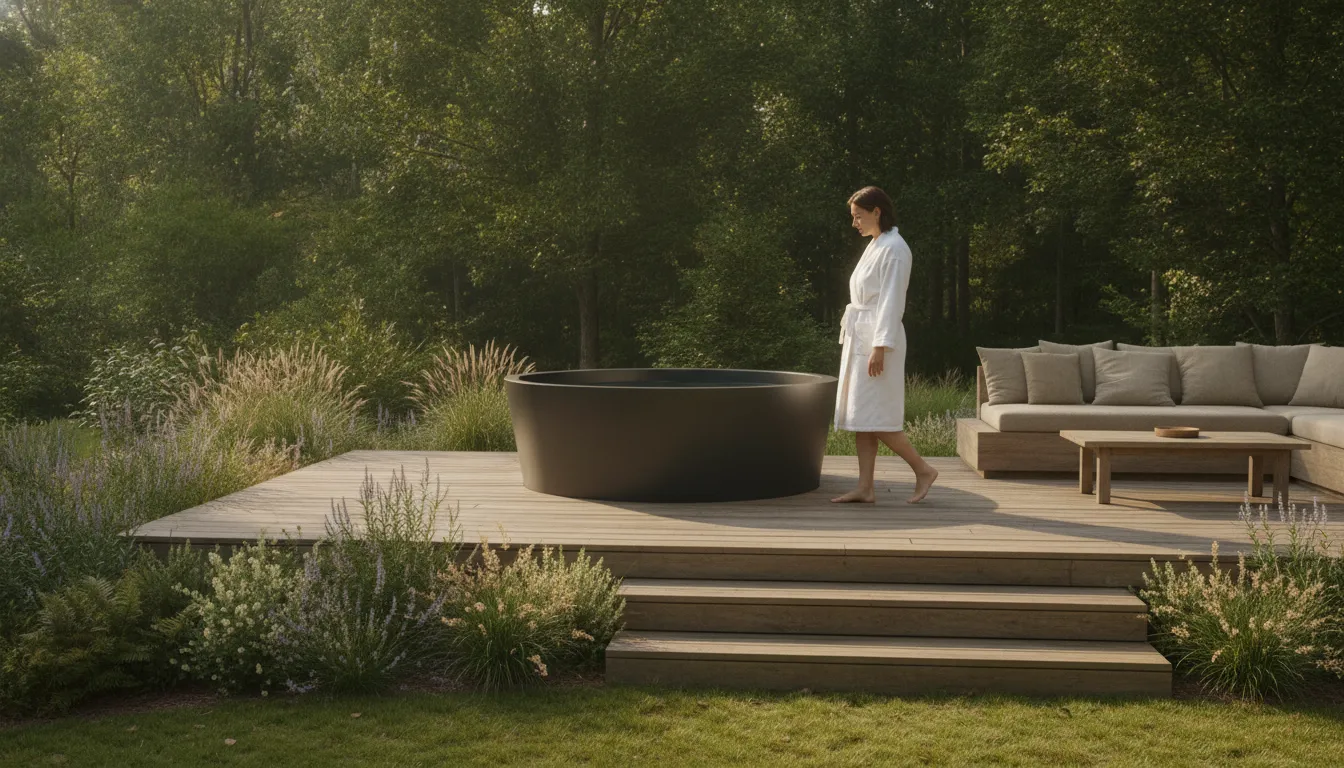
Hot tubs typically reach a maximum of about 104 degrees Fahrenheit. Because your body is immersed, the warmth feels enveloping rather than simply hot. Water supports your weight while strategically placed jets can target specific muscle groups, adding a massage-like element to the experience. That combination makes a hot tub easy to use as a short evening unwind, a post-activity recovery routine, or a shared moment with family and friends.
The experience can also feel more active. You can change seats, adjust the jets, or move between different water depths and massage zones. Explore luxury hot tub options to compare the ways Hot Spring collections, including Highlife and Limelight, shape that experience.
Dry heat creates a quieter, more focused ritual
A sauna may reach approximately 195 degrees Fahrenheit, but the air is dry, so the sensation is different from sitting in hot water. Traditional saunas use heated stones to create dry heat. Infrared models heat the body more directly with infrared panels. In both cases, the setting encourages stillness: sit, breathe, let the warmth build, and allow the outside world to stay outside for a while.
That makes sauna time appealing for someone who prefers a private, deliberate ritual. It can become a morning warm-up, an evening transition, or a dedicated space for quiet recovery. See the range of Tylo sauna models when you want to compare traditional and infrared approaches.
Which experience feels more like home?
Choose the hot tub if water immersion, jet massage, and social time are central to how you want to use your wellness space. Choose the sauna if you prefer dry heat, quiet, and a compact ritual focused on warmth. Some Carolina homeowners eventually combine both, creating a more flexible heat and recovery environment rather than treating the decision as strictly either-or.
| Comparison | Hot Tub | Sauna |
|---|---|---|
| Heat style | Warm water immersion | Dry or infrared air heat |
| Typical temperature | Up to about 104 F | Up to about 195 F |
| Experience | Buoyant, social, shared | Quiet, focused, still |
| Signature benefit | Jet hydrotherapy massage | Simple dry-heat ritual |
| Who it suits | Soakers and group time | Solo and small-group retreat |
Recovery and Relaxation: What Does Each One Deliver?
The better choice depends on how you want to feel when the session ends. A hot tub creates a supported, hands-on experience through warm water, buoyancy, and targeted jets. A sauna offers dry heat and quiet, making it a natural fit for an uninterrupted wind-down ritual. Both can support relaxation, but they deliver that feeling in different ways.
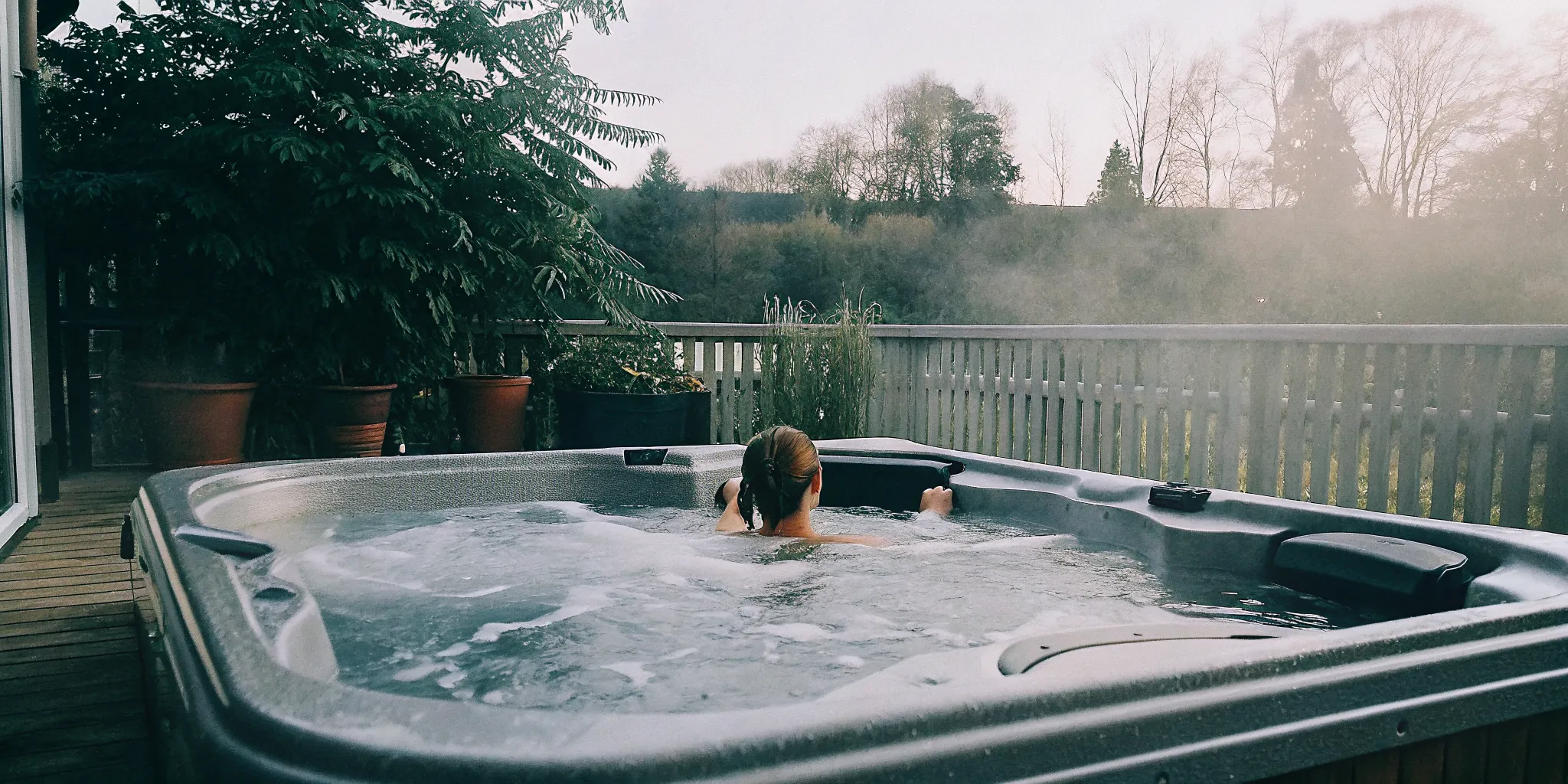
How hydrotherapy supports recovery
Warm water reduces the amount of weight your joints carry, which may make movement feel more comfortable after a long day or demanding workout. Research on hydrotherapy describes buoyancy and water pressure as tools that can reduce weight-bearing stress and support comfort around swollen or sensitive joints. That does not make a hot tub a medical treatment, but it helps explain why soaking can feel restorative.
Jets add another layer. Depending on the design and placement, they can target specific muscle groups with a massage-like sensation. Fun Outdoor Living describes hot tubs as spaces designed for daily use, hydrotherapy, relaxation, and recovery. This combination of warmth, support, and focused pressure may help loosen the body while giving you a simple transition from activity to rest. For homeowners who want a recovery ritual they can share, the water also creates an easy place to sit, talk, and decompress.
What dry or steam heat contributes
Sauna heat works without water buoyancy or jet massage. Instead, the steady warmth encourages you to slow down, breathe, and remain still. Sauna bathing is generally well-tolerated by healthy people, and research has associated it with relaxation and potential benefits for stress and mood. It may also help relieve discomfort associated with some musculoskeletal conditions, although individual results vary and medical guidance matters when health concerns are involved.
For many people, the appeal is the simplicity: step inside, let the heat build, and leave feeling mentally quieter. Tylo offers traditional and infrared sauna options, so the experience can vary by sauna type and personal tolerance. A sauna may suit someone who wants private dry heat, while a hot tub may be more useful for someone who values buoyancy and muscle-focused hydrotherapy. Some homeowners combine both with a cold plunge as part of a carefully paced contrast therapy routine.
How Much Does a Hot Tub vs Sauna Cost to Buy and Run?
The purchase price is only one part of the decision. For a Carolina homeowner, the better comparison includes installation, electrical work, ongoing energy use, maintenance, and how often the space will become part of daily life. A lower initial quote is not necessarily the lower-cost choice if the equipment does not fit the way your household plans to use it.
Purchase and installation costs
Hot tubs and saunas vary widely in price based on size, materials, heating systems, controls, seating, and the amount of site preparation required. A hot tub may require a level pad, delivery access, electrical work, and a plan for drainage and water care. A sauna may require a suitable room or outdoor enclosure, ventilation, weather protection, and heater-specific electrical work. The right budget starts with the complete installation rather than the equipment alone.
That is where in-house design matters. Fun Outdoor Living can use 3D design to help Carolina homeowners integrate a wellness space into an existing patio, deck, porch, or broader backyard plan. The result is a clearer view of placement, construction needs, and the relationship between the product and the rest of the property. You can also compare luxury hot tub options and Tylo sauna models before committing to a direction.
Running costs: heat, water, and maintenance
Operating costs depend on climate, insulation, set temperature, usage habits, and utility rates. A sauna primarily uses electricity to heat its heater and, in some models, maintain heat during a session. A hot tub uses electricity to heat and hold water, circulate and filter it, and power pumps and jets. That means the hot tub has an added water-care routine, including balancing, sanitation, and periodic draining. Ask for an operating-cost discussion based on the models and installation you are considering, rather than relying on a generic estimate.
Electrical planning and financing
Before installation, a qualified electrician should evaluate the available service, circuit requirements, equipment location, and local code considerations. Planning this early can prevent surprises when a deck, enclosure, or patio is already under construction. Fun Outdoor Living also offers financing options that may help homeowners manage the investment. Terms and approval requirements vary, so review the current details with the team. A free consultation can bring the purchase, electrical, construction, and long-term ownership costs into one practical plan.
Request a free consultation for an honest cost estimate on your hot tub or sauna.
Which Is Easier to Maintain: a Hot Tub or a Sauna?
The difference in upkeep becomes clear once the initial excitement settles into a weekly routine. A sauna is usually the simpler of the two. There is no water to test, balance, filter, or drain, so day-to-day care centers on keeping the interior clean. Allowing surfaces to dry, and following the manufacturer’s guidance for the heater, stones, or infrared panels. Occasional inspection of ventilation and electrical components also helps preserve a comfortable, dependable experience.
A hot tub asks for more regular attention because warm water is shared with the surrounding environment. Owners need to monitor sanitizer levels, balance the water, rinse or clean filters, and follow a consistent drainage schedule. Proper water care is essential for safe, hygienic use, not an optional extra. The exact routine depends on bather load, weather, cover quality, and the spa’s water-care system.
What does hot tub maintenance involve?
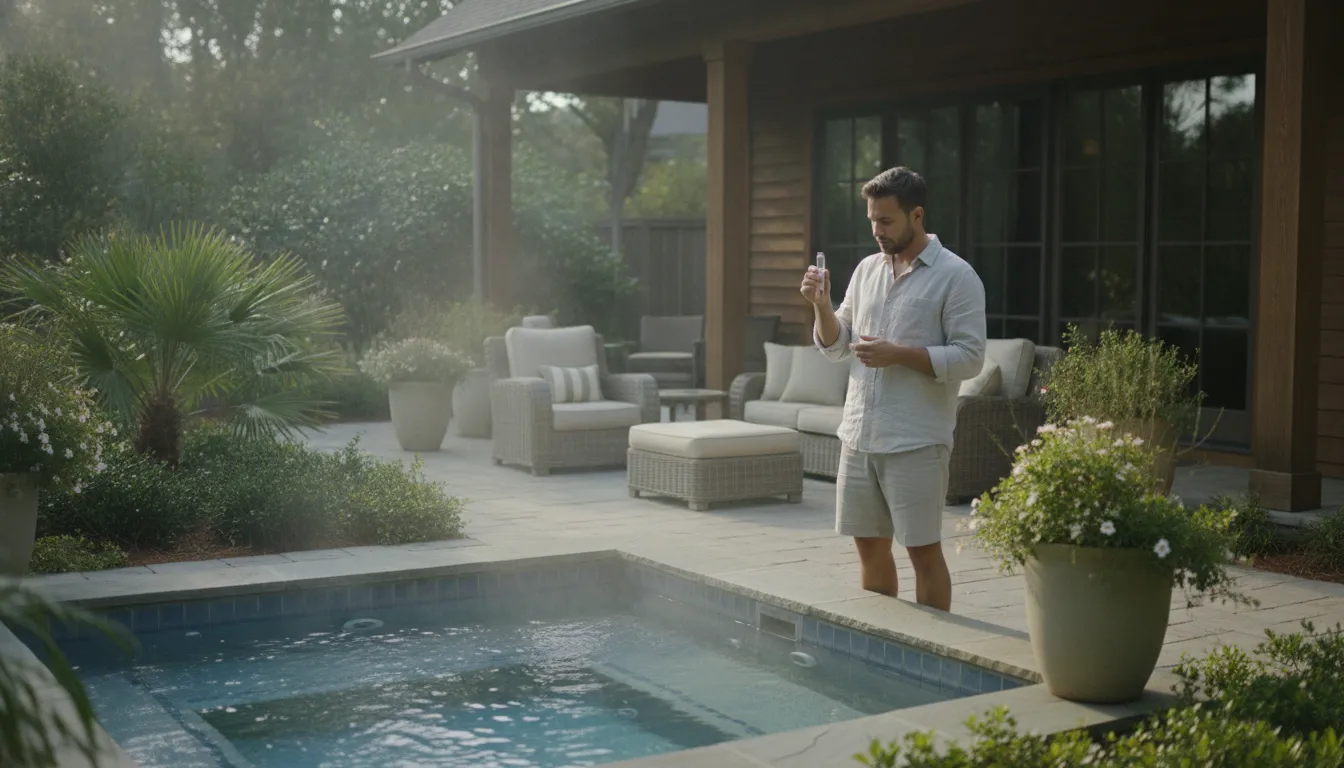
Think of hot tub care as a short ritual rather than a major project. A quick visual check and water test can identify issues early, while filter care and periodic professional service protect circulation and equipment. Keeping the cover clean and properly fitted matters, too, particularly in the Carolinas, where pollen, heat, rain, and seasonal debris can affect water quality.
Fun Outdoor Living offers free water analysis to help homeowners understand what their water needs, rather than guessing at chemical adjustments. For homeowners who prefer a more hands-off approach, Spa Valet plans provide ongoing maintenance support and professional service. Regular maintenance and certified repairs can help protect longevity and performance over time.
Which routine fits your lifestyle?
If you want a quiet heat ritual with minimal weekly upkeep, a sauna may fit more naturally. If you value buoyancy, hydrotherapy, and time with family or friends, the added water-care routine may be worthwhile. The best choice in a hot tub vs sauna decision is the one you will use consistently and maintain confidently. A showroom conversation can also clarify what ownership looks like before you commit.
How Much Space Does a Hot Tub or Sauna Need?
The best location is the one that makes your wellness routine easy to keep. A hot tub may become part of an evening under the stars, while a sauna can offer a more private, indoor-like retreat. In either case, plan the setting around how you expect to use it, not only where an open patch of backyard happens to be available.
How much backyard space do you need?
Start with the equipment footprint, then add room for safe access, steps, covers or doors, and comfortable movement around the unit. A hot tub needs a stable, level surface that can support its filled weight, such as a properly designed patio, reinforced deck, or suitable slab. The placement should also allow convenient access for water care and service. Keep overhead clearance, drainage, electrical requirements, and the path from the home in the conversation from the beginning.
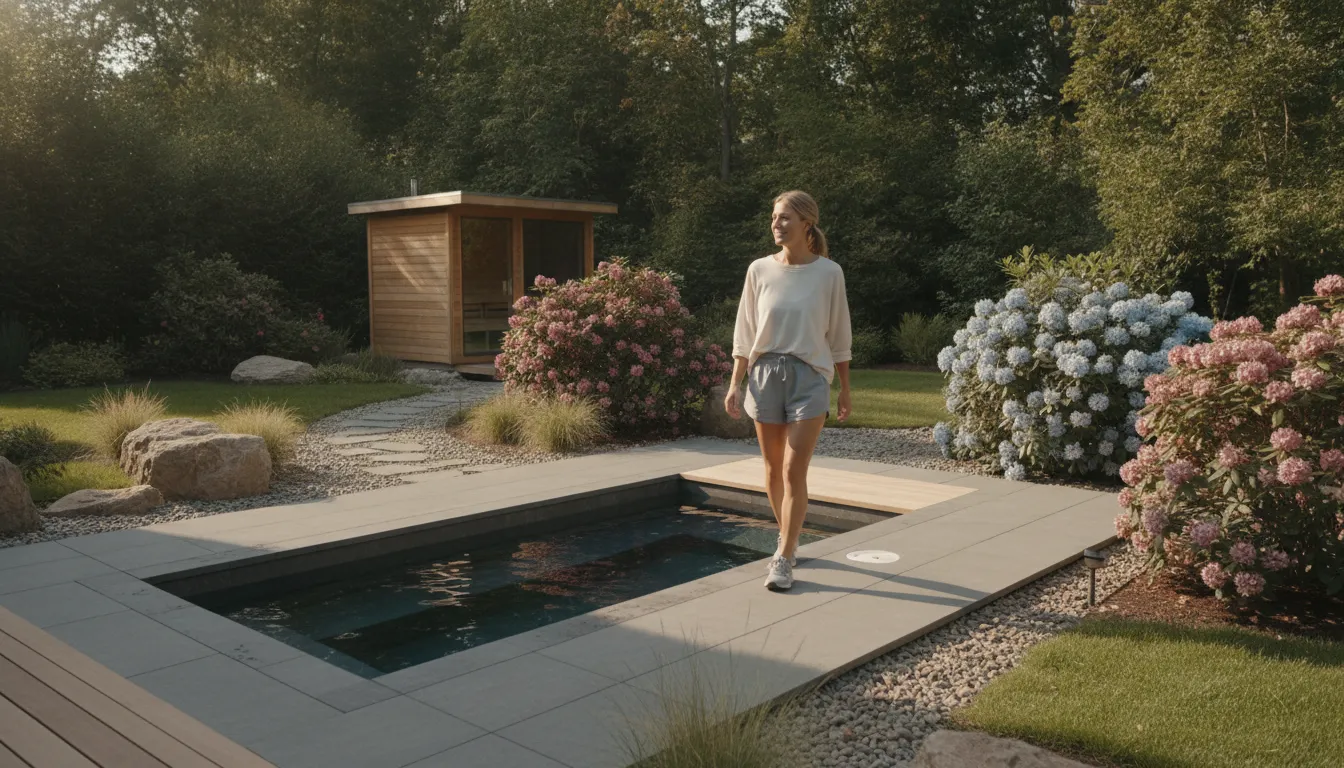
A sauna has different planning needs. Indoor installation may be practical when there is adequate ventilation, moisture management, and electrical capacity. Outdoors, it can sit near a patio, pool, garden, or changing area, provided the structure is protected from weather and positioned for straightforward entry. In the Carolinas, shade and shelter can make either option more comfortable through hot summers and changing seasons.
Can a deck, patio, or covered porch support the installation?
Often, yes, but the structure must be evaluated rather than assumed to be suitable. A covered porch or pergola can provide shade, define the wellness area, and help the space feel intentional. It can also improve privacy while keeping the hot tub or sauna connected to the rest of the backyard. Explore examples of decks, porches, and pergolas to see how a wellness feature can fit into a larger outdoor environment.
Fun Outdoor Living’s in-house team can use 3D design to work through proportions, circulation, finishes, privacy, and the relationship between the wellness feature and existing construction. A free consultation gives Carolina homeowners a practical way to review the site before choosing between a hot tub, sauna, or a design that accommodates both.
How to Decide: A Simple Hot Tub vs Sauna Checklist
The best choice usually becomes clearer when you picture the routine you want to build, not just the equipment you want to buy. A sauna and a hot tub can both support relaxation, recovery, and time outdoors, but they create different experiences. Use this checklist to weigh the practical details alongside your preferred ritual.
- Start with your primary goal. If you want warm-water immersion, buoyancy, and targeted jet massage after a long day, a hot tub may be the better fit. If you prefer a quiet dry-heat ritual that helps you slow down, a sauna may suit you more. The choice often comes down to your preference for wet or dry heat and the result you want from each session, as outlined in Fun Outdoor Living’s contrast therapy guidance.
- Consider who will use it. Think about a typical Tuesday evening, not only special occasions. Hot tubs naturally accommodate shared soaks, family time, and conversation. Saunas often work best as a solo or small-group retreat. If several people will use the space together, make sure the size and seating support that pattern.
- Measure the space before choosing a model. Account for the equipment footprint, steps, service access, electrical requirements, ventilation, and the path from your home. In the Carolinas, a covered porch, patio, or nearby changing area can make either option more comfortable through humid summers and cooler winter evenings.
- Be honest about maintenance tolerance. A hot tub requires regular water care, cleaning, and equipment attention. A sauna generally avoids water balancing and plumbing maintenance, though it still needs cleaning, safe electrical installation, and care for its interior surfaces. Consider whether you prefer managing water yourself or using a professional service plan.
- Set a complete budget. Compare more than the purchase price. Include delivery, site preparation, electrical work, shelter, steps, water care, energy use, and long-term service. A consultation can help you see how the investment fits the existing backyard instead of treating the product as a standalone purchase.
- Plan for year-round use. Hot tubs can be inviting in both summer and winter, while a sauna may be especially appealing when you want indoor-like warmth during colder Carolina weather. Choose the option you can realistically imagine using several times a week across the seasons.
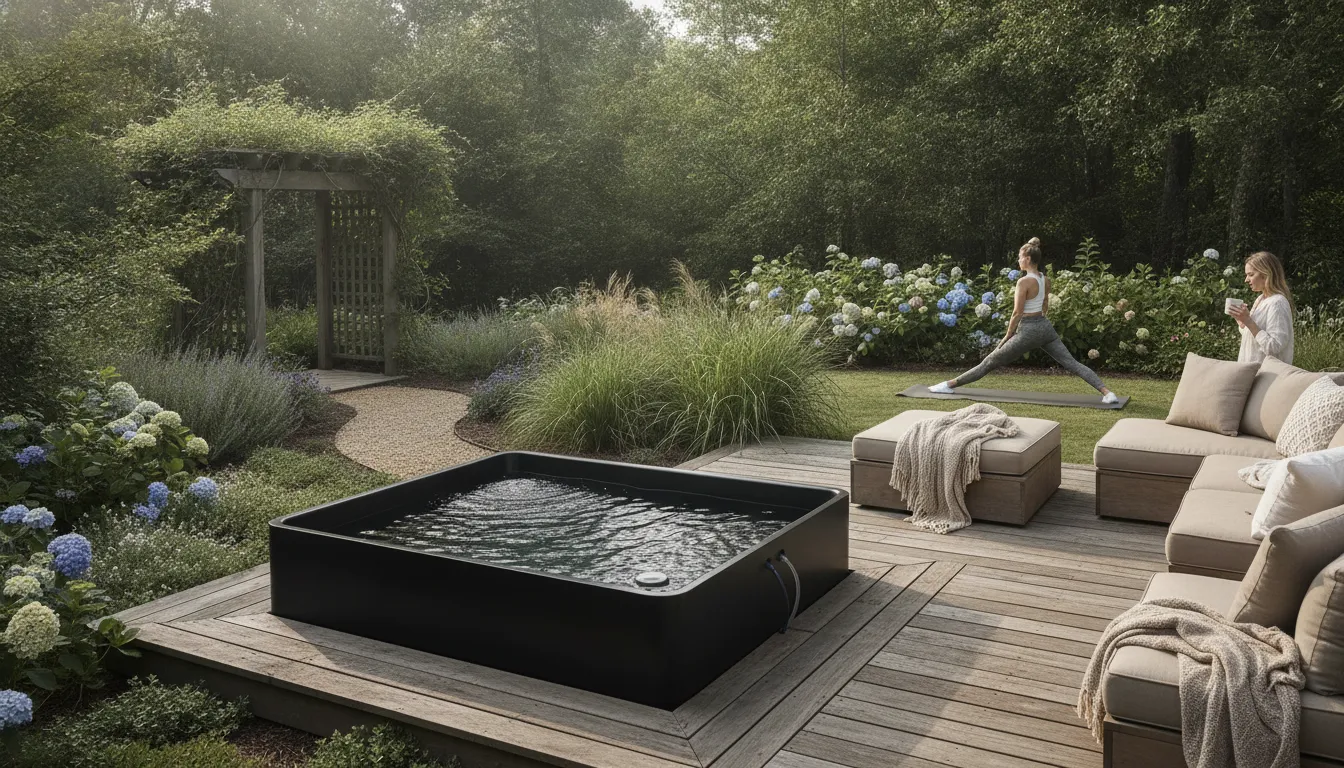
- Ask whether combining both makes sense. Some homeowners do not need to choose. A sauna paired with a cold plunge or hot-water experience can create a dedicated contrast therapy zone, combining heat and cold elements within one backyard wellness plan. Explore the layout, sequence, and equipment requirements before committing to a design.
Ready to talk it through? Book a free in-home consultation and showroom test soak to see hot tub and sauna options in person before you decide.
Frequently Asked Questions
What is the main difference between a hot tub and a sauna?
A hot tub surrounds you with warm water and targeted jet massage, creating a buoyant, social setting for relaxation or post-activity recovery. A sauna uses dry heat, or infrared panels in some models, for a quieter heat-focused ritual. The better fit depends on whether you value hydrotherapy and shared time or the simplicity of dry heat. Traditional and infrared options are available through Tylo sauna models.
Is a hot tub or sauna better for post-workout recovery?
Either can support a recovery routine, but they create different experiences. Warm water and buoyancy can reduce weight-bearing stress on joints, while jets can target specific muscle groups for massage. A sauna provides dry heat without soaking and may suit homeowners who prefer a brief, quiet ritual after training. Choose based on the type of comfort you will use consistently, not on a promise of a single guaranteed result.
Do hot tubs or saunas offer better circulation benefits?
Neither should be treated as a substitute for medical care, and individual responses vary. Heat raises body temperature and can influence circulation, while hydrotherapy adds water pressure, buoyancy, and massage. Research on hot-water immersion and sauna bathing is still context-specific, so homeowners with cardiovascular conditions or other health concerns should ask their clinician before using either product.
Which requires more maintenance: a hot tub or a sauna?
Saunas generally require less routine maintenance because they do not have water chemistry, filtration, or plumbing to manage. Hot tubs require regular water care to keep sessions clean and comfortable, plus periodic equipment attention. A service plan such as Spa Valet can help simplify ongoing hot tub ownership.
Can I combine a hot tub and sauna at home?
Yes. A backyard can include both, especially when the layout supports a deliberate contrast therapy routine that alternates heat with cold. The right plan depends on electrical service, ventilation, drainage, privacy, and available patio or deck space. A design consultation can help Carolina homeowners integrate the equipment into an existing outdoor living environment.
Ready to Compare Your Hot Tub and Sauna Options?
The right wellness space should fit the way you want to relax, recover, and spend time at home. Book a free in-home consultation and showroom test soak to explore hot tub and sauna options with the Fun Outdoor Living team. You can ask practical questions, experience the difference in person, and leave with a clearer sense of which direction suits your Carolina home.