Choosing a hot tub for the first time is less about finding the longest list of features and more about matching the spa to your routine. Space, and expectations. In the Carolinas, that means thinking through how often you will use it, who will join you, where it will sit, and who will support it after installation.
When buying a hot tub, start with the experience you want to create, then compare seating, comfort, water care, installation requirements, and long-term service. A showroom wet test can reveal details that a product page cannot, from seat depth and jet placement to how easily everyone can settle in.
Fun Outdoor Living helps homeowners evaluate those decisions through Hot Spring Spa options, test soaks, in-house installation, and ongoing service across its Carolina showrooms. Before comparing models, consider the practical choices that shape how comfortably your new backyard retreat will work day after day.
What You Need to Know Before Buying a Hot Tub for Your Carolina Backyard
The right hot tub should fit the way your household actually spends time outdoors, not just the available space on a property sketch. Before comparing models, picture a typical evening. Will two people use it after work, or will family and friends gather on weekends? Do you prefer upright seats for conversation, or a lounger for stretching out? These details influence the size and seating layout that will feel comfortable over time.
Start with how you will use the spa
Count the people who will use the hot tub most often, then consider occasional guests without designing the entire purchase around them. A compact model may be easier to access and maintain for a couple. While a larger spa can make sense for an active family that wants room to move. Try each seat in person when possible. Footwell space, seat depth, jet placement, and whether a lounger fits your height are difficult to judge from a product photo.
- How many people will use the spa on an ordinary weeknight?
- Do you want open seating for conversation, a lounger, or a combination of both?
- Will the cover, steps, and service access leave enough room around the tub?
- Can the chosen location support the filled weight and provide a stable, level foundation?
- Would a swim spa better match your goals if exercise or longer swim lanes matter?
Measure the real backyard footprint
Measure more than the tub’s cabinet dimensions. Account for the cover lifter, steps, walking paths, privacy, and the clearance a technician may need for service. In Carolina backyards, that may mean working around an existing deck, a screened porch, mature trees, or a sloped portion of the yard. Sketch the complete footprint with the cover open, then confirm the delivery route from the street or driveway before choosing a model.
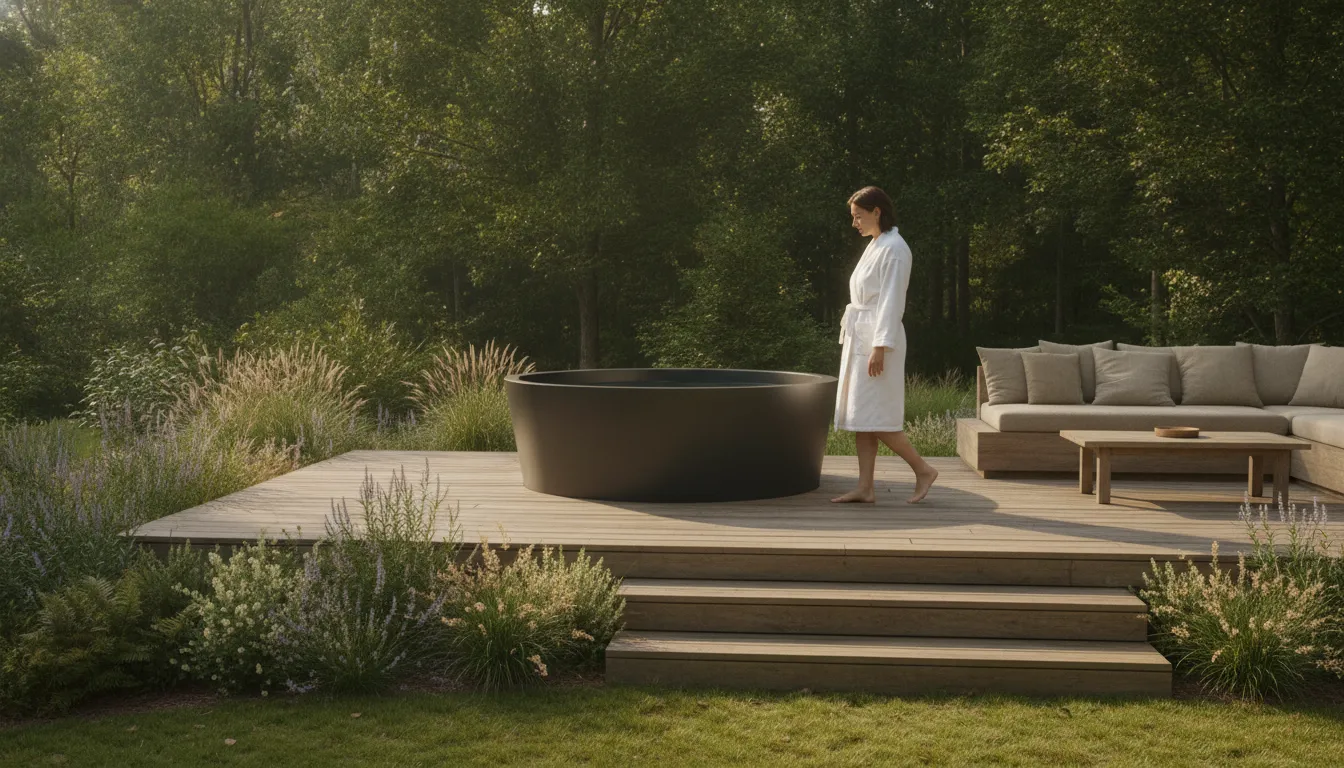
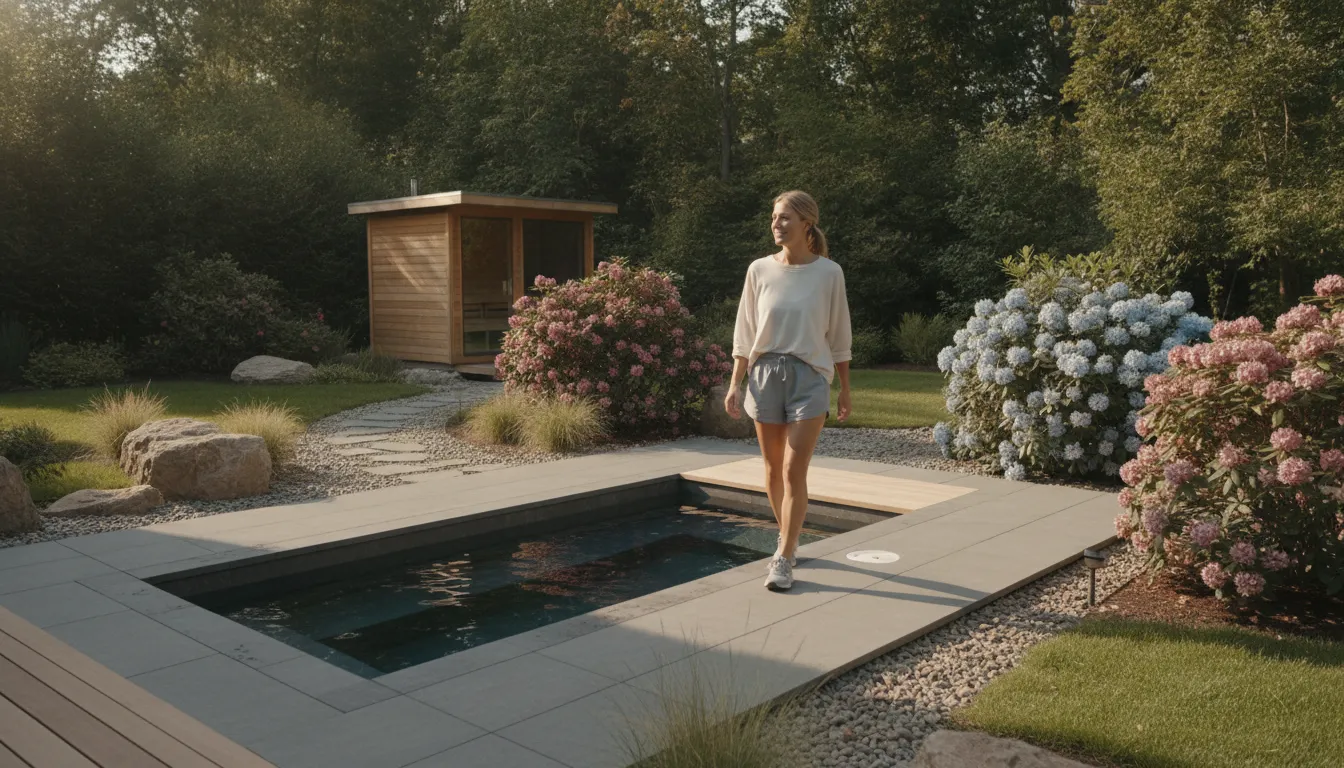
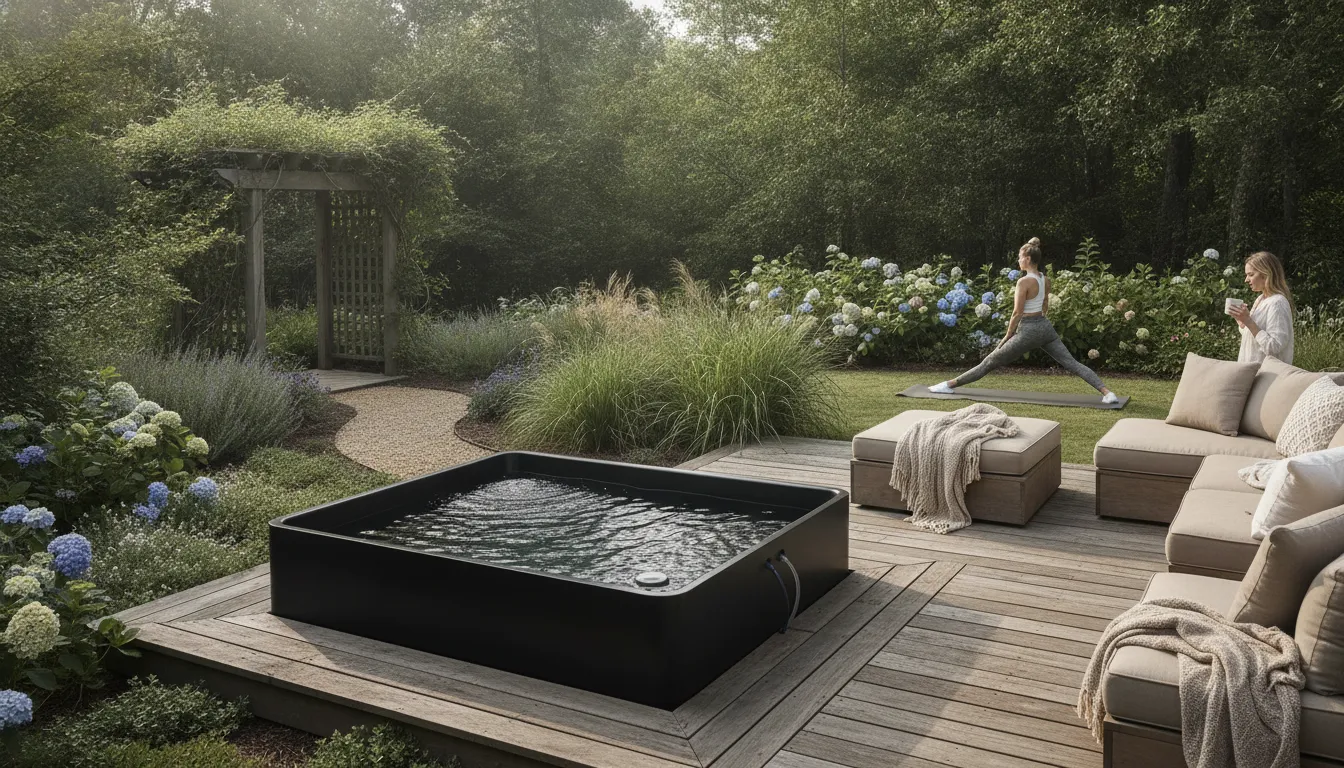
For ideas on how different spa sizes can look in finished outdoor spaces, browse the hot tub gallery. If you are weighing more room for exercise against a dedicated hydrotherapy space, see this guide to choosing between a hot tub and swim spa.
Keep daily access simple
The best location is usually the one you will use without planning a special expedition. A short, well-lit path from the house, convenient access to a towel area, and some protection from rain can turn a purchase into a reliable daily ritual. Think through winter evenings, wet feet, and how easily the cover opens. A slightly smaller spa in a practical location may serve your household better than a larger one that is difficult to reach.
Highlife vs Limelight vs Hot Spot: Which Hot Spring Line Fits You?
Hot Spring builds these three lines for different priorities. So the right choice depends less on finding a universal winner and more on matching the spa to the way you expect to use it. Think about how often you will soak, who will use the spa, and which details make the experience feel worth returning to each evening.
| Hot Spring line | Best fit | What you gain | Trade-off to consider |
|---|---|---|---|
| Highlife | Homeowners who want a premium, highly considered soaking experience. | Advanced jet experiences, refined comfort, and a strong focus on how the spa feels in daily use. | Its higher investment makes the most sense when comfort and long-term enjoyment are central priorities. |
| Limelight | Families and couples seeking a balance of comfort and value. | A well-rounded Hot Spring experience with thoughtful comfort features and practical flexibility. | It may not offer every premium detail found in the Highlife line. |
| Hot Spot | First-time spa owners who want a dependable entry point. | Solid, approachable hot tub ownership without making the initial decision feel unnecessarily complex. | Fewer premium refinements may matter if you already know you want a more specialized experience. |
When does Highlife justify the additional investment?
Highlife is worth a closer look when the details of the soak are part of the reason you are buying a hot tub. If targeted jet experiences, elevated comfort, and a more premium day-to-day ritual are important, the line may feel like a better match over years of use. It is not automatically the best choice for every household, particularly if your priority is straightforward relaxation for occasional use.
Who is Limelight or Hot Spot best for?
Limelight often suits households trying to balance a comfortable everyday spa with a thoughtful budget. Hot Spot can be a practical starting point for homeowners who want the dependable Hot Spring ownership experience without moving into the higher tiers. Fun Outdoor Living is an exclusive Hot Spring dealer, and its team can help compare the lines around your space, routines, and priorities. A showroom wet test is the clearest way to notice differences in seating, jet placement, and comfort before committing.
The Wet Test Checklist: What to Feel for Before You Commit
A showroom soak tells you more than a product page can. Water temperature, jet placement, seat depth, and the way your body settles into a tub all feel different in person. Give yourself enough time to notice those differences rather than treating the visit like a quick demonstration.
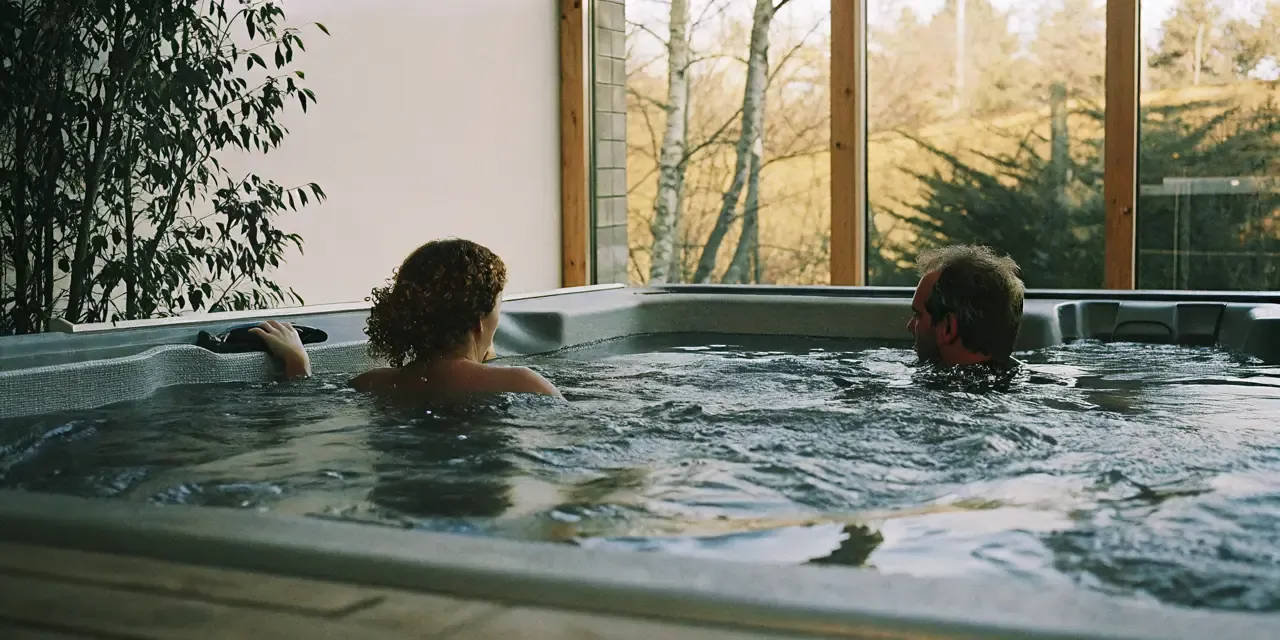
- Arrive with time to settle in. Wear comfortable clothing, bring any questions you have, and plan to spend enough time in each model for your body to relax. The first few minutes can be spent adjusting to the water. A rushed visit makes every seat feel less familiar and can hide details that matter during a normal evening soak.
- Move through the seats. Try the jet pressure from more than one position. Notice whether the massage feels focused or diffuse, and whether you can adjust the intensity without losing comfort. If you expect to share the tub, each person should try the seats they are most likely to use.
- Check the footwell and legroom. Pay attention to where your feet rest and whether the footwell feels crowded when another person sits nearby. A seat that feels comfortable alone may feel restrictive once the tub is occupied. Look for a layout that supports the way your household actually plans to use the spa.
- Test the ergonomics. Notice how the seat supports your lower back, shoulders, neck, and head. Can you sit upright without straining? Does the neck pillow meet you at a natural height? Small fit issues become important when the hot tub is part of a regular routine.
- Picture the routine, not just the massage. Imagine getting in after work, talking with family, or relaxing quietly before bed. Consider whether the controls are easy to reach, whether the seating encourages conversation, and whether the tub feels like a place you will use consistently. The right choice should fit your daily life, not only feel impressive for ten minutes.
- Compare two or three models back to back. Take notes while the differences are fresh, including seat comfort, jet feel, entry height, and overall layout. Fun Outdoor Living offers showroom test soaks so you can make a grounded comparison. If this is your first visit, read the first-time hot tub test soak guide before you go.
Electrical, Installation, and Delivery: What to Prepare First
The most comfortable hot tub experience starts before the first soak. Electrical planning, a realistic delivery route, and a clear installation plan help prevent last-minute changes to your patio, deck, or landscaping. When buying a hot tub, ask who is responsible for each part of the process and what your home will need before delivery day.
Plan the electrical connection early
Many full-size hot tubs use a dedicated electrical circuit rather than sharing power with other outdoor equipment. The exact voltage, amperage, disconnect requirements, and wiring depend on the model and the existing service at your home. Your dealer should confirm the specifications for the tub you select, while a licensed electrician evaluates the installation and completes the work according to applicable local requirements.
Carolina municipalities may have different permitting, inspection, grounding, disconnect, and placement requirements. Do not rely on a generic online checklist or assume a previous outdoor circuit is suitable. Confirm the details with your dealer, electrician, and local authority having jurisdiction before work begins. This is especially important when a tub is near a pool, covered structure, property line, or other electrical equipment.
Measure the delivery path, not just the space
A tub can fit beautifully on paper and still be difficult to move into position. Before ordering, walk the complete route from the street or driveway to the installation site. Measure:
- Gate and fence openings, including the narrowest point.
- Turns, steps, slopes, and overhead obstructions.
- Clearance around doors, porches, air-conditioning equipment, and landscaping.
- The final service access needed for future maintenance.
Photographs and accurate measurements give the installation team a better picture of the site. If access is tight, ask about the delivery method before the tub is scheduled. Fun Outdoor Living’s regional warehouse in Monroe, North Carolina supports its delivery logistics, but every property still requires its own route review.
Choose one team for installation and ongoing service
Installation is not the end of the relationship. Filters, controls, covers, pumps, and water-care questions eventually need attention. Fun Outdoor Living uses licensed, in-house construction and service teams, so homeowners have a direct point of contact instead of being passed between a retailer and unrelated contractors. That continuity can make troubleshooting and long-term care considerably less stressful. If you need help after installation, the Fun Outdoor Living service team can help coordinate the next step.
Foundation and Site Prep for a Hot Tub
One of the easiest details to overlook when buying a hot tub is the surface beneath it. A filled spa is extremely heavy, so the base needs to remain level, stable. And capable of carrying that load without shifting, settling, or allowing water to collect around the equipment.
Concrete is the most straightforward foundation
A reinforced concrete pad is the gold standard for many installations. It provides a solid, level surface and can be sized to leave room for steps, service access, and safe movement around the spa. The pad should be properly prepared for local soil and drainage conditions, rather than poured onto an unstable or poorly compacted base. A qualified installer can help determine the appropriate dimensions and reinforcement for the selected tub.
Can a deck or patio support a hot tub?
A structurally sound deck can work, but appearance alone does not establish that it is ready for a filled spa. The framing, footings, joists, and connection points all need to be evaluated for the concentrated weight. If you are considering a raised installation, review this deck planning guide for your hot tub before choosing materials or finalizing the layout.
Pavers and patio surfaces can also be suitable when they are installed over a properly compacted, stable base. Loose, uneven, or settled pavers may allow the spa to shift or sit out of level. The same principle applies to existing patios: confirm that the surface is structurally sound and that it can handle the filled weight, not just the empty cabinet.
- Keep the foundation level across the full footprint of the tub.
- Plan for drainage so rainwater and splash-out do not pool beneath or around the spa.
- Leave practical access to the equipment panel for future service.
- Account for steps, cover movement, and a safe path to and from the tub.
Good site preparation protects the spa, simplifies maintenance, and helps prevent expensive corrections after delivery. It is worth settling the foundation plan early, while the location and access route can still be adjusted easily.
Financing and Trade-Ins: Making the Purchase Practical
A hot tub is a meaningful backyard purchase, but the full cost does not have to be handled in one payment. For first-time buyers, a clear financing conversation can make it easier to compare the tub, installation, electrical work, and ongoing care as one complete plan.
Fun Outdoor Living offers financing options that may include 0% APR promotions for qualified buyers. The important step is to review the offer terms carefully, including the promotional period, eligibility requirements. Required payment schedule, and what happens if the balance is not paid according to the agreement. A monthly payment can be useful for budgeting, but it should be considered alongside the total purchase price and the rest of your household priorities.
You can review the current details on the hot tub financing options page or ask a showroom team member to walk through the numbers with you. That gives you a chance to compare models based on how you plan to use the spa, rather than choosing only by the payment amount.
What if you already own a spa?
If you are replacing an older hot tub, the trade-in program may help make the transition more practical. Instead of treating the existing spa as a separate disposal problem, ask whether it can be evaluated as part of the purchase. Eligibility and value depend on the condition, age, brand, and logistics of the tub. So a trade-in should be viewed as an option to investigate, not a guaranteed credit.
The hot tub trade-in program can help you understand the next steps. Bring accurate information about your current spa, including its model, approximate age, operating condition, and location. A straightforward review helps set realistic expectations and keeps the decision focused on finding a comfortable, well-supported fit for your home.
Hot Tub Maintenance: Keeping It Clean and Ready
A hot tub should feel like an easy part of your routine, not another source of uncertainty. The basics are straightforward: keep the water balanced, follow a consistent cleaning schedule, and address changes in clarity, odor, or comfort before they become larger problems.
Test the water regularly
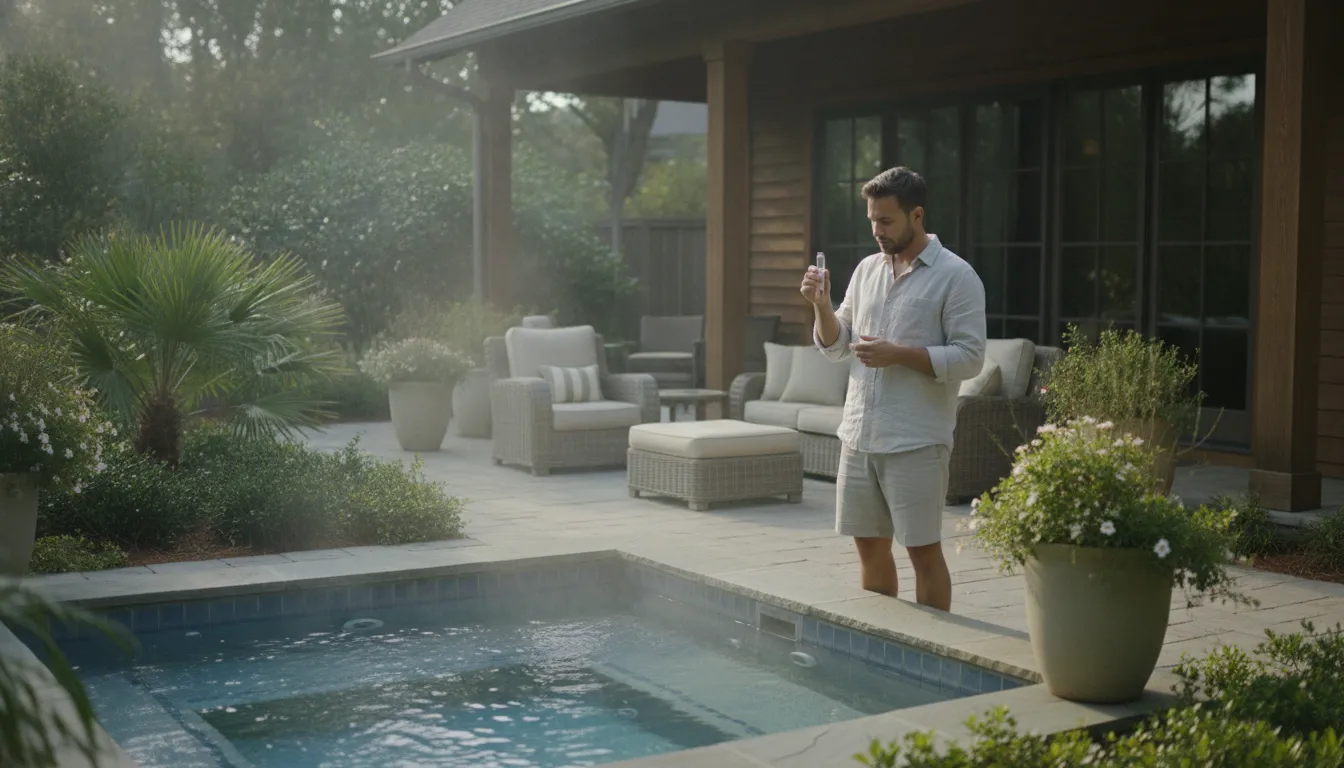
The CDC recommends a pH between 7.0 and 7.8 and a chlorine concentration of at least 3 parts per million in hot tubs. During regular use, test both chlorine and pH at least twice a day, and test more often when several people are using the spa. A reliable test routine helps your sanitizer work as intended while keeping the water more comfortable for skin and eyes.
- Check chlorine and pH before use and again later during a day of regular use.
- Follow your spa and water-care product instructions when adding chemicals.
- Rinse or clean filters on the schedule recommended for your model.
- Drain, clean, and refill the spa at the intervals appropriate for its use and water conditions.
Why sanitation matters
Clear water is not proof that a hot tub is sanitary. Poorly maintained water may carry bacterial, skin, or pulmonary risks, and Mayo Clinic notes that Legionella bacteria can spread through tiny water droplets from a hot tub. This is not a reason to avoid soaking. It is a reason to treat water care as part of owning the spa, rather than an occasional cleanup task.
For homeowners who prefer professional support, a dealer maintenance plan can make the routine easier to manage. Fun Outdoor Living’s Spa Valet service provides ongoing maintenance support, helping keep water care and equipment attention on a predictable schedule. You can also use this hot tub maintenance schedule as a practical starting point, then adjust it for your household’s use, weather, and water conditions.
Frequently Asked Questions
How much should I spend on a good hot tub?
Set your budget around the experience you want, not just the number of seats. Compare insulation, filtration, seating comfort, jet placement, warranty coverage, delivery, electrical work, and ongoing service alongside the purchase price. A lower-priced tub may be reasonable for occasional use, while a more substantial investment can make sense for daily hydrotherapy, family use, or year-round entertaining. Ask for a complete installed-cost estimate so delivery, site preparation, and electrical work do not surprise you.
What is the monthly cost of owning a hot tub?
Monthly costs vary with water temperature, weather, tub insulation, electricity rates, usage, water-care products, and service needs. Carolina homeowners should also consider whether the tub will run through mild winters and hot summers, since maintaining a ready-to-use temperature uses energy year-round. Request an operating-cost estimate for the specific model and ask what maintenance is included in any service program. The CDC recommends testing hot tub chlorine and pH at least twice daily, with pH at 7.0-7.8 and chlorine at least 3 ppm: CDC water-treatment guidance.
What are the most important things to look for when buying a hot tub?
Start with the seating layout and whether the seats fit the people who will use them. Then evaluate jet placement, entry and exit, footwell space, controls, insulation, filtration, water-care requirements, and access for future service. A wet test or test soak is especially useful because a showroom model can reveal comfort and fit that specifications cannot. Consider the complete ownership experience, including installation, warranty support, parts availability, and local service.
What questions should I ask before buying a hot tub?
Ask who handles delivery, installation, electrical coordination, warranty repairs, routine service, and replacement parts. Confirm the recommended foundation, clearance for maintenance access, expected water-care schedule, energy-efficiency features, and total installed price. Also ask what happens after the sale. Fun Outdoor Living offers showroom test soaks, in-house installation and service, financing options, trade-ins. And Spa Valet maintenance programs, so those support details can be discussed before you choose a model.
Start With a Test Soak
Choosing a hot tub comes down to how it feels. The best way to know that a spa is right for you is to experience it, and that is exactly what a showroom test soak is for. Fun Outdoor Living offers test soaks across the Carolinas, backed by in-house installation, financing. Trade-ins, and Spa Valet maintenance programs that support your decision long after the water settles.
When you are ready to talk through what makes sense for your home, we are here. Reach out to book a free hot tub consultation and test soak at a showroom near you. And take the next step toward evenings you will look forward to.