True wellness is a holistic practice, blending professional guidance with the creation of a supportive personal environment.
Your healing journey is unique, and the support you receive should honor that. While professional guidance is a critical component, the space you return to each day also plays a vital role in your progress.
As you explore the different options for recovery therapy Charlotte has to offer, it’s helpful to think about how you can build a life that sustains your well-being from the inside out. This guide walks through the types of professional care available and explores how creating a personal sanctuary at home can complement your journey.
Key Insight: “Recovery doesn’t pause when you leave your therapist’s office. Your home environment should be the ‘safety net’ that catches you every single day.” 🏡🧘♀️
Key Takeaways
- Find the Right Level of Support: Understand the differences between flexible outpatient programs that fit your daily life and immersive residential care for structured healing.
- Look for Transparency: A quality recovery center will be open about its philosophy, staff credentials, and aftercare planning.
- Extend Your Healing at Home: Complement professional therapy by creating a personal wellness sanctuary. Daily rituals like a hot tub soak or sauna session reinforce mindfulness and provide consistent relief.
What Kinds of Recovery Therapy Can You Find in Charlotte?
Taking the first step toward recovery is a powerful act of self-care. Charlotte offers a strong network of support, because recovery isn’t a one-size-fits-all process.
The right approach depends entirely on your needs. From flexible outpatient services to immersive residential programs, the goal is to give you the tools for lasting wellness.
Exploring Outpatient Programs
Outpatient programs offer consistent support while you live at home. This approach is built on flexibility. Typically, you attend therapy sessions at a local center for a set number of hours each week. Top Charlotte outpatient programs blend individual counseling, group therapy, and family sessions. This allows you to practice new coping skills in your real-world environment.
Understanding Inpatient and Residential Care
For those needing a structured environment, residential care provides 24/7 support away from daily triggers. You live at the facility—usually for 30 to 90 days—and focus entirely on recovery. While the cost for treatment can be a consideration, many centers offer financing options to make this level of care accessible.
What to Know About Detox Services
Detox is often the first step in substance use recovery. It is a medically supervised process to safely manage withdrawal. It’s crucial to remember that detox is not a cure; it’s the preparation for one. A common myth about recovery is that detox alone is enough. In reality, it stabilizes you so you can begin the deeper therapeutic work.
Finding a Specialized Therapy Approach
Recovery is personal. Many Charlotte centers offer specialized approaches like adventure therapy (hiking, rock climbing) to build confidence. Other programs incorporate art therapy or mindfulness. These methods help you connect with yourself in new ways.
Integrating Mental Health and Dual Diagnosis Care
It’s common for substance use and mental health conditions (anxiety, depression) to occur together. This is known as dual diagnosis. Leading centers in Charlotte use proven therapies like Cognitive Behavioral Therapy (CBT) to address both simultaneously, ensuring a more stable recovery.
How to Choose the Right Recovery Center for You
Finding a recovery center is a deeply personal decision. Beyond the therapy offered, the center’s core values and environment play a crucial role.
A Center’s Philosophy and Approach
Every center has a core philosophy. Some follow a clinical model, while others focus on holistic paths. Look for a mission that resonates with you. For example, Nova Transformations focuses on purpose and connection in sobriety. Finding a philosophy that feels right is the first step.
The Importance of Staff Credentials
The people guiding you are as important as the program. Look for accreditations from organizations like CARF, which ensures high standards of care. Ask about staff credentials and client-to-staff ratios. An experienced team offers nuanced support.
Considering the Facility’s Environment
The physical space impacts your state of mind. A calming design reduces stress. Some centers intentionally use serene outdoor spaces to enhance the recovery process. When touring, consider the atmosphere: Does it feel clinical or restorative?
Why Location Matters
Choosing a location involves two schools of thought. For some, getting treatment away from home provides a necessary break from triggers. For others, staying close to home maintains connection with a family support system. There is no right answer—only what is right for you.
What Defines a Luxury Recovery Center in Charlotte?
True “luxury” in recovery isn’t just about amenities; it’s about a deeper commitment to personalized care. These centers offer a holistic path to wellness, prioritizing healing in every detail.
The Value of Personalized Care
Luxury recovery focuses on highly individualized plans. With smaller client-to-staff ratios, therapists dedicate more time to your specific needs. The goal is to empower individuals to find joy and purpose, ensuring you aren’t just another number.
Integrating Holistic Wellness Practices
Healing involves the whole person. Luxury centers often integrate practices like yoga, meditation, and nutrition groups. These rituals help you build a toolkit of healthy coping mechanisms that form the foundation for a resilient lifestyle.
How Premium Amenities Create a Therapeutic Setting
Premium amenities—private rooms, chef-prepared meals, quiet areas—are chosen to reduce external stress. A serene setting lowers cortisol levels and improves sleep. This philosophy mirrors designing a home wellness retreat—using your surroundings to support your health.
Planning for Aftercare
Recovery doesn’t end when you leave. A hallmark of quality programs is aftercare planning. Experts at Red Oak Recovery emphasize that this plan helps you continue progress. It might include ongoing therapy or alumni groups.
Understanding the Costs of Recovery Therapy
While costs can seem high, understanding your options—from insurance to payment plans—helps you find a manageable path forward.
How is Treatment Priced?
Costs depend on the type and length of care. While comprehensive rehab programs can be a significant investment, outpatient programs have different structures. Speak directly with centers to get a detailed breakdown.
Using Your Insurance Coverage
Insurance is a valuable tool. Many plans cover a portion of mental health treatment. Call your provider or check benefits online. Most centers will also help you with verifying benefits, simplifying the process.
Exploring Payment Plans
Most centers want to make recovery accessible. Don’t hesitate to ask about payment assistance. Flexible plans allow you to spread the cost over time, reducing immediate pressure.
Create Your Own Recovery Sanctuary at Home
Your journey doesn’t end when you leave a therapist’s office. The environment you return to plays a vital role. Creating a dedicated sanctuary at home gives you a space to decompress and integrate the tools you’re learning.
Whether it’s a quiet patio with a warm spa or a complete backyard wellness zone, this space becomes a physical reminder to slow down.
Designing a Space for Daily Wellness
Creating a wellness space begins with intention. It’s about carving out an area reserved for your peace. This could be a quiet corner of your deck or a secluded spot in your yard. The goal is a peaceful environment that encourages you to step away from stressors. If you need help visualizing, a free home consultation can map out a design.
Hot Tubs for Stress Relief
A hot tub offers a powerful ritual for unwinding. The combination of heat, buoyancy, and massage releases physical tension held in muscles. Submerging yourself quiets the nervous system, providing immediate relief. Brands like Hot Spring® Spas are designed for this daily decompression.
Saunas for Mental Clarity
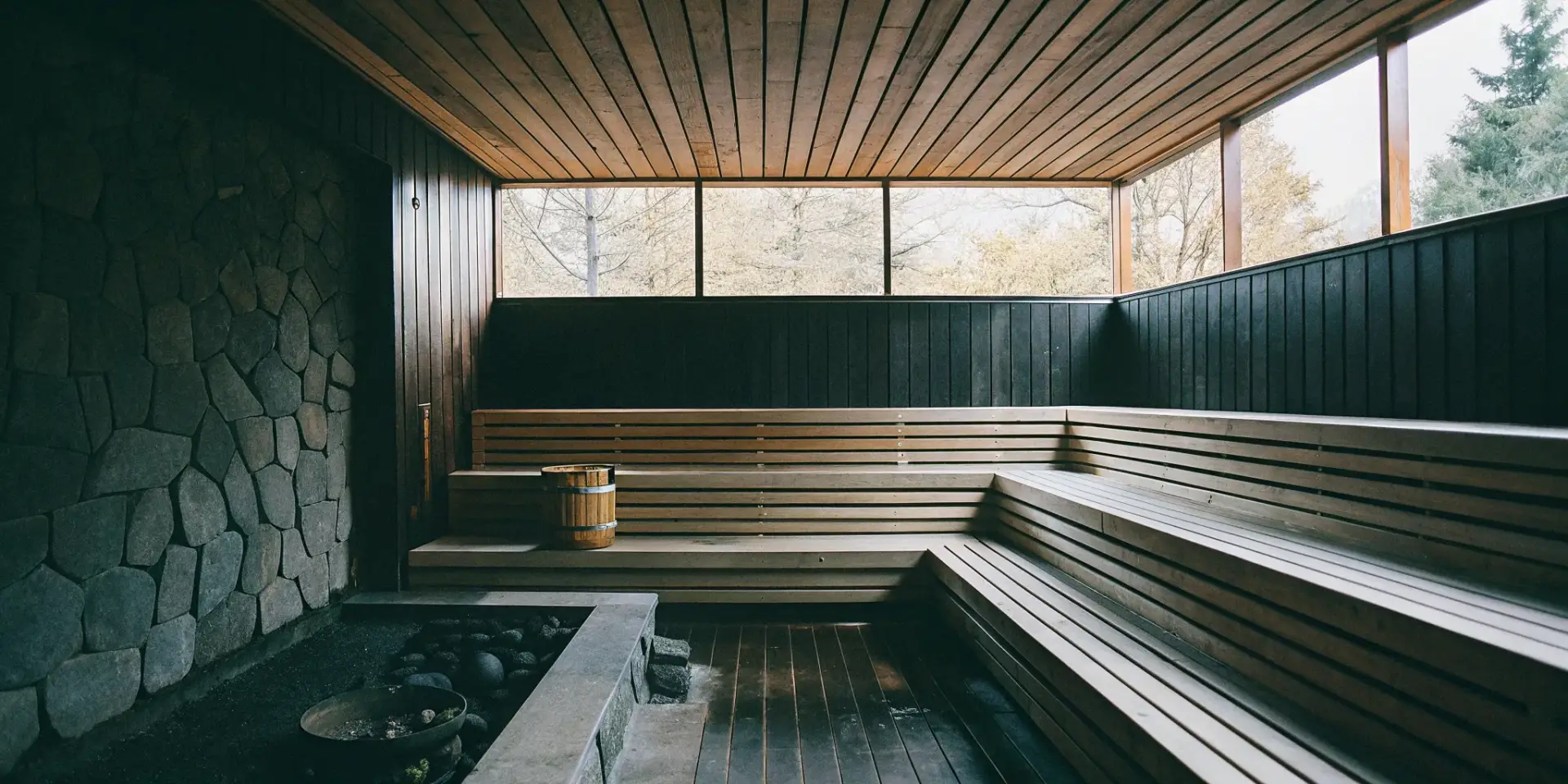
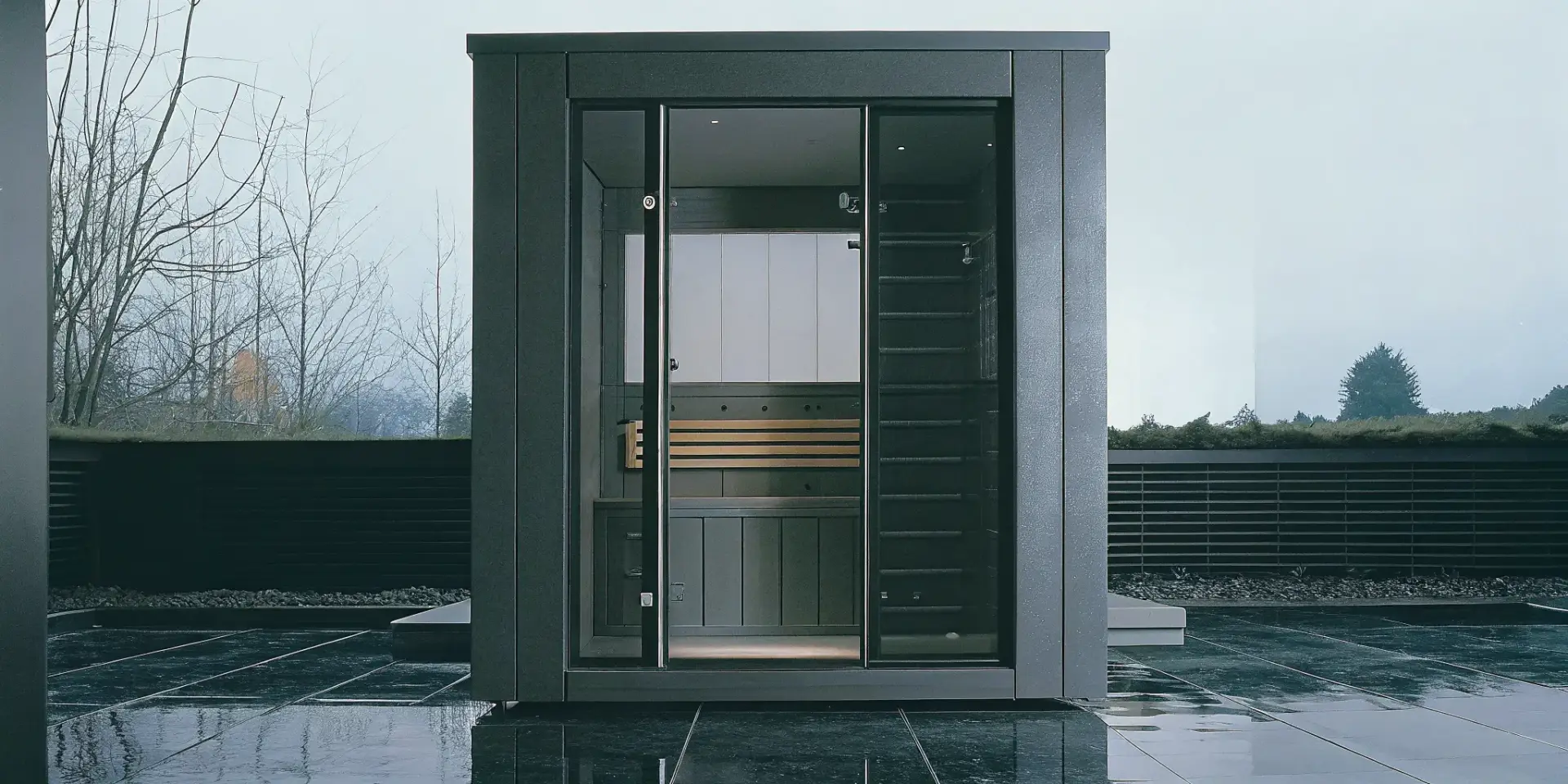
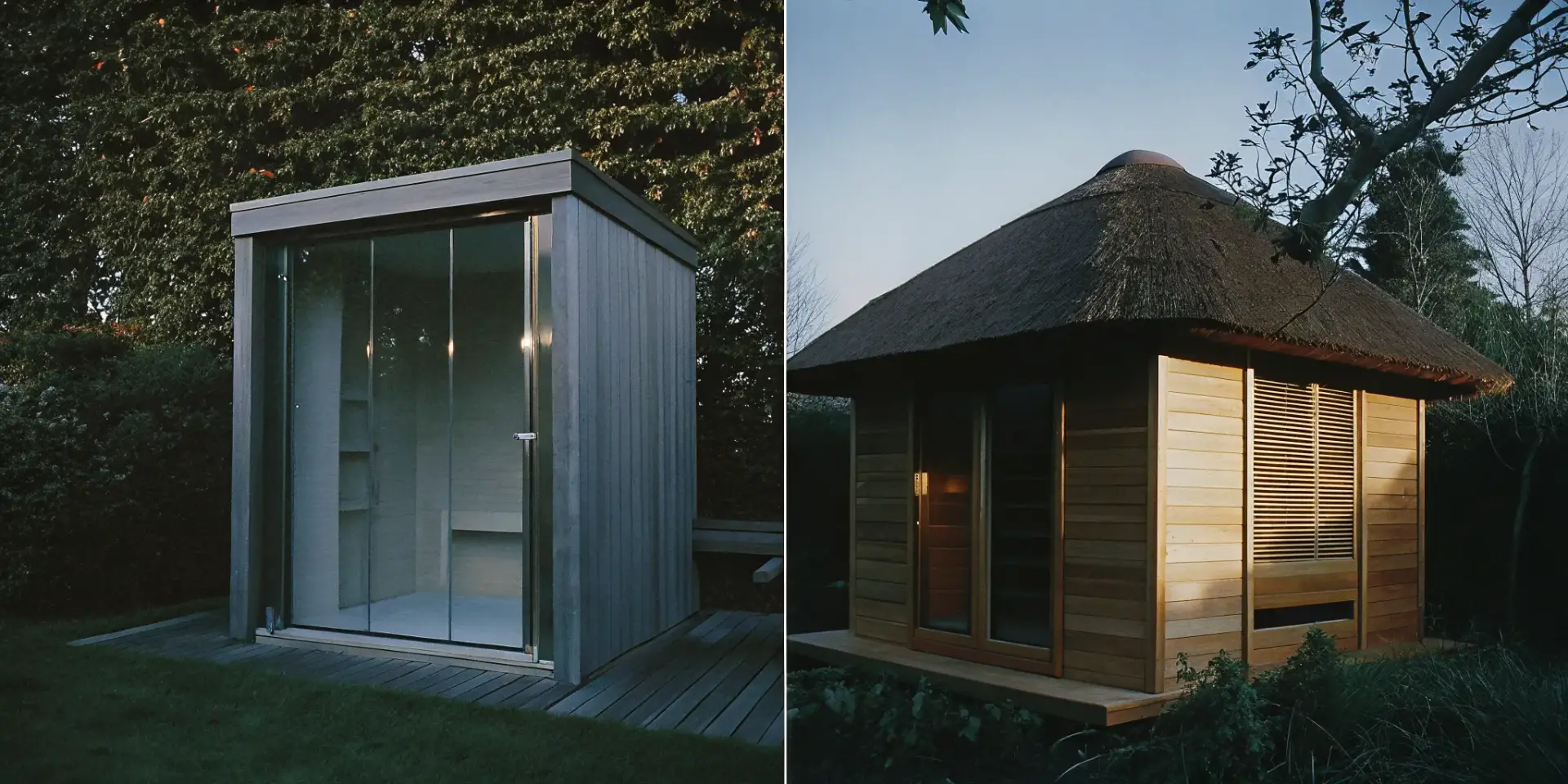
Stepping into a sauna is like pressing a reset button. The enveloping heat melts distractions, promoting deep relaxation. For many, the sauna becomes a phone-free zone to simply breathe. With modern Tylo® saunas, you can bring this ritual home.
Cold Plunges for Resilience
While a hot tub soothes, a cold plunge invigorates. Deliberate cold exposure builds mental resilience and sharpens focus. Many pair a sauna with a cold plunge for contrast therapy. With a system like the Vigor Cold Plunge, you create a routine that builds fortitude.
Designing Your Complete Retreat
Imagine a space where all these elements work together. A complete outdoor retreat combines a sauna, cold plunge, and hot tub into one seamless environment. Add a fire feature and comfortable seating, and you have a sanctuary steps from your door. We specialize in creating these integrated HydroTherapy Zones.
Related Articles
- Build Your Backyard Reset Routine
- Circulation, Recovery, Clarity: Contrast Therapy
- Swim Spas & Hot Tubs in Charlotte, NC
Frequently Asked Questions
How do at-home wellness routines support professional therapy? Think of at-home practices as the physical extension of therapy. A home sanctuary gives you a dedicated space to practice mindfulness and regulate your nervous system between sessions.
Why is a dedicated “sanctuary” important? A dedicated space signals to your mind that it’s time to switch off. When you have a place designed for well-being, self-care becomes a natural part of your routine rather than an effort.
I don’t know where to begin. What’s the first step? Start by thinking about how you want to feel (calm, energized?). Then, schedule a design consultation to translate that vision into a practical plan for your backyard.
What is contrast therapy? It is the practice of moving between heat (sauna) and cold (plunge). This cycle trains your nervous system to adapt to stress, building mental resilience that translates to everyday life.
My backyard is small. Can I still create a retreat? Absolutely. A powerful retreat is defined by intention, not square footage. A compact sauna or hot tub can transform a small patio into a functional sanctuary.