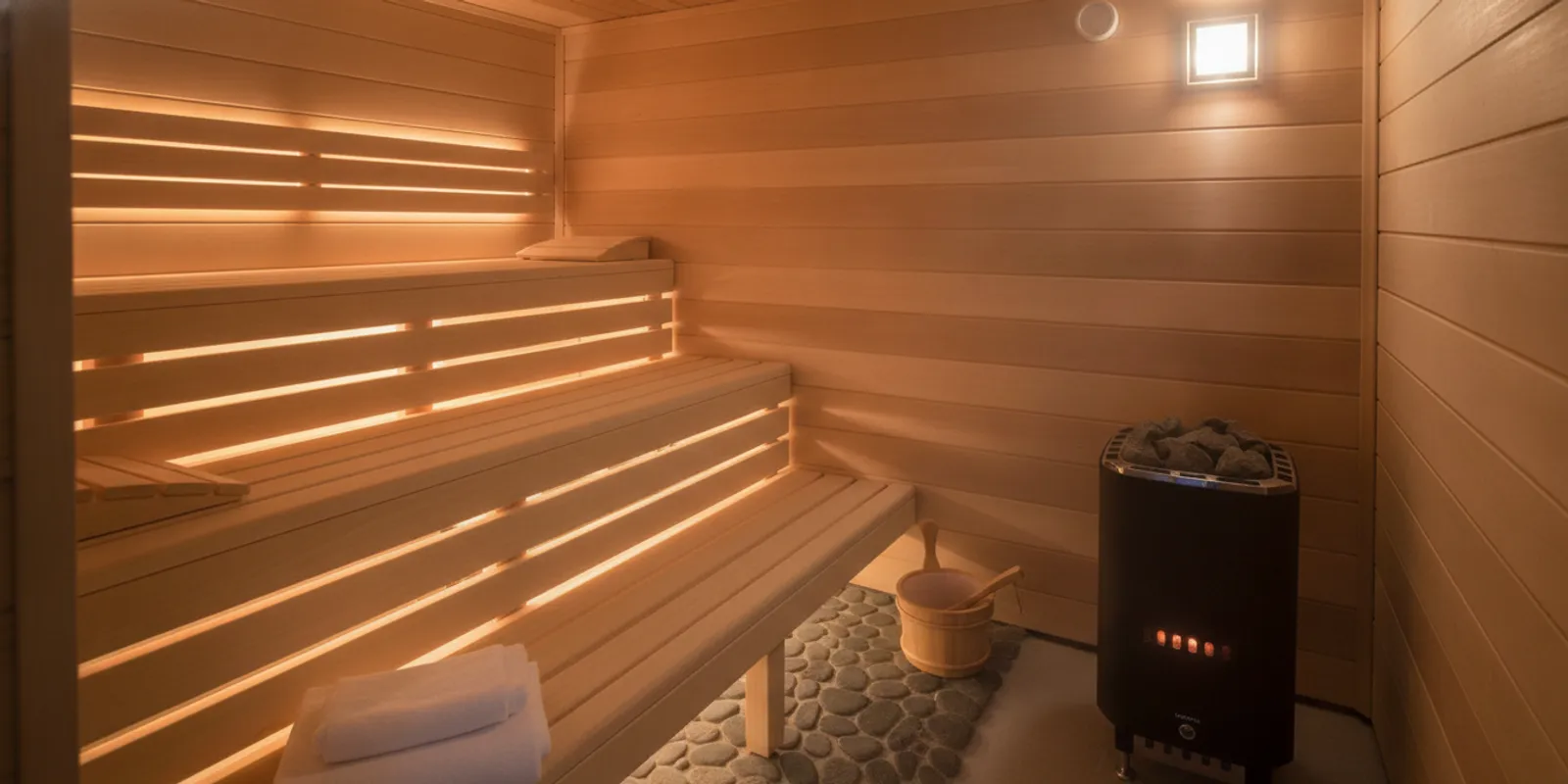
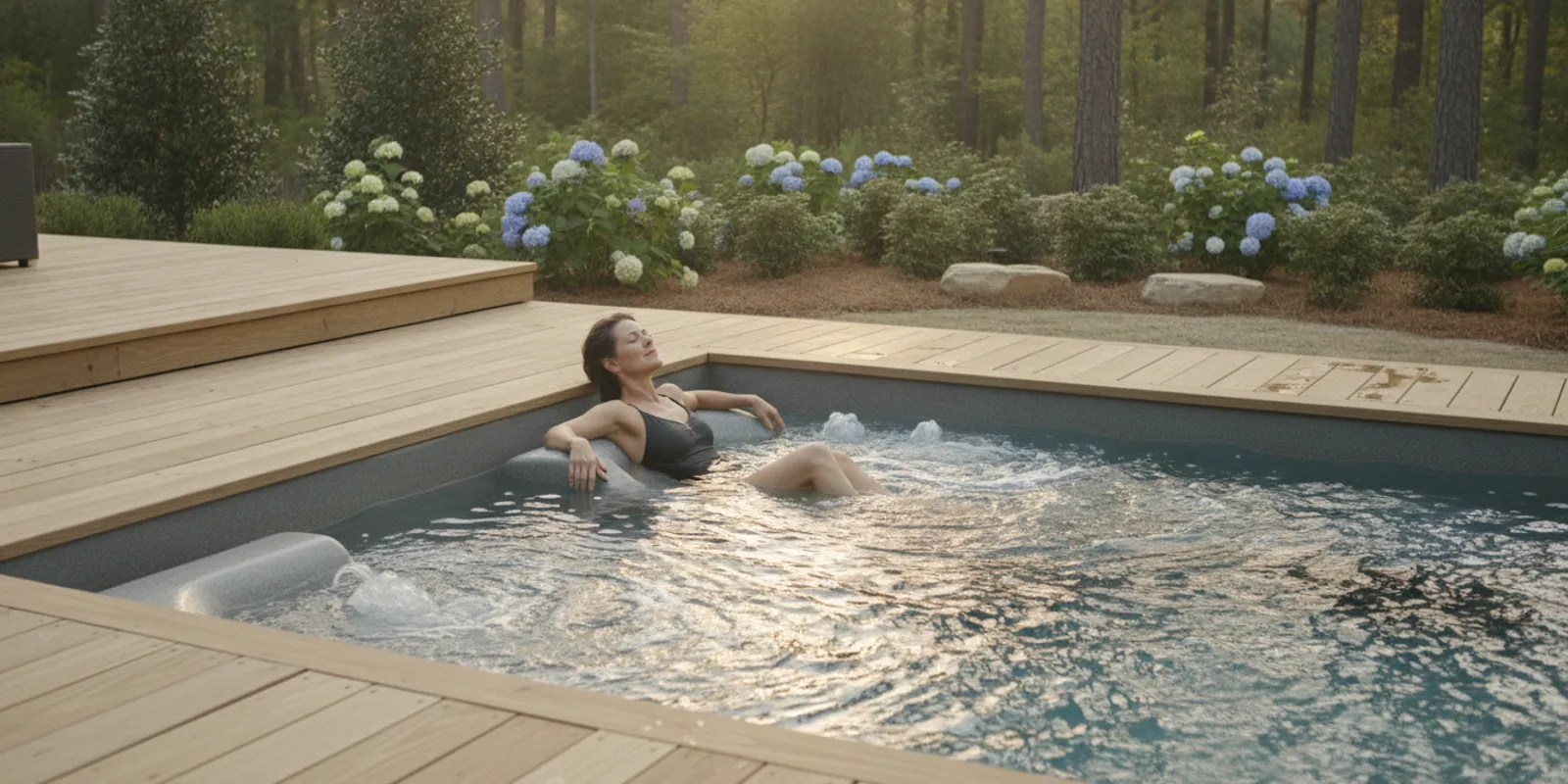
The benefits of traditional steam sauna use are often less about chasing a dramatic result and more about making space for warmth, quiet, and a repeatable wellness ritual. A traditional sauna heats the room and its stones; users may add a small amount of water to the stones for a brief wave of steam, following the heater and sauna instructions. At home, that simple shift can create a welcome pause after a busy day or an active afternoon.
Explore traditional sauna options
What do people value about traditional sauna heat?
Traditional sauna bathing is a dry-heat experience with a room and heater that warm the air and surfaces around you. Adding water to hot stones briefly raises humidity and changes how the heat feels, but it does not make the room a continuously humid steam room. That distinction matters when choosing a format: the traditional sauna experience centers on heated air and stones, with optional short bursts of steam.
Many homeowners value the experience for its sensory simplicity. The warmth, lower lighting, and lack of screens create an easy boundary between everyday tasks and a period of rest. Rather than treating a sauna session as a test of endurance, think of it as an intentional pause that you can adjust or end whenever you feel uncomfortable.
- A quiet transition: A short session can mark the end of a workday or the shift from activity to rest.
- A warming ritual: Heat may feel especially pleasant on a cool evening or after time outdoors.
- Time to unwind: The private, low-distraction setting can make it easier to slow down and breathe calmly.
- A consistent routine: A comfortable setup at home can make it easier to build a repeatable habit, without promising a specific health outcome.
Research on sauna bathing has examined possible health effects, but findings should not be treated as a guarantee for an individual. The review in Clinical Effects of Regular Dry Sauna Bathing discusses the evidence and limitations around claims often made about sauna use. For most people planning a home routine, comfort, moderation, and personal safety are more practical starting points than expecting a particular medical result.
How can sauna time fit into a relaxation routine?
A sauna can provide a dedicated setting for stepping away from messages, chores, and other distractions. The ritual does not need to be elaborate. Set aside a calm window, keep water nearby for afterward, and choose a temperature and duration that feel manageable. You can sit quietly, focus on relaxed breathing, or simply enjoy the warmth.
Build the session around your own comfort rather than a fixed target. If you are new to sauna bathing, begin with a brief visit and leave while you still feel well. Take a break in a cooler space, then decide whether you want another short round. There is no need to stay until you feel overwhelmed or to use steam if you do not enjoy it.
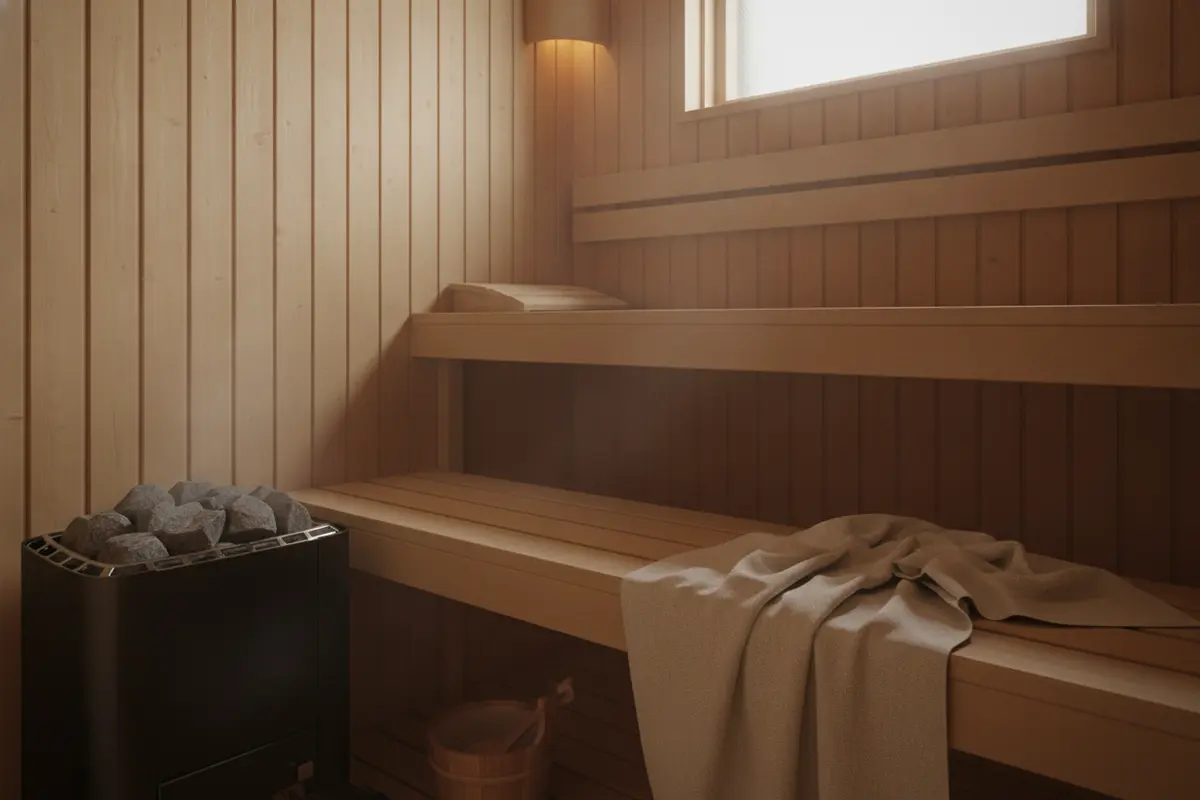
A gentle routine might look like this:
- Drink water as appropriate and enter a clean, preheated sauna according to its operating guide.
- Sit on a towel and keep the session comfortable; leave promptly if you feel unwell.
- Cool down gradually in a comfortable place, and drink water afterward.
- Clean and ventilate the sauna as directed so it is ready for the next use.
Some people like to use a sauna after exercise as part of their cooldown ritual. The warmth may feel soothing after movement, but it is not a substitute for hydration, gradual cooling, recovery sleep, or medical care. If you are dizzy, unusually fatigued, or overheated after activity, skip the sauna and focus on cooling down safely.
What does traditional sauna feel like compared with infrared?
Both formats offer heat, but the experience and equipment differ. A traditional sauna uses a heater and stones to warm the room; infrared systems use infrared emitters to deliver radiant heat. People may describe the traditional room as enveloping, with heat in the air and the option of a brief steam burst. An infrared session can feel different because the heating approach is different. Preferences vary, so a hands-on look can be more useful than choosing from a label alone.
| What to compare | Traditional sauna | Infrared sauna |
|---|---|---|
| How heat is delivered | Heater warms the room and stones | Infrared emitters provide radiant heat |
| Humidity option | Water may be added to stones if the manufacturer allows it | Typically no hot-stone steam ritual |
| Feel to consider | Warm room with optional brief humidity change | Different, more direct radiant-heat sensation |
| Planning question | Do you want a heated room and stone-heater ritual? | Do you prefer the infrared approach and its setup? |
These are broad distinctions, not performance promises. Exact temperature ranges, controls, installation needs, and care instructions depend on the model. Compare the space available, electrical and ventilation requirements, how many people will use it, and the experience you are most likely to enjoy consistently. Fun Outdoor Living offers Tylo traditional and infrared saunas, so you can ask practical questions about the options without assuming one format is right for everyone.
How should you use a traditional sauna safely?
Heat affects people differently. Follow the sauna maker’s operating and maintenance instructions, start conservatively, and leave if you feel lightheaded, nauseated, weak, or otherwise unwell. Avoid alcohol before or during sauna bathing, and do not use a sauna when you are ill or already overheated.
Ask a qualified health professional for personal guidance before using a sauna if you have a health condition, are pregnant, take medication that may affect heat tolerance, or are unsure whether heat exposure is appropriate for you. Do not use a sauna as treatment for a medical condition. Keep children supervised and follow the product-specific precautions, including rules about water on stones, heater guards, and access to hot surfaces.
For a sensible first session, prioritize comfort over duration. Sit where you can exit easily, keep the door unobstructed, and avoid sudden extremes of heat and cold. If you share the sauna, agree on a simple check-in routine so everyone feels free to leave whenever they wish.
What should you plan before adding a sauna at home?
Think beyond the cabin itself. A practical plan accounts for the room or outdoor location, safe access, power requirements, ventilation, floor protection, and a nearby place to cool down. Consider who will use it and whether the path from the house remains comfortable in cold or wet weather. A well-planned spot can make the difference between a feature that looks appealing and one that fits daily life.
Before choosing a model, write down your priorities:
- How many people should fit comfortably?
- Would you prefer a traditional heater with stones, an infrared unit, or the ability to compare both?
- What installation work and utility requirements need professional review?
- How will you clean, ventilate, and maintain the space?
- Would a sauna be part of a broader wellness area, perhaps alongside a contrast therapy setup?
For many homeowners, planning is easier when the sauna is considered alongside the surrounding space. A covered porch or deck may affect access and weather protection, while an indoor location raises different ventilation and layout questions. Explore deck, porch, and pergola ideas if the sauna will be part of an outdoor setting. A home design consultation can help you discuss layout and project considerations before making a selection.
How can you make a sauna session feel comfortable?
Small choices before and after the session can make the routine easier to repeat. Choose a time when you are not rushing to another commitment. Put a towel, water, and any needed personal items within reach before entering. Keep the path to the exit clear, and make sure the room is ready according to the equipment instructions.
Comfort is individual. Some people prefer sitting on a lower bench, where conditions may feel less intense; others choose another seat that feels suitable for them. Change position or leave if the heat becomes unpleasant. If you use water on the stones, add only the amount and in the manner permitted by the heater maker. Do not pour water on electrical components or use oils or fragrances unless the product instructions allow them.
Afterward, allow time to cool at a pace that feels comfortable. A gradual transition to room temperature can be more pleasant than rushing straight into another demanding activity. Dry off, drink water as appropriate, and notice how you feel. If the session leaves you drained rather than relaxed, shorten the next one or skip it. The useful measure is whether the ritual fits your life comfortably, not whether you meet a particular target.
What details matter when comparing sauna models?
Once you know the kind of experience you want, compare practical details instead of relying on broad labels. Begin with the number of regular users and the available footprint. Check the door swing, bench arrangement, ceiling height, and room access; a unit that fits on paper may be harder to bring through a doorway or use comfortably than expected.
Next, review the heater and control arrangement. Find out where the controls sit, what the operating sequence is, and whether the heater supports the stone and water ritual you have in mind. Ask which clearances, power supply, ventilation, and floor conditions the specific model calls for. Those details should be confirmed from product documentation and installation guidance, rather than assumed from another sauna’s specifications.
Maintenance deserves a place in the comparison too. Ask how the benches and interior should be cleaned, how the room should be aired after use, and what routine checks the manufacturer recommends. Consider who will handle setup, what support is available if a question comes up, and whether the proposed location makes regular care straightforward. A clear plan helps avoid treating maintenance as an afterthought.
If possible, see the materials and seating in person. A showroom visit can help you judge the wood appearance, bench height, door feel, and general scale. Bring rough measurements and the names of the people who will use the sauna. For homeowners in the Carolinas, Fun Outdoor Living’s Tylo sauna selection is a starting point for discussing traditional and infrared options; confirm model-specific details before deciding.
How can a sauna fit into a broader home wellness area?
A sauna does not have to stand alone, but the surrounding plan should remain simple and safe. Think about a comfortable place to sit before or after, hooks for towels, lighting that is easy to use, and a floor surface suited to the location. If the sauna is outdoors, account for weather exposure and a practical route indoors. If it is inside, consider how the room will be ventilated and kept dry as directed by the maker.
Some homeowners pair heat with other forms of relaxation or outdoor living. A contrast therapy area may combine a sauna and cold plunge, but using distinct temperatures is not suitable for everyone and should not be treated as a required routine. You can also plan a sauna as one element of a larger deck or porch project, with the layout shaped around privacy, access, and how you want to use the space throughout the year.
Keep each component’s instructions in view. Do not assume that accessories, cleaning products, or water practices that work for one model are appropriate for another. A well-organized wellness area makes it easier to follow the right steps and to use each feature on its own terms.
What should you note after each sauna session?
A simple record can help you learn which conditions feel comfortable without turning sauna use into a performance goal. After a session, note the approximate time of day, how warm the room felt to you, whether you used water on the stones as permitted, and how you felt afterward. You do not need a detailed log; a few words such as “pleasant,” “too intense,” or “left feeling tired” can make your next choice clearer.
Use those observations to adjust one thing at a time. If a session felt too intense, shorten the next visit or choose a cooler setting if the manufacturer allows it. If you were rushed afterward, choose a time with more space to cool down. If the room felt comfortable but the transition out felt abrupt, plan a quiet few minutes in a nearby seating area before returning to chores. Changing one element makes it easier to tell what improved the experience.
Think about practical patterns, too. Does the sauna feel more inviting after a walk than after a demanding workout? Is it easier to use when towels and water are prepared in advance? Does the room need more time to air out before the next household activity? These observations can guide a routine that fits ordinary life, rather than an idealized schedule that is difficult to maintain.
If more than one person uses the sauna, invite each person to make their own comfort decisions. One person may prefer lower heat or a brief visit, while another may enjoy a different seat or time of day. Agree that anyone can leave whenever they wish, and do not treat another person’s tolerance as a benchmark. Personal differences are a reason to keep the routine flexible.
A record should never replace the product instructions or personal health advice. Stop if you feel unwell, and do not try to “work up” tolerance by pushing through symptoms. If you have questions about whether heat exposure is appropriate for you, speak with a qualified health professional before making changes to duration or frequency.
What questions should you ask before starting a routine?
It can help to make a short personal checklist before the first session. Consider whether you feel well, whether you have enough time to cool down afterward, and whether heat exposure is appropriate for you. If you have a health concern or a medication question, seek guidance from a qualified health professional rather than trying to resolve it by changing the sauna temperature or duration on your own.
- What does the owner’s guide say about starting, heating, and ending a session?
- Can I leave the room easily at any time?
- Is the sauna clean, ventilated, and ready for use?
- Do I know which surfaces and controls may be hot?
- Am I choosing this because it feels comfortable, rather than because I feel pressured to stay longer?
These questions keep the focus on a calm and flexible experience. A sauna is optional leisure time, not a task to complete. Skip it when you are unwell, and end the session whenever your body signals that it is time to stop.
Frequently asked questions
Does a traditional sauna make a room steamy?
Not continuously. A traditional sauna heats the room and stones, and a small amount of water may create a temporary burst of steam when the product instructions allow it. The room remains a sauna environment rather than a continuously humid steam room.
Can sauna heat help after exercise?
Some people enjoy warmth as part of a post-activity relaxation ritual. It should not replace hydration, a gradual cooldown, or other recovery practices, and you should skip it if you feel unwell or overheated.
How long should a beginner stay in a sauna?
There is no single duration that suits everyone. Start with a brief, comfortable session, follow the manufacturer’s directions, and leave immediately if you feel dizzy, weak, nauseated, or uncomfortable.
Is traditional sauna better than infrared?
Neither is universally better. Traditional systems heat the room and stones, while infrared systems use radiant heat. Compare how each feels, installation needs, and the routine you expect to enjoy.
Compare sauna options for your home
The best sauna routine is one that feels comfortable, fits your space, and leaves room to listen to your body each time you use it.