Cold Plunge Pump Maintenance: Flow and Warning Signs
A dependable cold plunge should feel simple to use: the water stays moving. The filtration system does its job, and the equipment does not suddenly sound different from one day to the next. When flow slows or a familiar hum becomes a rattle, the change is worth noticing, but it does not automatically point to a major failure.
Learn More about the Vigor Cold Plunge
A cold plunge pump circulates water through the system so filtration and temperature control can work together. In the Vigor Cold Plunge, that process is part of a professional-grade self-chilling system that uses UV-C water sanitization and a 25 sq. ft. filter as part of its water-care approach. Because the system holds 110 gallons, changes in flow, sound, or water clarity can be useful early clues.
The safest approach is to understand what the circulation equipment does, then separate simple external checks from problems that require trained service. Start with the relationship between movement, filtration, and cooling before deciding what a symptom may mean.
What Does a Cold Plunge Pump Do?
A cold plunge pump keeps water moving through the system so the plunge can support three connected jobs: circulation, filtration, and cooling. In a self-chilling setup, the pump is not simply moving water for its own sake. It helps carry water through the equipment and return it to the tub in a continuous cycle, allowing the system to manage the water as a whole.
The Vigor Cold Plunge is positioned as a professional-grade, self-chilling cold therapy system. Its pump works within that integrated design rather than as a standalone accessory selected by tank size alone. The exact pump arrangement and service instructions depend on the installed system, so owners should use the applicable manual or service team for model-specific guidance.
How circulation supports cooling
Water needs to pass through the cooling side of the system before returning to the plunge. When that circulation is steady, the chiller can work with the water being sent through it, rather than treating the tub as a motionless volume. The pump therefore supports temperature management indirectly by maintaining the flow the system was designed to use. It does not create a safe or useful result by running independently of the chiller, filtration, and controls.
How circulation supports filtration
Circulation also gives the water an opportunity to pass through the treatment path. Vigor uses UV-C water sanitization and a 25 sq. ft. filter as part of its water-care approach. In practical terms, the pump helps bring water into that path so filtration can do its intended work. The Vigor system holds 110 gallons, but that capacity does not establish a universal cleaning schedule or confirm a specific flow rate.
Because these functions are connected, flow changes can affect more than one part of the experience. Reduced movement may mean less water is reaching the cooling and treatment path. Inconsistent movement can also make it harder to tell whether a temperature change reflects normal operation or an equipment concern. Clear water is not, by itself, proof that circulation is working correctly. Pay attention to changes from the system’s usual behavior instead of trying to judge performance by a universal flow number.
That is why a change in flow matters even when the water still looks clear. A weaker return, intermittent movement, or a new change in pump sound may indicate that the system is not circulating as expected. Possible causes can include an issue with the filter, plumbing, water level, or pump operation, but the symptom alone does not identify the cause. Avoid opening electrical equipment or attempting sealed-system repairs. If flow remains abnormal after the safe checks outlined elsewhere in this guide, qualified service can determine whether the pump, chiller, or another component needs attention.
How Do Flow and Filtration Work Together?
A cold plunge pump moves water through the treatment loop, while the filter captures particles before they can continue through the system. When both parts are working well, water reaches the chiller and returns to the tub with steady circulation. Vigor uses UV-C water sanitization and a 25 sq. ft. filter as part of its water-care approach. But the exact service instructions for your system should always come from the owner manual or a qualified technician.
Think of the filter as a point of resistance in the loop. Leaves, lint, body oils, and other debris can load the filter over time. As that load increases, the pump may have to work against more resistance, and the visible return flow can weaken. These are general filtration principles, not a model-specific cleaning schedule.
| Condition | What may be happening | Safe next step |
|---|---|---|
| Steady flow and a clean intake | The pump can draw and return water with relatively little resistance. | Continue the care routine specified for your model. |
| Flow gradually decreases | Debris or a loaded filter may be restricting circulation. | Check the exterior intake and filter condition only as directed by the manual. |
| Flow drops after draining or refilling | Generic pump systems can experience priming problems or an air lock. A blockage or dirty filter can also contribute. | Do not assume the cause. Follow approved priming guidance or contact service if flow does not return. |
| Flow changes with equipment position | In generic pump systems, lift and plumbing resistance can affect output. | Do not alter fittings, tubing, or pump placement without model-specific guidance. |
Priming deserves particular care. Some generic cold-plunge pump arrangements must be filled with water before startup, and air introduced during a drain or refill can interrupt circulation. Blockages, dirty-filter back pressure, and air locks are documented possibilities in general pump systems, but they are not a diagnosis of a Vigor unit. Persistent gurgling, a dry-running sound, visible leaking, or little to no return flow is a reason to stop experimenting rather than repeatedly cycling the equipment.
For sanitation, cleaning, and water-change guidance, see the cold plunge water care guide. Keep that routine separate from mechanical troubleshooting. A clean filter supports circulation, but a circulation problem can also involve air, plumbing, electrical components, or the chiller itself. Never open electrical equipment or attempt sealed-system work to restore flow.
What Can You Safely Check at Home?
A few careful observations can help you understand whether your cold plunge pump needs routine attention or qualified service. Keep these checks external and follow the owner manual for your exact Vigor system. The manual is the authority for water level, filter handling, power cycling, and any reset procedure. Do not improvise a schedule or force a component that does not move easily.
- Confirm the water level from outside the equipment. Compare the water level with the range shown in the owner manual. A level that is too low can affect circulation, while adding water without checking the instructions can create a different problem. Do not remove panels to inspect hidden plumbing.
- Look for visible debris. Check the water surface, accessible intake area, and surrounding space for leaves, hair, or other material that could restrict circulation. Remove only what you can reach safely without tools or disassembly. Keeping debris under control helps reduce the load on filtration and supports longer-lasting water care.
- Check the filter only as the manual permits. If the manual identifies an owner-accessible filter procedure, follow it exactly, including any required shutoff steps and handling instructions. Note whether the filter appears unusually dirty, damaged, or difficult to seat. For broader cleaning and sanitation guidance, use this cold plunge water care guide. Never substitute a different filter or assume a generic cold plunge schedule applies to your system.
- Observe the display and status indicators. Record what the control panel shows before changing anything. Note warning messages, unusual temperature readings, a pump that does not appear to run, or a status that changes repeatedly. If the owner manual provides a specific reset sequence, use only that sequence. Do not bypass a safety control or repeatedly reset equipment that immediately faults.
- Inspect accessible hoses and fittings visually. Look for standing water, fresh drips, dampness, a visibly displaced connection, or a fitting that appears cracked. Do not tighten fittings aggressively, remove plumbing, or reach into moving equipment. A visible leak or persistent loss of flow is a reason to stop troubleshooting and contact service.
- Record the symptoms before requesting help. Write down when the change began, whether flow or noise changed, what the display showed, whether water was recently added or the filter was handled, and whether the issue returned after a manual-approved step. Photos of external conditions can also help a technician. Do not open electrical equipment, access the compressor, work on refrigerant or another sealed system, or attempt electrical repairs. Those tasks require qualified service.
These observations give a service team useful context without turning a routine check into an unsafe repair. If the cold plunge pump continues to lose flow, makes a new or worsening noise, shows an error, or leaks, leave the equipment in the condition directed by the manual and request professional guidance.
Why Is My Cold Plunge Pump Noisy or Losing Flow?
A cold plunge pump may have a familiar operating sound, but a noticeable change deserves attention. Listen for the difference between a steady hum and a new rattle, grind, buzz, or vibration. Gurgling can suggest air moving through the system, while a sudden reduction in circulation may point to a restriction, filter load, lost prime, or another equipment issue. These are general possibilities, not a diagnosis of your Vigor system.
Start by recording what changed and when. Did the sound begin after draining, refilling, cleaning, or moving equipment? Does the noise continue at all times, or does it occur only when the system starts? Is water still circulating, or has the flow weakened? A short video and a description of the timing can help a service team understand the symptom without requiring you to open the equipment.
- New rattling or grinding: Note whether the sound is continuous, intermittent, or linked to startup. Do not assume that a vibration-isolation feature from another pump model applies to your system.
- Gurgling or surging flow: This can occur when air enters a circulation path, including after draining and refilling, but the owner’s manual should determine any safe priming steps.
- Reduced or uneven flow: A blockage, a loaded filter, or backflow pressure may be possible causes. General pump troubleshooting guidance should not replace Vigor-specific instructions.
- Water around a fitting or cabinet: Treat a new leak as a service concern. Fittings that are over-tightened or equipment that is bumped can contribute to damage in some pump setups. But do not tighten, disassemble, or replace components based on that possibility alone.
Flow and noise thresholds are model-specific. There is no universal decibel level or gallons-per-minute number that can tell you whether a Vigor cold plunge pump is operating correctly. Use the owner manual and the service team as the authority for your exact configuration. Avoid opening electrical equipment, bypassing controls, or attempting compressor, refrigerant, sealed-system, or persistent-flow repairs.
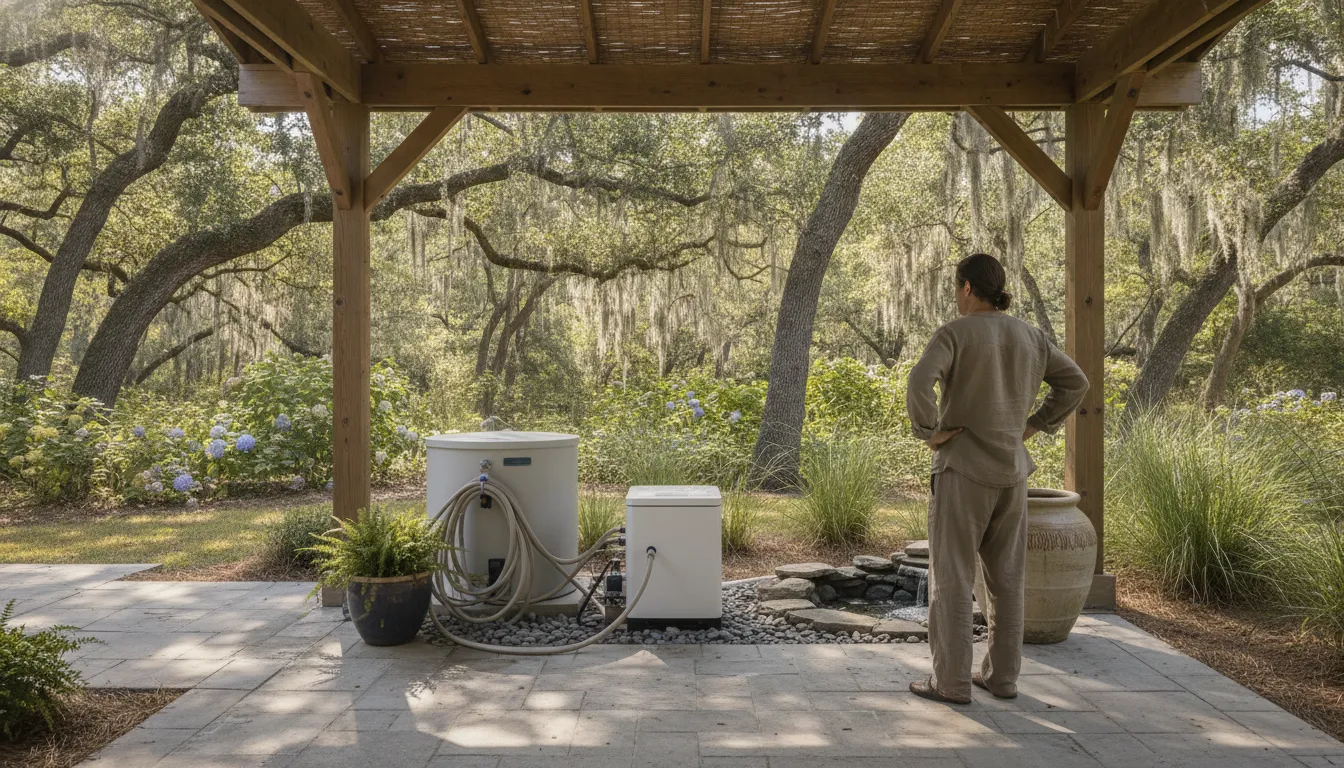
If the sound is accompanied by a leak, electrical concern, loss of cooling, or continued weak flow, stop troubleshooting and request qualified help. Fun Outdoor Living’s service team can use the symptom history, visible observations, and system details to guide the next step.
When Should You Stop Troubleshooting and Request Service?
Safe checks can help you separate a simple maintenance question from a problem that needs trained support. Once the issue involves electricity, an active leak, the chiller or compressor, or a cold plunge pump that continues to lose flow, stop troubleshooting and take the equipment out of normal use until it can be assessed.
Request qualified service immediately if you notice an electrical smell, exposed wiring, scorching, or other visible damage around the power connection. Do not open the equipment cabinet, handle internal wiring, bypass a safety control, or attempt to identify the failed component yourself. These symptoms are not routine filter-care issues, and electrical work should remain with a qualified technician.
An active leak is another clear boundary. You may document where water is collecting and whether the level appears to be changing. But do not tighten internal components or disassemble fittings to search for the source. A leak can affect surrounding equipment and may point to a damaged connection or component that requires proper diagnosis.
Persistent loss of flow also deserves service, especially when safe external checks have not restored normal operation. General pump symptoms can have more than one possible cause, so repeated shutdowns, recurring loss of circulation, or a pump that will not remain running should not be treated as an invitation to experiment. The same applies to unusual compressor or chiller behavior, including a system that repeatedly stops or cannot maintain its expected operation. Do not attempt refrigerant work or sealed-system repairs.
Stop using the plunge and request help when a symptom continues after the basic checks recommended for your exact model. Helpful information for the service team includes:
- What changed, and when you first noticed it
- Whether the problem is constant or occurs during startup
- Any display message, repeated shutdown, visible leak, smell, or unusual sound
- Which safe, model-approved checks you already completed
Fun Outdoor Living provides integrated sales, installation, maintenance, and repair support under one roof. Its certified in-house technicians can provide diagnostic troubleshooting and component replacement for represented systems, helping owners move from uncertain symptoms to an appropriate repair path. Request Service when the concern involves electrical components, a leak, the compressor or chiller, repeated shutdowns, or persistent flow loss.
How Can You Build a Better Maintenance Routine?
A dependable cold plunge pump routine starts with observation, not guesswork. Set aside a brief moment during normal use to notice how the system sounds, how water moves, and whether anything looks different from the previous session. You are not trying to diagnose an internal component. You are building a useful baseline so a change is easier to describe if you need help later.
Keep a simple record for the Vigor Cold Plunge. Note visible changes in flow, unusual sounds, leaks, control-panel messages, and the date you followed the maintenance steps in the owner manual. A short note such as “flow appears lower than usual” is more useful than relying on memory. If the issue continues, share the record with the service team rather than repeatedly changing settings or attempting repairs.
- Normal pump sound and water movement
- Visible debris, cloudiness, or changes in water appearance
- Filter condition and cleaning or replacement actions completed according to the owner manual
- New vibration, gurgling, leaks, or control-panel alerts
Keep mechanical observations separate from sanitation questions. A water-quality concern may call for testing or water-care guidance, while a persistent flow change, leak, electrical concern, or unusual pump behavior may require equipment diagnosis. Fun Outdoor Living’s Free Water Analysis can help with water-care questions. It should not replace the model-specific instructions for filter care or an evaluation of mechanical symptoms. For broader ongoing support, Spa Valet services may include applicable inspection, diagnostics, water testing, filter cleaning, and cover care.
Follow the exact Vigor owner manual for filter and water-care timing. Do not copy a schedule from another cold plunge, pump, or online forum, because equipment and operating conditions can differ. Record completed maintenance alongside service visits, repairs, and parts replaced. That history gives a technician useful context and helps distinguish a routine care question from a developing equipment problem. If a change persists after the manual’s safe checks, request qualified service instead of opening electrical equipment or attempting sealed-system work.
Request Service for your Vigor cold plunge
Frequently Asked Questions
What does a cold plunge pump do?
The pump moves water through the system so filtration and temperature control can do their jobs. In the Vigor system, circulation works alongside UV-C water sanitization and filtration as part of the water-care approach. If circulation changes noticeably, check the safe external items covered in this guide before assuming the pump itself has failed.
Why has my cold plunge pump lost flow?
Common possibilities include debris at an intake, a loaded filter, an air lock after draining and refilling, or a fitting issue. These are general pump-troubleshooting possibilities, not a diagnosis of a Vigor system. Follow the owner’s instructions for safe checks, and request service if flow remains low or the system shows a leak, fault, or repeated interruption.
How often should I clean the filter?
Use the interval and cleaning method specified for your model and water-care routine rather than a universal schedule. Inspect the filter when flow changes or debris is visible, and keep the water free of debris to reduce filter load. Fun Outdoor Living’s maintenance service can include filter cleaning, water testing, leak detection, and diagnostics.
Is a louder or rattling pump normal?
A new rattle, gurgle, vibration, or sudden change in sound deserves attention, especially when it occurs with reduced flow or a visible leak. Do not open electrical equipment or attempt sealed-system repairs. Turn to qualified service for persistent noise, electrical concerns, compressor issues, or suspected leaks.
When should I request cold plunge pump service?
Request service when external checks do not restore normal flow, the equipment repeatedly stops, water is leaking, or a warning remains active. Certified in-house technicians can provide diagnostic troubleshooting and component replacement. Submit a Request Service form so the concern can be evaluated safely.
Get Started With Vigor Cold Plunge Service
A dependable cold plunge should feel simple to use, and changes in flow, filtration, noise, or cooling performance deserve a clear next step. If safe external checks do not resolve the concern, our service team can help separate routine maintenance from issues that require trained diagnosis. Request Service for your Vigor cold plunge when you need support with a pump, flow, filtration, leak, electrical, or chiller concern.