Neglecting the water in your cold plunge can turn a wellness ritual into a safety risk. At Fun Outdoor Living, we believe that clear, balanced water is the foundation of a routine that supports your body. This care ensures your equipment lasts for years.
Need professional help? Schedule a free home consultation with our team or visit a Carolina showroom for expert guidance on the premier Vigor Cold Plunge.
Cold plunge maintenance keeps your tub clean, safe, and ready. Because small tubs hold very little water, sweat and oils can quickly ruin the water balance. Proper care involves filtering, cleaning, and testing to keep water fresh. Skim debris daily and check water levels weekly. According to the CDC, keeping pH between 7.0 and 7.8 kills bacteria and protects equipment. Regular filter changes and water swaps ensure your wellness habit remains safe.
Keeping your water clear is about more than just looks. It protects the expensive machine you use for your daily recovery ritual. Learning Why Cold Plunge Maintenance Matters is the first step toward a safe and stress-free home spa experience. The path begins with
Why Cold Plunge Maintenance Matters

Whether you own a state-of-the-art Vigor Cold Plunge or another high-performance tub, it is a key tool for recovery. To keep your plunge safe, focus on a comprehensive cold plunge selection of care tips. Good water care keeps the water clear, stops germs, and helps your unit last much longer by shielding the parts.
Protect your water and your health
Clean water is the most vital part of any cold plunge. When you use your tub, your body leaves behind sweat, dirt, and skin cells. These things use up the chemicals that kill germs. Without regular water monitoring and sanitizer maintenance, the water can become cloudy or even unsafe. The CDC notes that keeping the right chemical balance is your first defense against germs that can cause illness.
Extend the life of your equipment
Taking care of your water also takes care of your investment. Cold plunges use pumps, chillers, and pipes to stay at the right temperature. If the water chemistry is off, these parts can wear out fast. For example, water that is too acidic can eat away at metal parts and seals. Proper maintenance helps these inner pipes and parts last for years. This means you spend less on repairs and more time enjoying your daily ritual.
Keep your daily routine consistent
Most homeowners value peace of mind. You want to know that when you lift the lid, the water is crisp and clean. A simple routine for cold plunge cleaning and water care stops small issues from becoming big problems. When you keep the pH and sanitizer levels in the right range, the system runs with less strain. This leads to a quieter tub and a more reliable experience every time you step in for a soak.
Establishing a Cold Plunge Maintenance Schedule
Keeping a regular cold plunge maintenance plan is the best way to enjoy your tub for years. A clear list helps you stay on top of water care without it feeling like a hard chore. Most owners find that a few minutes of work each week keeps the water clean and clear. By following a set plan, you protect your gear and make sure every soak is safe.
Daily checks and simple habits
Simple habits can stop big issues before they start. Each day you use your tub, take a quick look at the water. Clear water is a good sign, but you should still skim any bits off the top. Always keep the lid on tight when the tub is not in use. This keeps out dust and leaves, which can lower your cleaner levels fast.
Weekly water testing and care
Doing the same tasks every week is the secret to keeping your water balanced. You should test your water every one to two weeks to check pH and chlorine levels. Sunlight and heavy use can drop these levels faster than you might think. Checking the water often ensures that your tub stays free of germs and safe for your skin. Most people find that a quick test on the same day each week makes the habit stick.
Monthly deep cleaning tasks
Once a month, you should take a closer look at your filters and tub walls. Rinse the filter with a hose to remove fine dirt and buildup. You may also want to wipe down the area around the water line to keep it smooth. Staying ahead of these small tasks means you won’t have to deal with cloudy water or slick walls later. If you need help, you can always check a cold plunge maintenance guide for more tips on gear care.
- Test the water. Use a test strip to check your pH and cleaner levels at least every two weeks to keep the water balanced.
- Balance the water. Add the right amount of help to keep your pH between 7.0 and 7.8 for the best results.
- Clean the filter. Pull out the filter and rinse it well with clean water to keep the pump running well.
- Skim the top. Use a small net to remove any hair or dirt that the filter might miss.
- Wipe the tub. Use a soft cloth to clean the walls of the tub and the bottom of the lid once a month.
- Change the water. Drain and refill the tub every three to four months based on how often you use it.
A solid plan keeps your wellness time stress-free. At Fun Outdoor Living, we have found that homeowners who stick to a plan spend more time soaking and less time fixing water issues. A bit of care now stops costly repairs to your Vigor Cold Plunge later. If you stay on track, your backyard retreat will always be ready when you need it.
Filtration and Water Testing Protocol
Keeping your cold plunge water clean is the most vital part of your routine. A strong system does more than just chill the water. It also removes the dirt and oils that build up during use. By following a steady cold plunge maintenance guide, you ensure that every soak is fresh and safe. This process starts with your pump and filter working as one to move and clean the water.
How Filters Keep Water Clear
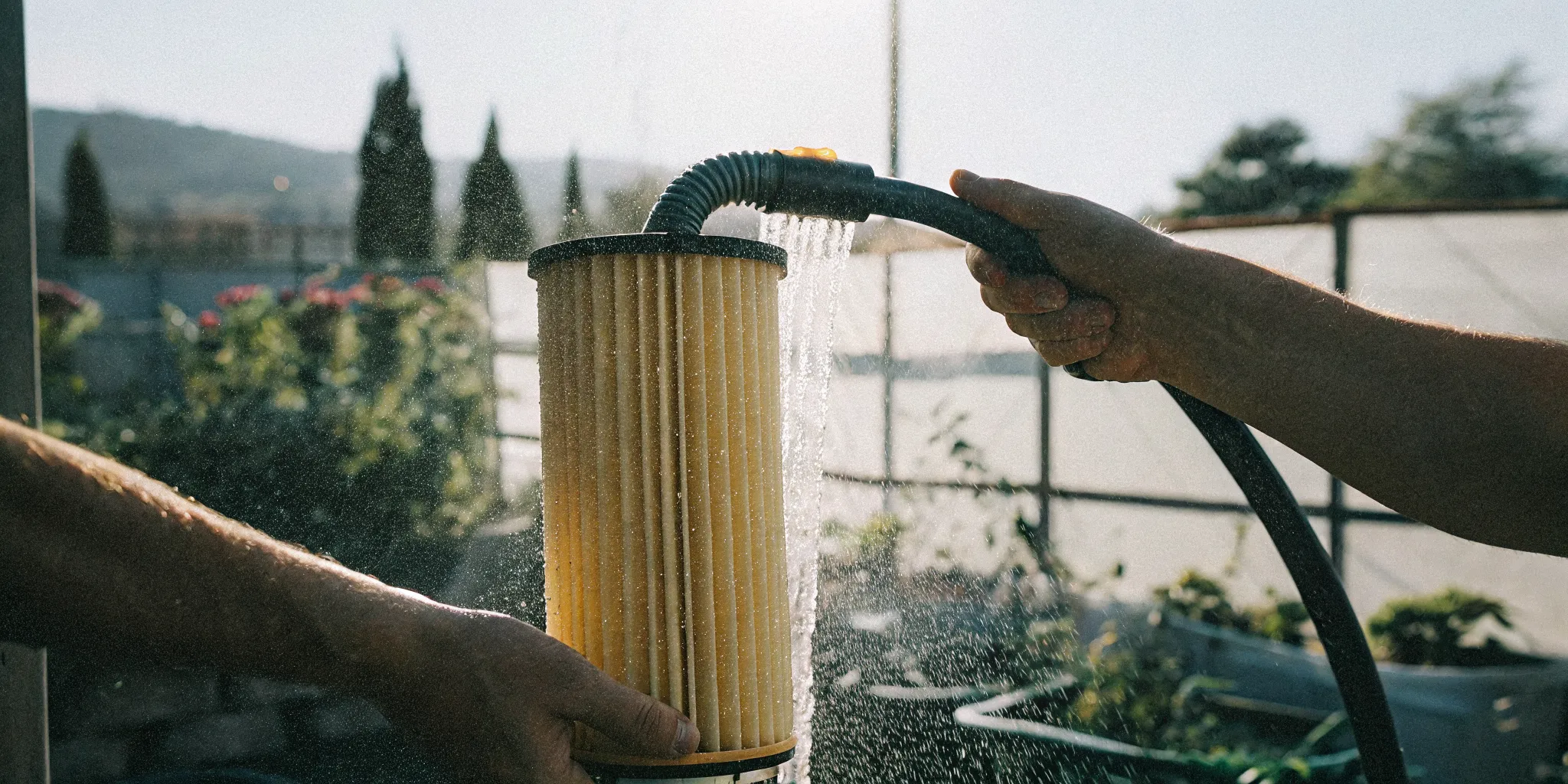
The filter in your tub acts as a trap for small bits of dirt and skin cells. Most top units use a pleated filter that catches these items as the pump pushes water through it. To keep the water clear, you should run the pump for several hours each day. This ensures the full tank of water passes through the filter many times. Over time, these filters can get dirty and will need a quick rinse with a hose to stay in good shape.
If you notice the water looks cloudy, it might be time for a deep clean or a new filter. Sticking to a plan helps avoid heavy buildup that can strain your pump. This is why choosing a high-quality model like the Vigor Cold Plunge model that features advanced mechanical filtration is so needed. When the water moves well, the filter can do its job. This leaves you with a clear pool for your next rest session.
Testing Your Water for Safety
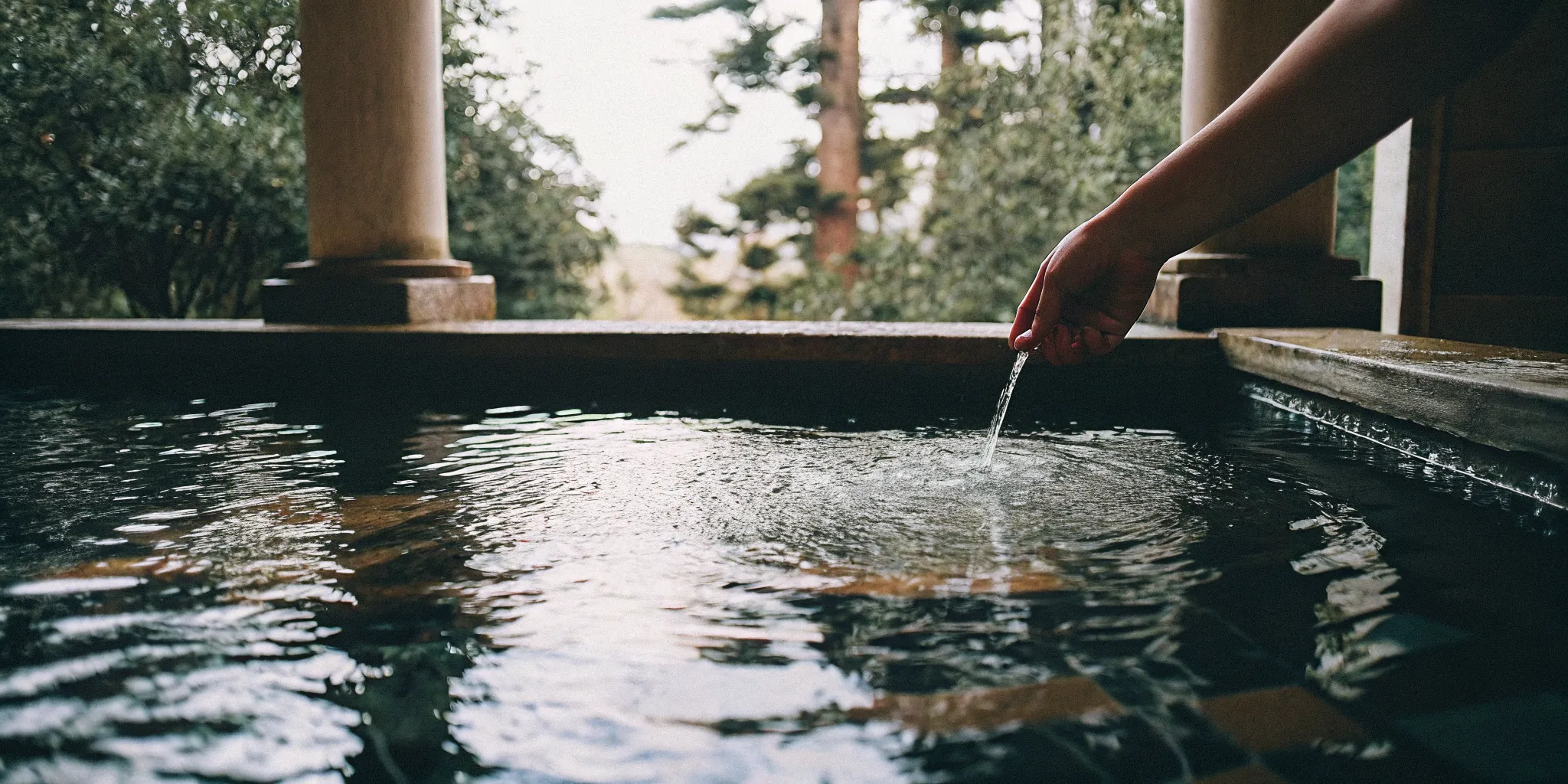
You cannot always see when water is out of balance. Steady testing is the only way to know if your water is safe for your skin and the tub parts. You should test the water at least once a week. Do it more often if you use the plunge a lot. Testing strips or a drop kit can show you the levels of your sanitizer and other key facts. This simple task keeps germs away and protects your gear from damage.
The first thing to check is your pH level. The CDC says a pH level between 7.0 and 7.8 is best for safe water use. If the pH is too high or too low, your sanitizer will not work well. This can lead to itchy skin or even cause the metal pipes in your system to rust. Checking this level often is a small move that saves you from big repairs later.
Balancing Your Water Mix
Beyond pH, you must watch your alkalinity and hardness. Total alkalinity helps keep your pH level steady so it does not jump around. You should aim to keep your total alkalinity between 80 and 120 ppm for the best results. This acts as a shield for the water, making it much easier to manage. When this level is right, the rest of your water mix tends to stay in place with less work from you.
You also need to look at calcium hardness. This measures how much calcium is in your water. It is best to keep these levels between 100 and 250 ppm to protect your tub. If the water is too soft, it can be hungry and eat away at your tub’s lining or gear. If it is too hard, you might see white scales form on the walls. Keeping these numbers in check ensures your cold plunge lasts for years to come.
For those practicing the benefits of contrast therapy by pairing their sauna with a cold tub, maintaining pristine water chemistry in both units is crucial for an elite recovery experience.
Sanitizing and Balancing Cold Plunge Water
Keeping your water clean is the most vital part of cold plunge maintenance. Fresh water and a good filter do a lot of the work, but you also need to kill germs. Using the right tools helps you enjoy your soak without worry. Proper care makes sure your water stays clear and safe for your skin.
Why cleaning matters
Cleaners are your first line of guard against germs. They work to keep the water safe by killing tiny bugs that can make you sick. The CDC says that chlorine and pH levels are the main ways to stop these germs. Without them, sweat and dirt can build up fast in small tubs. These things use up your cleaner and can lead to cloudy water.
Most cold plunges hold about 100 gallons of water. Because this size is small, even a few dips can change the water health. Testing often helps you find these changes early. It keeps your tub ready for use and protects the parts of your system from wear. Clean water also helps you feel better about your daily ritual.
High water health also keeps your filter from clogging too soon. When germs grow, they create a film that blocks the flow of water. This makes your pump work harder and uses more power. By keeping your levels steady, you save money on repairs and parts in the long run.
Finding the right cleaner
There are many ways to keep your water clean. Some people like chlorine because it is strong and easy to find. Others like bromine because it lasts a long time in some tubs. You might also look at ozone or hydrogen peroxide for a soft feel on your skin. Each choice has good and bad points that affect your daily path.
When you pick a cleaner, think about how often you use your plunge. If you soak every day, you might want something that works fast. If you only use it once a week, you may need a slower choice. Maintaining proper sanitizer levels in your Vigor Cold Plunge starts with picking the best sanitizer option for your lifestyle.
Some systems come with built-in tools like ozone or UV lights. These help kill germs without adding more tools to the water. But they often need a small amount of cleaner to work their best. It is key to check what your tub needs before you start your path.
| Cleaner Type. | Strength. | Ease of Use. | Skin Feel. | Cost. |
|---|---|---|---|---|
| Chlorine. | High. | Very Easy. | Can be dry. | Low. |
| Bromine. | High. | Easy. | Soft. | Medium. |
| Hydrogen Peroxide. | Medium. | Easy. | Gentle. | Medium. |
| Ozone. | High. | Built-in. | Natural. | High. |
Balancing your water chemistry
Cleaners work best when your water is in balance. This means checking your pH, alkalinity, and hardness levels. If your pH is too high, chlorine loses its power to kill germs. This can happen if the level goes above 8.0. If the pH is too low, the water can hurt your eyes and hurt the tub’s pipes.
Aim for a pH level between 7.0 and 7.8 for the best results. You should also keep chlorine levels between 1 and 3 parts per million (ppm). Doing this keeps your water clear and helps your gear last for years. Testing your water once a week is a simple way to stay on track. If you use the tub a lot, you may want to test it more often.
Total alkalinity should stay between 80 and 120 ppm. This helps keep your pH from jumping around too much. Calcium levels also matter to stop the water from eating your metal parts. Keeping these numbers in the right spot makes your cold plunge time much better.
Cleaning, Draining, and Refilling the Tub
Regular care keeps your cold plunge safe and fresh for every use. Most cold plunge tubs hold about 100 gallons of water. This is much less than a backyard pool. Because the tank is small, sweat and dirt can change the water quality fast. A full drain and clean every three months helps your system run well. It also keeps the water clear for your daily habits.
Preparing for a Fresh Start
Before you start, gather your cleaning tools. You will need a soft cloth, a mild soap, and a garden hose. It is best to avoid harsh cleaners that might damage the shell of the tub. Always turn off the power to the chiller and the pump before you drain the water. This step keeps the parts safe. It also stops the pump from running while the tub is empty. If you are not sure how to handle the gear, our local team can help. Submit a service request and we can walk you through it.
The Draining and Scrubbing Process
Refreshing your water is a simple way to reset your daily habits. Follow these steps for a deep clean:
- Power off the system. Turn off the power to the chiller and pump to stay safe.
- Drain the water. Plug in a hose or use a small pump to empty the tub.
- Scrub the shell. Scrub the inside walls with a soft cloth and mild soap to remove any film.
- Rinse thoroughly. Rinse the whole tub well with fresh water so no soap stays behind.
- Check the filters. Check the filters and clean or replace them to keep the flow strong.
- Refill the tub. Fill the tub with a garden hose until the water hits the fill line.
- Restore the power. Turn the power back on and let the chiller cool the water down to your chosen level.
Protecting Your Gear
Once the tub is full, you must test and balance the water right away. Good water care is not just about clear water. It also protects the pipes and the pump. The CDC says that if the pH level falls below 7.0, the water is too acidic. This means the pipes and parts may corrode or break down. Keeping your levels between 7.0 and 7.8 helps your gear last for years. This balance is a key part of your cold plunge maintenance routine. It makes sure your home spa stays in top shape.
While many owners do their own care, some prefer to let experts handle the work. In our experience, a regular deep clean by a professional can catch small issues early, preventing major repairs later.
At Fun Outdoor Living, we offer Spa Valet maintenance plans for our neighbors in Charlotte, Rock Hill, Matthews, and across the Carolinas to make owning a tub completely hassle-free. If you ever require professional repair or an equipment check, simply schedule a service request with our certified technician team. Whether you do it yourself or ask for our help, a clean tub is the best way to enjoy cold therapy every day.
Ready to keep your cold plunge pristine without the hassle? Explore our Spa Valet Maintenance Plans or visit a Fun Outdoor Living showroom today to speak with our certified water care experts!
Troubleshooting Common Cold Plunge Water Quality Issues
Keeping your water clean is the main part of cold plunge maintenance. Even with a good routine, you may see cloudy or milky water. This often happens when tiny bits of dirt or body oils build up in the tub. This buildup makes the water look dull and can stop your filter from working well.
Fixing Cloudy or Milky Water
As shown by the CDC, sweat, dirt, and skin cells from your body can lower chlorine levels over time. When chlorine is low, it cannot kill germs or break down waste. This makes it hard to keep the clear look you want for your daily soak. To fix this, test your water and add more chlorine if the levels are low. You may also need to rinse your filter more often to clear out the trapped oils and debris.
If cloudy water stays, try these steps:
- Balance pH levels. Test your pH and keep it between 7.2 and 7.8.
- Inspect your filter. Check your filter for clogs or wear.
- Shock the water. Shock the water with a larger dose of cleaner.
- Increase circulation. Run your pump for more hours each day.
- Clean tub surfaces. Wipe down the waterline to remove organic buildup and oils.
Solving Foam and Bad Smells
Foaming is another common issue that can ruin a soak. It is usually caused by soap, lotion, or hair products on your skin. A quick rinse before you jump in is the best way to prevent foam. If you already have foam, use a foam remover. You can also drain some water and add a fresh supply to thin out the soap buildup.
If the water has a strong smell, it is a sign that your chemical levels are off. A sharp pool smell often means there is too much body waste in the water. This waste binds with chlorine and creates a smell that can lead to sore eyes. Maintaining proper chemical levels helps you avoid these issues and keep your skin safe.
Managing Tough Germs and Buildup
Some germs are very hard to kill, even with the right tools. For instance, a parasite called Cryptosporidium is very tough to stop because it resists chlorine for a long time. If you suspect this germ is in your water, you will need to keep high chlorine levels for many days. While this is rare in private tubs, it shows why daily care matters.
If you cannot get the water clear after a few tries, a fresh start is often best. Drain the tub, clean the walls, and refill it with fresh water. This is the surest way to get back to a clean and safe dip. Our local teams can also help with an expert service check if you have deep concerns about your water quality.
Frequently Asked Questions
How much does it cost to maintain a cold plunge?
Monthly costs for a cold plunge are about thirty to fifty dollars for most owners. This includes the price of test strips and water cleaners like chlorine or bromine. You also need to buy new filters a few times each year. While your power bill may rise to run the chiller, the total cost is low for the daily health gains you get from a home setup.
How do I keep my cold plunge water from getting cloudy?
Cloudy water usually happens when sweat, oils, or dirt build up in the tub. You can stop this by taking a quick shower before you soak. It also helps to check your water levels once or twice a week. If the water stays murky, you may need to add more cleaner or change the filter. Proper care keeps the water clear and safe for your next cold dip.
How often should you clean a cold plunge filter?
You should rinse your filter with a hose every one to two weeks. This simple step removes hair and debris that can block water flow. Every month or two, you should replace the filter with a new one to keep your system running well. According to Icebound Essentials, water testing every week is also key to making your filters last as long as possible.
How often should I test my cold plunge water?
You should test your water at least once or twice a week. Because cold plunges hold a small amount of water, levels can change very fast after just one soak. Testing helps you find issues before they cause skin rashes or hurt the pipes. The CDC notes that keeping the right pH and chlorine levels is the best way to stop germs from growing.
Ready to simplify your cold plunge care?
Skipping your routine water care can lead to cloudy water or slime that keeps you from your daily wellness path. Dirty water and poor levels can damage your costly system and cut your healing sessions short if you let them go too long. Taking action now prevents pricey repairs and helps you keep a safe, clear space for your health rituals every single day. Waiting until you see a clear problem often means more work and more downtime for your favorite tool.
Our local experts in the Carolinas can help you find the right balance for your home and life. You can even get a free water analysis at one of our showrooms to check your levels. This helps you focus on your health instead of your chores.
Ready to talk to an expert? Get a free home consultation today, visit one of our Carolina showrooms for expert water analysis, or call our team to get started!