North Carolina gives hot tub owners a longer outdoor season than many parts of the country, but it also brings real swings in comfort. A hot, humid afternoon, a pollen-heavy spring, a rainy stretch, and a cold winter night all place different demands on a spa and the space around it.
Explore Fun Outdoor Living hot tubs and start comparing models for your Carolina backyard.
So what is the best hot tub for North Carolina weather? It is not simply the model with the most jets or the longest feature list. The better choice is a well-insulated spa with a dependable cover, a practical spot for summer shade and winter access, water care that fits your routine, and a local team that can help after installation. This guide explains what to compare before you visit a showroom.
What the Best Hot Tub for North Carolina Weather Needs to Handle
North Carolina is not one uniform climate. Coastal homes, Piedmont neighborhoods, and mountain properties can experience different winter conditions. Every region also deals with warm summers, rain, humidity, and seasonal debris. The National Oceanic and Atmospheric Administration’s North Carolina climate overview describes how geography and elevation shape those differences. Your spa should be selected for the way your backyard actually behaves, not for a generic climate label.
| North Carolina condition | Hot tub feature or planning question |
|---|---|
| Hot, sunny summer days | Can the cover and placement limit heat gain while keeping the spa comfortable to use? |
| Humidity, rain, and pollen | Is the cover easy to secure and clean? Can you reach the filters and controls without fighting the layout? |
| Cold winter nights | How does the spa retain heat, and what support is available if a component needs attention? |
| Storms and power interruptions | Do you understand the electrical setup, shutoff, and restart process for the chosen model? |
| Heavy filled-spa weight | Has a qualified professional confirmed the concrete, paver, or reinforced deck location can support it? |
That short list is useful because it turns “best” into decisions you can verify. It also keeps the conversation focused on ownership, not just the showroom experience on the day you buy.
Start With Insulation and Heat Retention
A hot tub loses heat through its shell, cabinet, plumbing area, and open water surface. In a North Carolina backyard, efficient heat retention matters in winter, but it also matters in summer. A spa that holds its set temperature more consistently is easier to live with across changing weather and may reduce the amount of work your heater must do.
Ask what insulation approach is used around the shell and equipment area. Then ask how the manufacturer defines energy performance, rather than accepting a vague statement that a model is “efficient.” Compare the details among the specific models you are considering. The answer can vary by size, jet configuration, cabinet design, and the temperature you choose.
Also think about access. A tightly insulated spa still needs service access when a pump, heater, control, or plumbing component requires attention. Ask where the service panels are located and whether the proposed placement leaves a practical path to them. Saving a few inches during installation can create a frustrating repair situation later.
Do Not Treat the Cover as an Accessory
The cover is one of the most important weather-management tools you will own. It helps retain heat, keeps leaves and pollen out, protects the water from rain, and reduces the amount of cleaning between uses. A heavy, waterlogged, or awkward cover can also make a spa feel like a chore, which is why the lifting system deserves attention before you buy.
Look for a well-fitting insulated cover designed for the exact spa. Check how the center seam, clips, and skirting handle wind. Ask how the cover should be cleaned and where it should rest when the spa is open. A cover lifter can make frequent use easier, especially when the spa is placed beside a covered patio or near a seating area.
Fun Outdoor Living’s hot tub FAQ says every hot tub package purchased through the company includes a premium insulated cover, with several cover systems available in the package. Confirm the current options, fit, and warranty for the model you choose. The right cover will protect both comfort and water quality, but it still needs to be secured after every soak.
Plan for Summer Shade and Year-Round Access
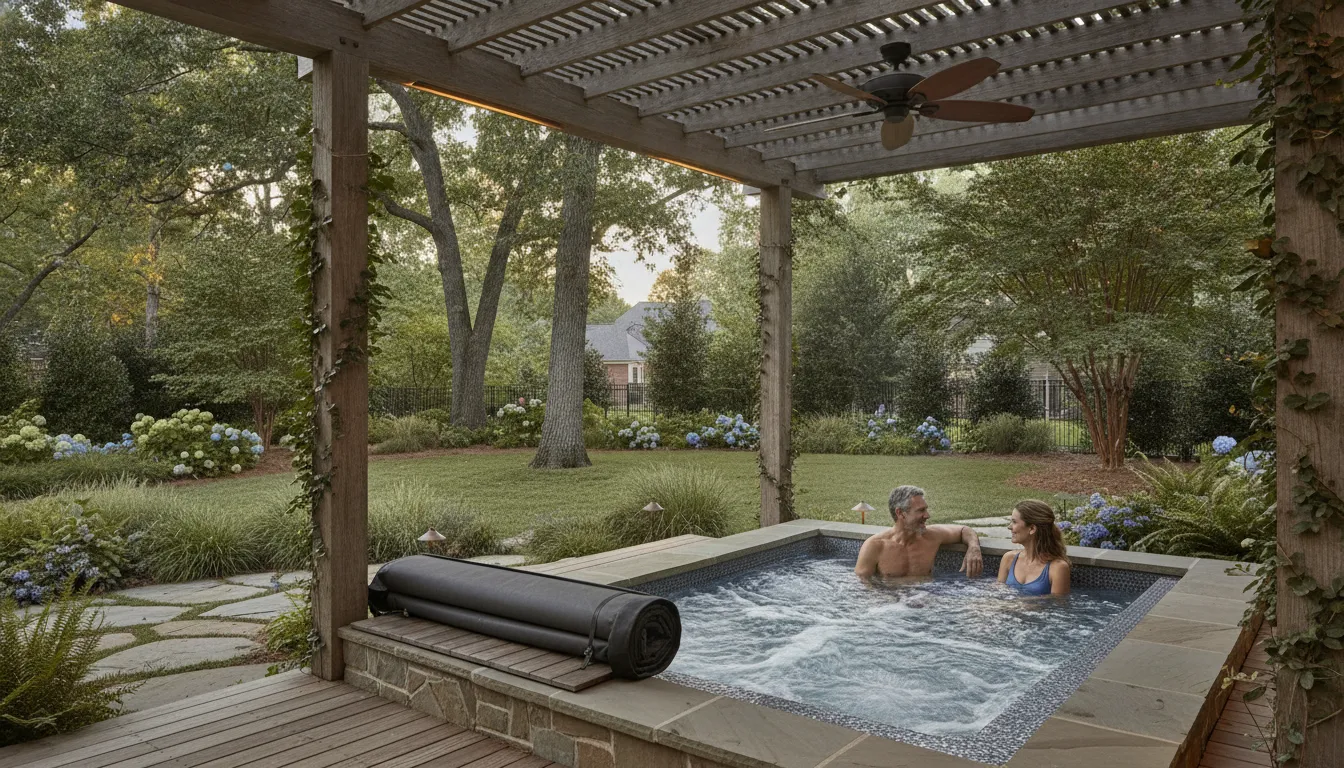
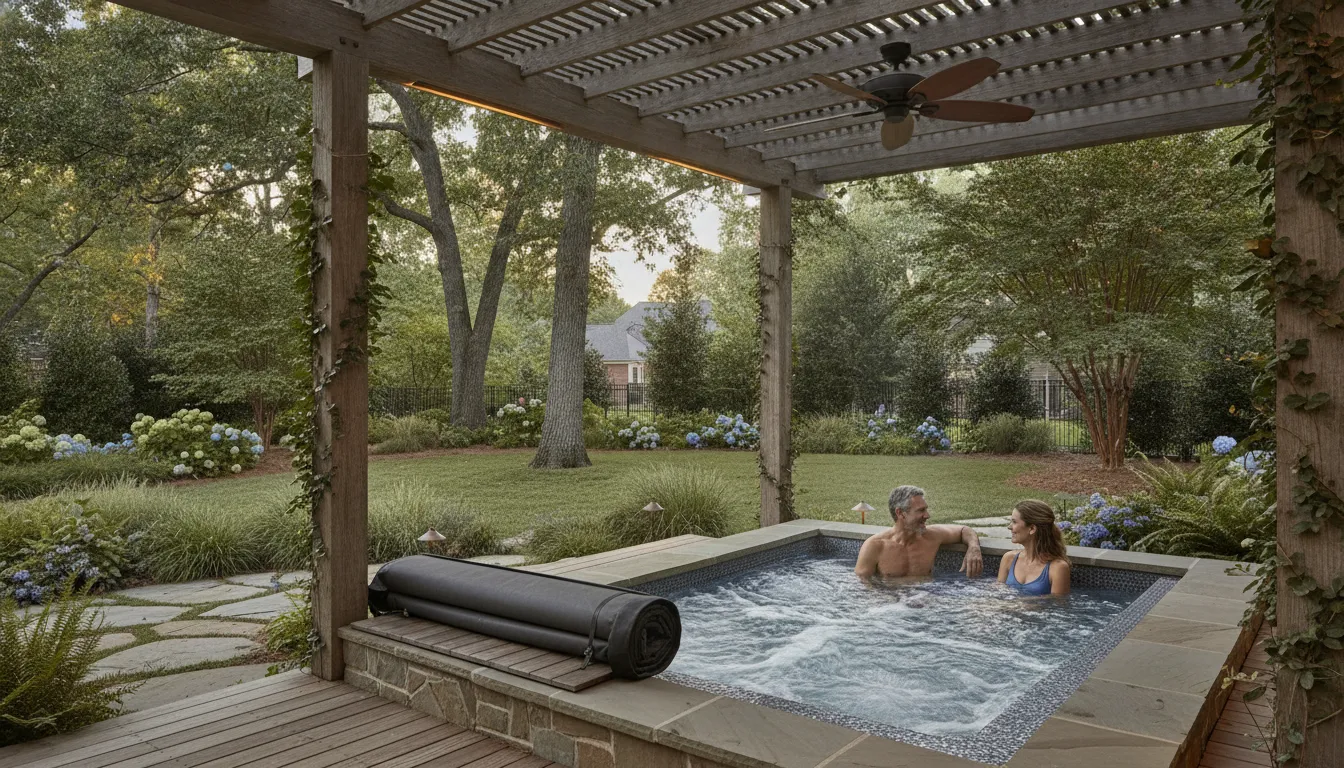
Where you place the spa can matter as much as which spa you choose. A covered patio, pergola, or carefully planned landscape can make a hot tub more comfortable during a bright summer afternoon and more inviting when rain or a cold breeze arrives. Shade also gives the cover and surrounding materials some protection from constant sun exposure.
Do not place the spa so close to a wall, fence, or dense planting that the cover cannot open fully. Leave room to walk around the unit, remove the filters, and reach the equipment panel. Keep roof runoff from pouring directly onto the cover or into the open spa. If your yard is exposed to falling limbs, review that risk before installation rather than after the first storm.
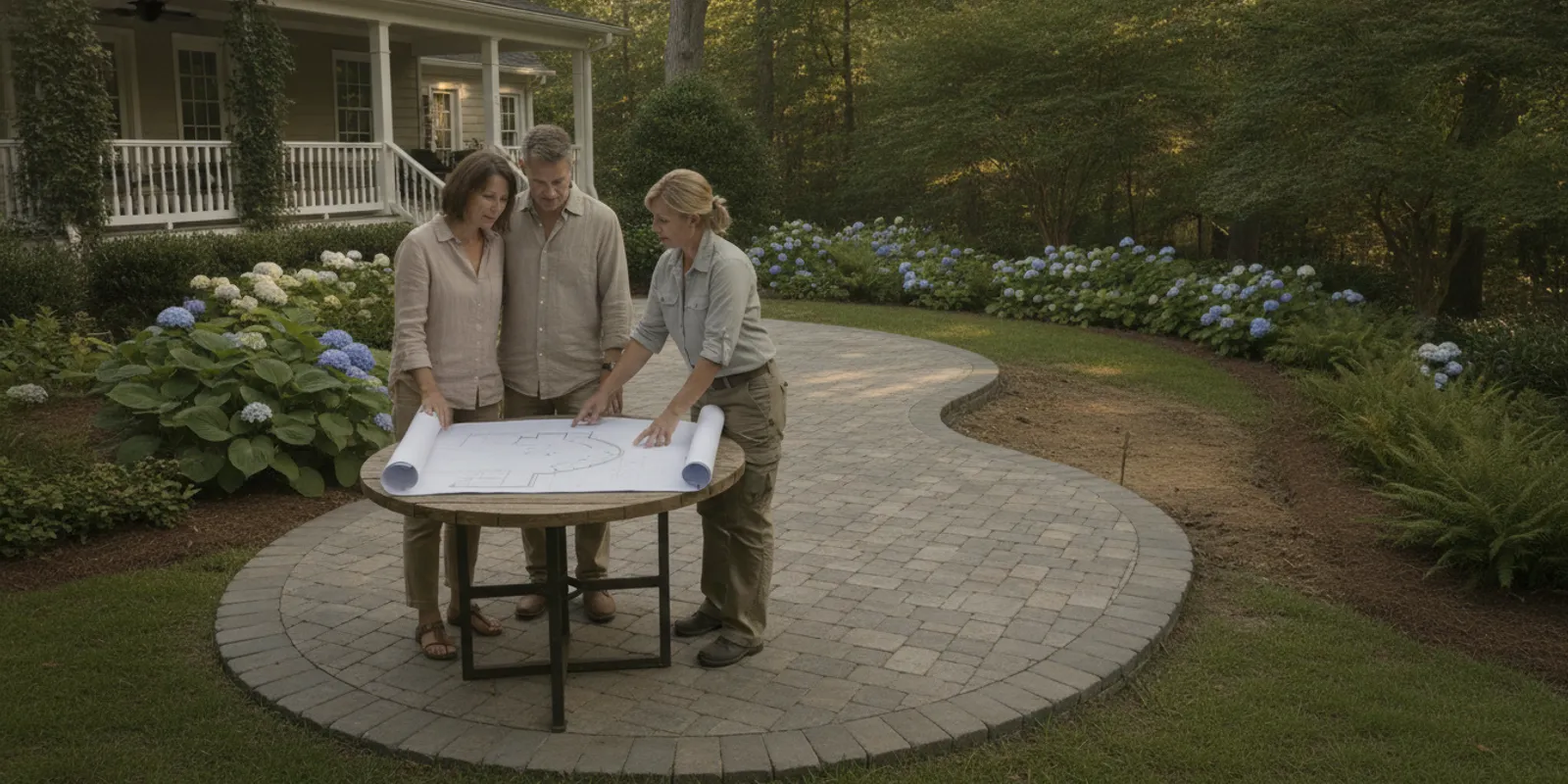
Privacy is part of weather planning, too. A screened edge or layered planting can reduce wind without trapping moisture around the equipment. Your designer can help balance airflow, privacy, shade, views, and the path from the house to the water. The best location is the one that makes a short, comfortable soak easy in every season.
Choose Water Care That Matches Your Routine
Warm water, summer heat, rain, pollen, and frequent use can all make water care feel more demanding. The best hot tub for North Carolina weather is therefore also the one you will maintain consistently. Before choosing a sanitation system, be honest about how often you will test the water, rinse filters, clean the cover, and schedule a drain and refill.
Fun Outdoor Living’s published maintenance guidance recommends testing and balancing water one to two times per week. It recommends rinsing filters every two to four weeks and deep cleaning them quarterly. The guidance also calls for sanitizer as directed and draining and refilling most hot tubs every three to four months. These intervals are useful planning benchmarks, but always follow the instructions for your specific spa and water-care system.
Review the company’s hot tub FAQ alongside the manufacturer’s instructions before choosing a system. That makes it easier to compare what ownership will look like after the delivery crew leaves.
A salt system may appeal to owners who prefer a different water-care routine. The company’s FAQ identifies the FreshWater® Salt System as an available option and notes that saltwater spas can require less frequent draining. That does not mean maintenance disappears. Ask about the system’s compatibility, consumables, testing requirements, and local support before treating it as a set-it-and-forget-it solution.
Compare Electrical and Foundation Requirements Early
Electrical and structural planning should happen before you fall in love with a location. Fun Outdoor Living notes that most hot tubs need a 230-volt, 50-amp dedicated circuit, while some smaller plug-and-play models use a standard 115-volt outlet with trade-offs in heating speed and available features. A licensed electrician should confirm the requirements for the exact model and local installation.
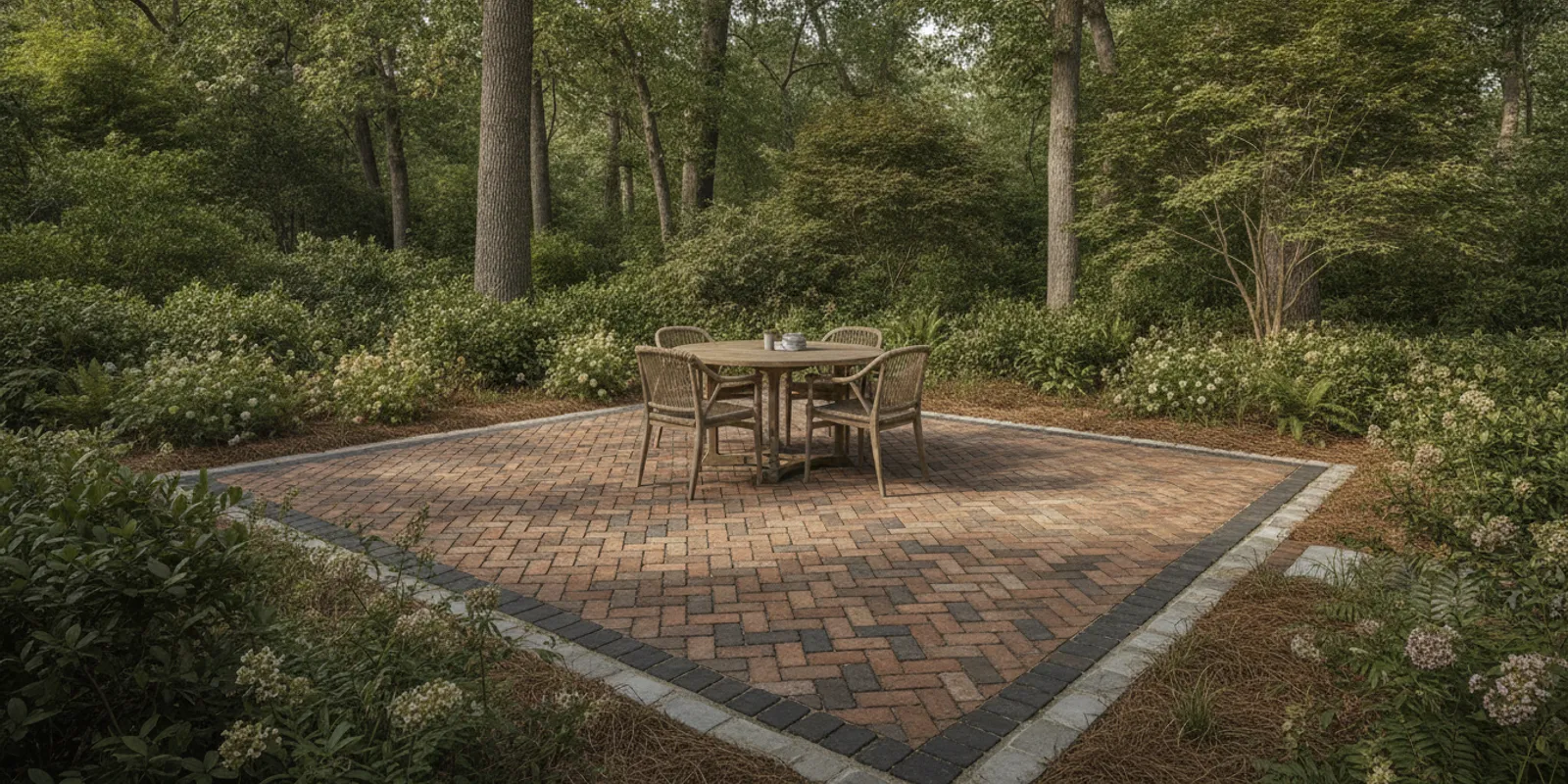
The base must also be flat, solid, and designed for the combined weight of the spa, water, and bathers. A concrete pad, paver patio, or reinforced deck may be appropriate depending on the site. Do not assume an existing deck can carry the load because it holds outdoor furniture. Have the structure evaluated before delivery, and ask how water will drain away from the spa and nearby doors.
These decisions affect budget, access, permits, delivery, and the final look of the backyard. Fun Outdoor Living’s hot tub installation requirements guide is a useful companion for planning questions. Bringing them into the first consultation helps prevent a beautiful plan from turning into a last-minute electrical or foundation change.
Evaluate Local Service Before You Compare Jet Packages
Every spa is a long-term ownership decision. Ask who will help with delivery, startup, water care, seasonal questions, warranty coordination, and repairs. A local relationship is especially useful when a weather event, power interruption, or unexpected water issue makes you want an answer quickly.
Look beyond the word “warranty.” Ask what is covered, where service is performed, what the normal response process is, and which parts or systems are handled locally. If you are considering a model from a national brand, find out how the local dealer supports that brand in your area.
Fun Outdoor Living currently identifies Hot Spring® Spas and American Whirlpool Spas among its hot tub offerings, along with water-care and accessory support. Product availability and model details can change, so use a consultation to compare current options rather than assuming every model has the same service path.
Hot Tub Features to Compare for Carolina Ownership
Once the basics are covered, compare the features that affect daily use. A larger spa is not automatically better if it takes longer to heat, needs more water care, or overwhelms the available space. A smaller spa may be ideal for a couple, while a family may value seats with different depths and jet placements.
| Feature | Questions to ask | Why it matters in North Carolina |
|---|---|---|
| Insulation | How is the shell and equipment area insulated? What performance information is available for this model? | Helps the spa manage seasonal temperature swings and changing energy demands. |
| Cover | What is included? How does it fit, secure, and lift? | Protects heat and water from sun, rain, pollen, and debris. |
| Water care | Which system fits your testing and cleaning habits? | Warm, humid weather makes a consistent routine especially important. |
| Controls | Can you understand the settings without a manual every time? | Simple controls make seasonal adjustments and troubleshooting less stressful. |
| Service access | Where are the panels, and who supports the equipment? | Good access reduces disruption when maintenance is needed. |
| Seating and jets | Do the seats fit the people who will use them? Can you test the jet pressure? | Comfort determines whether the spa becomes part of your routine. |
A Practical Process for Choosing Your Spa
Use this sequence to keep the decision grounded in your home and habits:
- Measure the site. Record the footprint, walking path, cover clearance, service access, overhead conditions, and route from the delivery point.
- Describe your routine. Note who will use the spa, how often, whether you prefer quick weekday soaks or longer sessions, and what water-care work you are willing to do.
- Set the climate priorities. Decide whether shade, cover handling, winter heat retention, storm planning, or easy filter access is most important for your backyard.
- Confirm the base and power. Have the proposed foundation and electrical plan checked for the exact spa before ordering.
- Compare two or three models. Evaluate the full ownership picture instead of ranking models by jet count alone.
- Test the fit. Sit in the seats, compare jet placement, check controls, and ask to review the cover and water-care systems.
- Review support. Get clear answers about delivery, startup, warranty, maintenance, and service before you sign.
A showroom visit is most useful when you bring measurements and questions. Fun Outdoor Living also offers a free test soak and free water analysis according to its current hot tub resources. Ask what is available at your preferred location and what you should bring.
Frequently Asked Questions
What is the best hot tub for North Carolina weather?
The best hot tub for North Carolina weather is a model with heat-retaining insulation, a properly fitted cover, practical shade and service access, manageable water care, and support from a dealer you can reach. The best match depends on your specific region, yard, household, and routine.
Should a hot tub be covered in North Carolina?
Yes. A secure insulated cover helps retain heat and keeps rain, pollen, leaves, and other debris out of the water. It should be lifted and stored in a way that leaves enough clearance for safe use and does not block service access.
Can I put a hot tub on an existing deck?
Possibly, but the deck must be evaluated for the combined weight of the filled spa and its bathers. Ask a qualified professional to confirm the structure, support, drainage, and access before delivery. Do not rely on the deck’s ability to hold ordinary outdoor furniture as proof.
How often should I maintain a hot tub in a humid climate?
Use the manufacturer’s water-care schedule, then adjust with professional guidance if your use or local conditions call for it. Fun Outdoor Living’s published guidance recommends testing one to two times weekly, rinsing filters every two to four weeks, and draining most spas every three to four months.
Should I choose a saltwater or traditional hot tub system?
Neither system is right for every owner. Compare the testing routine, supplies, drain intervals, startup process, model compatibility, and local support. A salt system can reduce some maintenance tasks, but it still requires monitoring and care.
Choose for the Life You Want to Live Outside
The right hot tub should feel easy to use on a cool winter evening and reasonable to care for during a hot Carolina summer. Focus first on insulation, the cover, placement, water care, electrical and foundation requirements, and service. Then compare seating, jets, controls, and finishing details.
When you are ready to see how different models feel, visit the Fun Outdoor Living hot tub gallery for inspiration and current options. You can also read how to choose a long-lasting hot tub for a deeper look at construction and ownership questions. A free home consultation can help connect the spa to the size, structure, and everyday rhythm of your backyard.