Extending your living space outdoors is one of the best investments you can make in your home. But what kind of “outdoor room” truly fits your family? The answer often begins with the foundational choice between a covered patio vs screened porch. One creates an open, expansive stage for active gatherings and easy access to the rest of your yard, feeling like a true extension of the landscape. The other offers a protected, intimate haven—a cozy room with an outdoor view, perfect for quiet conversation or enjoying a meal in a bug-free environment. Let’s explore the differences so you can decide which style of living suits you best.
Key Takeaways
- Decide between an open hub and a protected room: A covered patio keeps your home and yard seamlessly connected, making it a natural center for grilling and entertaining. A screened porch creates a distinct, cozy retreat for quiet, bug-free relaxation.
- For Carolina living, screens make the difference: The ability to enjoy a warm evening without mosquitoes is often the deciding factor. A screened porch guarantees comfort, turning a potentially buggy night into a peaceful one.
- Think about your daily rituals, not just the structure: The right choice supports how you want to spend your time. A patio is built for active hosting and easy access to the yard, while a porch is designed for quiet moments like morning coffee or reading during a rainstorm.
Covered Patio vs. Screened Porch: What’s the Difference?
When homeowners in the Carolinas start planning a new backyard space, one of the first questions we explore is whether a covered patio or a screened porch is the right fit. While the terms are often used interchangeably, they describe two very different structures, each creating a unique atmosphere and supporting a different kind of outdoor lifestyle. The choice isn’t just about construction; it’s about how you want to feel when you step outside.
Understanding the distinction is the key to designing a space you’ll love and use for years to come. It’s not about which one is better, but which one is better suited for your family’s daily routines. Are you looking for an open-air hub for grilling and entertaining with a seamless connection to your yard? Or do you envision a cozy, protected retreat for quiet mornings and bug-free evenings? Let’s walk through what defines each space, so you can feel confident deciding what’s right for your home.
What Defines a Covered Patio?
A patio is a ground-level space, typically built on a concrete slab or with materials like outdoor pavers that sit directly on the earth. When we add a solid, permanent roof, it becomes a covered patio. This simple addition provides essential shade from the summer sun and protection from light rain, instantly making the area more functional.
Because it remains open on the sides, a covered patio offers unobstructed views and a direct, flowing connection to your lawn and garden. It feels expansive and integrated with the landscape. In our experience, this design is the ideal foundation for an outdoor kitchen, a poolside lounge, or a dining area where people can move freely between the house, the patio, and the yard.
Understanding the Screened Porch
A screened porch, by contrast, functions more like an outdoor room. It’s a covered structure, almost always attached to the house, that is enclosed with screen panels instead of solid walls. A porch is typically raised off the ground with a finished floor, like a deck, creating a level transition from the interior of your home.
The screens are the defining feature. They allow for refreshing breezes while providing a crucial barrier against insects, blowing leaves, and even pollen. This enclosure creates a distinct, protected environment—a true hybrid space that blends the comfort of being indoors with the sensory experience of being outside. It’s a sanctuary where you can relax with cushioned furniture and enjoy a summer evening without interruption.
How They Differ in Structure and Feel
The fundamental difference comes down to foundation and enclosure. As design experts at Southern Living note, a patio is a paved surface on the ground, while a porch is a raised structure with a floor. This structural distinction is what shapes the entire feel of the space.
A covered patio feels open and connected to the landscape, making it perfect for active gatherings and easy access to the rest of your yard. A screened porch feels more intimate and contained—a cozy haven for reading, quiet conversation, or enjoying a meal in a bug-free environment. One serves as an open-air stage for outdoor activities, while the other offers a protected room with a beautiful outdoor view.
Which Is Better for the Carolina Climate?
Choosing between a covered patio and a screened porch in the Carolinas isn’t just about aesthetics—it’s about how you want to live with our specific seasons. From the warm, humid summers to the beautiful but pollen-heavy springs, each structure offers a different way to enjoy your backyard. Because we design and build outdoor spaces here, we’ve seen firsthand how the right choice can completely change how a family uses their home year-round. The decision comes down to what you want to embrace and what you’d rather keep at a comfortable distance.
Managing Sun, Rain, and Year-Round Use
Both structures offer a welcome escape from the intense Carolina sun and unpredictable summer showers. A covered paver patio provides reliable shade and keeps your outdoor furniture dry, creating a dependable spot for grilling or dining, rain or shine. It keeps you connected to the open air, feeling the breeze while being protected from the elements. A screened porch offers that same protection but creates a more defined, room-like space. It allows you to enjoy the sound of a rainstorm without the dampness, making it a cozy, all-weather retreat that feels like a true extension of your home.
Dealing with Bugs and Seasonal Changes
For many homeowners in our area, this is the deciding factor. The biggest advantage of a screened porch is its ability to keep out mosquitoes, gnats, and other insects. This single feature can be the difference between enjoying a peaceful summer evening outside and being forced indoors once dusk arrives. It allows you to relax with a book or share a meal without being bothered. A covered patio, while beautiful and open, doesn’t offer this protection. It’s a wonderful space for daytime gatherings, but you’ll need to rely on fans or citronella to manage pests in the evening.
Considering Humidity and Pollen Season
Our humid summers and heavy spring pollen season present unique challenges. On a screened porch, adding a ceiling fan is one of the best decisions you can make. It creates a gentle breeze that makes even the muggiest days feel more comfortable. During pollen season, the screens offer a barrier that helps keep that yellow dust from coating everything inside the porch, though the screens themselves will need regular cleaning. An open patio is easier to hose down after a pollen storm, but the furniture, grill, and floor will be completely exposed. It’s a simple trade-off: more protection with a bit more upkeep, or less protection with an easier rinse.
Comparing Cost, Construction, and Upkeep
Beyond the overall feel, the practical differences in cost, construction, and long-term care are where most homeowners make their final decision. Understanding these factors helps you plan not just for the initial build, but for years of easy ownership. In our experience, thinking through these details upfront ensures you end up with a space that truly fits your lifestyle and budget.
The Initial Investment and Materials
Generally, a covered patio has a lower starting cost than a screened porch. The primary expense for a patio is its foundation—either a poured concrete slab or a system of interlocking pavers. While concrete is often more budget-friendly, pavers offer far more design versatility. A screened porch, on the other hand, is often a raised structure built like a deck, which requires a more complex foundation and framing. This structural difference is a key cost driver. For either option, your choice of roofing, columns, and finishing materials will also influence the final price.
Your Design and Customization Options
Both covered patios and screened porches can be designed to feel like a seamless extension of your home. The key is to match your materials with your home’s design, whether that means using complementary brick, stone veneer, or sleek aluminum frames. For a covered patio, customization often centers on the architectural elements—stamped concrete floors, decorative columns, and finished ceilings. A screened porch offers more of an “outdoor room” feel, with options for different screen types, door styles, and integrated electrical for lighting and fans. Using durable, low-maintenance materials like composite decking can create a beautiful space that stands the test of time.
What to Expect for Long-Term Maintenance
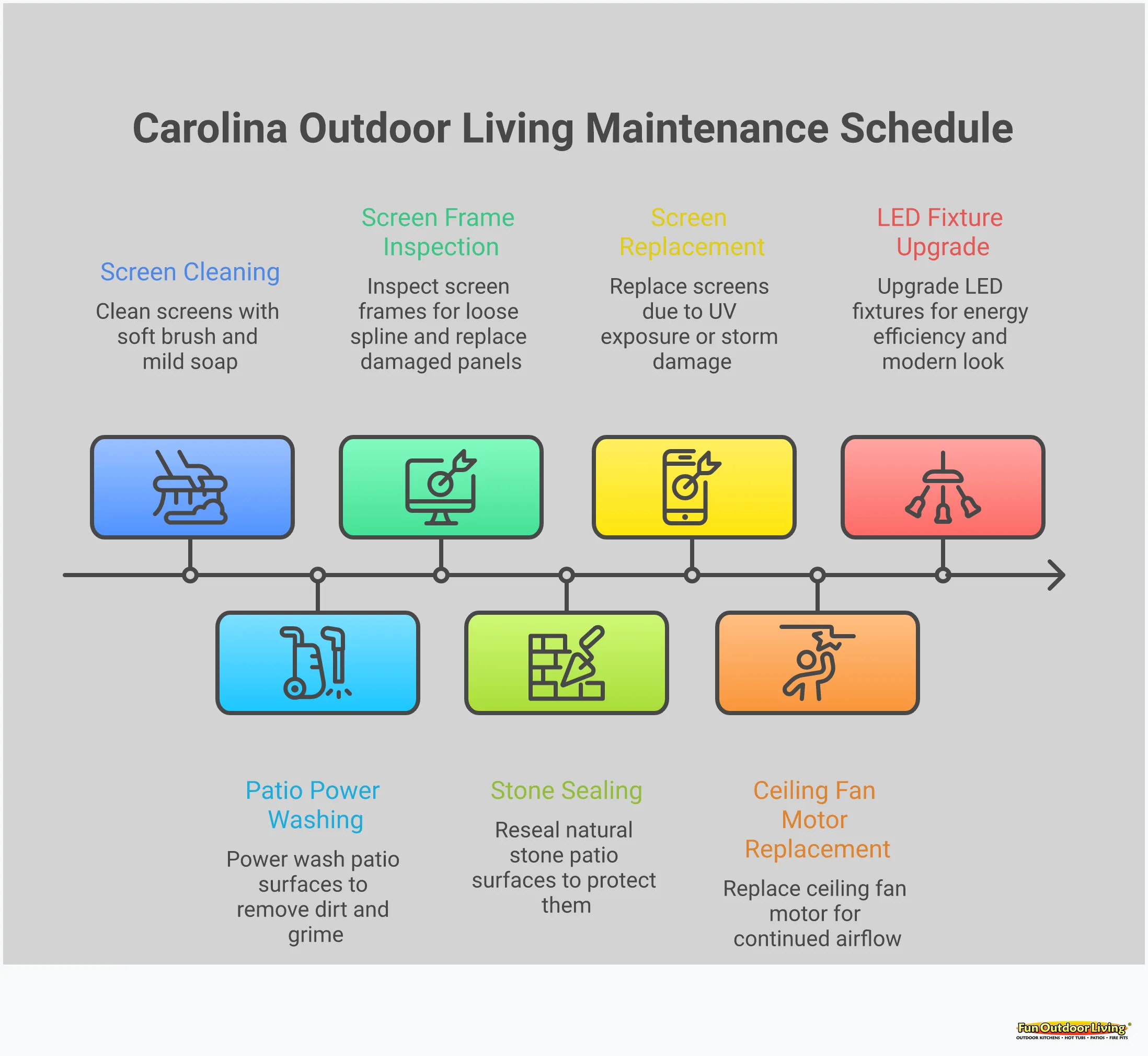
A covered patio is typically easier to maintain. Its open design means the primary tasks are sweeping leaves and pressure washing the floor to remove dirt and pollen. A screened porch requires a bit more upkeep, as the screens themselves need to be cleaned periodically and may occasionally need repairs. However, those screens provide a significant benefit: they protect your furniture, flooring, and decor from the elements. This means less time spent cleaning cushions and wiping down tables. A well-built screened porch offers a clean, comfortable retreat, protected from insects and weather so you can simply relax and enjoy the view.
The Trade-Offs of Each Outdoor Space
Choosing between an open-air structure and an enclosed one isn’t just about aesthetics—it’s about how you want your daily life to feel. Both covered patios and screened porches extend your living space, but they serve different purposes and create distinct atmospheres. The right choice depends entirely on what you value most: a seamless connection to your yard or a protected, comfortable retreat from the elements.
In our experience building backyards across the Carolinas, we’ve found that the happiest homeowners are those who think about their routines first. Let’s walk through the practical benefits of each option.
The Case for a Covered Patio
A covered patio is all about openness. It creates a defined outdoor room without walls, offering a seamless transition from your home into the landscape. This design is ideal if you envision your backyard as one large, connected space for entertaining. It keeps the area around your grill and dining table dry while leaving sightlines to the pool, garden, or fire pit completely unobstructed.
Because it isn’t fully enclosed, a covered patio feels more expansive and integrated with nature. It’s a flexible foundation for your outdoor life, providing essential shade and rain protection while still letting you feel the breeze. For homeowners who love the feeling of being truly outdoors, beautiful paver patios offer the perfect balance of structure and freedom.
The Case for a Screened Porch
Homeowners often tell us they would “never regret” adding a screened porch, and for good reason. Here in the Carolinas, a screen is the single best way to guarantee you can enjoy the outdoors comfortably, day or night. The primary advantage is simple but profound: fresh air without the annoyance of mosquitoes, gnats, or other pests. This turns your porch into a true three-season room you can use from early morning coffee to late-night conversations.
A screened porch offers a unique sense of sanctuary. It filters the harsh sun, reduces pollen during the spring, and keeps you dry during a summer shower. We design custom porches that feel like a natural extension of the home’s interior.
Clearing Up Common Misconceptions
People often use the terms “patio” and “porch” interchangeably, but there’s a key structural difference. Technically, a patio is built on the ground, typically with a concrete or paver floor. A porch is a raised structure with a floor system similar to a deck, attached to the house. This distinction matters because it affects everything from construction and cost to the overall feel of the space.
While a “screened patio” is possible, most of what homeowners envision is a screened porch. Don’t worry about getting the terminology perfect—that’s our job. During a design consultation, we can walk your property and explain what makes the most sense for your home’s layout and your family’s goals.
How Will You Actually Use Your Space?
The best way to choose between a covered patio and a screened porch isn’t by comparing specs—it’s by thinking about your daily routines. The right decision comes from understanding how the space will fit into your life, whether you’re hosting a crowd or enjoying a quiet morning alone. Let’s walk through a few common scenarios we see with homeowners here in the Carolinas.
For Hosting, Grilling, and Dining
If your vision for outdoor living involves neighborhood cookouts and family gatherings, a covered patio often provides the most flexibility. Its open-air design creates a natural flow between your yard, your home, and your entertaining space. There are no walls to interrupt conversations, and guests can move around freely. This setup is ideal for grilling, as smoke has plenty of room to dissipate. We find that covered spaces are popular for creating true outdoor living rooms, complete with TV walls, comfortable seating, and even full outdoor kitchens. A screened porch can also be a wonderful spot for dining without worrying about insects, but the enclosure can make it feel a bit separated from the rest of the yard.
For Quiet Mornings and Wellness Rituals
When your goal is to create a personal sanctuary, a screened porch has a distinct advantage. It offers a unique feeling of being outdoors while still being protected from the elements. As one homeowner told us, there’s nothing quite like sipping coffee on a screened porch and listening to the rain without getting wet. This sense of shelter allows you to enjoy the outdoors more often, extending the usable seasons into the cooler days of spring and fall. This protected environment is perfect for quiet activities like reading, meditation, or simply starting your day with a moment of calm. While a covered patio also offers a beautiful spot to relax, a screened porch provides that extra layer of cozy seclusion, making it an ideal companion space for an at-home wellness routine.
Connecting to a Hot Tub, Kitchen, or Fire Feature
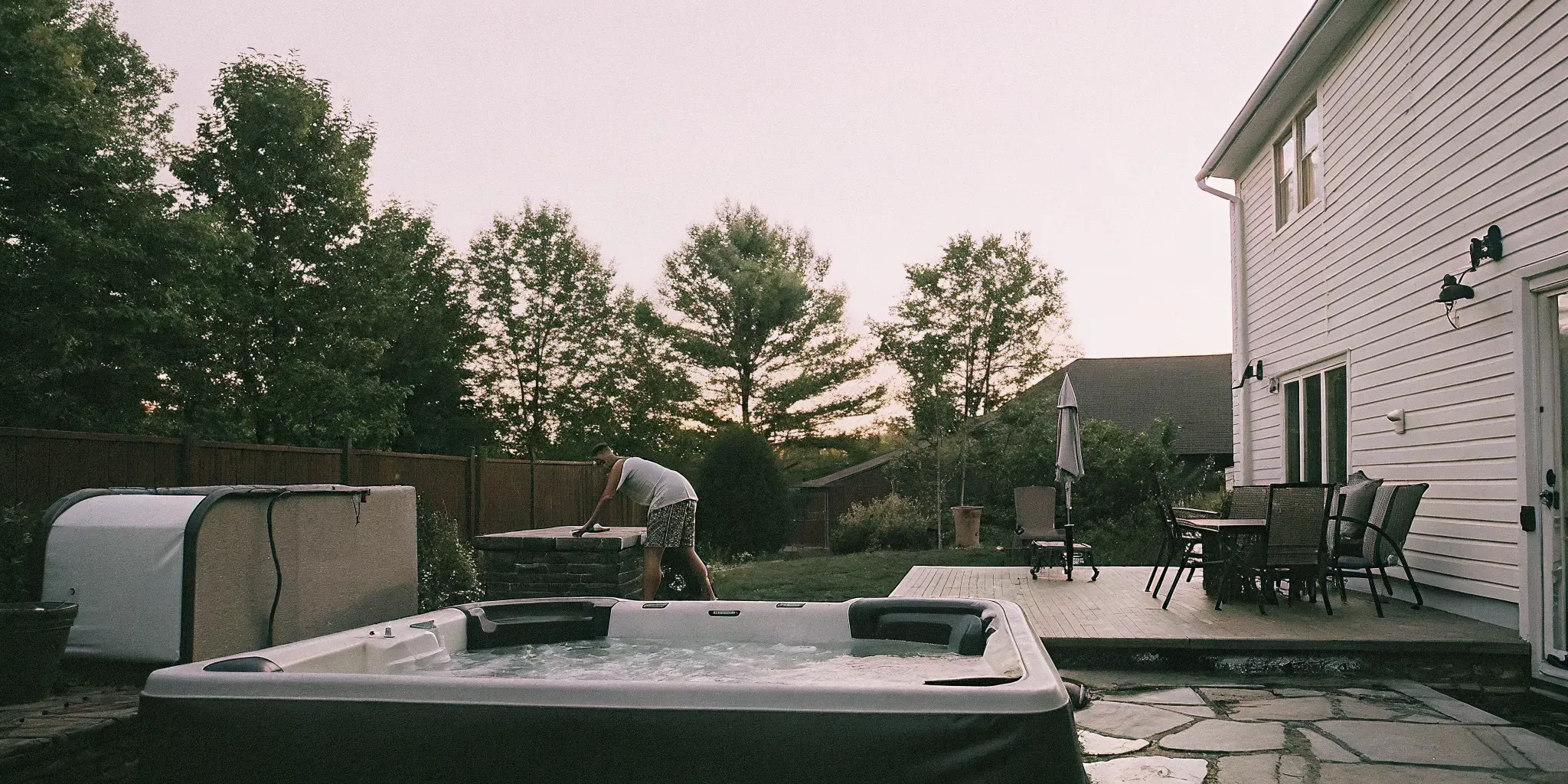
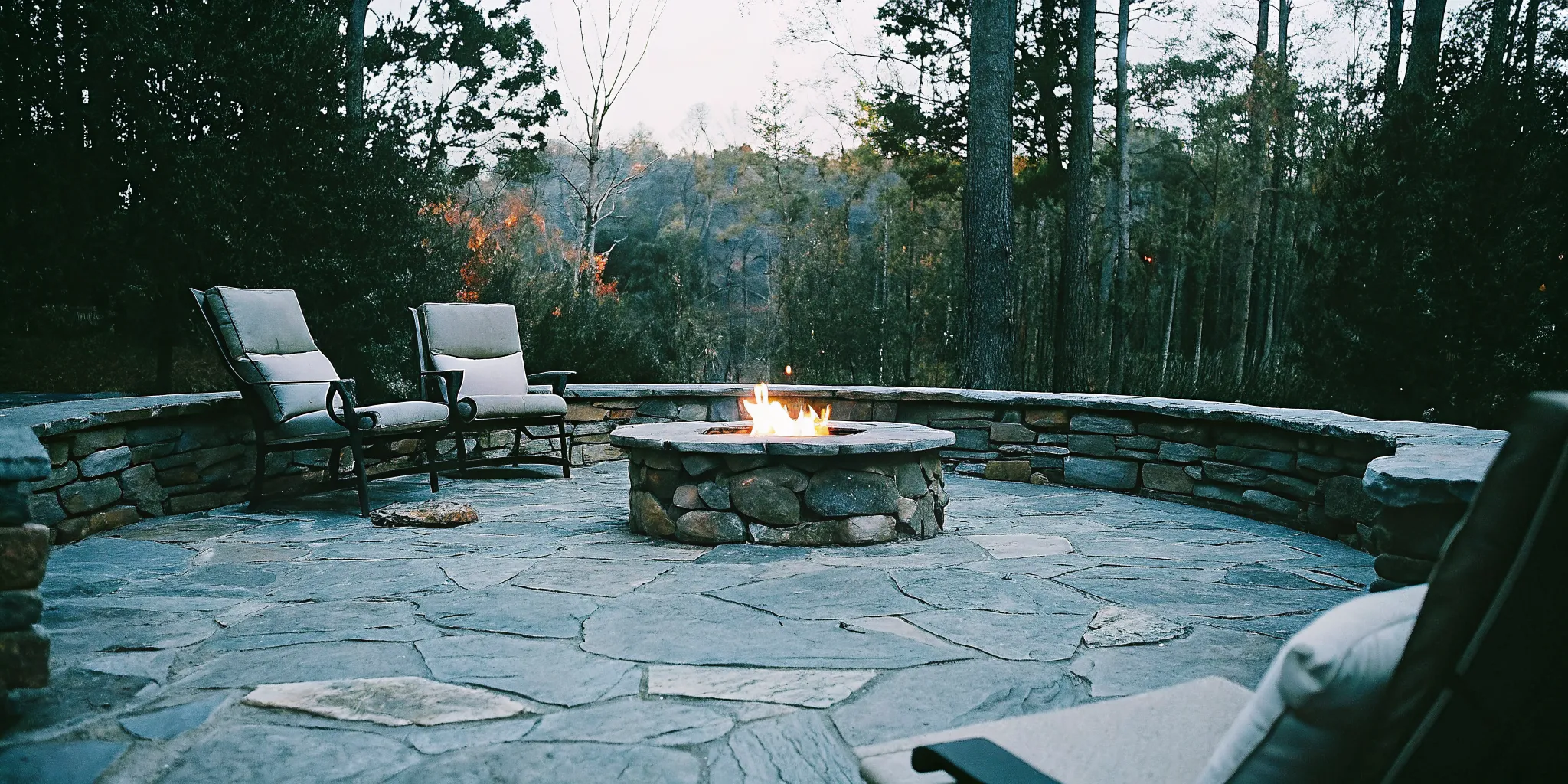
A well-designed outdoor space feels like a natural extension of your home. Both covered patios and screened porches can be beautifully integrated with other backyard features, but they serve different functions. A covered patio often works best as a direct connection to a pool, spa, or grilling station, providing immediate shade and a place to lounge. It’s the perfect structure to house a stone fireplace or fire pit, creating a warm, central hub for evening gatherings. A screened porch, on the other hand, can act as a transitional zone. Imagine stepping out of your hot tub and into a bug-free porch to dry off and relax. The key is to match the materials and design with your home’s existing architecture—whether it’s brick, stone, or wood—to create a seamless and intentional flow.
Making the Right Choice for Your Home
Choosing between a covered patio and a screened porch isn’t about finding a single “best” answer. It’s about finding the solution that fits your home, your family, and the rhythm of your daily life. The right choice depends entirely on how you plan to use the space, your home’s architecture, and how much protection you want from the Carolina weather. By thinking through a few key areas, you can make a decision that feels right for years to come.
Focusing on Your Daily Lifestyle
Before you think about materials or measurements, think about your routines. Do you imagine quiet mornings with a cup of coffee, listening to the birds without swatting away mosquitoes? Or are you picturing lively evening dinners with friends, where the conversation flows freely without interruption from pests? For many homeowners in the Carolinas, the ability to enjoy fresh air without the constant annoyance of bugs is a top priority. A screened porch offers a protected sanctuary, turning a potentially frustrating evening into a relaxing one. It’s less about the structure itself and more about the quality of the moments you’ll spend there.
Balancing Your Budget and Long-Term Goals
Your budget is a practical starting point, but it’s also important to consider the long-term value of your investment. While a covered patio often has a lower initial cost, a screened porch can significantly extend the number of days you can comfortably use your outdoor space each year. Think of it as an investment in your home’s usability and overall enjoyment. A well-designed and professionally built porch doesn’t just add square footage; it enhances your home’s appeal and can even increase its resale value. We believe in transparency, which is why we offer flexible financing options to help you choose the project that truly meets your goals, not just your immediate budget.
Why an Experienced Local Builder Matters
Every region has its own building challenges, from soil conditions to humidity levels and specific permitting requirements. Because we design and build exclusively in the Carolinas, we plan for those realities from day one. An experienced local builder ensures your new space integrates seamlessly with your home’s existing structure and is built to withstand our unique climate. We’ve seen what lasts, what doesn’t, and what homeowners wish they had done differently. That experience shapes every recommendation we make, helping you visualize the final result with a free home consultation and 3D design. Our role isn’t to rush a decision; it’s to help you understand it with confidence.
Related Articles
- Custom Pergola Design and Installation: A Complete Guide
- Deck & Pergola Contractors SC: The Ultimate Guide
- Cost to Build a Pergola: A 2025 Pricing Guide
- Cost to Build a Pergola: Price Breakdown and Tips
Frequently Asked Questions
Which one is better for dealing with Carolina bugs and pollen? For many homeowners here, this is the most important question. A screened porch is the clear winner for creating a bug-free space. It allows you to enjoy a summer evening without mosquitoes or gnats, which can make all the difference. While the screens also provide a helpful barrier against the heavy spring pollen, they will need to be rinsed off periodically. A covered patio remains open to the elements, so you will still be sharing your space with insects and pollen.
Can I put a grill or a fire pit inside a screened porch? For safety reasons, open-flame features like gas grills, smokers, and wood-burning fire pits need proper ventilation and cannot be used inside an enclosed screened porch. A covered patio is the ideal structure for housing an outdoor kitchen or a fire feature, as the open sides allow smoke and heat to dissipate safely. If you love the idea of a cozy fireplace on a porch, certain electric models can be a beautiful and safe alternative.
Is a screened porch a lot more expensive than a covered patio? Generally, a screened porch has a higher initial investment than a covered patio. This is because a porch is a more complex structure, often built with a raised floor system, framing, and the screen installation itself. A covered patio is typically a simpler build, consisting of a ground-level paver or concrete foundation and a roof. We encourage homeowners to think of the cost in terms of usability—the added investment for a porch often pays for itself in comfortable, pest-free hours spent outside.
How much maintenance does a screened porch require compared to a patio? There is a trade-off here. A covered patio is very low-maintenance; you’ll mostly just need to sweep or hose down the floor. A screened porch requires a bit more attention, as the screens and their tracks should be cleaned a few times a year to remove dust and pollen. However, those same screens protect your furniture, rugs, and decor from the elements, meaning you’ll spend far less time cleaning cushions and wiping down tables.
Can my existing deck or patio be converted into a screened porch? In many cases, yes. Converting an existing structure is a great way to enhance your outdoor space. A deck is often a straightforward candidate for conversion because it already has the necessary raised floor system. Turning a ground-level patio into a screened porch is also possible, but it typically requires building a framed floor on top of the existing slab. The best first step is to have us assess the condition of your current foundation to ensure it can support the new structure.