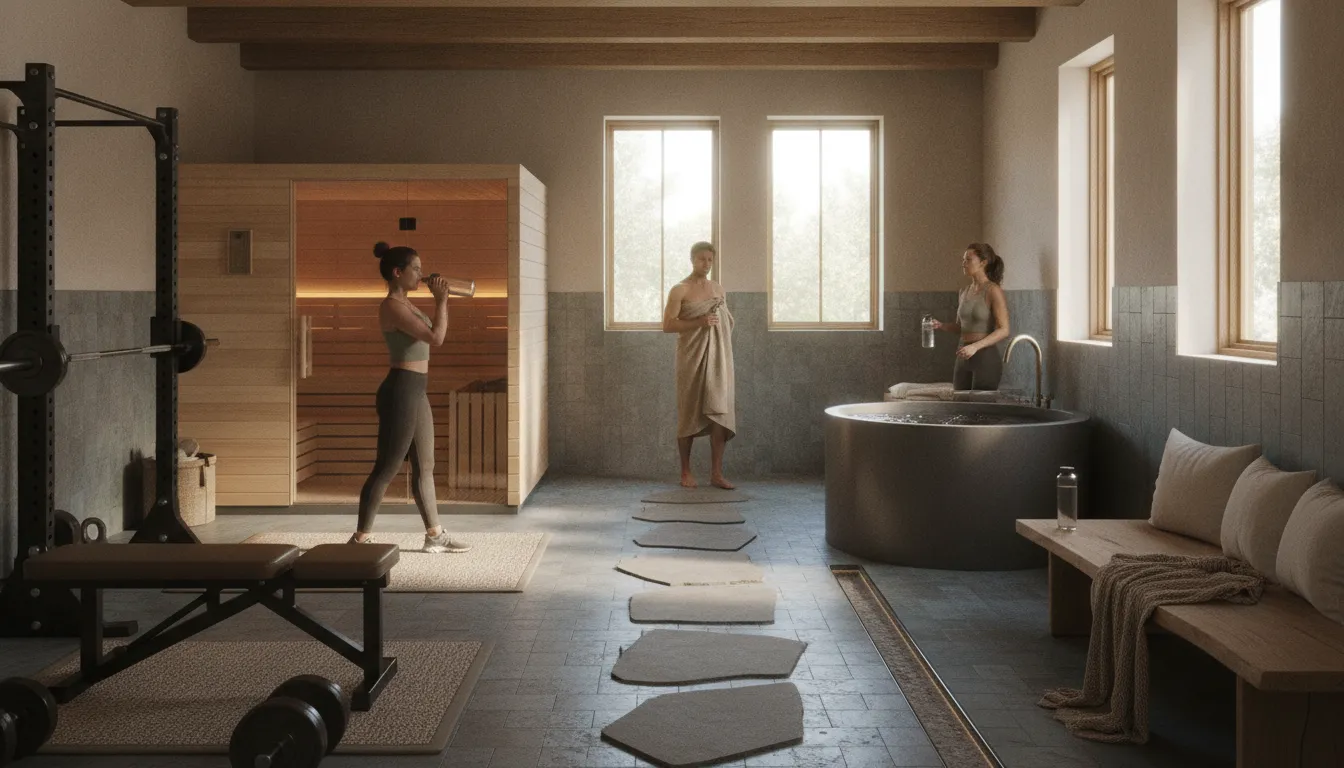
A home sauna works best when its heat, timing, and space fit the way you actually live. The infrared vs traditional sauna choice is not about finding one universal winner. It is about deciding whether you prefer gentle, direct warmth or an immersive room filled with hotter air and optional steam.
Book a free home consultation to compare sauna options for your Carolina home.
Traditional saunas heat the air and surrounding wood, creating an enveloping high-heat experience that can include steam from water on heated stones. Infrared saunas warm the body more directly at lower room temperatures. Choose traditional for an intense communal ritual, or infrared for gentler heat and a faster everyday routine.
Both formats can support relaxation and a consistent wellness routine. Your best match depends on heat preference, available space, electrical requirements, maintenance expectations, and when you plan to use it. The guide below compares those practical differences for homeowners across North and South Carolina.
Infrared vs traditional sauna at a glance
An infrared sauna usually suits homeowners who want lower-temperature, dry warmth and shorter preparation time. A traditional sauna suits people who enjoy hotter air, the option to add steam, and a more classic shared ritual. Model specifications and installation requirements still matter, so confirm them before choosing a room or location.
| Decision factor | Infrared sauna | Traditional sauna |
|---|---|---|
| How it heats | Infrared emitters warm the body more directly | A heater warms the air, wood, and sauna stones |
| Heat experience | Gentler, dry, and more targeted | Hotter, enveloping, with optional steam |
| Typical temperature | Often about 120 to 140 degrees Fahrenheit | Often about 150 to 195 degrees Fahrenheit |
| Warm-up routine | Usually faster to get ready | Usually needs more preheating time |
| Installation | Electrical needs vary by model; some installations are simpler | Often needs a dedicated higher-voltage circuit and planned ventilation |
| Best fit | Frequent solo sessions and gentler heat preferences | Classic sauna rituals, families, and people who enjoy intense heat |
Temperature ranges vary by product and setup. A comparison from GoodRx provides a useful overview, but your comfort and the manufacturer’s guidance should set the pace for each session.
How does each sauna feel?
The main difference is not simply the number on the thermometer. Traditional heat surrounds you and builds into a more intense room-wide experience. Infrared warmth feels gentler because emitters transfer heat more directly while the air stays cooler. Trying both experiences can clarify your preference better than specifications alone.
The traditional sauna ritual
A traditional sauna creates a full-room experience. The heater warms the air, benches, wood walls, and stones. The result is a deep, enveloping heat that encourages you to slow down. Adding a small amount of water to appropriate heated stones briefly raises humidity and creates the familiar wave of steam many sauna users value.
This style often fits an evening routine. You turn on the heater, let the room come to temperature, and step inside when you are ready to settle in. Couples and families may also prefer the shared nature of a traditional room. Tylo traditional options include the Halmstad and Reflection collections, with several sizes for different households.
The infrared sauna ritual
An infrared sauna uses emitters to warm the body more directly. The air remains cooler, which can feel more approachable for someone who finds intense heat uncomfortable. The dry warmth also makes infrared a practical option for a morning session, a post-workout pause, or a quick transition at the end of the workday.
Tylo’s Kiruna infrared collection includes models designed for one to three people. That smaller footprint can fit routines centered on frequent solo use. If you want flexibility between heat styles, Tylo also offers Kiruna Hybrid models that combine infrared capabilities with a traditional sauna experience.
Explore the Tylo sauna collection to compare traditional, infrared, hybrid, and outdoor configurations.
Warm-up time and everyday routines
Infrared models generally warm up faster because they do not need to heat the entire room to traditional-sauna temperatures. Traditional models take longer to prepare but make that waiting time part of a slower ritual. Your schedule matters: frequent short sessions favor infrared, while planned evening sessions often favor traditional heat.
For quick, frequent sessions
Infrared often feels easier to fit into a busy day. A homeowner can start the sauna, change clothes, gather water, and begin a session without building a long preheating window into the schedule. That convenience can help turn occasional use into a steady ritual.
For slower, shared sessions
Traditional heat rewards planning. Preheating becomes part of the transition from a busy day into a quiet evening. The hotter room and optional steam can create a distinct separation between everyday activity and rest. If you imagine weekend sessions with a partner or an unhurried evening routine, that rhythm may feel natural.
Visit a Fun Outdoor Living showroom to experience sauna options and compare the heat in person.
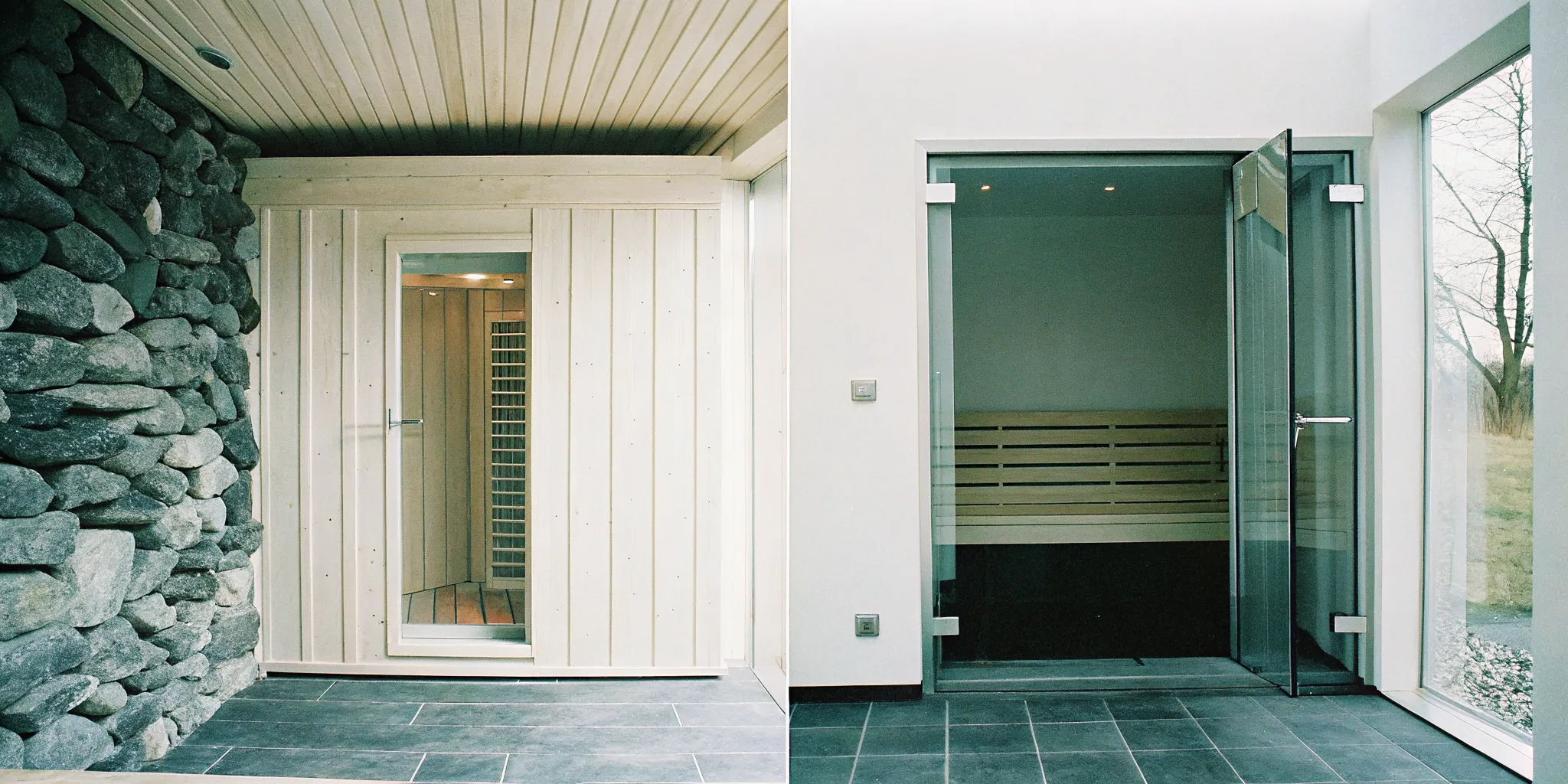
Installation needs for a Carolina home
Sauna installation depends on the exact model, its electrical load, the room, and whether the unit is rated for indoor or outdoor use. Traditional heaters commonly need a dedicated higher-voltage circuit. Infrared requirements vary. A site review prevents surprises involving power, clearances, flooring, moisture, and ventilation.
Choose the location before the model
Start with the place where the sauna would be easiest to use. A primary bathroom, home gym, finished basement, or dedicated wellness room can work well indoors. Outdoor models can extend a backyard retreat, but they must be designed and installed for exterior conditions. Carolina heat, humidity, rain, and seasonal temperature swings make product rating and site preparation especially important.
Measure doorways and the path to the final location, not just the available floor area. Think about ceiling height, floor surface, nearby water, privacy, and how the sauna will connect with the rest of your routine. If you are planning a broader recovery space, a contrast therapy zone can combine sauna heat with a cold plunge.
Confirm power and ventilation
Never select an electrical circuit based only on the words “infrared” or “traditional.” Some infrared models may use a standard outlet, while larger models may require a dedicated circuit. Traditional heaters often require 240-volt service. Always follow the specific manufacturer’s requirements and use a qualified electrician where needed.
Ventilation also affects comfort and long-term ownership. Traditional sauna rooms need proper airflow to keep heat comfortable and help the space dry after use. Infrared cabins have different requirements, but they still need clearance and a suitable environment. A professional site review brings these details into the decision before the installation date.
Maintenance and long-term ownership
Both sauna types are manageable when simple care becomes part of the routine. Keep wood clean and dry, use towels on benches, allow the room to air out, and inspect controls and heating components as recommended. Traditional stone heaters add stone checks, while infrared systems require attention to emitters and controls.
Care for the wood and room
Use a towel on the bench and wipe away moisture after sessions. Leave the sauna open long enough to dry according to the manufacturer’s instructions. Avoid harsh household cleaners that can damage wood or create unwanted odors when the room heats. Regular light care is more effective than an occasional aggressive cleaning.
Maintain the heating system
Traditional sauna owners should inspect stones and follow guidance for replacement or repositioning. Infrared owners should watch for changes in emitter performance or controls. In either case, address unusual sounds, inconsistent heat, or electrical issues promptly. Fun Outdoor Living provides regional support, and homeowners can submit a service request when professional attention is needed.
Before selecting a brand or installer, look beyond the initial sale. Ask who handles service, how warranty questions are managed, and whether replacement parts are accessible. Reading local customer reviews can also help you understand the ownership experience.
Which sauna type fits your routine?
Choose infrared if you value gentle dry warmth, frequent solo use, and a shorter preparation routine. Choose traditional if you value intense enveloping heat, optional steam, and a slower shared ritual. Consider a hybrid model when both experiences matter and the site can support the selected unit.
Sauna decision checklist
- Name your preferred heat: Decide whether you enjoy hotter surrounding air or gentler direct warmth.
- Picture a normal week: Estimate when, how often, and how long you will realistically use the sauna.
- Choose who it serves: A solo routine may need less space than regular sessions with family.
- Select a location: Compare indoor convenience with an outdoor wellness setting.
- Verify the site: Confirm power, clearances, flooring, ventilation, access, and outdoor ratings.
- Plan for ownership: Review cleaning, component care, warranty, and local service support.
- Experience the difference: Compare the heat in person before making the final decision.
Budget matters, but the lowest initial price is not always the best long-term fit. Room preparation, electrical work, size, materials, heater type, and accessories all affect the complete project. If you want to spread the investment over time, review available financing options as part of your planning.
What about wellness and recovery goals?
Both sauna formats can support a relaxing wellness routine, but neither should be treated as medical care. The format you will use consistently is often the practical choice. Start conservatively, hydrate, follow product guidance, and ask a healthcare professional before sauna use if you have a medical condition or concern.
Research has explored possible associations between sauna use and cardiovascular health, recovery, and relaxation. A review indexed by the National Library of Medicine discusses potential benefits and precautions, but individual results and risks vary. Avoid promises that one heat format will produce a specific health outcome.
Instead, think about consistency. A gentler infrared session may suit someone who is less comfortable with very hot air. A traditional sauna may suit someone who values the mental reset of a more intense, immersive ritual. Good hydration, gradual exposure, and attention to how you feel matter with either option.
Talk with a local sauna specialist about the heat experience, space, and routine that fit your home.
Frequently asked questions
Which sauna operates at a higher temperature?
Traditional saunas generally operate at higher air temperatures than infrared saunas. Traditional rooms often range from about 150 to 195 degrees Fahrenheit, while infrared rooms commonly range from about 120 to 140 degrees. Always follow the settings and session guidance for the specific model.
Can you create steam in both types of saunas?
Traditional saunas with appropriate heated stones can create a brief increase in humidity when water is added according to manufacturer guidance. Infrared saunas are designed for dry heat and generally should not have water placed on their emitters. Follow the instructions for your exact heater or cabin.
Is infrared or traditional better for indoor installation?
Either format can work indoors when the site meets the model’s requirements. Some infrared cabins have simpler electrical and ventilation needs, while traditional rooms may need a dedicated higher-voltage circuit and more planning. A site review is the safest way to compare realistic options.
Does Fun Outdoor Living offer hybrid saunas?
Yes. Fun Outdoor Living offers Tylo Kiruna Hybrid sauna options that combine infrared capabilities with a traditional sauna experience. A hybrid can suit a household with different heat preferences, provided the selected model and installation requirements fit the planned space.
Choose a sauna that fits life at home
The right sauna should feel easy to return to. Infrared offers gentle warmth and everyday convenience. Traditional heat creates a hotter, more immersive ritual. Hybrid options give a household room to choose. The important step is matching the experience to your space, schedule, and long-term expectations.
Fun Outdoor Living can help you compare Tylo options, think through installation, and plan a sauna that belongs in your Carolina home. The team supports customers through design, installation, and ongoing service, so your decision is grounded in how the sauna will work after the first session.
Book your free home consultation and begin planning a sauna routine that fits your home.