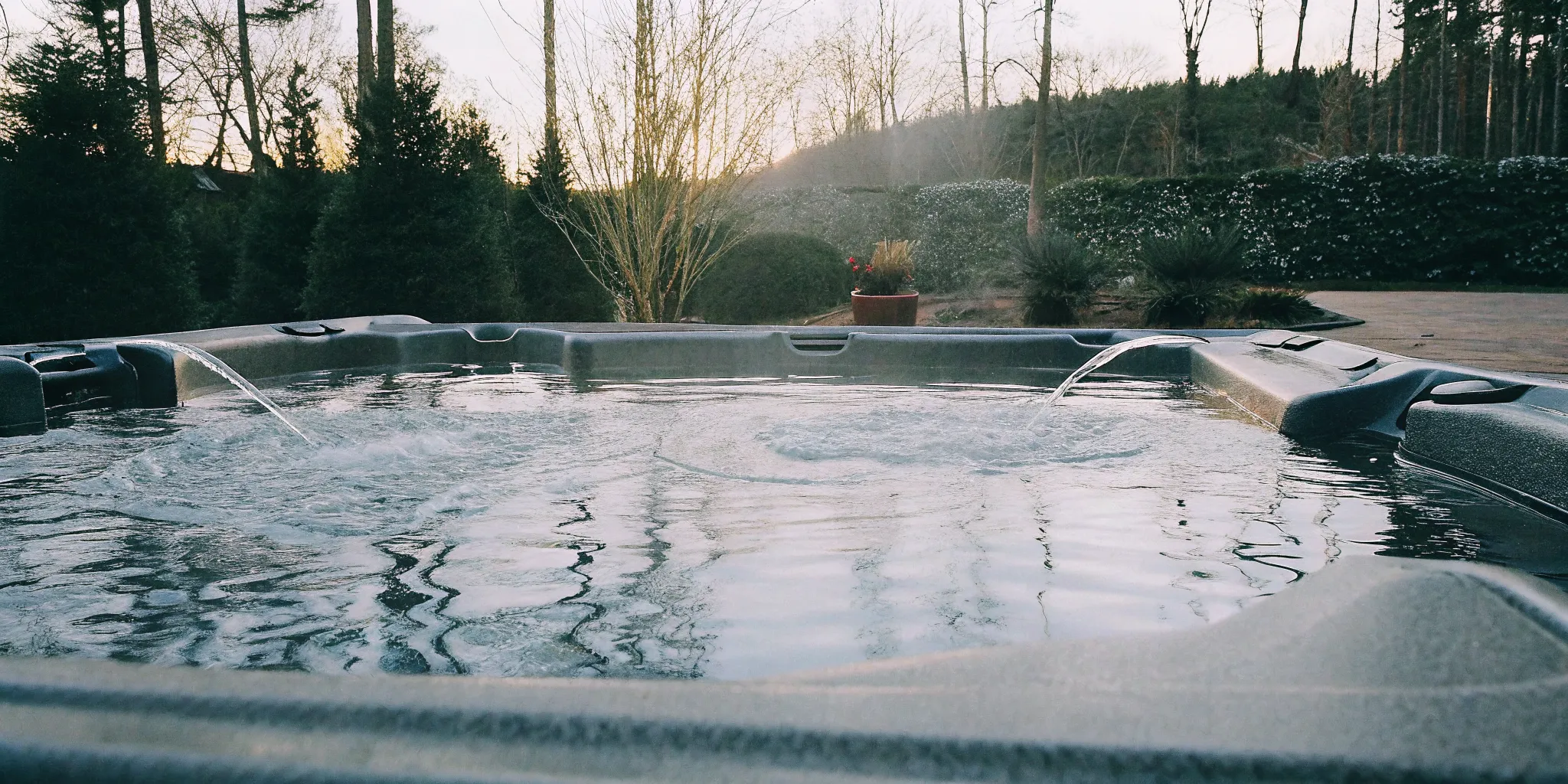
A private soak loses its appeal when the deck exposes you to every nearby window. In Carolina neighborhoods, the right plan blocks sightlines without boxing in the spa.
Hot tub deck privacy ideas work best when they layer screens, a pergola, and landscaping around a well-placed spa. Use slatted panels or plantings to block exposed sightlines, then add low lighting that keeps paths safe without putting the tub on display. Plan the practical details early: leave room for the cover lifter, preserve removable access panels, and keep at least 3 feet of service clearance. Choose screen materials and plants suited to Carolina humidity, rain, and year-round use. That balance matters because research describes privacy as a way to regulate interaction and support relaxed states. A thoughtful layout makes the space feel secluded while keeping routine care simple.
Whether your deck overlooks a close neighbor or opens toward a wooded lot, the best answer depends on the sightlines you need to soften. The next section, Hot tub deck privacy ideas that work in Carolina yards, starts with the choices that protect privacy and preserve easy ownership.
Hot tub deck privacy ideas that work in Carolina yards
The most useful hot tub deck privacy ideas solve a real yard problem: blocking unwanted views without making the spa area feel boxed in. In North and South Carolina, the right choice depends on your deck layout, nearby homes, and how you use the space. Privacy matters because it helps regulate social interaction and support relaxed states, according to research on privacy in outdoor environments.
Start with the sightlines
Stand where the spa will sit and look toward neighboring windows, raised decks, and the street. Then check the view from the steps and seats. A screen may work on one side, while an established tree or wall may already cover another.
For close neighbors, layer your choices instead of building one large barrier. A slatted screen can reduce direct views while leaving room for airflow. Tall grasses, shrubs, and potted plants can soften the edge. A pergola can add overhead shade and make the spa feel connected to the deck.
Plan for Carolina weather
Carolina yards need materials that can handle humidity and moisture. Treated wood and weather-resistant metal are practical screen options. Lattice and patterned panels can also let air move through the space, which helps the area feel more open during warm months.
Drainage belongs in the privacy plan, too. Avoid placing solid panels where they trap water or crowd the wet path around the spa. If a fire feature is part of the larger layout, review the trade-offs between an outdoor fireplace and a fire pit before setting the screen locations.
Keep daily use simple
A private deck still needs to work well. Leave clear room for the cover lifter, steps, removable panels, and future service visits. Before adding a fixed wall or pergola, check local codes and confirm that the layout keeps access open.
The best design often uses several quiet choices together: smart placement, a partial screen, soft landscaping, and a clear walking path. Browse the hot tub gallery to see how spa placement can fit into a complete backyard plan.
Which privacy screen belongs beside your hot tub?
Start with the view you need to block
The right screen is not simply the tallest option. Start with the sightline from a nearby window, patio, or property line. Then consider the view you still want to keep. Research describes privacy as a way to regulate interaction and support relaxed states. That makes placement as important as material.
Wind and moisture narrow the choices. A solid wall blocks more of the view, but it may also catch strong gusts. Open slats and lattice let more air pass through. Near the spa, choose materials and finishes that can handle splash, humidity, and routine cleaning.
Screen options at a glance
These hot tub deck privacy ideas serve different needs. Some become part of the deck. Others are useful when you want seasonal shade, a softer look, or the freedom to change the layout later.
| Option | Best use | Main advantage | Watch for |
|---|---|---|---|
| Fixed wood or composite screen. | Long-term privacy on an exposed side. | Strong sightline control. | Wind load, drainage, and access. |
| Lattice. | Partial screening with a lighter feel. | Airflow and room for climbing plants. | Less coverage before plants fill in. |
| Slatted panel. | Filtered views around a modern deck. | Balance of privacy and airflow. | Slat angle and neighbor sightlines. |
| Retractable screen. | Privacy only when the spa is in use. | Flexible coverage. | Secure storage during gusty weather. |
| Outdoor curtain. | Covered decks and pergolas. | Soft, adjustable screening. | Wet fabric, mildew risk, and tiebacks. |
| Portable planter. | Small gaps and changing layouts. | Movable, natural buffer. | Weight, drainage, and plant care. |
Match permanence to the space
Fixed panels usually suit a clear, year-round problem, such as a neighbor’s upper window. Wood can add warmth, but it needs upkeep in a wet setting. Composite can reduce routine care. Either choice needs sound support and a layout that does not crowd the spa.
Slatted panels work well when you want privacy without closing in the deck. Lattice can soften the edge of a larger backyard wellness environment, especially when several relaxation zones share one space.
Retractable screens and curtains suit spaces that need to change through the day. Plan for a secure place to tie them back when the wind rises. Washable outdoor fabric also needs time to dry. Portable planters are useful for small gaps, but keep drainage away from walking paths.
Before installation, protect the service path. Leave at least 3 feet of clear access around the hot tub. Do not trap removable panels behind a permanent screen. The best choice feels private during a soak while remaining easy to clean, service, and live with over time.
Pergolas, porches, and roofs add privacy without closing in the spa
Overhead structure, open sides
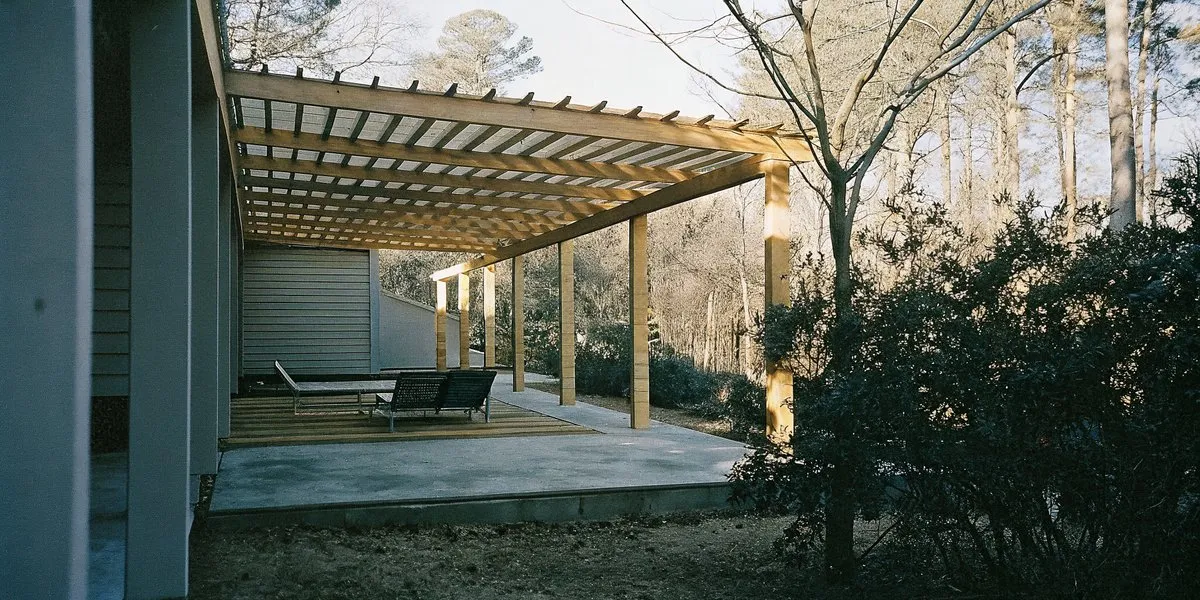
A hot tub does not need a full enclosure to feel private. A pergola, partial roof, or shade structure can define the soaking area while keeping the sides open. That balance matters because steam still needs a clear path out. The spa feels like a room, not a closed box.
Privacy is not only about blocking every view. It also helps create a space where people can relax and choose how they interact with others. Research on outdoor environments describes privacy as a way to regulate interaction and support relaxed states. Overhead framing can help set that boundary without making the deck feel tight.
A structure that fits the home
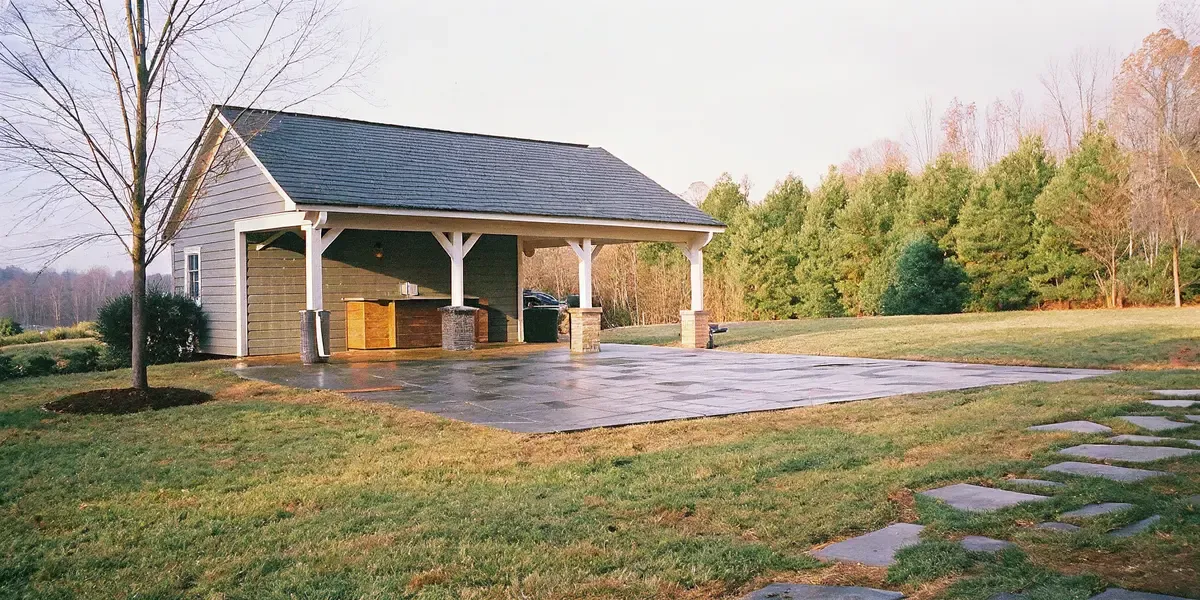
A porch roof can work well when the spa sits close to the house. It links the hot tub to an existing outdoor room and gives the layout a clear center. A freestanding pergola is often a better fit farther out on the deck. It adds shape without making the spa feel cut off from the yard.
Partial coverage is often enough. Rafters, slats, or a roof over one side can soften views from upper windows and nearby decks. They can also add shade during part of the day. For layout ideas, review the decks, porches, and pergolas gallery before choosing a fixed structure.
Soft layers for changing needs
A pergola becomes more useful when privacy can change with the moment. Add only the layers that solve a real sightline issue. This keeps the area calm and open during daily use.
- Use outdoor curtains on one or two sides when neighbors are close.
- Add a slatted panel where one direct view needs to be softened.
- Train vines along a trellis for a softer edge over time.
- Keep the main path to the spa open and easy to use.
Do not let curtains, planters, or vines block routine spa care. Leave room around the tub so panels and service points remain easy to reach. The goal is simple: give the hot tub a sheltered feel while preserving airflow, movement, and access.
Use landscaping to soften views and make the deck feel settled
Landscaping can make a spa deck feel more private without turning it into a closed room. That matters because privacy helps regulate social interaction and supports a more relaxed state. The goal is not a solid green wall. A layered edge feels softer and gives the hot tub a clear place in the yard.
Build privacy in layers
Start with the views that matter most: a nearby window, a side yard, or an open property line. Use evergreen shrubs as the steady backdrop. Add ornamental grasses, small trees, or tall planters where a lighter screen makes sense. This approach breaks up sightlines while keeping the deck open to air and light.
Layers also let each plant group do a simple job. Shrubs can cover lower views. Small trees can soften higher views from neighboring homes. Planters can screen one chair or one exposed corner. Vines can add seasonal cover to a pergola or trellis, but they need a structure and routine care.
Plan for Carolina conditions
In the Carolinas, heat and humidity shape the plan. Choose broad plant types that suit the site, then confirm the details with a local landscape professional. Think about sun, shade, drainage, and the mature size of each layer. Avoid placing large roots close to the spa pad, deck footings, plumbing, or service paths.
Leaves, pollen, and seed heads also affect daily use. Dense plants placed too close to the water can add cleanup and make the cover harder to manage. Leave breathing room around the spa. Splash water can also reach nearby soil and foliage, so avoid crowding the tub edge with plants that need careful conditions.
Use movable screening where seasons change
Privacy does not need to come from permanent planting alone. Large planters can fill a gap during the growing season, frame the steps, or soften the edge of a deck. They are also easier to adjust when the sun angle changes or a view opens after leaf drop.
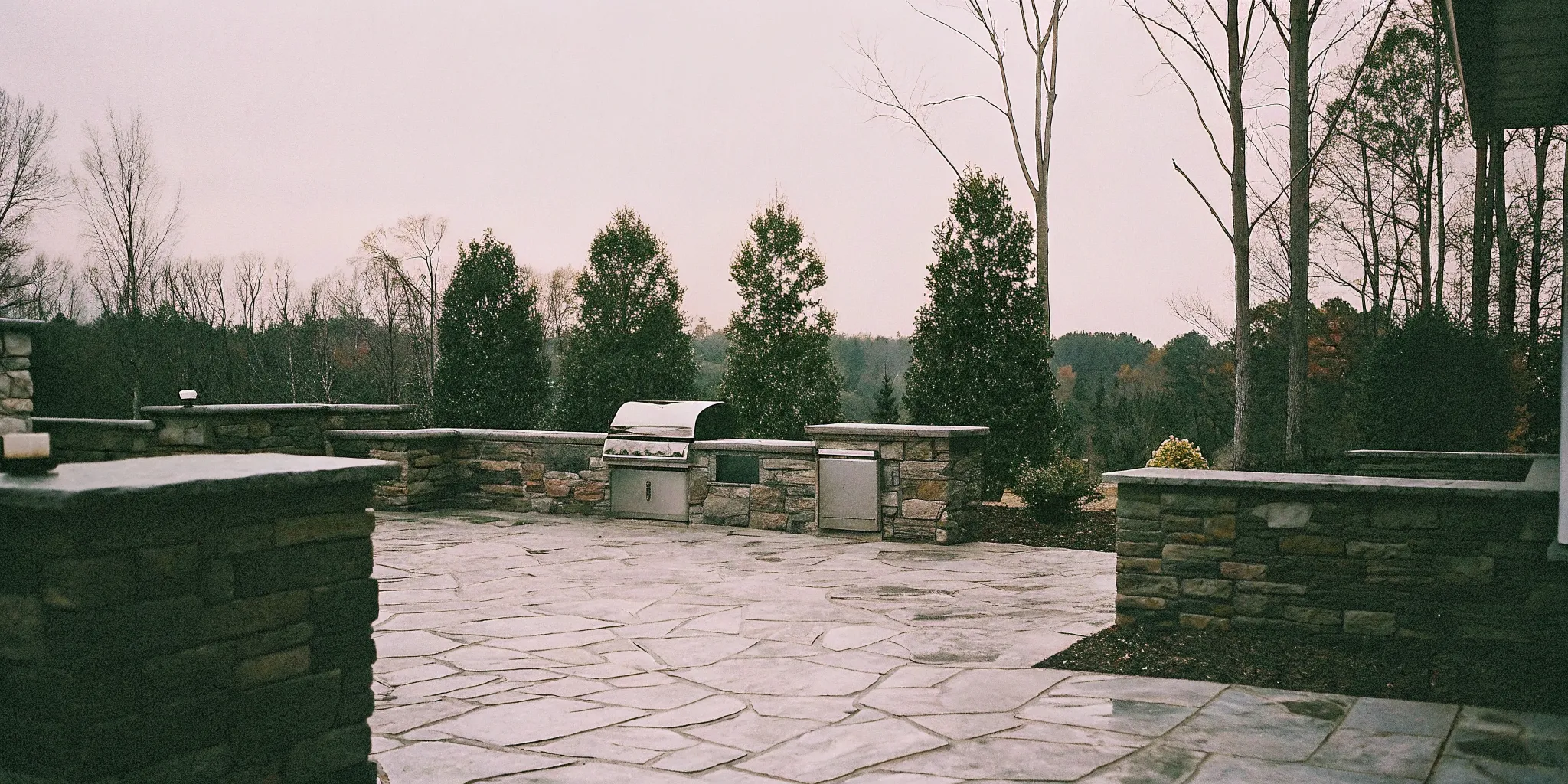
Keep service needs visible in the layout. Fun Outdoor Living recommends leaving at least three feet of clear space around the hot tub for service access. A planter should move easily, and vines should not block a panel. If the deck also includes seating or outdoor fire features for privacy, use greenery to define each zone without narrowing the walking path.
The most useful hot tub deck privacy ideas balance cover with upkeep. Landscaping should make the spa feel settled, not harder to use. A mix of steady screening and seasonal accents keeps the view soft while leaving room for care.
Where should you place a hot tub on a deck for privacy and access?
Start with the daily path
The best spot is private enough to feel restful, but close enough to use often. Start at the door you will use after a soak. Trace the shortest clear path to the spa, then check each step for wet feet, sharp turns, and grade changes.
A corner often works well because two deck edges can guide screening. A center placement creates a stronger focal point, but it leaves more sightlines to manage. A spot near the house can shorten the walk in cold weather. A spot farther away may feel calmer if indoor noise or busy doors would break the mood.
Check views from outside the deck
Stand where neighbors and passersby are most likely to see the spa. Look from nearby windows, the street, and higher decks. Privacy is not only a visual detail. Research on outdoor settings describes privacy as a way to regulate interaction and support relaxed states.
Place the spa near an existing wall, fence line, or mature tree when that helps. Then add screens or plants only where the open views remain. This approach can feel more natural than wrapping every side. It also keeps the deck from feeling closed in.
Consider sound as well as views. Keep pumps and conversation away from a neighbor’s bedroom window when the layout allows. If the tub shares space with seating, a sauna, or outdoor fire features for privacy, plan separate zones. Each area should still have a clear walking path.
Protect service and cover access
Do not use a screen, planter, or built-in bench to hide the cabinet doors. Leave at least 3 feet of service clearance around the hot tub. Technicians need room to reach pumps, heaters, and removable panels without taking apart the deck.
Check the cover before setting the final position. Its folded side and cover lifter need space to move without hitting a wall or rail. Avoid placing that folded cover where it blocks the best view or the main path. Also keep steps easy to see and free from runoff.
A simple test helps before construction starts. Walk the route with a towel, picture the open cover, and mark the service route. Good hot tub deck privacy ideas protect quiet moments without making daily use harder.
Plan lighting, cover lifters, and access panels before you build
Privacy details should make the spa easier to use, not harder to maintain. Research links privacy with the ability to regulate social contact and reach a more relaxed state. That makes small layout choices worth planning early. This research on privacy and relaxation helps explain why the practical details matter.
When reviewing hot tub deck privacy ideas, think beyond what neighbors can see. Walk the route, open the cover, and picture a future repair. A calm space still needs a clear path and room for service.
A simple planning sequence
Work through these steps before the deck boards, screens, or planters lock the layout in place. This order keeps daily use, privacy, and long-term care connected.
-
Map the walking path. Trace the route from the house to the steps. Keep the path clear of screen posts, planters, cords, and sharp turns. Plan drainage so water does not collect where bare feet will travel.
-
Place low-glare lighting. Add enough light to see steps, edges, and the route back inside. Aim fixtures toward the walking surface instead of eye level. Check the view from the spa and from nearby windows before final placement.
-
Test the cover-lifter motion. Measure the full swing and the resting position of the cover. Make sure screens, rails, and planting beds do not block that movement. Decide whether the stored cover helps screen a view or closes off a preferred sightline.
-
Keep service access open. Leave at least 3 feet of service clearance around the hot tub. Use removable access panels where a built-in deck wraps the spa. Pumps and heaters should remain reachable without taking apart finished deck work.
-
Plan drainage before finishes. Check where splash water and rain will flow. Keep runoff away from access panels and walking areas. A privacy wall should not create a low pocket where water can sit.
-
Confirm electrical and repair space. Ask your installer and electrician to review the plan before construction. Mark the service points, electrical route, and working area on the drawing. Leave a practical route for future parts and tools.
Privacy without maintenance headaches
A screen can hide a direct view and still leave the equipment side usable. In many layouts, a removable panel or gate works better than a fixed wall. The goal is simple: privacy when you soak, access when the spa needs care.
Lighting should support that balance. Soft path lights can show wet steps without putting the spa on display. If you also want a warm focal point, compare outdoor fire features for privacy before placing screens and seating.
A layout review before construction
Review the plan at night if possible. Stand at the spa, walk to the house, and check the view from each nearby window. Then move the cover through its full range and point out every access panel.
A 3D design review can help reveal conflicts before they become expensive fixes. Include access, privacy, and everyday use in the same review. The best layout feels quiet during a soak and remains practical years later.
How much service clearance should a private spa deck leave?
Plan access before adding privacy
A private deck should feel screened without boxing in the spa. Service access matters long after installation day. Pumps, controls, plumbing, and electrical parts may need inspection or repair. A tight layout can turn a simple visit into a larger deck project.
Leave at least three feet of service clearance around the hot tub as a planning baseline. Then confirm the final layout for your spa model and installer. The equipment side needs special care. Technicians must reach key parts without removing fixed walls, heavy planters, or deck boards.
Privacy screens can still work well when they are placed with upkeep in mind. Use removable panels, hinged sections, or gates near the service side. Keep panel fasteners easy to reach. A screen that looks finished should also open without damage.
Clear paths for daily use
Good hot tub deck privacy ideas also account for routine care. Leave a clear route for water testing, cleaning, and filter changes. Steps should feel stable and easy to use. They should not block removable spa panels or the path to the equipment bay.
Check the cover lifter before fixing a privacy wall in place. The cover needs room to open, rest, and close without scraping a screen. Keep gates wide enough for normal entry and service visits. Avoid narrow turns that make it hard to carry tools or replacement parts.
If you want help with ongoing care, review the Spa Valet plans. Your deck plan should make basic water care simple. It should not turn each task into an obstacle course.
Keep technician access practical
Picture the route from the driveway or yard gate to the spa. A technician needs a usable path through the deck area. Keep that route free of fixed benches, grill islands, and tight corners. Make room to open the right access panels fully.
Electrical access also needs a clear plan. Do not hide shutoffs or service points behind a fixed privacy feature. Review the pool and spa safety guidance from the U.S. Consumer Product Safety Commission. Then ask your spa installer and electrician to review the design before construction.
Before the deck design is final, walk through each upkeep task in order. Open the gate. Use the steps. Lift the cover. Reach the filters. Remove the service panels. Then check the technician path again. A free home consultation can help connect privacy goals with practical access.
Frequently asked questions about hot tub deck privacy ideas
What is the easiest way to add privacy around a hot tub deck?
The easiest option is usually a mix of one fixed screen and one softer layer, such as planters, outdoor curtains, or tall grasses. A fixed screen blocks the main sightline from a neighbor or street. The softer layer makes the spa area feel more settled without turning the deck into a closed box.
Can I put a hot tub under a pergola?
Yes, many homeowners use a pergola to give a hot tub deck more privacy and shade. The key is to plan the structure around moisture, airflow, cover movement, lighting, and safe access. A pergola should make the spa easier to use, not harder to maintain.
How do I keep privacy without blocking hot tub service access?
Keep the equipment side reachable with removable panels, a gate, or a clear service path. Avoid building permanent benches, walls, or planters tight against the side that needs access. Before construction, confirm the access needs for your exact spa model with your dealer or installer.
What landscaping works best for hot tub privacy in the Carolinas?
Layered landscaping works well because it can screen views while still letting the deck breathe. Many Carolina homeowners use evergreens, ornamental grasses, planters, and small trees. Choose plants with leaf drop, pollen, roots, humidity, and spa-water splash in mind.
Ready to Plan a More Private Hot Tub Deck?
Waiting to plan privacy can leave your deck exposed, limit everyday comfort, and create awkward changes after your hot tub area begins to take shape. Starting now gives you time to compare screens, landscaping, pergolas, lighting, and placement while each part of your backyard layout can still work together. A thoughtful plan can help you protect privacy while accounting for cover-lifter space, access panels, routine care, and room for future service visits.
Ready to move from rough ideas to a practical plan for your Carolina backyard? Book a free home consultation to discuss your privacy priorities, hot tub deck layout, preferred timeline, and next steps with the Fun Outdoor Living team. Start now before your outdoor layout is finalized.