Choosing a sauna is a personal decision, centered on the kind of experience you want to create. Do you envision the enveloping, social heat of a traditional sauna, or the gentle, penetrating warmth of an infrared model? One is a deliberate ritual, the other a convenient escape. Neither is better; they simply serve different moments. But once you know the feeling you’re after, it’s crucial to choose a unit built to deliver that experience reliably, day after day, in our specific Carolina climate. This guide will help you connect your wellness goals to the practical features that matter, ensuring you find the best sauna for NC homes.
Key Takeaways
- Choose materials suited for the Carolinas: Our humid climate requires thoughtful material choices. Opting for moisture-resistant wood like cedar, plus ensuring your sauna has a proper vapor barrier and ventilation, is the best way to prevent future issues and protect your investment.
- Decide on the ritual you want: The right choice between traditional and infrared heat depends on your lifestyle. Traditional saunas offer a classic, enveloping warmth for a deliberate ritual, while infrared provides gentle, direct heat that’s ready in minutes for a personal session.
- Understand that quality goes beyond the sauna itself: A lasting sauna experience includes a proper installation. A solid foundation, correct electrical work, and durable hardware are just as important as the sauna itself for ensuring safety and years of reliable performance.
How North Carolina’s Climate Affects Your Sauna Choice
Here in the Carolinas, we understand humidity. It’s a part of life, from warm summer evenings on the porch to mild, damp winters. When you decide to bring a sauna into your home, that climate comes into play. A sauna is a dry environment by design, but the air outside it is anything but. Choosing the right one isn’t just about picking features from a catalog; it’s about selecting a product that will perform reliably for years in our specific environment. It’s about ensuring your quiet moments of wellness aren’t interrupted by maintenance worries down the road.
The good news is that a sauna is a wonderful addition to a Carolina home, offering a perfect escape and powerful health benefits. You just need to plan for two things: understanding how our humidity affects the structure and performance, and building it in a way that ensures longevity. In our experience designing and installing saunas across the region, a little foresight goes a long way. It’s the difference between a sauna that feels like a constant joy and one that becomes a source of upkeep. Making the right choice from the start ensures your wellness ritual is always ready when you are, day after day, for years to come.
Why Humidity Is a Key Factor
North Carolina’s humidity is more than just a comfort issue; it’s a practical consideration for any wooden structure, including a sauna. When the air is heavy with moisture, that moisture will try to find its way into everything. For a sauna, this can mean wood that slowly absorbs water, leading to warping, rot, or mildew over time. An improperly sealed sauna can struggle to maintain its high heat and low humidity, working harder than it should and delivering a less effective experience. Thinking about humidity from the start ensures your wellness ritual remains consistent and your investment is protected for years to come.
Planning for Longevity and Performance
Planning for a long-lasting sauna in our climate comes down to a few key decisions. First is the material. Woods like cedar are naturally resistant to moisture and decay, making them an ideal choice. Second is the construction itself. A quality sauna will include a vapor barrier within the walls, which prevents ambient humidity from seeping into the insulation and wood frame. Finally, proper ventilation is essential. It allows the sauna to breathe, circulating fresh air during use and helping it dry out completely afterward. These details are what separate a standard sauna from one truly built for the Carolinas, like the Tylo models we recommend.
Which Sauna Materials Perform Best in North Carolina?
A great sauna experience depends on more than just heat; it relies on materials chosen to last, especially here in the Carolinas. Our humid climate can be tough on outdoor structures, but the right choices in wood, hardware, and foundation ensure your sauna remains a peaceful retreat for years, not a source of constant upkeep.
Why We Recommend Cedar
In our experience, cedar is the ideal wood for a sauna in this climate. It contains natural oils that make it resistant to moisture, decay, and insects, which are all significant concerns for homeowners here. When heated, cedar releases a subtle, pleasant aroma that enhances the calming atmosphere of the sauna experience. While it can be a larger initial investment compared to other woods, its durability prevents the costly repairs and maintenance that less suitable materials often require. Choosing cedar is a decision for longevity and peace of mind.
Hardware and Insulation Built for Humidity
The humidity in North Carolina doesn’t just affect wood; it’s also tough on metal. That’s why all hardware, from door hinges to fasteners, should be stainless steel to prevent rust and corrosion. Beyond the visible parts, proper insulation and a vapor barrier are critical. Good insulation keeps the heat contained for an efficient session, while a vapor barrier stops moisture from seeping into the sauna’s walls or your home’s structure. These details are essential for creating effective and durable wellness spaces.
Choosing the Right Foundation for Your Sauna
For an outdoor sauna, what’s underneath is just as important as the structure itself. The ground in our region holds significant moisture, which can lead to rot if a sauna sits directly on it. A solid, level foundation, such as a concrete pad or a professionally installed gravel base, is essential. This elevates the structure, protecting the wood from constant moisture exposure and ensuring its stability and longevity. It’s a foundational step we take with all our outdoor structures to guarantee they stand the test of time.
Traditional vs. Infrared: Choosing Your Experience
The choice between a traditional and an infrared sauna isn’t about which is better. It’s about how you want your wellness ritual to feel. One offers an intense, enveloping heat that fills the room, while the other provides a gentle, penetrating warmth that heats you from the inside out. Both support health and relaxation, but they do so in different ways.
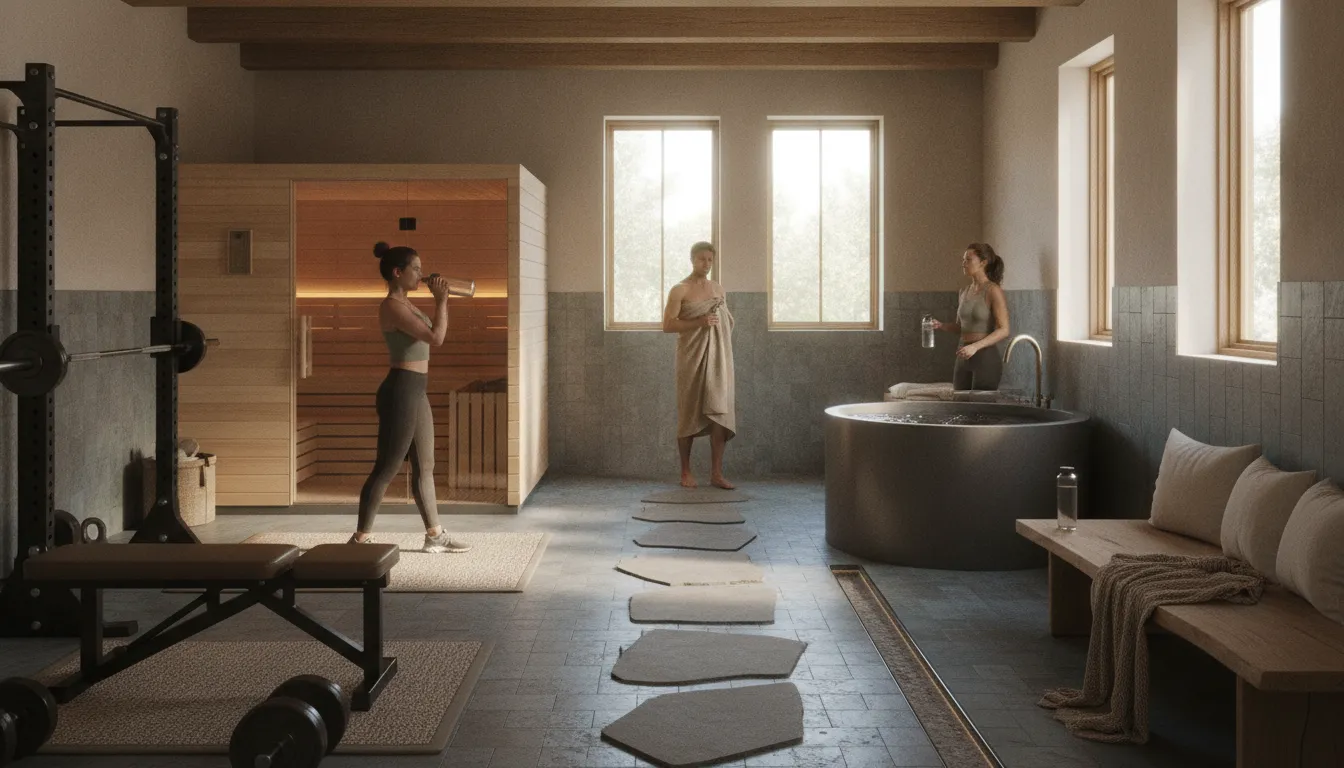
In our experience helping Carolina homeowners, the right decision comes down to personal preference. Do you imagine a classic, social sauna experience with waves of steam? Or do you prefer a quieter, more direct heat that you can enjoy at a moment’s notice? Understanding the feeling you’re after is the first step. This choice is foundational to creating a home wellness space, especially if you plan to pair your sauna with a cold plunge for contrast therapy. Thinking about the daily routine you want to build will guide you to the perfect sauna for your home.
The Classic Heat of a Traditional Sauna
A traditional sauna delivers a powerful, classic heat. It uses an electric heater to warm stones, which then radiate heat to fill the entire room, typically reaching temperatures between 185 and 190 degrees. This creates an intense, enveloping warmth that you feel all around you. The ritual is part of the experience: you allow the room to heat up, then step into a space dedicated to deep relaxation. For many, the highlight is ladling water over the hot stones, creating a satisfying wave of steam that deepens the heat. It’s a robust and timeless experience, perfect for those who love a classic, powerful sweat.
The Gentle Warmth of an Infrared Sauna
An infrared sauna offers a different kind of warmth. Instead of heating the air, it uses infrared waves to heat your body directly. This results in a much lower air temperature, usually around 125 to 130 degrees, but the warmth penetrates deeply into your muscles. The feeling is gentle and soothing, like lying in the sun without the humidity. Because they don’t need to preheat the entire room, infrared saunas are ready in minutes, making them ideal for a spontaneous session after a workout or before bed. Homeowners who want convenience and a less intense heat often find that our Tylo infrared models fit perfectly into their busy lives.
The Immersive Feel of a Steam Sauna
A “steam sauna” isn’t a separate type of heater but rather a way to experience a traditional sauna. When you pour water over the hot rocks in a traditional model, you create a burst of steam that instantly increases the humidity. This is often called a “wet” sauna session. The steam makes the heat feel softer and more immersive, wrapping around you in a comforting blanket of warmth. You control the experience, adding as much or as little steam as you like. This simple act transforms the room, engaging more of your senses and allowing for a deeper, more customized session.
What Features Matter Most in a North Carolina Sauna?
Once you’ve decided on the type of heat you prefer, the next step is to look at the practical features that shape your daily experience. The right details ensure your sauna is not only enjoyable but also durable and efficient, especially in the humid Carolina climate. In our experience, focusing on four key areas makes all the difference: the size and fit, the type of heater, the ventilation system, and the controls that run it all. These elements work together to create a seamless wellness ritual that fits perfectly into your home and life. Getting them right from the start is the key to long-term satisfaction.
Finding the Right Size for Your Space
Choosing the right size for your sauna is about more than just how many people it can hold. It’s about how it fits into your daily routine. A smaller, more intimate sauna for one or two people will heat up faster and use less energy, making it easy to enjoy a spontaneous session. A larger model is better suited for social wellness and hosting friends or family. We help homeowners think through how they plan to use their sauna and find the perfect balance. Whether it’s tucked into a corner of a master bathroom or becomes the centerpiece of a new backyard deck, the right size feels like it was always meant to be there.
Efficient Heaters and Energy Use
The heater is the heart of your sauna, and modern options are both powerful and convenient. Most of the Tylo® saunas we install use efficient electric heaters, which offer quick, consistent heat at the touch of a button. While traditional wood-burning stoves provide a rustic, off-grid experience, electric heaters give you precise control for a more predictable routine. It’s also important to consider the electrical needs. Many infrared saunas can plug into a standard 120V outlet, while most traditional saunas require a dedicated 220-240V circuit, similar to an oven or a hot tub. Our team handles all of these details during installation to ensure everything is safe and seamless.
Proper Ventilation for a Humid Climate
In North Carolina, proper ventilation isn’t a luxury, it’s a necessity. Our humid air can take a toll on wooden structures, which is why a well-designed sauna needs to breathe. A good system draws fresh air in low near the heater and exhausts it high on an opposite wall. This constant, gentle airflow keeps the environment from feeling stuffy and, more importantly, helps manage moisture. A quality sauna will also include a vapor barrier within the walls, which prevents moisture from seeping into the structure of the sauna or your home. This thoughtful engineering is crucial for protecting your investment and ensuring years of reliable performance.
Controls That Simplify Your Routine
The best sauna is the one you use regularly, and simple controls are key to building that habit. Modern digital control panels allow you to set your preferred temperature and session duration with ease. Many even feature delayed start timers, so your sauna can be hot and ready the moment you get home from work or finish a workout. This level of convenience removes any friction from the process, making it effortless to incorporate wellness into your day. When you’re designing a complete contrast therapy zone, having simple, programmable controls for both your sauna and cold plunge makes the entire experience feel integrated and intuitive.
Indoor or Outdoor Sauna: Which Is Better for a Carolina Home?
The decision between an indoor and outdoor sauna isn’t just about where it fits. It’s about how you want your wellness ritual to feel and how it integrates into your daily life. Both are excellent choices for a Carolina home, but they offer two very different experiences.
An indoor sauna offers unmatched convenience. It becomes part of your home’s natural flow, ready whenever you are, regardless of the weather. Imagine finishing a workout and stepping right into your own private heat session without ever going outside. For a home here in the Carolinas, this requires thoughtful planning. Proper ventilation and a vapor barrier are essential to manage our region’s humidity and protect your home’s structure. It’s a seamless integration when handled by an experienced team that understands local building codes and climate.
An outdoor sauna, on the other hand, creates a true destination. It’s a small retreat in your own backyard, a place to disconnect from the house and connect with the outdoors. The experience of stepping out into the cool evening air after a deep, warming sweat is a ritual in itself. This setup allows for excellent air circulation and can be designed as the centerpiece of a larger outdoor living area. We often see homeowners pair them with a deck, a hot tub, or a cold plunge to create a complete contrast therapy zone.
Ultimately, neither option is better; they simply serve different routines. An indoor sauna weaves wellness into your existing home, while an outdoor sauna builds a dedicated space for it. The right choice depends on your property, your lifestyle, and the daily ritual you envision for yourself.
Our Recommended Sauna Models for Local Homes
After years of designing and building backyard wellness spaces in the Carolinas, we’ve learned what performs best in our specific climate. That’s why we partner with Tylo® saunas, a brand known for its exceptional craftsmanship and durability. Their designs are built to handle the humidity and changing seasons we experience here, ensuring your investment feels just as good years from now as it does on day one.
The choice between a traditional or infrared sauna isn’t about which one is better. It’s about the kind of experience you want to have. One is a classic, social ritual centered around enveloping heat, while the other offers a more personal, gentle warmth designed for targeted wellness. Think of it like choosing between a crackling fireplace and a warm blanket. Both provide comfort, but they feel entirely different. In our experience, the right model is the one that fits most naturally into your daily life and wellness goals.
Tylo Traditional Models: For Classic Heat
A traditional sauna offers an immersive, classic heat experience. The air itself becomes hot, typically between 185 and 190°F, creating a powerful sense of warmth that envelops your entire body. This is the sauna most people picture, where you can ladle water over hot stones to create a wave of cleansing steam. Because they take about 30 to 40 minutes to heat up, they encourage a more deliberate ritual, perfect for unwinding with family or hosting friends. The steam can also be wonderful for clearing congestion, making it a go-to for many homeowners during allergy season.
Tylo Infrared Models: For Gentle Wellness
For those seeking a different kind of warmth, an infrared sauna is an excellent choice. Instead of heating the air, it uses infrared light to warm your body directly at a lower temperature, usually between 120 and 150°F. This creates a gentle, penetrating heat that many find deeply relaxing for sore muscles and stiff joints. Since there’s no pre-heating required, it’s ready whenever you are, making it easy to fit into a busy schedule. These saunas are often designed for one or two people, creating a quiet, personal space for recovery and reflection. It’s a perfect addition to a home contrast therapy zone.
Understanding Sauna Costs: What to Expect
Pricing for a quality sauna isn’t arbitrary; it’s a reflection of the materials, craftsmanship, and long-term performance you can expect. A lower price tag often means compromises in areas that become very important over years of use, especially in the humid climate of the Carolinas. We believe in transparency, so our goal is to help you understand what drives the cost, allowing you to make a confident decision for your home and wellness routine. It’s less about finding the cheapest option and more about investing in a durable sanctuary that will support your health for years to come.
What Factors Influence the Final Price?
The final price of a sauna is most influenced by the quality of its core components. In our experience, the single most important factor for longevity here in the Carolinas is the wood. We recommend cedar because it naturally resists the moisture and humidity that can lead to rot and pests. It costs more upfront, but it prevents the kind of long-term issues we’ve seen homeowners face with lesser materials. Beyond the wood, small details like hardware make a big difference. Every metal component, from hinges to fasteners, should be stainless steel to prevent rust. These choices are about ensuring your sauna is a reliable retreat, not a source of future maintenance headaches.
Local Installation and Permitting in the Carolinas
The cost of installation is another key part of the overall investment. For an outdoor sauna, a proper foundation is non-negotiable. It needs a solid, level base, like a concrete pad or a compacted gravel bed, to keep it stable and protect the wood from ground moisture. This is a critical step we manage to ensure the longevity of your sauna. Most traditional saunas also require a dedicated 220-240V electrical circuit, similar to a large home appliance. For safety and to meet local codes, this work must be done by a licensed electrician. When you work with us, we coordinate these details, so you don’t have to navigate the process on your own.
Exploring Your Financing Options
We understand that a high-quality sauna is a meaningful investment in your home and your well-being. To make this addition more accessible, we offer straightforward financing options that allow you to fit the cost into your budget comfortably. Many homeowners find that a flexible payment plan makes it possible to choose the right sauna for their long-term goals, rather than settling for a lesser model based on upfront cost alone. Our team can walk you through the simple application process and help you find a plan that works for you, so you can start enjoying the benefits of your own home sauna sooner.
Should You Add a Cold Plunge to Your Sauna?
A sauna is a powerful tool for wellness on its own. But pairing it with a cold plunge creates a practice known as contrast therapy, a ritual that can deepen the benefits for both your body and mind. It’s a simple way to create a complete wellness cycle right in your backyard.
The Benefits of Hot and Cold Contrast Therapy
A sauna session helps your muscles recover, reduces soreness, and encourages a deep, cleansing sweat. It’s a quiet space to unwind and prepare for better sleep. When you add a cold plunge to this routine, you introduce contrast therapy, a practice that alternates between hot and cold to amplify these effects.
This cycle of heat and cold helps improve circulation, reduce inflammation, and support your immune system. Many homeowners find it also brings a unique sense of mental clarity and resilience. The experience isn’t just about the physical benefits; it’s about the focused, invigorating ritual you create for yourself.
How to Design Your Own Wellness Zone at Home
Creating this kind of wellness zone at home is more straightforward than you might think. An outdoor sauna can be thoughtfully placed alongside a cold plunge tub to create a dedicated space for your routine. The key is planning for a seamless experience.
In our experience building these spaces in the Carolinas, a few practical details make all the difference. For example, an outdoor sauna needs a solid, level foundation, like a concrete pad, to ensure it performs well for years. You don’t have to figure these details out on your own. We can help you visualize the layout and plan the practical steps with a free home consultation.
What Is It Like to Own a Sauna in North Carolina?
Owning a sauna is less about the equipment and more about the daily rhythm it brings to your life. It’s a dedicated space for quiet, warmth, and recovery. Here in the Carolinas, having that space means understanding how to care for it in our unique climate and how to weave it into your personal wellness routine. It’s a simple commitment that pays off in mental clarity and physical relief. When you know what to expect, the experience becomes a seamless part of your home and your health.
A Realistic Look at Sauna Maintenance
In our experience, a well-maintained sauna is a low-maintenance sauna, even with North Carolina’s humidity. The key is starting with the right materials and establishing simple habits. We recommend cedar for our climate because it naturally resists moisture and rot, which saves you from future headaches. For outdoor saunas, a solid, level foundation, like a concrete pad, is essential to prevent ground moisture from affecting the wood.
Day-to-day care is simple. Always sit on a towel to protect the benches from sweat and oils. After your session, just prop the door open for about an hour. This allows the interior to air out and dry completely, which is the single best thing you can do to keep your sauna in beautiful condition for years.
Building a Daily Sauna Ritual
A sauna becomes truly yours when it fits into the rhythm of your day. For some, it’s a morning session for mental clarity before the day begins. For others, it’s an evening ritual to release stress, soothe sore muscles, and prepare for a deeper night’s sleep. The experience is meant to be personal. You can adjust the heat and humidity until it feels just right for your body on any given day.
This is your time to disconnect. Whether you spend ten minutes in quiet warmth or create a more involved contrast therapy session with a cold plunge, the goal is the same: to reset your body and mind. It’s a powerful tool for recovery and well-being, waiting in your own backyard.
Experience a Sauna Firsthand at Our Carolina Showrooms
Reading about saunas is a great way to start, but some decisions are best made in person. This is especially true here in the Carolinas, where our humid climate plays a significant role in how a sauna will perform and how long it will last. An online photo can’t convey the feel of quality materials or the sturdiness of a well-built structure, details that matter deeply over years of ownership.
In our showrooms, you can see and feel the difference for yourself. You can run your hand over the smooth grain of cedar, a wood we often recommend for its natural resistance to moisture and decay. You can open and close the door to feel its solid construction and see how a well-designed sauna is built to handle our local conditions. It’s an opportunity to understand quality in a way that specifications on a screen simply can’t match.
A visit also lets you compare the different types of heat. While we can describe the deep, enveloping warmth of a traditional sauna or the gentle, penetrating heat of an infrared model, feeling them is the only way to know which experience your body prefers. It’s a personal choice, and our goal is to help you find the right fit for your daily wellness routine. You can also see how a sauna might pair with a cold plunge to create a complete contrast therapy zone in your home.
Perhaps most importantly, you can talk with our team. We live and work here, and we understand the specific considerations for installing a sauna in a Carolina home, from proper ventilation to the right foundation. We can answer your questions based on years of local experience. Our role isn’t to sell you something; it’s to help you feel confident in your decision. We invite you to stop by any of our Carolina showrooms to learn more in a calm, no-pressure environment.
Related Articles
- The Best Sauna for NC Climate: A Buyer’s Guide
- How to Pick the Best Sauna Dealer in Charlotte
- Indoor vs Outdoor Sauna Charlotte: Which is Best?
Frequently Asked Questions
Is a sauna a good idea in a humid climate like North Carolina? Yes, a sauna is a wonderful addition to a Carolina home, provided it is built correctly for our environment. The key is managing the constant humidity outside the sauna. In our experience, this comes down to choosing the right materials, like cedar, which naturally resists moisture, and ensuring the structure includes a vapor barrier and proper ventilation. These details prevent issues down the road and ensure your sauna remains a reliable, peaceful retreat for years.
What’s the real difference in how traditional and infrared saunas feel? The choice comes down to the kind of warmth you prefer. A traditional sauna heats the air around you, creating an intense, enveloping heat that feels very classic, especially when you add steam. An infrared sauna uses gentle waves to warm your body directly, which feels more like the penetrating warmth of the sun. One is a powerful, immersive experience, while the other is a quieter, more targeted heat. Neither is better; they simply support different wellness rituals.
What kind of maintenance is actually required for a sauna here? A quality sauna requires very little upkeep. The most important habit is to always sit on a towel to protect the wood benches. After each use, simply prop the door open to allow the interior to air out completely. This simple step is the best way to keep the wood fresh and prevent any moisture issues, especially in our humid climate. A well-built sauna is designed to be a low-maintenance part of your daily life.
Do I need a special electrical setup for a sauna? It depends on the type of heater. Many smaller, infrared saunas are designed to plug into a standard household outlet, making them very easy to install indoors. Most traditional saunas, however, require a dedicated 220-240V circuit, similar to what you would need for a hot tub or an electric oven. This is a straightforward job for a licensed electrician, and it’s a detail we help coordinate to ensure your installation is safe and seamless.
Why is visiting a showroom helpful if I can just look online? An online picture can’t convey the feeling of quality materials or the sturdiness of a well-built structure. In our showrooms, you can feel the difference between various woods, see how a properly sealed door closes, and understand the details that ensure a sauna will last in our climate. It also gives you a chance to talk with our team, who can answer questions based on years of local installation experience, helping you feel truly confident in your decision.