Daily wellness rituals are shifting from crowded gyms to private Carolina backyards. Homeowners now combine saunas with cold immersion to create a professional recovery space at home. These zones offer a seamless way to manage stress and support muscle health year-round.
The ideal outdoor HydroTherapy Zone design creates a dedicated space for contrast therapy by placing a high-heat sauna and a cold plunge near each other. According to the Cleveland Clinic, cold-water immersion can constrict blood vessels to help reduce muscle soreness and inflammation after physical activity. Most homeowners find that a combined setup with level bases and professional electrical work ensures the equipment remains safe for year-round use. This approach simplifies the design and build process while ensuring that both units work together as a cohesive wellness system. Working with a single-source partner allows you to focus on the health benefits that come with a professional home recovery zone.
You may wonder how to turn a patch of grass into a professional wellness retreat that fits your lifestyle. Understanding the basics of this layout is the first step toward building your own sanctuary. We will begin by looking at What Is an Outdoor HydroTherapy Zone? The path begins with
Outdoor Hydrotherapy Zone Design: What Is an Outdoor HydroTherapy Zone?
An outdoor HydroTherapy Zone is a custom backyard space built for wellness and recovery. This area brings together high heat and cold water to create a spa experience at home. By using an outdoor HydroTherapy Zone design, you can create a full solution for your health goals. These zones use specific tools to help you feel your best through a method called contrast therapy.
The Main Parts of Your Zone
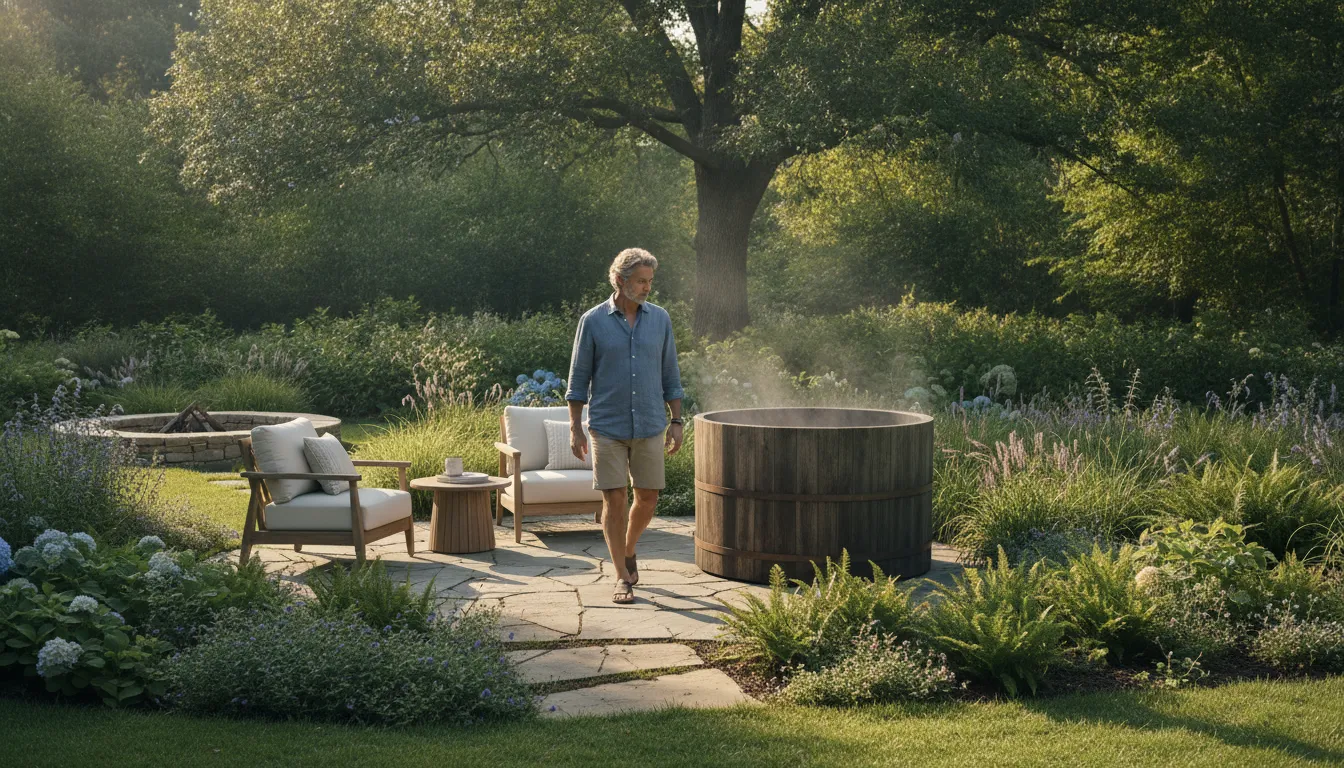
The layout of a HydroTherapy Zone focuses on two main pieces. First, you have a high-heat spot, like a Tylo sauna. These saunas use steam or infrared heat to warm your body. Second, the zone has a cold water system like a Vigor cold plunge. This setup lets you move easily between hot and cold cycles. A well-built zone makes this change smooth and private.
A Place for Contrast Therapy
The goal of this design is to support contrast therapy routines. This wellness practice means moving between heat and cold. Groups like the Cleveland Clinic note that cold water can help reduce muscle soreness. At the same time, heat may help improve blood flow and heart health. Having both tools in one spot makes it simple to follow these steps often.
Backyard Wellness Design
A HydroTherapy Zone is a full wellness space. It is built to work as one recovery area rather than a few separate items. This approach ensures that your sauna and cold plunge work together in one plan. In the Carolinas, these zones offer a year-round place for rest and body care. Designing this space with one partner helps you avoid the stress of many different builds.
The Science Behind Sauna and Cold Plunge Therapy
Sauna sessions are more than just a way to relax. When you sit in a high-heat Tylo sauna, your blood vessels open to help your blood flow. Experts at Johns Hopkins suggest that heat therapy can support heart health in ways like exercise, making it a strong tool for your daily health. This process can help you feel better and stronger over time.
Healing through heat
Heat also helps your mind find peace, making it a great way to let go of stress after a busy day in Charlotte. If you prefer a milder warmth, infrared saunas are a smart choice because they use lamps to heat your skin at once. This gives you many healing gains without the very high heat of a traditional room, so you can enjoy the ritual often. Many people find that these sessions melt away the tension of a long week.
Spending time in a sauna can also help you relax and feel calm. The deep heat helps to quiet the mind and let your body rest. This ritual can be a key part of your night routine to help you end the day well. It is a private space where you can let go of the noise of the world.
The role of cold immersion
Cold plunge therapy works in the other way, causing your blood vessels to get small when you step into a cold Vigor tub. This change helps to reduce swelling and muscle pain, and the Cleveland Clinic notes that cold water may help you heal faster. It is a fast way to cool down your body after a hot day in the Carolinas. You can feel the difference in your muscles almost right away.
Cold water can also help your brain feel more awake by boosting your focus and helping you stay sharp. Many people find that a cold soak helps them sleep better at night, so they stop tossing and turning. This makes a cold plunge a key part of a contrast therapy setup for your yard. It is a simple habit that leads to better rest and more energy for the next day.
Using the cold plunge can also help you feel more alert and ready for the day. The shock of the cold can clear your head and boost your mood. Many people use it in the morning to get a head start on their work. It is a natural way to wake up your senses and feel alive.
Creating a blood flow pump
The best results come when you use heat and cold together in a habit known as contrast therapy. Moving from the warm sauna to the cold plunge creates a pump effect as heat opens your vessels and cold closes them. This cycle moves blood through your body to help it heal, much like a gentle workout for your heart. It is a deep way to support your body without high-impact moves.
This simple pump may help your body move waste out and lower pain, making it a deep tool for your health ritual. Many local homeowners add these zones to their yards to support their well-being with a good outdoor HydroTherapy Zone design. It turns your backyard into a place for real healing and daily rest. Having this space at home makes it easy to keep up with your wellness goals all year long.
Designing Your HydroTherapy Zone: Layout and Space Planning
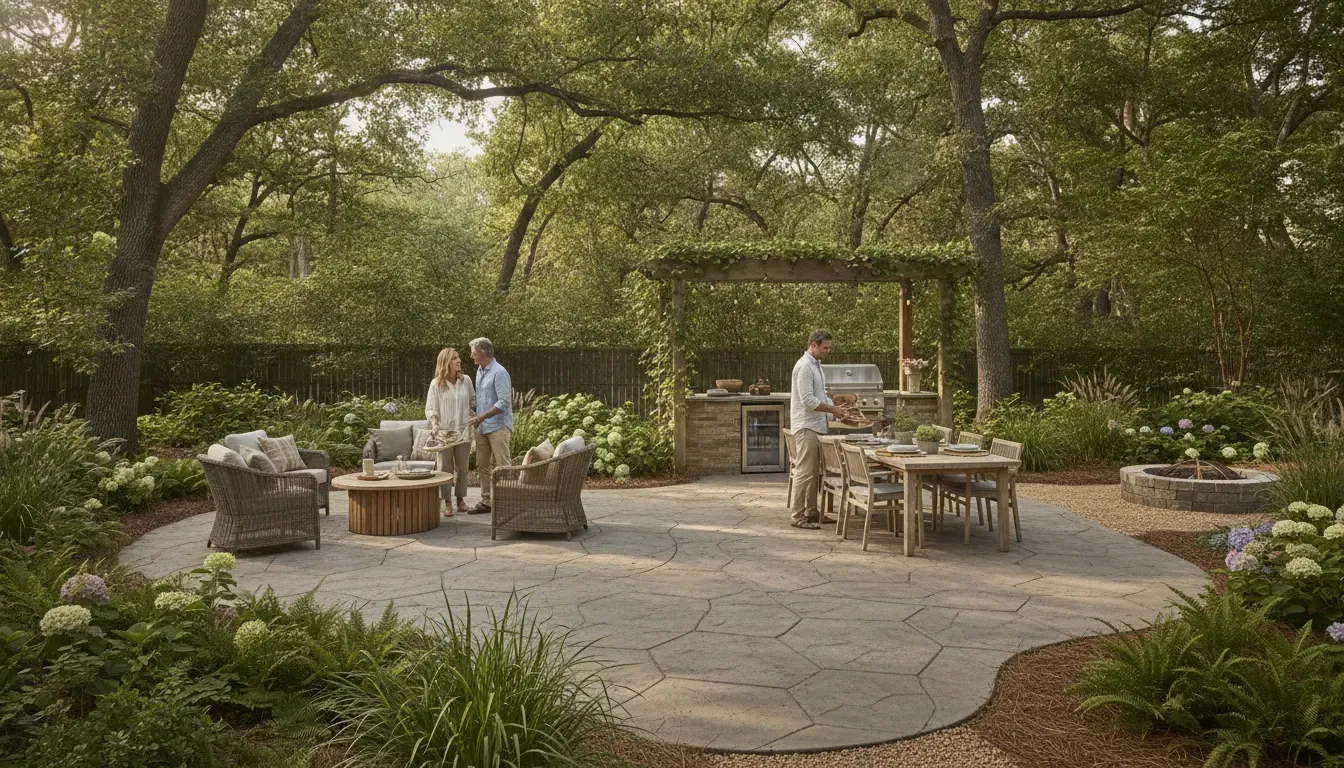
A great HydroTherapy Zone starts with a smart plan. You need a space that feels like a private retreat but works for daily use. Most backyard setups fit in a space as small as 12 by 16 feet. This size allows room for your sauna, a cold plunge, and a spot to rest. When you plan your outdoor HydroTherapy Zone design, think about how you will move through the space each day. A good layout makes your wellness habit feel easy and simple.
Planning for flow and function
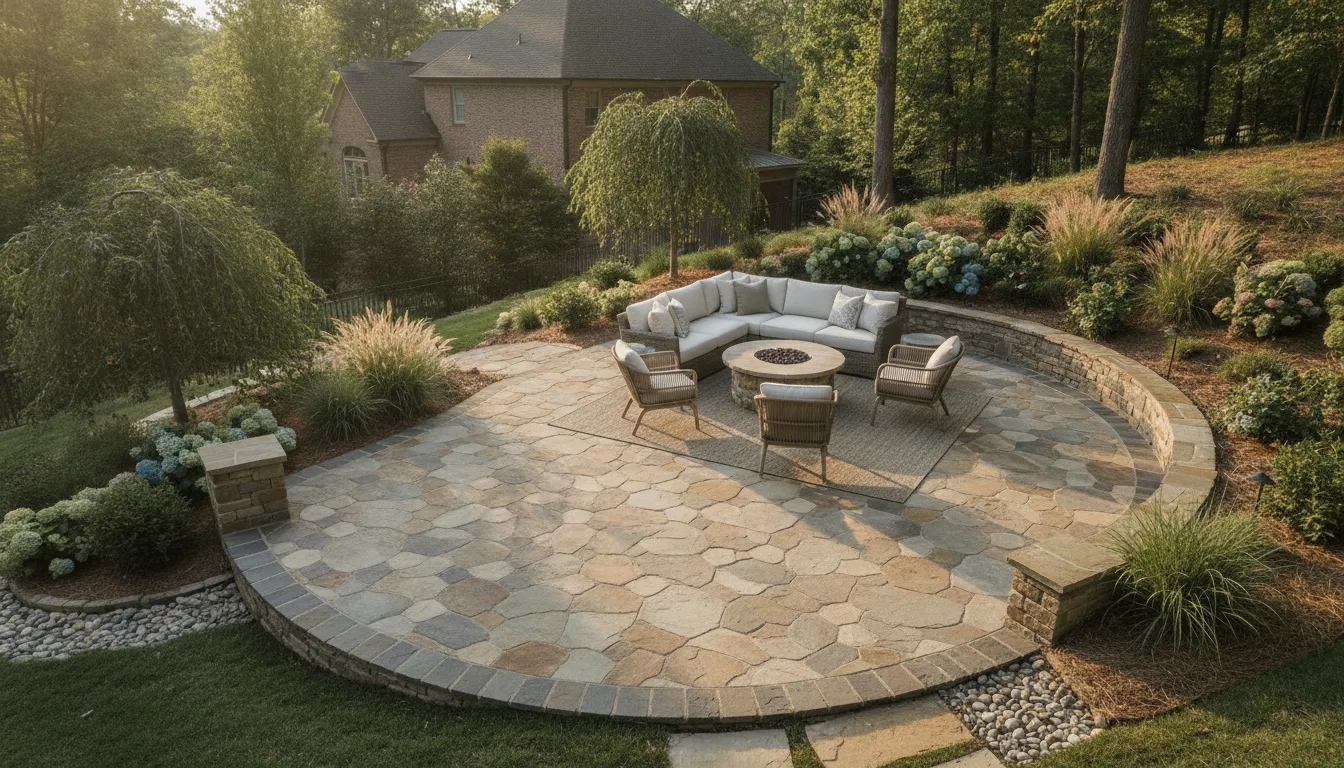
The path between your heat and cold sources should be short and safe. A well-designed zone makes it easy to move out of the sauna and into the water. This shift is a key part of the ritual. Many folks use decks, patios, or stone pavers to link the two units. These surfaces should be slip-resistant to keep you safe when you are wet.
Keeping the sauna and plunge close together helps you stick to your routine. Short walks mean you won’t lose focus during the sharp change in heat. Research from the Cleveland Clinic shows that cold immersion may help reduce muscle soreness and swelling. A tight layout makes this healing process feel smooth. It also helps you stay warm as you move between cycles in the cooler months.
Privacy and year-round use
Your wellness zone should feel like a private escape. We look for spots in your yard that offer privacy but still have great views. You can use fences, tall plants, or stone walls to block the view from neighbors. A good location also accounts for the path of the sun and wind. This helps your zone stay comfortable in every season. We want your space to feel quiet and private.
These spaces are built for year-round use in the Carolinas. We use tough parts that stand up to hot Charlotte summers and chilly winters. Adding a small roof or a pergola can protect your gear from the sun and rain. You might also add a fire pit or outdoor fireplace nearby. A warm fire gives you a place to rest and warm up between your hot and cold cycles. You can visit one of our showrooms in Matthews or Pineville to see these layouts in person.
Seeing your space with 3D design
It can be hard to see how a new project will look in your yard. That is why we use a special 3D design process. This tool lets you see the placement and flow of your zone before we start to build. You can check the sightlines and see how much room you have left for other features. It helps you see how the sauna and cold plunge fit with your current deck or pool.
The 3D plan helps us find the best spot for power and water lines. It also ensures the drainage is right, which is vital for any outdoor spa. By seeing the layout in 3D, you can make changes early and get the exact look you want. As a single-source partner, we handle the whole process from the first drawing to the final build. This step takes the guesswork out of the project and ensures you love the final result.
Product Selection: Tylo Saunas and Vigor Cold Plunge Systems
Choosing the right tools for your outdoor HydroTherapy Zone design starts with high quality brands. We use Tylo saunas and Vigor cold plunges to build a space that lasts. These brands offer the tech and style needed for a luxury recovery area in your backyard.
Traditional vs Infrared Saunas
Tylo offers two main ways to enjoy heat. Traditional saunas use rocks and water to create a hot, humid space. They reach high heat and offer a classic ritual. Infrared saunas use light to warm your body directly. According to the Cleveland Clinic, infrared units work at a lower heat but still give you helpful wellness benefits. This makes them a great pick for a gentle daily routine.
| Feature | Traditional Sauna | Infrared Sauna |
|---|---|---|
| Heat Type | Hot air and steam | Radiant light heat |
| Standard Temp | 170F to 195F | 120F to 150F |
| Warm Up Time | 30 to 45 minutes | 10 to 15 minutes |
| Power Needs | 220V dedicated line | Standard 110V/15A |
| Experience | Classic steam heat | Gentle, dry warmth |
Vigor Cold Plunge Features
A cold plunge is the heart of a contrast setup. Vigor systems make this easy with a plug and play design. You can set the water as low as 40F with a digital screen. These units also use UV-C light to keep the water clean. This tech helps you spend more time in the water and less time on care. You can find these systems at our showrooms in Charlotte and Rock Hill.
Building a Cohesive Zone
A good design links the heat and the cold. You need to plan for drainage and air flow to keep the site safe. When you use Tylo and Vigor together, the parts match in look and feel. This makes your backyard look like a single retreat rather than a mix of random gear. Our team helps you pick the best spot for these units to match your home.
Installation Essentials: Electrical, Plumbing, and Surface Prep
Planning an outdoor HydroTherapy Zone design starts with a solid base and the right power. You want your wellness space to work without a hitch. Most home setups need a pro to run new lines and prep the ground. Outdoor zones are often easier than indoor ones since they have better airflow and drainage. Working with a pro helps ensure your contrast therapy setup meets all local codes.
Power and water needs
Your heat and cold systems have different needs. A Tylo sauna usually needs a 220V hard-wired line for the heater. A cold plunge often uses a standard 110V GFCI outlet for its chiller. You also need to think about water. While you do not need a constant water line, being near a hose bib makes it easy to fill your plunge. Having a sloped surface helps when you need to change the water every few weeks.
Surface prep and site timing
A heavy spa or sauna needs a level surface to stay safe. A level concrete pad or a spa pad is the best choice for a sub-base. Most sauna kits arrive on a pallet and take five to six hours to build. An electrician usually needs another half-day to run the new power line. Planning these steps keeps your project on track and avoids big delays.
- Select the site. Choose a flat area with good drainage and privacy. Ensure it is close enough to your home to run power and water lines easily.
- Prep the base. Pour a level concrete pad or set up a sturdy spa pad. This prevents the heavy units from sinking or shifting over time.
- Run electrical lines. Hire a pro to run a 220V line for your Tylo sauna and a GFCI outlet for the Vigor cold plunge. Proper power is needed to support heat therapy safely.
- Plan for drainage. Make sure the surface slopes away from walls. Proper drainage and ventilation are key for any outdoor wellness space.
- Assemble the units. Set aside five to six hours for sauna assembly. Most cold plunges are ready to fill and use as soon as they have power.
- Final safety check. Test all plugs and breakers. Check that the sauna reaches full heat before you start your first new routine.
Getting your site ready is the key to long-term success. If you are not sure where to start, you can book a free home consultation for expert help. A pro can look at your yard and help you find the best spot for your new wellness zone.
Building Your Contrast Therapy Protocol
Creating a personal ritual is the key to getting the most from your outdoor HydroTherapy Zone design. This practice uses extreme changes in heat to challenge and refresh your body. By moving between a high-heat sauna and a cold immersion system, you can stimulate your blood flow and support muscle repair. The goal is to build a habit that fits your lifestyle and helps you manage daily stress.
Beginner routines for new users
If you are new to hot and cold cycles, start slowly to let your body adjust. A simple routine might include five minutes in a sauna set to a comfortable heat, followed by one minute in a cold plunge. You can repeat this cycle two times to start. Using a relaxing sauna ritual like this helps melt away stress after a long day without overtaxing your system. Focus on deep breaths and drink plenty of water throughout the process.
Intermediate and advanced levels
As you become more used to the shift in heat, you can increase your time in both areas. Many regular users spend about ten to fifteen minutes in a sauna at 180 to 200 degrees. They then follow this with two to three minutes in a cold tank. Some people find that using these tools every other day provides the best balance for their wellness needs. This level of exposure may increase your alertness and help reduce muscle soreness after a hard workout.
Finding your daily wellness rhythm
The most effective plan is the one you can follow every day. A dedicated backyard space provides a quiet retreat for these daily well-being rituals. Whether you prefer a quick morning plunge to wake up or a long evening sauna to wind down, keep your focus on how you feel. A steady habit matters more than how hard you push. Over time, these sessions will become a natural part of your health routine that supports both body repair and mental clarity.
Frequently Asked Questions
How much space is needed for an outdoor HydroTherapy Zone?
Building an outdoor HydroTherapy Zone often needs a set space in your backyard. Most people find that a space of about 12 by 16 feet is enough to fit a sauna and a cold plunge tub. This size allows you to move between the units safely and leaves room for water to drain. As stated by Fun Outdoor Living, planning your space early helps make sure your health area is easy to use.
How long does it take to set up a sauna and cold plunge in a backyard?
The time needed to set up your new gear depends on your site work. Most sauna kits can be put together in about five to six hours. You will also need about half a day for a pro to finish the power work. Making the ground level with a stone pad or a deck may take a few more days. Good planning makes sure that your new setup is safe and ready for your first use without any wait.
Can you use an outdoor HydroTherapy Zone in the winter?
Yes, you can use your sauna and cold plunge during the cold winter months. Many people enjoy heat and cold therapy more when the air is chilly outside. High-quality saunas are built to hold heat even in very cold weather. Cold plunge tubs like those from Vigor have parts to keep the water from turning into ice. As stated by Fun Outdoor Living, these zones are built for use in your backyard all year long.
Do you need a special power setup for a backyard sauna?
Most heat saunas need a 220 volt power line to work the right way. This is the same type of power used by a large dryer or an oven. You will need a pro to run a set line from your main power box to the sauna. Using the right power helps your heater get to the high heat needed for a good session. Proper power planning is a key step to keep your backyard health zone safe and ready to use.
Are you ready to design your own outdoor HydroTherapy Zone?
Staying in your routine without a wellness zone means you continue to deal with slow healing and the high stress of a busy life. Each day you wait is another day you lose to the cycle of mental fatigue and physical soreness that keeps you from feeling your best. By starting your project now, you can beat the rush and make sure your new sauna and plunge are ready for the next season. You will soon enjoy a private spot to recharge and find total peace without ever having to leave your house. Our local team handles every step from the first drawing to the final setup so you do not have to worry about the work. We use our experience to build a space that fits your backyard and lasts for a long time in the local climate.
Ready to start? Talk to a designer to book a free home consultation to design your custom HydroTherapy Zone.