An online calculator can’t account for the realities of building in the Carolinas. From our rolling hills and dense clay soil to specific local permitting, many factors shape the final numbers. A true understanding of the backyard renovation cost charlotte nc comes from local, hands-on experience. We’ve seen what works here, what lasts, and what homeowners wish they had known from the start. This article breaks down the costs based on our experience building projects right here in your community. Think of it as a transparent guide to help you plan with confidence, free from surprises.
Key Takeaways
- Define the feeling, not just the features: A realistic budget starts by deciding how you want to live outdoors—whether for quiet relaxation or family gatherings—which ensures your investment directly supports your daily life.
- Account for the foundational work: The most common budget surprises come from site preparation like grading, drainage, and demolition. A trustworthy estimate always plans for this unseen work, ensuring your new space is built to last.
- Build your project in phases: You don’t have to build everything at once. A phased approach allows you to create your ideal backyard over time, aligning a grand vision with a more manageable, year-to-year investment.
How Much Does a Backyard Renovation Cost in Charlotte?
The cost of a backyard renovation in the Carolinas isn’t a single number—it’s a reflection of your vision. For some, it’s about refreshing the landscape for a cleaner look. For others, it’s about creating a complete outdoor ecosystem for wellness, dining, and relaxation. The right budget depends entirely on how you want your daily life to feel.
In our experience designing and building backyards here, projects tend to fall into three general investment levels. These ranges aren’t rigid rules, but they can help you understand what’s possible and begin to shape your priorities. Think of them as starting points for a conversation about how you want to live outdoors.
Basic Updates: $8,000–$15,000
This budget is perfect for enhancing the foundation of your yard. It typically covers essential improvements like clearing overgrown areas, grading the land for better drainage, and refreshing the landscape with new sod, mulch, and plantings. For many homeowners, this investment is about creating a clean, beautiful canvas. It might also include a simple, well-built walkway or a small area of outdoor pavers to define a space for a couple of chairs, making the yard more intentional and inviting.
Mid-Range Transformations: $20,000–$30,000
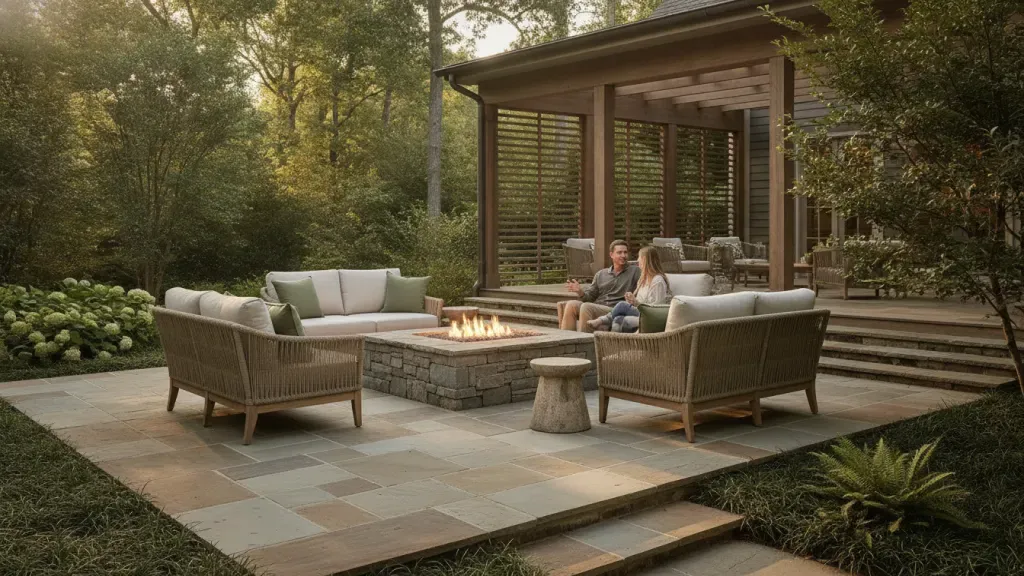
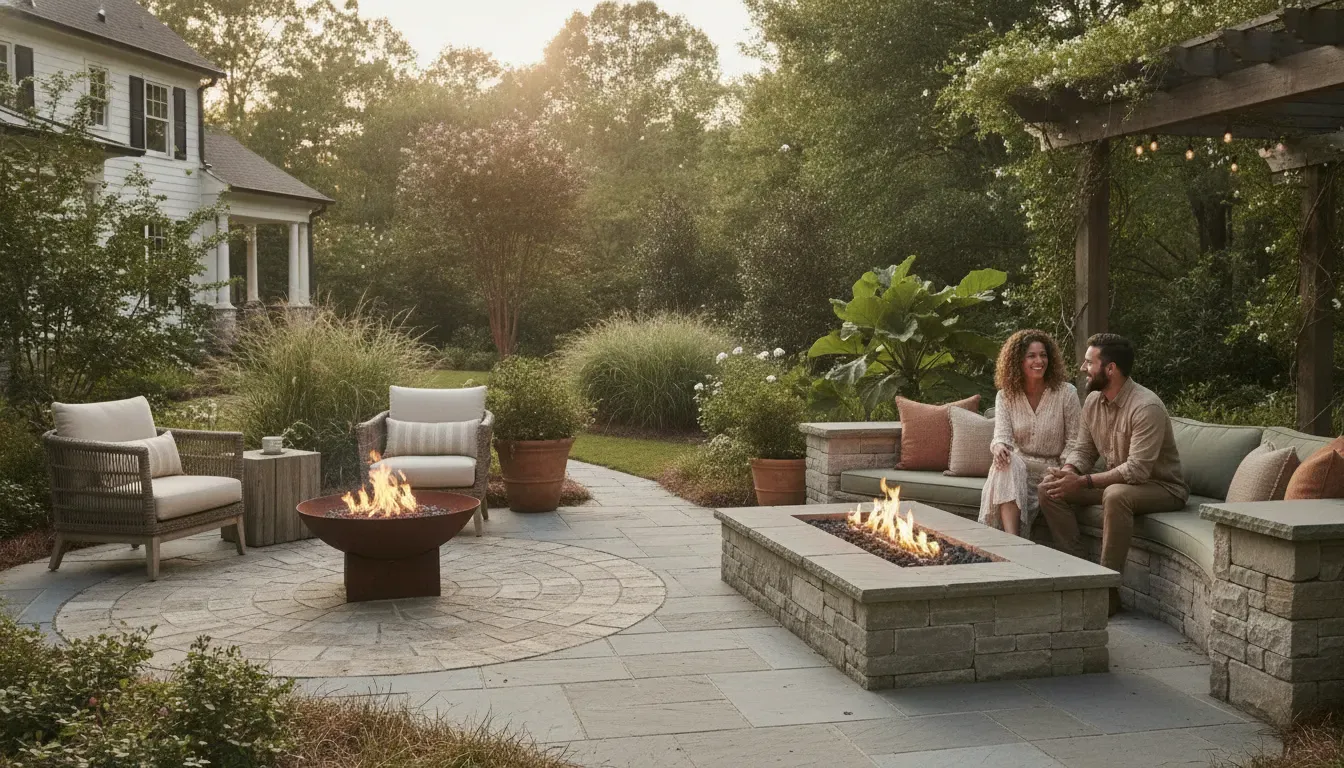
At this level, your backyard starts to become a true living area. This budget allows for adding a central feature that encourages gathering and creates a routine. You could build a spacious paver patio designed for outdoor dining, or install a dedicated gas fire pit that becomes the go-to spot for evening conversations. This is where function and lifestyle really connect, transforming an empty lawn into a destination for family and friends. It’s less about simple updates and more about adding a permanent, valuable extension to your home.
High-End Custom Builds: $45,000–$75,000+
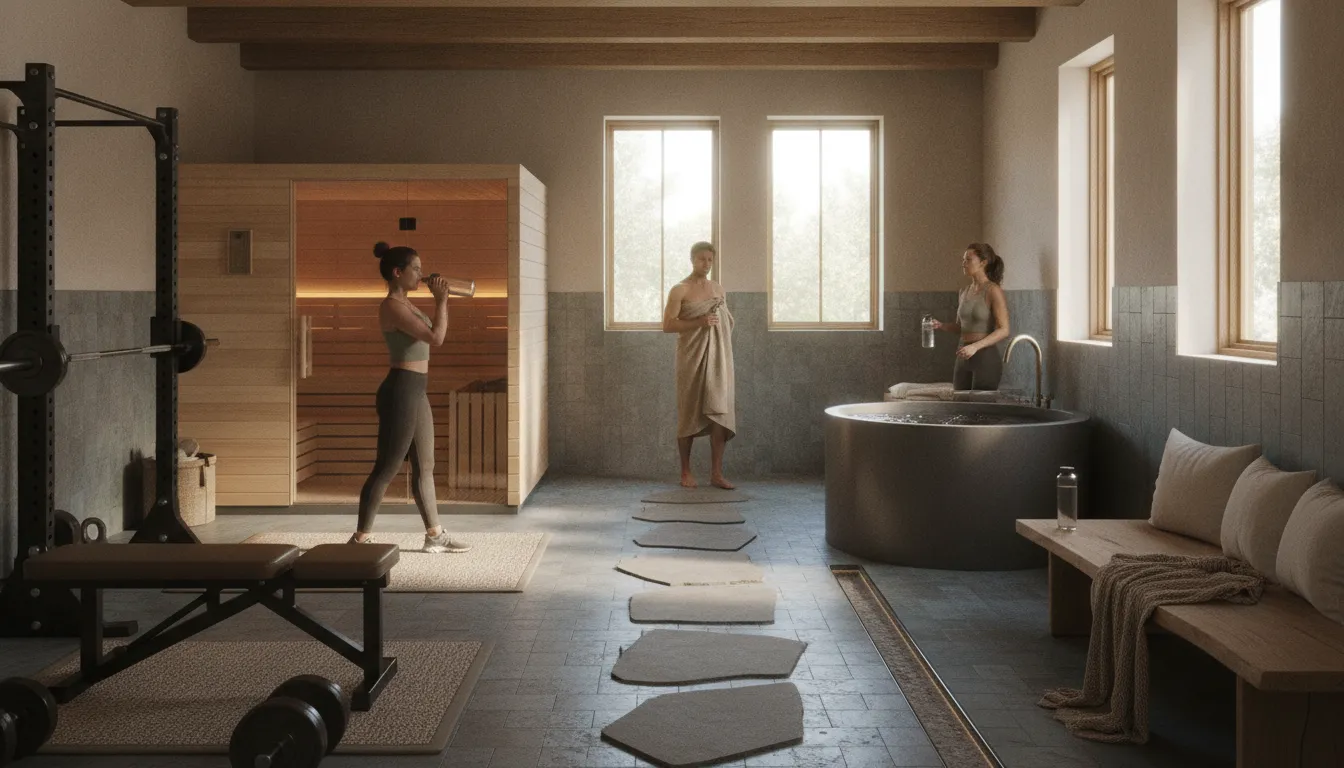
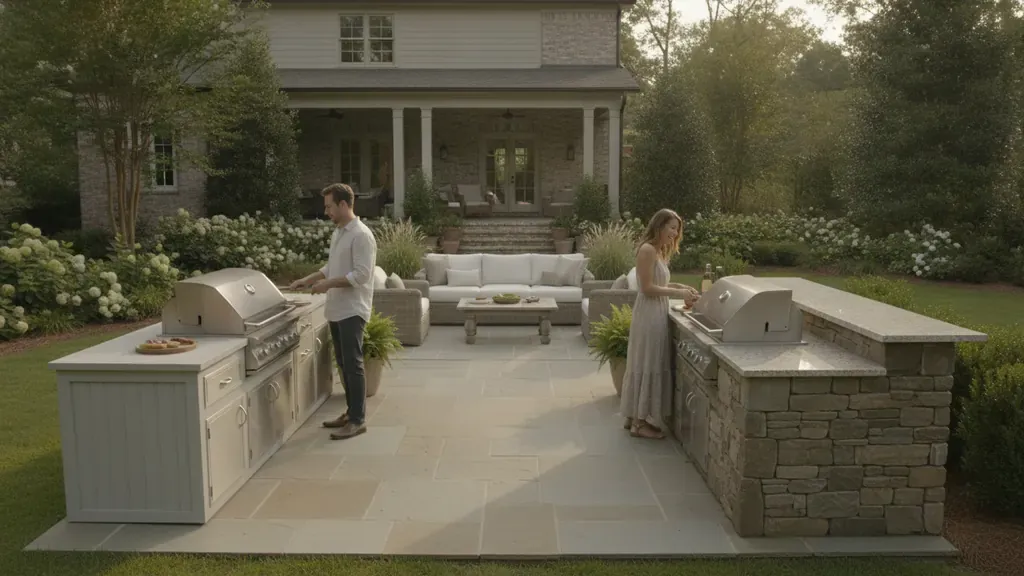
For a fully integrated outdoor environment, budgets typically start around $45,000 and can go well beyond $75,000. This investment creates a seamless flow from your indoor to your outdoor life. Think of a complete outdoor kitchen under a custom pergola, a multi-level deck with a built-in Hot Spring® spa, or a dedicated wellness zone with a sauna and cold plunge. These projects are comprehensive, often involving detailed design, complex construction, and multiple features working in harmony. This is how you build a true backyard sanctuary, tailored to your daily rituals for entertainment, health, and connection.
What Drives the Cost of a Backyard Project?
Understanding the cost of a backyard project isn’t about finding a single magic number. It’s about knowing which decisions have the biggest impact on your budget. Pricing isn’t arbitrary—it’s a direct reflection of the size of your space, the condition of your property, the materials you select, and the complexity of your vision.
In our experience building backyards across the Carolinas, we’ve found that homeowners feel most confident when they understand these trade-offs from the start. When you know what drives the cost, you can make choices that align with how you want to live outdoors, ensuring your investment feels right for years to come. Let’s walk through the five key factors that shape the final price.
Your Property’s Size and Layout
The most straightforward cost factor is the scale of your project. A larger patio requires more materials and more labor to install than a smaller one. But it’s not just about square footage. The existing layout of your yard plays a significant role, too. A long, narrow space might call for a different design approach than a wide, open yard, which can influence everything from material selection to installation methods. The goal is to create a design that feels natural and functional within your property’s unique footprint, and that scale directly ties to the overall budget.
Site Prep and Existing Conditions
What’s happening on your property before we ever break ground is one of the most critical cost drivers. Preparing the site is the foundational work that ensures your new outdoor space will last. This can include demolishing and removing an old concrete slab, clearing trees, or grading the land to ensure proper drainage. For many homeowners in our area, managing slopes with retaining walls is a common necessity. This behind-the-scenes work isn’t the most glamorous part of the project, but it’s essential for a stable, durable, and beautiful result. Properly addressing these existing conditions prevents costly problems down the road.
The Materials You Choose
Your choice of materials affects both the upfront cost and the long-term enjoyment of your space. For example, a pressure-treated wood deck may have a lower initial price point, but it requires regular staining and maintenance. Composite decking, on the other hand, costs more at first but saves you time and money on upkeep over the years. The same principle applies to outdoor pavers versus natural stone or a simple grill versus a fully integrated outdoor kitchen. We help homeowners weigh these options not just on price, but on lifestyle—how much time do you want to spend on maintenance versus simply enjoying your backyard?
Design Complexity and Custom Details
A simple, elegant paver patio will naturally have a different budget than a multi-level deck with a built-in pergola, custom lighting, and an outdoor fireplace. The more custom details and unique features you include, the more the cost will reflect that craftsmanship. Elements like built-in seating, complex stone patterns, or integrating utilities for an outdoor kitchen require specialized labor and more intricate planning. A thoughtful design is always worth it, but it’s important to recognize that complexity and custom work are significant factors in the final budget. A simpler design using high-quality materials often provides better long-term value than an overly complex one that compromises on quality.
Local Labor and Permitting
Bringing a backyard vision to life requires skilled professionals and adherence to local building codes. The cost of labor reflects the expertise needed to ensure every element is installed safely and correctly, from the foundation of a deck to the gas line for a fire pit. Additionally, many projects require permits from your local municipality to ensure they meet safety and zoning standards. Working with an experienced, licensed team means these details are managed for you. This not only protects your investment but also gives you peace of mind that your new space is built to last.
Breaking Down Costs by Popular Features
Every backyard project is a collection of individual choices. Understanding the typical investment for each popular feature helps you prioritize what matters most for your home and lifestyle. In our experience building backyards across the Carolinas, these are the elements homeowners ask about most often, along with the factors that shape their cost.
Patios and Decks
A patio or deck is the foundation of your outdoor living space—it’s the stage where everything else happens. For homeowners here, this often means choosing between the timeless look of natural stone or concrete pavers and the low-maintenance appeal of modern composite decking. The cost is primarily driven by square footage and material choice. A simple ground-level paver patio will have a different budget than a multi-level composite deck with integrated lighting and railings. Site preparation, like grading for proper drainage, also plays a significant role in the final investment for your home’s new patios and decks.
Hot Tubs and Wellness Zones
Creating a personal sanctuary for health and relaxation is a common goal for many homeowners we meet. This can range from a standalone therapeutic hot tub to a complete contrast therapy zone with a sauna and cold plunge. The cost for a Hot Spring® Spa depends on the model, size, and features. For a full wellness zone, the investment includes the individual units plus the surrounding deck or patio, electrical work, and any privacy screening needed to create a true retreat. These spaces are less about luxury and more about building daily rituals for recovery, stress relief, and better sleep.
Outdoor Kitchens
In the Carolinas, an outdoor kitchen quickly becomes the heart of the home for much of the year. The investment can vary widely, from a simple built-in grill station to a fully equipped kitchen with a refrigerator, sink, and storage. The main cost drivers are the quality of the appliances you select, the linear feet of counter space, and the materials used for the structure, such as stone or brick. For many, an outdoor kitchen is about creating a more seamless way to entertain, keeping the host connected with guests instead of being stuck inside.
Fire Pits and Fireplaces
A fire feature extends the use of your backyard into cooler evenings and seasons, creating a natural and inviting gathering spot. A simple wood-burning fire pit is an accessible starting point, while a custom-built gas fireplace becomes a stunning architectural anchor for your patio. The cost is influenced by size, fuel type (gas versus wood), and the complexity of the masonry work. We’ve found that adding a fire feature is one of the most effective ways to encourage more time spent outdoors, turning a quiet evening into a memorable conversation with family and friends.
Landscaping and Pavers
Softscaping and hardscaping are the finishing touches that tie your entire backyard together. This includes everything from planting beds and privacy hedges to the stone or paver walkways that connect different zones. The cost depends on the maturity and type of plants chosen, the amount of ground preparation required, and the square footage of hardscaping. While it can seem like a final detail, professional landscaping is what makes a designed space feel truly integrated with your home and the surrounding environment. It’s the element that softens the edges and brings the entire vision to life.
What Unexpected Costs Should You Plan For?
A well-planned budget is the foundation of a stress-free renovation. But the final cost of a project isn’t just about the features you can see; it’s also about the work required to prepare the canvas. In our experience building backyards across the Carolinas, these “unexpected” costs are often predictable variables that a seasoned team plans for from the beginning. Understanding them upfront helps you make more confident decisions and ensures there are no surprises down the road.
The most important step is a thorough site evaluation. It’s far easier and less expensive to adjust a drawing than it is to move a retaining wall or re-run a utility line. A detailed design consultation allows us to walk your property, identify potential challenges, and build these considerations directly into your project plan. This transparency is key to creating a realistic budget that aligns with your vision and the unique conditions of your home.
Permits and Inspections
Many backyard projects, especially those involving electrical, gas, or structural changes like decks and pergolas, require permits from your local municipality. The costs and requirements can vary between Charlotte, Rock Hill, and other local areas. While it might seem like an extra step, the permitting process ensures your project is built to current safety codes, protecting your family and your investment. An experienced local builder will be familiar with these regulations and can manage the entire submission and inspection process for you, ensuring everything is done correctly from the start.
Connecting Utilities
Features like a hot tub, an outdoor kitchen, or a gas fire pit need power, water, or natural gas to function. The cost to connect these utilities depends on how far they need to run from your home’s existing hookups and the complexity of the installation. Trenching across a large yard or navigating established landscaping requires more labor than a simple connection near the house. This is specialized work that must be handled by licensed professionals to ensure safety and reliability for years to come.
Site Access and Demolition
Before the new can be built, the old often has to go. Removing an old concrete slab, a worn-out deck, or large tree stumps can add to the initial project cost. Another factor we always assess is site access. If your backyard is hard to reach with equipment, requiring materials to be moved by hand through a narrow side yard, it can increase labor time. We’ve seen it all in Carolina yards, and planning for these demolition and prep stages is a critical part of an accurate estimate.
Managing Slopes and Drainage
The rolling hills of the Carolinas are beautiful, but sloped yards require careful planning. Proper grading and drainage are essential to prevent water from pooling around your patio or foundation. In some cases, a retaining wall may be needed to create a level, usable space for your new features. While this adds to the cost, it’s a crucial investment in the longevity and stability of your entire outdoor environment. A well-designed plan works with your property’s natural landscape, not against it.
Material Delivery and Storage
The logistics of getting materials to your home are another small but important budget item. Heavy items like stone, pavers, and large appliances have delivery fees associated with them. A large feature like an Endless Pools® swim spa may even require a crane for placement. Your project plan should also account for a designated, safe place on your property to store materials during construction, protecting both the supplies and your existing landscape from damage.
How to Create a Realistic Backyard Budget
A budget isn’t about limiting your vision; it’s about bringing it to life with confidence. Knowing your numbers ahead of time removes stress from the process and allows you to focus on what truly matters: creating a space you’ll love for years to come. In our experience serving homeowners across the Carolinas, the most successful projects begin with a clear, thoughtful financial plan. It’s the foundation for making smart decisions, avoiding surprises, and ensuring the final result matches your initial dream.
Thinking through your budget is less about spreadsheets and more about aligning your investment with your lifestyle. It helps you distinguish between a “nice-to-have” and a “must-have,” ensuring that every dollar contributes to the daily moments of joy, relaxation, or connection you’re hoping to create. Whether you’re planning a simple patio update or a complete backyard ecosystem with a spa and outdoor kitchen, a realistic budget is the most valuable tool you have. It empowers you to move forward with clarity and excitement. Here’s how to build a budget that works for your home and your goals.
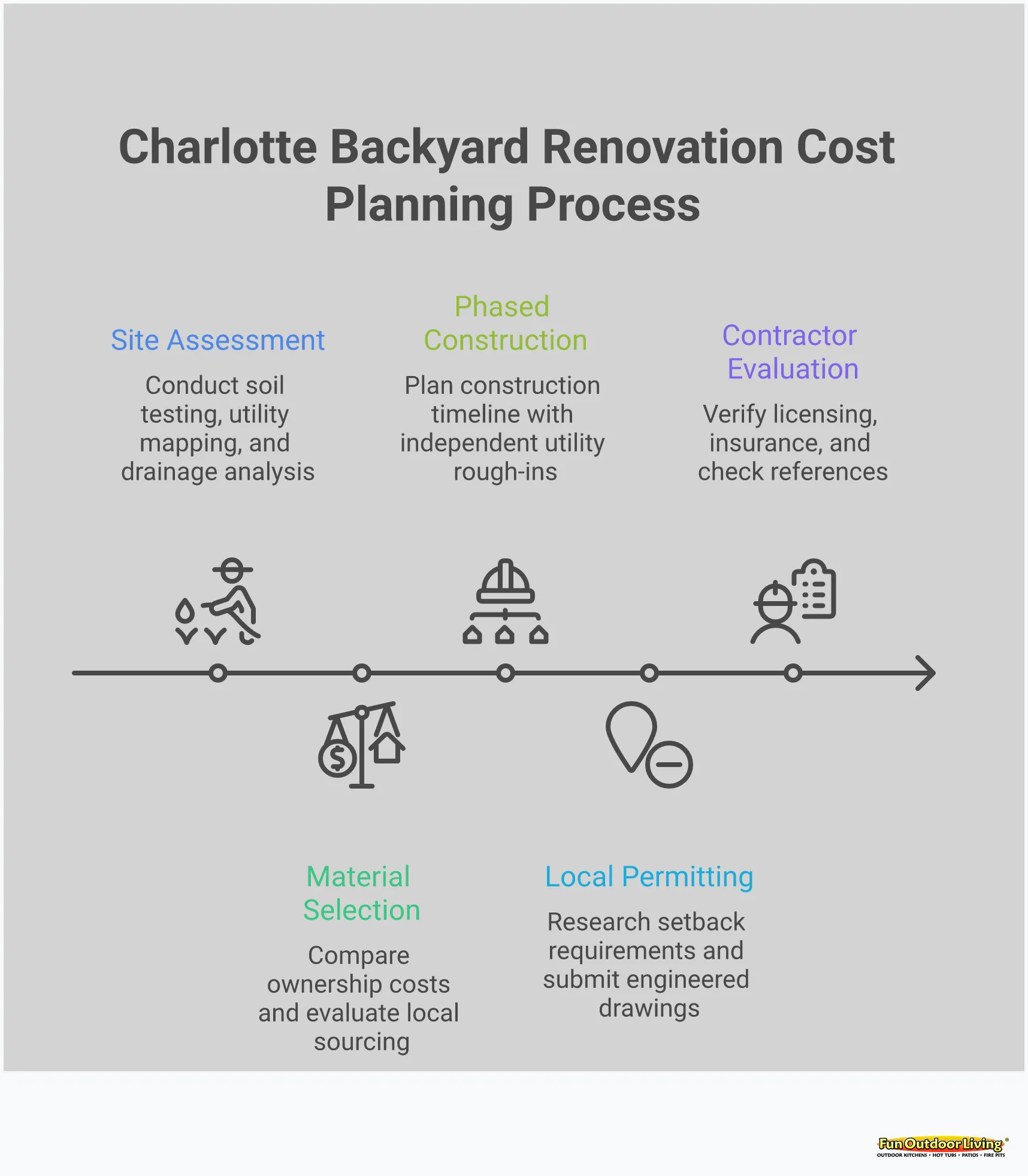
Define Your Priorities First
Before you think about specific products, think about the feeling you want to create. Is this a quiet retreat for morning coffee? A lively hub for family dinners? A personal wellness zone for recovery and relaxation? Your answer will guide every decision. Decide what parts of the renovation are most important to you and plan to do those first. If your main goal is stress relief, the hot tub and deck should be the priority. If it’s about hosting friends, the patio and outdoor kitchen come first. By focusing on the core experience, you ensure your investment directly supports the lifestyle you envision.
Set Aside a Contingency Fund (15-20%)
Even with the best planning, unexpected things can happen during a construction project. We’ve seen it all—from hitting a patch of dense Carolina clay during excavation to discovering old, unmarked utility lines. A contingency fund isn’t a sign of a poor plan; it’s a feature of a smart one. Setting aside 15% to 20% of your total budget gives you the flexibility to handle these surprises without derailing your project or making a last-minute compromise. It’s much easier and cheaper to adjust a plan on paper than to make changes after the work has begun. This fund is your peace of mind, ensuring a small hiccup doesn’t turn into a major roadblock.
Consider a Phased Approach
A full backyard transformation doesn’t have to happen all at once. You can break your project into smaller, more manageable phases to spread out the investment over time. This strategy allows you to start enjoying your space sooner while saving for the next step. For example, Phase One could be installing the foundational paver patio and running the electrical for a future spa. Phase Two could be adding the hot tub and a pergola. Phase Three could complete the vision with an outdoor kitchen. A phased approach makes a grand vision more accessible and is something our designers can help you map out during a free home consultation.
Explore Your Financing Options
Using a loan to fund your project can be a strategic way to get the backyard you truly want without depleting your savings or waiting years to get started. Many homeowners use this tool to spread out the cost, allowing them to invest in higher-quality materials and features that will provide more enjoyment and value in the long run. Instead of cutting corners to meet a cash budget, you can complete the project correctly from the start. We offer several flexible financing options, including 0% APR plans, to help make your ideal outdoor living space a reality on a timeline that works for you.
Common Budgeting Mistakes to Avoid
A thoughtful budget is the foundation of a successful backyard project. It’s not just about the final number; it’s about creating a plan that aligns with your priorities and eliminates surprises along the way. In our experience designing and building outdoor spaces across the Carolinas, we’ve seen a few common missteps that can add stress and unexpected costs to a renovation.
The goal isn’t to spend less, but to spend smarter—investing in the areas that will bring you the most joy and function for years to come. By understanding these potential pitfalls ahead of time, you can approach your project with clarity and confidence, ensuring the process feels as good as the final result. A well-planned budget protects your investment and allows you to focus on what truly matters: creating a space you love.
Underestimating Site Prep
What lies beneath the surface of your yard has a significant impact on the final cost of your project. It’s easy to focus on the beautiful features you’ll see and use every day, but preparing the site is a critical first step. This can include grading the land to ensure proper drainage, demolishing an old concrete patio, or building retaining walls to manage a slope. These foundational tasks are often the most expensive parts of a renovation. Overlooking them in your initial budget can lead to costly change orders and delays down the road. A thorough site assessment is essential for a realistic financial plan.
Choosing Materials on Price Alone
The initial price tag of a material only tells part of its story. While a lower-cost option might seem like a smart way to save money, it’s important to consider the long-term commitment to maintenance and durability. Some materials, like composite decking or certain paver stones, may have a higher upfront cost but save you significant time and money on upkeep over the years. This trade-off is about more than just your budget; it’s about your lifestyle. Choosing low-maintenance materials means less time spent on chores and more time relaxing, entertaining, and enjoying your new outdoor space.
Skipping the Professional Design Phase
A detailed design plan is one of the most valuable investments you can make in your backyard renovation. It serves as a roadmap for the entire project, ensuring every element works together cohesively and meets your family’s needs. Trying to design as you go often leads to expensive mistakes. It’s far easier and cheaper to move a line on a drawing than it is to move a newly built wall or patio. A professional 3D design consultation helps you visualize the final outcome, make confident decisions, and prevent the kind of costly revisions that can derail a budget and timeline.
Forgetting About Weather and Timelines
Building an outdoor living space means working with the seasons. Here in the Carolinas, weather can be unpredictable, and it’s wise to build some flexibility into your project timeline. Rushing to meet an unrealistic deadline can lead to hurried decisions and increased labor costs. A more relaxed and strategic approach is to consider building your project in phases. This allows you to spread the cost over time, adapt to any unforeseen delays, and ensure each stage is completed to the highest standard. This measured approach reduces financial pressure and often results in a more thoughtful, well-executed space.
How to Get an Accurate Estimate for Your Home
An online calculator can give you a ballpark figure, but a true estimate comes from a real conversation about your specific property and goals. The most confident decisions are built on clear, transparent pricing from a team that understands your vision. Here’s how to approach the process.
Why to Partner with a Local Expert
Every backyard in the Carolinas has its own unique conditions—from the red clay soil to the specific neighborhood permitting rules. A generic quote won’t account for these local realities. Partnering with a local expert provides invaluable insights tailored to your specific area. Because we design and build here, we can anticipate challenges and opportunities that others might miss, ensuring your project is planned correctly from the start. A thoughtful consultation is less about a sales pitch and more about a collaborative plan for your home. It’s the first step toward getting an estimate you can actually trust.
How to Compare Different Quotes
When you receive multiple quotes, it’s tempting to compare the bottom-line numbers. However, the real story is in the details. Many factors affect the final cost, including the size of the project, the quality of materials, and the scope of site preparation. A lower bid might not include essential groundwork like grading or demolition, leading to surprise costs later. Look for a detailed breakdown of what’s included—from labor and materials to warranties and service. The goal isn’t just to find the lowest price, but to understand the long-term value and peace of mind that come with a comprehensive, well-planned project.
Thinking Through Timelines and Seasons
A complete backyard transformation doesn’t have to happen all at once. Breaking your project into smaller, manageable phases can be a practical way to align your vision with your budget. This approach allows you to build your dream space over time, perhaps starting with a foundational patio and adding an outdoor kitchen or fire pit the following year. A local partner can help you create a master plan that feels cohesive, even when built in stages. They can also advise on the best times for construction in our region, taking advantage of seasonal opportunities to ensure the work is done efficiently and correctly.
Key Questions to Ask During Your Consultation
A productive consultation starts with your vision. Before the meeting, create a list of the features you want, from specific hardscaping and lighting to a wellness zone with a hot tub or sauna. During the conversation, don’t hesitate to ask detailed questions that go beyond the surface. Inquire about what’s included in site prep, how utility connections are handled, and what potential challenges they see with your property. It’s also important to ask about additional costs for things like demolition or significant grading. A trustworthy partner will welcome these questions and provide clear, honest answers, helping you feel confident in the path forward.
Related Articles
- The Cost of a Backyard Renovation: What to Expect
- How to Budget for Your Backyard Renovation
- The Biggest Backyard Renovation Mistakes (And How to Avoid Them)
- How to Plan Your Backyard Renovation: A Step-by-Step Guide
- Backyard Renovation Process: What to Expect from Consultation to Completion
Frequently Asked Questions
How long does a typical backyard renovation take? The timeline for a project depends entirely on its scope. A straightforward paver patio might take a couple of weeks, while a comprehensive build with a deck, outdoor kitchen, and spa can take several weeks or more. Factors like weather, permitting approvals, and the complexity of the design all play a role. A clear plan, established during the design phase, is the best tool for creating a realistic schedule.
Is it better to complete a project all at once or in phases? Neither approach is better; they simply serve different goals. Completing a project in a single phase is often more efficient and minimizes disruption to your home life. However, a phased approach can be a practical way to align a grand vision with your current budget, allowing you to build your dream space over time. We can help you design a master plan that feels complete even when it’s built in logical stages.
Will a backyard renovation increase my home’s value? While a thoughtfully designed outdoor space often adds financial value to a home, we encourage homeowners to focus on the lifestyle value first. The daily return you get from a space that reduces stress, brings family together, or supports your wellness is immeasurable. The most successful projects are the ones that make your life at home feel better every single day.
Do you handle the necessary permits and inspections? Yes, we manage the entire permitting and inspection process from start to finish. Navigating local building codes can be a significant source of stress for homeowners, so we handle it for you. Our team ensures every part of your project is built to meet safety and structural standards, giving you confidence that your new space is sound and secure.
What is the first step if I’m just starting to think about a project? The best first step is to simply think about how you want to use your space. Consider your daily routines and what moments you’d like to create outdoors—whether it’s quiet morning coffee, lively family dinners, or a private wellness retreat. When you’re ready, the next step is a simple conversation. We can help you understand what’s possible for your home and answer your questions without any pressure.