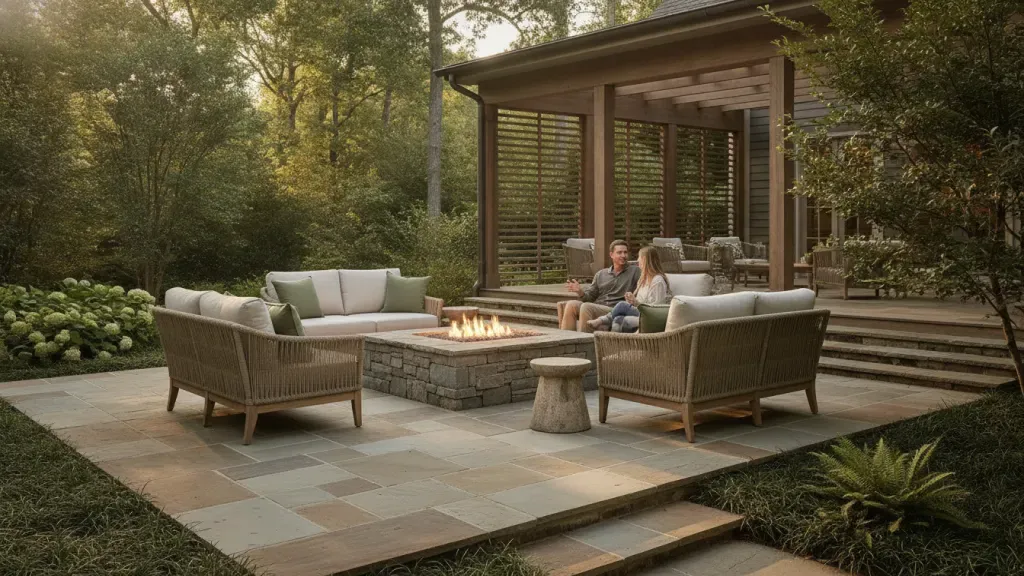
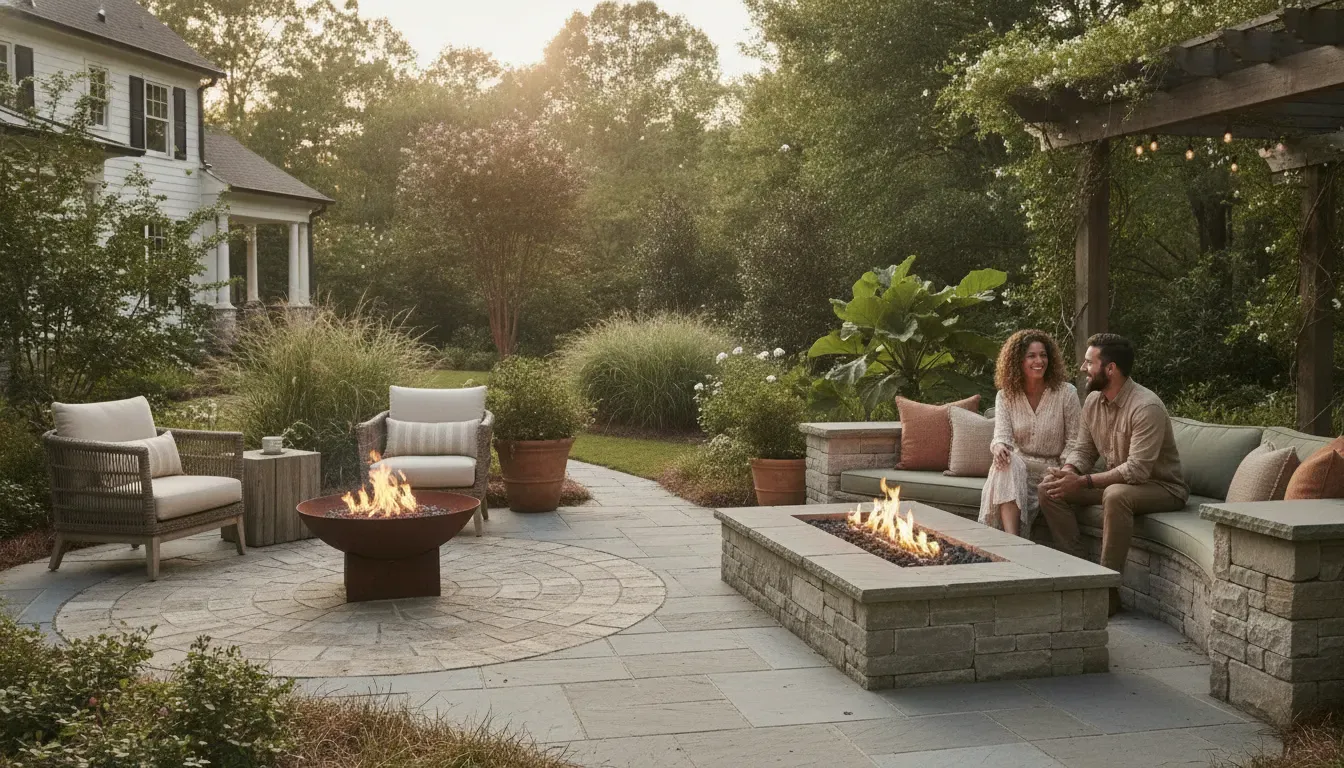
You know you want a fire pit, but the options feel overwhelming. Pre-built models might not fit your patio’s dimensions, and the styles can feel generic. The solution is to build a fire feature that’s perfectly tailored to your space, and a natural gas fire pit burner kit makes that possible. This system gives you complete control over the final design, allowing you to create a seamless look that integrates with your existing outdoor living area. This article is your roadmap to the process. We’ll break down everything you need to know, from burner shapes and fire media to control systems, so you can confidently plan a custom fire pit that is uniquely yours.
Key Takeaways
- Start with Safety and Scale: Your fire pit’s performance begins with choosing a certified burner kit that includes an automatic gas shut-off. From there, match the BTU output to your patio size to create a warm, proportional gathering spot instead of an overwhelming flame.
- Invest in Materials That Last: The durability of your fire feature comes down to its core components. Select a burner made from high-quality stainless steel to withstand the elements, then personalize the look with different burner shapes and fire media.
- Leave Gas Line Installation to the Experts: While building the fire pit structure can be a DIY project, connecting a natural gas line requires a licensed professional. This ensures all connections are leak-free and your installation meets safety codes for total peace of mind.
What is a Natural Gas Fire Pit Kit?
Think of a natural gas fire pit kit as the heart and soul of your custom fire feature. It’s the complete system—the burner, connections, and controls—that allows you to safely generate a beautiful, consistent flame. These kits are the perfect solution for building a fire pit from scratch that perfectly matches your backyard’s aesthetic, whether it’s a rustic stone circle or a sleek, modern fire table. Instead of a one-size-fits-all unit, a burner kit gives you the creative freedom to design a gathering spot that is uniquely yours.
Natural Gas vs. Propane
The first big decision you’ll make is your fuel source. While propane is portable, natural gas offers unmatched convenience. A natural gas line runs directly from your home, providing an endless fuel supply. That means no more running out of propane mid-party or hauling heavy tanks back and forth. It’s a seamless, integrated solution for effortless entertaining. It’s important to know that propane and natural gas require different components and are not interchangeable. Choosing the right burner for your fuel type is a critical first step for both performance and safety.
Key Components of a Burner Kit
A good burner kit bundles all the essential hardware you need for a successful installation. These kits are designed to help you build or upgrade outdoor fire pits, fire tables, or even an outdoor fireplace. Inside, you’ll typically find the burner itself (the ring or pan where flames emerge), a pan to house the burner and your fire media like glass or lava rock, and all the necessary valves and connections. Many also include an ignition system, which can range from a simple push-button starter to a remote-controlled electronic system for ultimate ease of use.
Safety Certifications to Look For
When you’re dealing with fire and gas, safety is non-negotiable. That’s why you should only consider burner kits that have been rigorously tested and certified by a recognized organization like CSA Group (CSA) or Underwriters Laboratories (UL). This certification means the components have met strict standards for safety and durability. When you schedule a consultation with our team, you can rest assured that we only use high-quality, certified parts to ensure your fire feature is not only beautiful but also built for years of safe, worry-free enjoyment.
Choose the Right Size and Power
Selecting the right burner kit is about finding the perfect balance between visual impact, heat output, and safety. A fire pit that’s too large can overwhelm a small patio, while one that’s too small might get lost in a sprawling backyard. The goal is to create a warm, inviting focal point that feels just right for your space. Think about how you plan to use your fire pit. Will it be the centerpiece for large gatherings, or a cozy spot for quiet evenings? Answering this will help you decide on the size and power needed to bring your vision to life. It’s a decision that directly impacts how much you’ll enjoy the final result. Our team can help you explore different outdoor fire features to find a style that complements your home and lifestyle. We’ll walk you through the options, considering everything from patio dimensions to seating arrangements, so the flame is always proportional and the warmth is always welcome. Getting the scale and heat output correct from the start ensures your fire pit becomes a favorite gathering spot for years to come.
Measure Your Space
Before you fall in love with a specific burner, grab a tape measure. You’ll need to know the exact interior dimensions of your fire pit structure to ensure a proper fit. Burner kits are not one-size-fits-all; they come in a wide variety of shapes, including round, square, rectangular, and long linear styles for modern designs. The burner pan or ring should sit comfortably inside your fire pit, with enough clearance on all sides as recommended by the manufacturer. This gap is crucial for proper airflow and safety. A well-fitted burner creates a balanced, beautiful flame, while one that’s too big or small will look awkward and may not perform correctly.
What Are BTUs?
BTU stands for British Thermal Unit, which is simply a way to measure heat output. For fire pits, it tells you how much warmth the burner can produce. Burner kits can range from a modest 50,000 BTUs, perfect for creating ambiance on a mild evening, to a powerful 300,000 BTUs or more, capable of keeping a large group warm on a crisp Carolina night. Consider your climate and your primary goal. If you’re looking for a heat source to extend your patio season, you’ll want to aim for a higher BTU rating. If it’s more about the visual appeal, a lower BTU might be all you need.
Consider Heat Distribution
The burner itself is just one part of the equation. To get that mesmerizing flame and even warmth, you’ll need fire media. Materials like fire glass, lava rock, or ceramic fire balls do more than just look great—they play a key role in heat distribution. As gas flows through the media, it disperses, creating a fuller, more natural-looking flame. These materials also absorb and radiate heat, which means the area around your fire pit stays warmer and more comfortable for everyone. This simple addition transforms a basic flame into a luxurious and efficient heat source.
Check Ventilation Requirements
Proper ventilation is a non-negotiable for safety. Your fire pit enclosure must have vents—typically on opposite sides—to allow for adequate airflow. This prevents heat from building up inside the structure, which could damage the internal components, and it ensures that any unburned gas can safely dissipate. Natural gas and propane have different properties (propane is heavier than air and requires low ventilation), so it’s critical that your enclosure and burner are compatible with your fuel source. When you work with a professional, they will ensure your custom fire pit design meets all safety codes for worry-free enjoyment.
Must-Have Safety Features
A beautiful flame is the whole point of a fire pit, but enjoying it with complete peace of mind is just as important. Modern natural gas burner kits are designed with layers of protection, but not all systems are created equal. When you’re comparing options, there are a few non-negotiable safety features you should always look for. These components work behind the scenes to prevent accidents, protect your investment, and ensure your fire pit is a source of relaxation, not worry. Think of these as the essential guardians of your backyard oasis, keeping your family and home safe while you make memories around the fire.
Automatic Shut-Offs
This is arguably the most critical safety feature your burner kit can have. An automatic shut-off system uses a small device called a thermocouple to sense the presence of a flame. If the flame ever blows out—due to a strong gust of wind or any other reason—the thermocouple detects the temperature drop and instantly closes the gas valve. This prevents raw, unburned gas from leaking out, which could create a dangerous situation. Many high-quality kits with CSA safety certification include this technology as a standard feature. It’s a simple but brilliant mechanism that provides a powerful safety net for every use.
Flame Control Options
Safely managing your fire pit’s flame starts with a reliable ignition system. Fumbling with a lighter near an open gas line is a scenario best avoided. Modern burner kits offer several ignition styles available, from simple match-lit systems with a key valve to more advanced push-button or electronic ignitions. A push-button spark ignition is a popular choice, offering a great balance of convenience and reliability. Electronic systems can even be integrated with remote controls or smart home systems. Whichever you choose, a dependable ignition gives you confident control from the moment you turn the fire on to the moment you turn it off.
Weather Protection
Your fire pit lives outdoors, so it needs to be built to handle whatever the Carolina skies throw at it. Look for burner pans with built-in weep holes that allow rainwater to drain away, preventing it from pooling and damaging the internal components. Some advanced systems even include weather-ready features that can detect high winds and automatically shut down if the flame becomes unstable. Beyond the burner itself, always use a durable, waterproof cover when your fire pit isn’t in use. This simple step protects the burner from rain, leaves, and debris, extending its life and ensuring it operates safely every time.
Required Safety Clearances
A safe fire pit installation is as much about where you put it as what you put in it. Every burner kit manufacturer specifies minimum safety clearances—the required distance between the fire pit and any combustible materials. This includes your home’s siding, deck railings, patio furniture, low-hanging branches, and overhead structures like a pergola or porch roof. Following these guidelines is essential for fire prevention. Before you even buy a kit, review the manufacturer’s manual and check your local building codes. This is where professional installation really shines; our teams design custom fire features every day and know exactly how to create a beautiful and compliant setup.
Choose Durable Materials
A fire pit is the centerpiece of your outdoor living space, so you want it to last. The materials used in your burner kit are the single most important factor in its longevity and performance, especially here in the Carolinas where humidity and seasonal changes can take a toll. Choosing a kit made from high-quality, weather-resistant materials means you’ll spend more time enjoying the fire and less time on maintenance or repairs.
Think of it as the foundation of your fire feature. A well-built burner made from the right stuff will withstand the elements year after year, from hot summer nights to crisp winter evenings. Investing in durability from the start ensures your fire pit remains a beautiful and functional part of your backyard for years to come. At Fun Outdoor Living, we only use components designed to endure, so you can be confident in your investment.
Stainless Steel vs. Brass
When you start looking at high-quality burner kits, you’ll find most are made from either stainless steel or brass. Both are excellent, durable choices, but they have key differences. Stainless steel, specifically 304-grade, is the industry standard for a reason. It’s incredibly resistant to rust and corrosion, making it a fantastic low-maintenance option for our humid climate. Brass also offers great durability and develops a classic, weathered patina over time that many people love. However, it may require occasional polishing to maintain its original shine. Your choice really comes down to the look you prefer and how much maintenance you’re willing to do.
Weather-Resistant Features
Your fire pit will be exposed to everything our Carolina weather throws at it: intense sun, heavy rain, and fluctuating temperatures. That’s why weather-resistant features are non-negotiable. Burner kits made from marine-grade stainless steel are specifically engineered to handle these harsh conditions without breaking down. This ensures your fire pit operates safely and looks great season after season. When you design a custom fire feature with us, we help you select materials and components proven to withstand the local climate, protecting your investment and ensuring reliable performance for the long haul.
Key Durability Factors
Beyond the type of metal, overall construction quality is critical. A durable burner needs to be strong enough to handle its own heat output, which can range anywhere from 50,000 to over 300,000 BTUs. Reputable kits feature solid welds and thick-gauge metal that won’t warp under high temperatures. This is where working with an expert pays off. We vet every component in our custom fire pits, ensuring they meet strict standards for safety, performance, and durability. This takes the guesswork out of the equation, so you can simply focus on the design you love.
DIY vs. Professional Installation
The satisfaction of a weekend DIY project is hard to beat, but when it comes to installing a natural gas fire pit, the stakes are a bit higher than assembling a bookshelf. This isn’t just about aesthetics; it’s about safely handling a fuel line that runs directly to your home. While you might be tempted to tackle the installation yourself, it’s important to honestly assess the complexity of the job against your own skills.
A professional installation isn’t just about convenience—it’s about ensuring every connection is secure, every component is up to code, and your fire feature operates safely and efficiently for years to come. A licensed professional understands the nuances of gas flow, ventilation, and local building regulations. Choosing to work with an expert team means you can relax and enjoy the warm glow with complete peace of mind, knowing the job was done right from the start. It transforms the project from a potentially stressful task into an exciting home upgrade.
Gas Line Requirements
The single most critical part of your fire pit installation is the gas line. It’s the heart of the system, and getting it right is non-negotiable for both performance and safety. A common issue is using a gas line that’s too small for the burner’s BTU output. Experts at HPC Fire note that undersized lines lead to reduced gas volume, which can cause a weak, flickering flame, ignition problems, or a loud whistling sound.
A professional installer will calculate the correct pipe diameter based on the length of the run from the gas meter and the BTU rating of your burner kit. They also ensure the line is buried at the correct depth and that all connections are properly sealed and leak-tested. This step alone is often why homeowners choose to hire a pro, as it requires specialized knowledge and tools to execute safely.
Step-by-Step Installation
If you’re still considering the DIY route, it helps to understand the general process. A typical installation involves building the fire pit structure or enclosure, carefully running the gas line to the location, and then connecting the burner kit components. Once the burner is secured, you’ll add a base layer of lava rock for drainage and then top it with your chosen fire media, like glass or stone.
The final, crucial step is testing every connection for leaks using a soapy water solution before you ever try to light it. Each of these steps requires precision and a close reading of the manufacturer’s instructions. A professionally installed fire pit not only looks beautiful but is also built for safety and longevity, becoming a seamless part of your outdoor living space.
Common Mistakes to Avoid
Even the most careful DIYer can run into a few common pitfalls during installation. One of the most frequent mistakes is choosing the wrong fuel type. Natural gas and propane burner kits are not interchangeable, as they operate at different pressures and require different components. Using the wrong one is a serious safety hazard.
Another critical error is failing to account for safety clearances. Your fire pit needs adequate space away from combustible materials like your home’s siding, deck railings, patio furniture, and any overhead structures. Finally, don’t compromise on quality. Using subpar burners or parts can lead to rust, corrosion, and eventual system failure. Investing in quality components from the start ensures your fire pit will be a lasting feature.
When to Call a Pro
So, when should you put down the tools and pick up the phone? The answer is simple: if you have any uncertainty at all, it’s time to call a professional. As the experts at HPC Fire advise, “If you are unsure about the installation process or the gas line requirements, it is best to consult a professional.” Natural gas is not a forgiving element, and a small mistake can lead to significant risks.
Working with a certified technician guarantees that your fire pit will be installed correctly and according to all local safety codes. At Fun Outdoor Living, our in-house construction teams handle everything from the initial design to the final connection, ensuring your project is seamless and secure. A free home consultation can help you visualize the possibilities and understand the entire process, giving you confidence in your investment.
Customize Your Fire Pit
Once you’ve handled the technical details like size and safety, it’s time for the fun part: designing a fire pit that reflects your personal style. The burner, media, and controls you choose will define the look and feel of your outdoor centerpiece. This is where you can get creative and build something that truly anchors your backyard gatherings. From sleek and modern to rustic and natural, the right combination of components will bring your vision to life.
Think of your fire pit as a functional piece of art. The shape of the flame, the color of the media, and the ease of the ignition system all contribute to the overall experience. At Fun Outdoor Living, we help homeowners sort through these options to create stunning, integrated fire features that become the heart of their outdoor space. Let’s walk through the key choices you’ll make to create a beautiful and inviting atmosphere for years to come.
Pick a Burner Shape
The burner is the engine of your fire pit, and its shape dictates the pattern of the flames. The most common options are round, square, linear, and rectangular. A classic round or square burner creates a traditional campfire feel, perfect for cozy conversations and roasting marshmallows with the family. A long, linear burner, on the other hand, offers a dramatic, contemporary look that works beautifully along the edge of a patio or integrated into a low seating wall. The shape you choose should complement the dimensions of your fire pit structure and the overall flow of your outdoor living area, ensuring it feels like a natural and intentional part of the design.
Select Your Fire Media
Fire media is the material you place over the burner to conceal it and enhance the flame’s appearance. It also plays a role in distributing heat evenly. Lava rock is a popular choice for a rustic, earthy vibe that looks timeless and natural. For a more modern, dazzling effect, fire glass comes in a huge variety of colors, sizes, and finishes that sparkle as the flames dance. You can choose a single color or mix a few to create a custom look. There are also ceramic options, like smooth fire balls or geometric shapes, that add a unique sculptural element even when the fire pit isn’t lit.
Choose a Control System
How do you want to turn your fire pit on and off? Your control system determines the answer. The simplest option is a match-lit system, which is reliable, budget-friendly, and straightforward to use with a key valve. For more convenience, a push-button ignition (often called a spark ignition) works much like a gas grill, creating a flame with one press. The most advanced choice is an electronic ignition system, which can be operated with a wall switch, remote control, or even a smartphone app. Electronic systems also offer the highest level of safety, often including features that automatically shut off the gas if the flame goes out.
Add Final Design Touches
With the core components selected, you can add the final touches that tie everything together. This includes the material for the fire pit structure itself—will it be built from gorgeous pavers that match your patio, sleek poured concrete, or rustic stacked stone? You’ll also want to consider a protective cover to keep your burner and media clean and dry when not in use. Feeling overwhelmed by the possibilities? You don’t have to figure it out alone. Our design experts can help you visualize the final product and ensure every detail is perfect. You can book a free consultation to start planning your ideal fire feature today.
Compare Top Brands and Prices
When you start shopping for a natural gas fire pit burner kit, you’ll find a huge range of prices. The cost often reflects the quality of the materials, the safety certifications, and the technology included. While it can be tempting to go for the lowest price, it’s helpful to think about this as a long-term investment in your home’s safety and enjoyment. A well-made burner will perform better, last longer, and give you peace of mind for years to come. Let’s break down the different tiers so you can find the right fit for your project and budget.
We believe in building beautiful, lasting outdoor spaces, which is why we only use professional-grade components in our custom fire features. Understanding the options helps you make an informed decision, whether you’re tackling a DIY project or working with a design-build team like ours to create the perfect gathering spot.
Premium Options
Premium burner kits are what you’ll find in high-end custom fire pits and commercial installations. These are built for performance and longevity, often using thick-gauge 304 or marine-grade 316 stainless steel to resist rust and corrosion. Brands in this category prioritize safety, with kits that are rigorously tested and certified. They also feature advanced ignition systems, such as electronic ignitions that can be operated with a switch or remote control. While the upfront cost is higher, you’re paying for superior durability, reliable performance, and the confidence that comes with top-tier engineering.
Mid-Range Solutions
Mid-range kits offer a great balance of quality and value, making them a popular choice for many homeowners. You can find a wide variety of shapes and sizes from specialty retailers, allowing you to get creative with your design—from classic round burners to unique H-shaped or linear styles. These burners are typically made from quality stainless steel and often come with reliable match-lit or spark ignition systems. While they may not have all the bells and whistles of a premium electronic system, they are dependable and well-made. This tier is perfect if you’re looking for a solid product that will last for years with proper care.
Budget-Friendly Choices
You can find thousands of budget-friendly burner kits on large online marketplaces. While the low prices are appealing, it’s important to be a discerning shopper in this category. Quality can vary dramatically, and many of these kits use thinner, lower-grade stainless steel that may corrode more quickly. They might also lack important safety certifications, which is a major red flag. If you go this route, be sure to read reviews carefully, check the material specifications, and confirm that the kit includes essential safety features like a thermocouple that automatically shuts off the gas if the flame goes out.
Care and Maintenance for Your Fire Pit
Your natural gas fire pit is designed for years of enjoyment, but a little routine care is the key to keeping it looking great and performing safely. Think of it as a quick health checkup for the heart of your backyard. By staying on top of a few simple tasks, you can prevent common issues like rust, blockages, and ignition trouble, ensuring your fire pit is always ready for an impromptu evening with friends or a quiet night under the stars. Consistent maintenance protects your investment and gives you peace of mind, so you can focus on making memories.
Your Regular Maintenance Checklist
Keeping your fire pit in top shape doesn’t require a lot of time, just consistency. Start by making a habit of checking the burner and ignition system before you use it. Look for any debris like leaves, twigs, or dirt that might be clogging the burner ports, as this can affect the flame pattern. A quick sweep with a soft brush is usually all it takes. After the fire pit has completely cooled, clear out any soot or ash buildup. This simple step prevents moisture from getting trapped, which can lead to corrosion over time. If you notice anything that seems off with the ignition or gas flow, it’s always best to have a certified technician take a look.
Seasonal Protection Tips
The easiest way to extend the life of your fire pit is to protect it from the elements. A high-quality, weather-resistant cover is your best friend here. Make sure to use it whenever the fire pit isn’t in use, especially during rainy or snowy weather. This simple barrier prevents water from pooling and causing rust or damage to the electronic components. If you live in an area with harsh winters and plan to close up your patio for the season, consider taking extra steps. While our custom fire features are built to withstand the Carolina climate, covering the burner system itself can provide an added layer of protection against ice and moisture.
Troubleshoot Common Issues
Even with great care, you might occasionally run into a minor issue. If your fire pit won’t light or the flame seems weak, the first thing to check is the gas line and burner ports. Ensure the gas valve is fully open and that there are no visible obstructions in the burner. You can also inspect the visible parts of the gas line for any signs of cracking or wear. If you ever smell gas when the fire pit is off, shut off the gas supply immediately and call a professional. Don’t try to diagnose a potential leak yourself—safety is always the top priority.
Know When to Replace Parts
Over time, certain components of your fire pit, like the igniter or the burner itself, will experience wear and tear. If you find that your igniter is clicking but not producing a spark, or if the burner flames are uneven and yellow despite being clean, it might be time for a replacement. Corrosion or rust that can’t be cleaned off is another clear sign. Addressing these issues early prevents them from affecting other parts of the system. When it’s time for a replacement, using high-quality parts ensures your fire pit will continue to function reliably and safely for years to come.
Related Articles
Frequently Asked Questions
Can I convert my existing propane fire pit to natural gas? This is a common question, but it’s not as simple as just swapping the hose. Natural gas and propane operate at different pressures and require different internal components, like the orifice and regulator. To make the switch safely, you need to replace the entire burner system with a kit specifically designed for natural gas. Using the wrong components is a serious safety risk, so it’s a job best left to a professional who can ensure everything is compatible and secure.
How much heat will I actually feel from a fire pit? The amount of warmth you feel depends directly on the burner’s BTU rating. A smaller burner around 60,000 BTUs is perfect for creating a beautiful ambiance and taking the edge off a cool evening. If you want your fire pit to be a serious heat source that keeps a whole group comfortable on a crisp autumn night, you’ll want to look for something in the 150,000 BTU range or higher. Wind and the design of your seating area will also play a role, but a higher BTU rating is your best bet for powerful, radiant heat.
What’s the most common mistake people make when building a fire pit? The biggest and most frequent mistake we see is undersizing the gas line. It’s an easy detail to overlook, but a gas line that’s too small can’t deliver enough fuel to the burner. This results in a weak, sad-looking flame, ignition problems, and sometimes even a whistling noise. A professional installer will calculate the correct pipe diameter based on the burner’s BTU rating and the distance from your gas meter, ensuring you get the strong, beautiful flame you’re expecting.
How much does a custom natural gas fire pit project typically cost? The final cost can vary quite a bit because it depends on several factors. The price is influenced by the quality and size of the burner kit you choose, the materials used for the surrounding structure (like pavers or stacked stone), and the complexity of running the gas line to your desired location. A simple fire pit using an existing patio will cost less than a large, fully integrated feature with a new seating wall. This is why we start with a home consultation to understand your vision and provide a detailed, accurate quote.
Do I really need a cover for my fire pit? Yes, absolutely. A high-quality, waterproof cover is the single best thing you can do to protect your investment. It keeps rain, leaves, and other debris out of the burner pan, which prevents the burner ports from getting clogged and protects the metal and electronic components from moisture. Consistently using a cover is the easiest way to prevent rust, avoid ignition problems, and ensure your fire pit looks and works great for years.