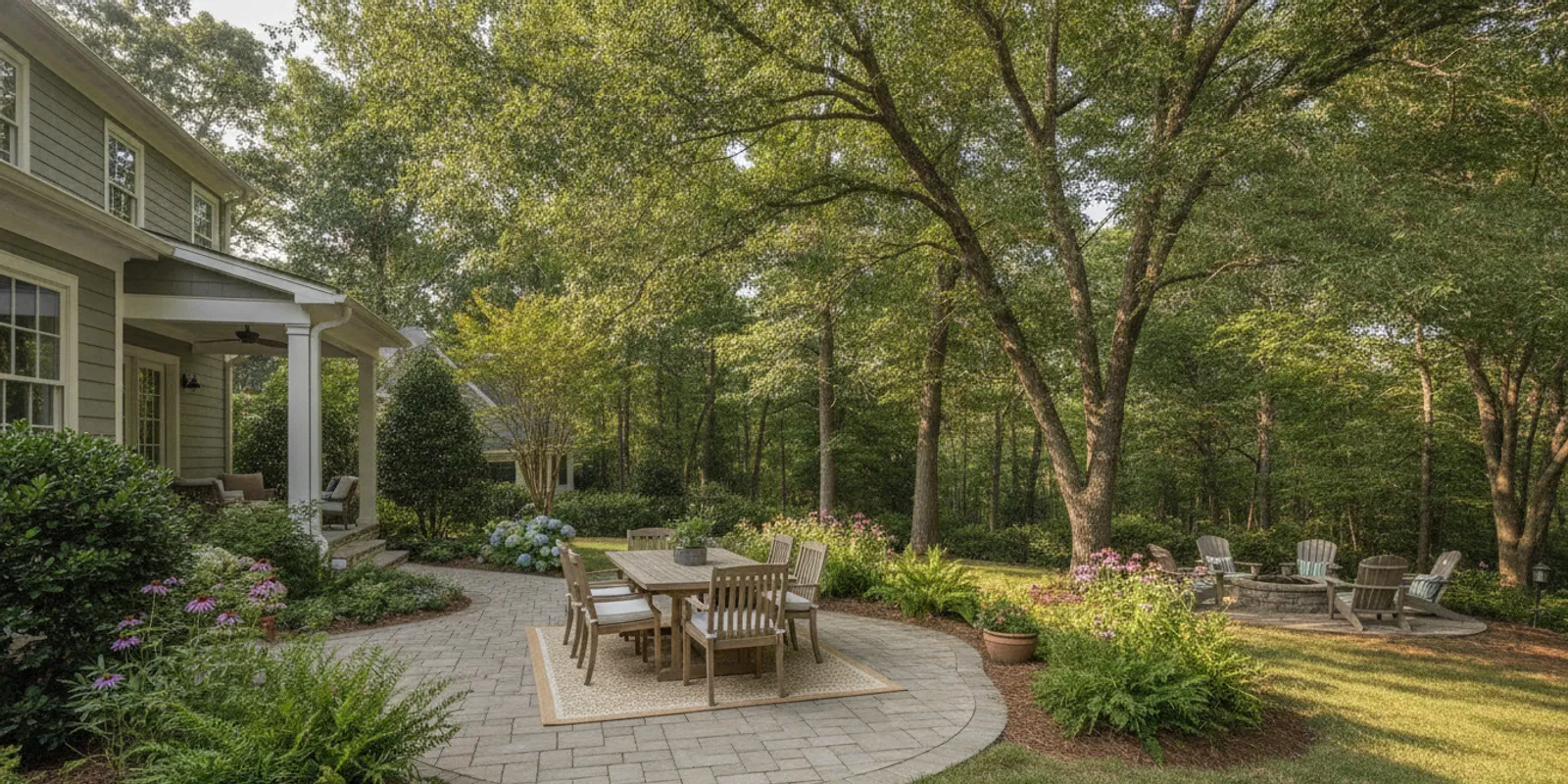
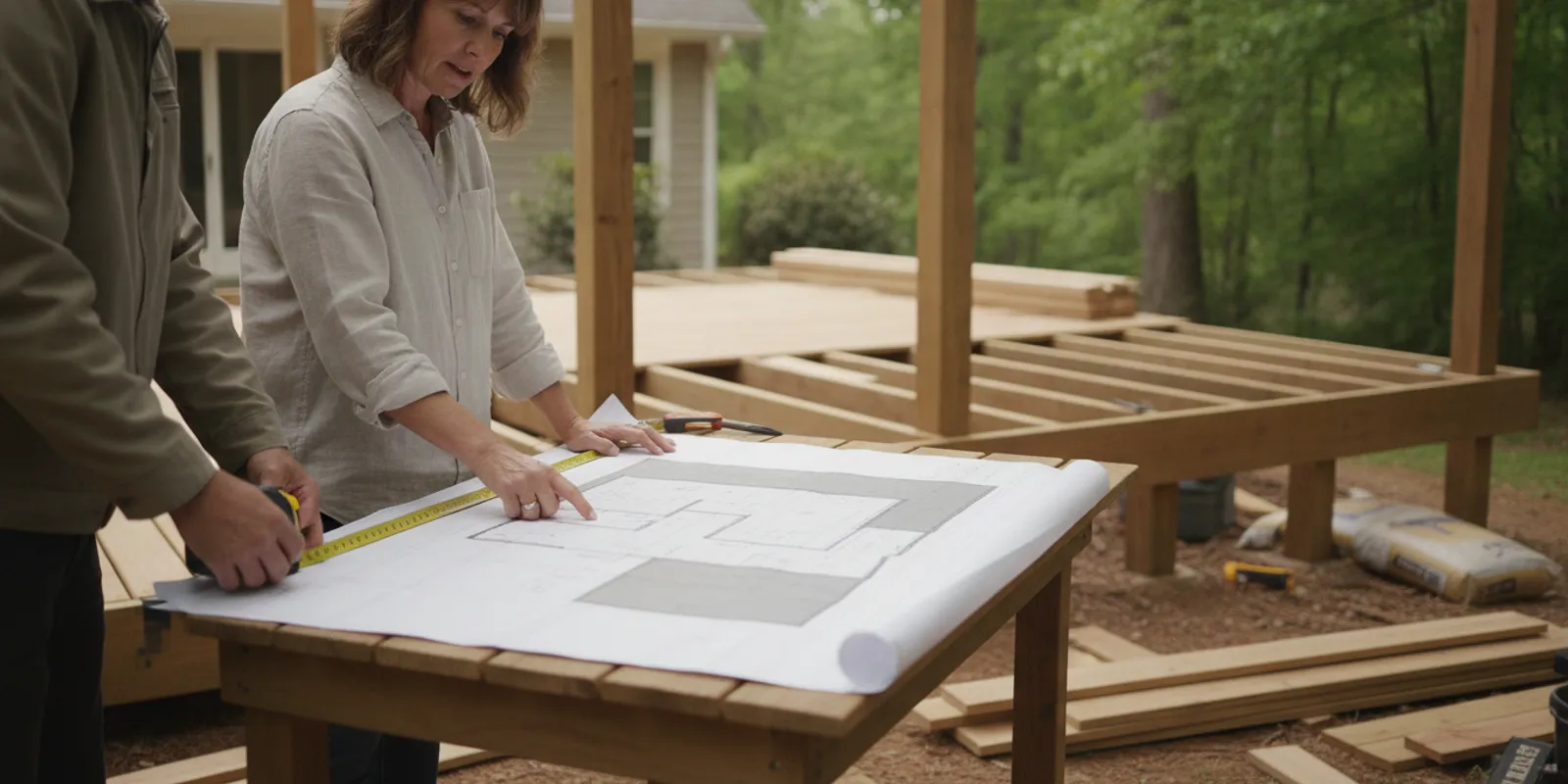
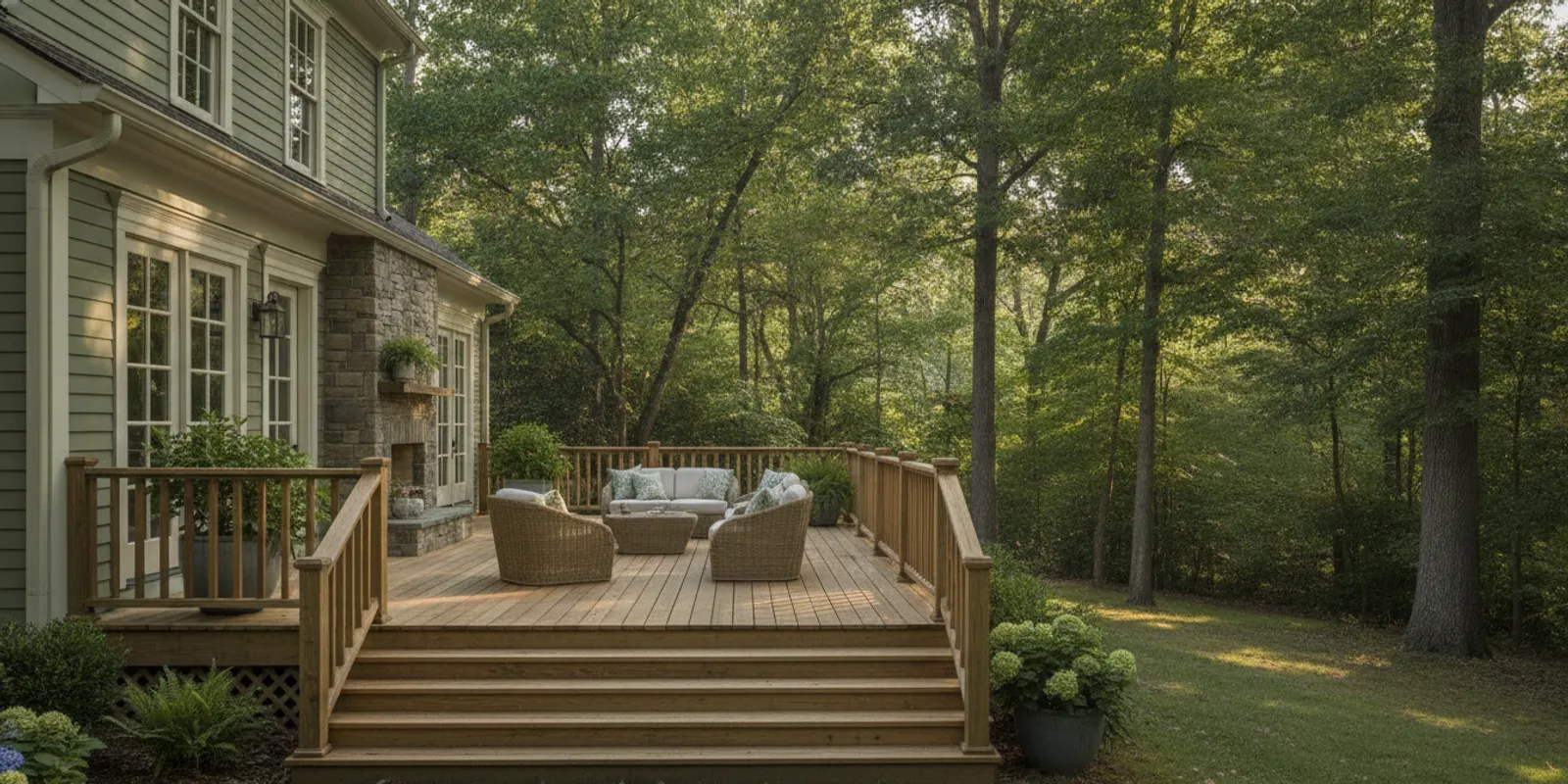
Comparing home depot pavers with a professionally installed patio is not just a question of where to buy the stones. The bigger decision is who will plan the finished space, prepare the base, handle drainage and cuts, manage material quantities, and stand behind the work. The right choice depends on your patio’s size and shape. How much labor you want to take on, and how confident you feel solving site conditions as they arise.
Talk through your patio design options
What do home depot pavers include, and what does installation add?
Buying pavers from a home-improvement retailer is a materials-first route. You select pavers and related products, then decide whether to install them yourself or arrange labor separately. Depending on the retailer and local availability, you may find several colors, shapes, textures, and price points. Confirm current selection, delivery terms, quantities, and return conditions directly with the seller before planning around a specific product.
A design-build installation brings the material decision into a larger project plan. The installer evaluates the area, discusses intended use and appearance, plans the layout, estimates materials, and coordinates the work. A project may also include excavation, base preparation, edging, cuts, drainage details, and cleanup. Ask which of those tasks are included in the written proposal; the phrase “patio installation” alone does not define the scope.
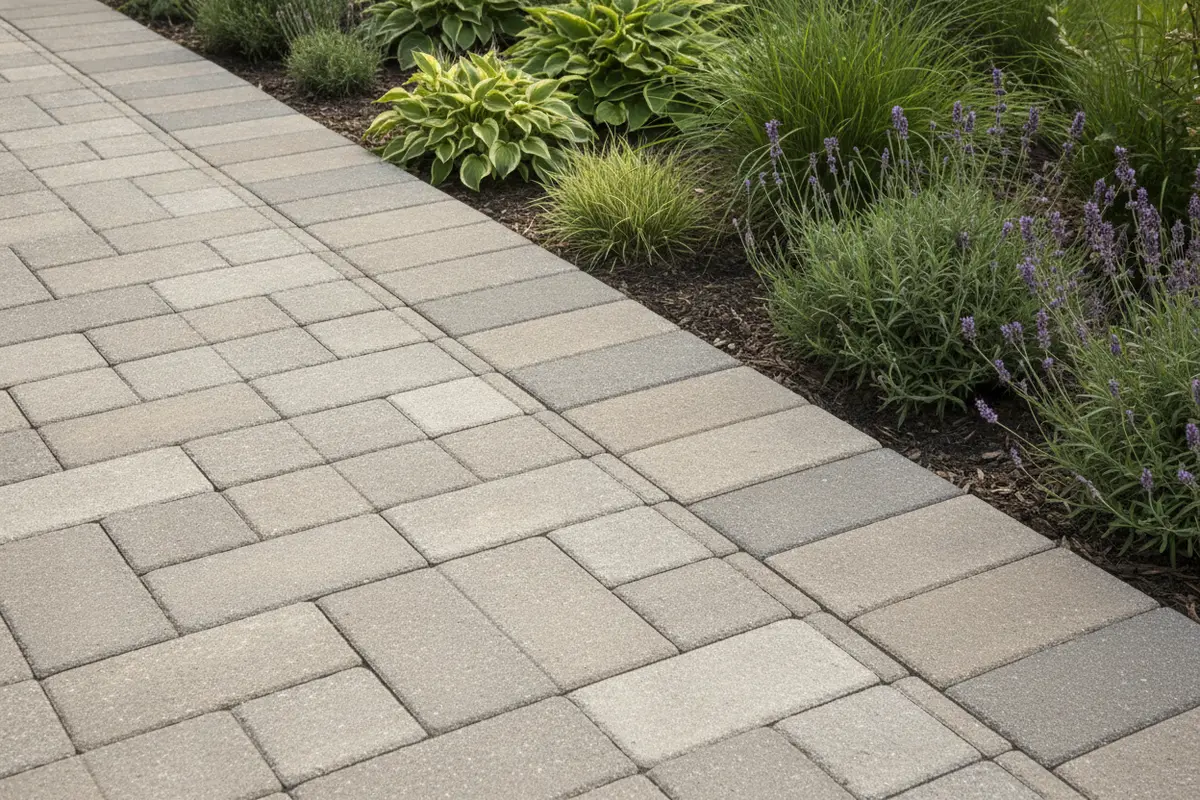
Neither route is automatically right for every backyard. A small, simple space may be a reasonable do-it-yourself project for someone prepared to handle the physical work and learn the installation sequence. A larger patio, sloped site, complicated edge, or space connected to a home or other hardscape can make planning and coordination more important. Review Fun Outdoor Living’s outdoor paver options while considering how the finished surface will fit into the broader yard.
How should you compare home depot pavers with the full scope?
Look beyond the per-paver price. The delivered surface is only one part of the project. Materials below and around the pavers, tools or equipment, delivery, disposal, labor, and the possibility of correcting mistakes all affect the overall effort and cost. The comparison below is a planning framework, not a quote: product availability, site conditions, and installer scope vary.
| Project factor | Retail materials and self-managed work | Design-build installation |
|---|---|---|
| Product selection | You choose from the current selection and confirm availability, finish, and quantity. You coordinate product decisions with your own layout. | Material options are considered alongside the design, intended use, and project scope. Confirm which products are included in the proposal. |
| Base and excavation | You plan, source, and complete excavation and base work, or hire this work separately. | Ask whether excavation, base materials, compaction, edging, and disposal are included and how site conditions affect the plan. |
| Cuts and edges | You provide the layout, tools, time, and skill needed to make cuts and finish the perimeter. | The proposal should clarify who handles cuts, edge restraints, transitions, and finish details. |
| Drainage | You assess water movement and decide how to avoid directing runoff toward structures or neighboring areas. | Discuss existing slopes and runoff with the project team; ask what drainage measures are planned and included. |
| Labor and coordination | You perform the work or find and schedule separate labor, deliveries, and any specialty help. | One project plan may coordinate design and installation. Confirm responsibilities, schedule, and exclusions in writing. |
| Waste and extra material | You estimate overage and manage leftovers, additional orders, and returns under the seller’s policies. | The installer estimates quantities for the planned layout. Ask how extra material, breakage, and unused product are handled. |
| Warranty and remedy | Product coverage, if offered, is distinct from responsibility for installation work you perform or arrange separately. | Ask for the written product warranty and any separate workmanship terms, including exclusions and the process for raising concerns. |
Use the table to build an apples-to-apples comparison. A lower materials price does not tell you what the finished patio will require. And a broad installation quote is hard to evaluate if important tasks are not listed. If you have a deck, porch, spa, or outdoor cooking area nearby, include those transitions in the plan rather than treating the paver field as an isolated rectangle. Related deck and porch planning may help identify how the surfaces connect.
How can you compare the real project cost?
Build the comparison from a complete scope rather than a single materials number. For the retail route, list the pavers, base and bedding materials, edge restraints, delivery, equipment rental or purchase, disposal, safety equipment, and any labor you plan to hire. Include the time required for measuring, moving materials, preparing the site, placing the pavers, making cuts, and cleaning up. If you need to buy tools for one project, note whether renting is an option and what each choice requires.
For an installation proposal, request an itemized description even if the contractor provides one total price. Check whether the estimate includes excavation, removal of soil or old paving, base materials, compaction, bedding, edging, cuts, delivery, and disposal. Ask what could change the price if the site reveals unexpected conditions, and how any extra work will be approved. A clear allowance or written process is more useful than an informal assurance that the team will handle surprises.
Use the same layout and material assumptions when comparing options. If an installer recommends a different paver, pattern, or patio size, compare those as separate scenarios rather than treating them as the same project. Also distinguish one-time construction expenses from future care. Ask what routine cleaning or maintenance the product may need, and consult the product information for care guidance. Avoid assuming that the cheapest initial route will be the least effort or the lowest total cost once time, equipment, and corrections are considered.
What makes product selection more than a color choice?
Start with how the patio will be used. A dining area needs enough room for chairs to move without crowding a walkway. A route from the back door to the yard should feel direct and comfortable. A sitting area may need space for furniture, circulation, and a future feature. Write down the uses and approximate furniture dimensions before selecting a pattern or calculating quantities.
Then compare product characteristics that matter to the setting. Consider paver dimensions, surface texture, color variation, edge style, and how the appearance relates to the house and existing landscape. Request samples or view full-size examples if available; a small image or single sample may not show how a repeated pattern will look over a broad area. Check the product information for intended applications and installation guidance, and verify that the chosen material works for your site and planned use.
Layout also affects how much cutting and waste a project creates. A straight, simple shape may use material more efficiently than a curved perimeter or a design with many corners and insets. That does not mean you should avoid a shape you like. It means you should settle the layout before ordering, account for cuts, and make sure the edge treatment is part of the plan. If the patio meets a step, foundation, drain, or existing path, measure and document those conditions early.
Why does base work deserve careful attention?
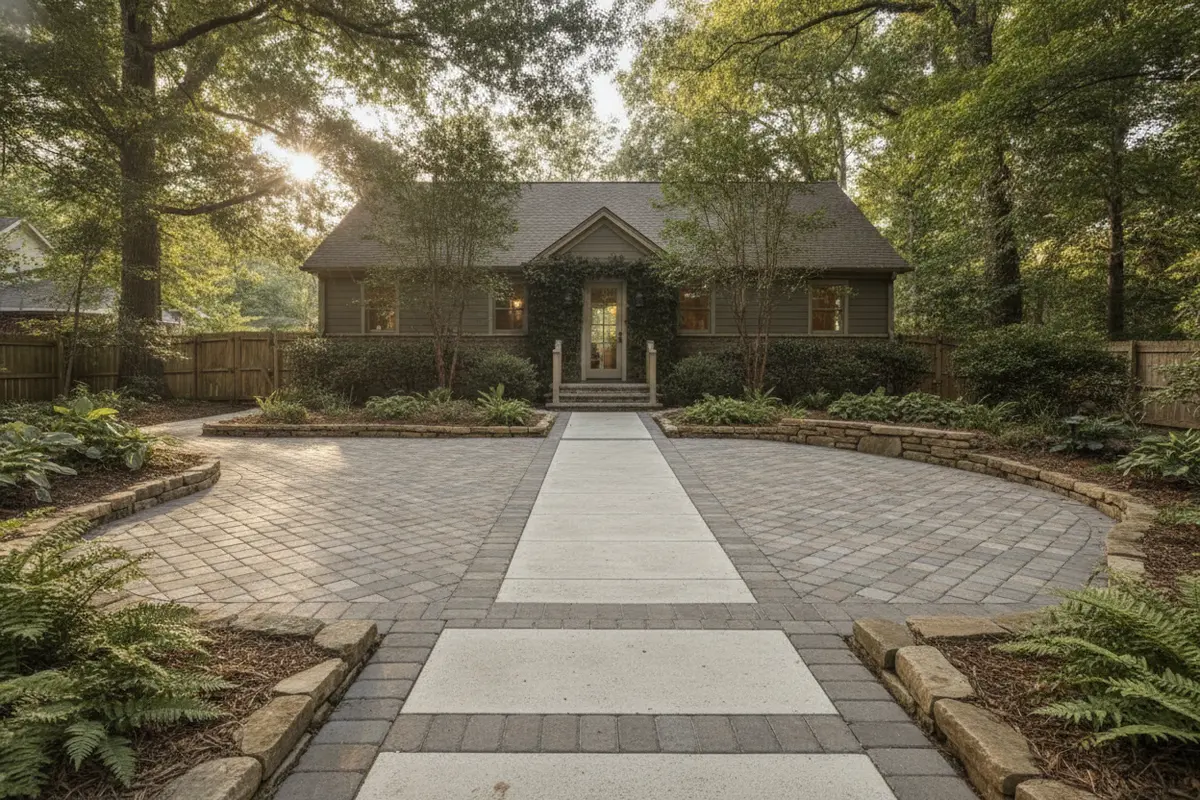
The visible pavers are only the top of the system. A patio’s base must be planned for the site, its intended use, and the selected materials. The work can involve excavation, preparing the subgrade, placing and compacting base material in an appropriate sequence, setting edge restraints, and adding the bedding layer. Exact specifications depend on the project and product; follow the product’s installation instructions and applicable local requirements rather than relying on a generic depth remembered from another job.
For a do-it-yourself installation, base work can be one of the most demanding parts because it requires consistent levels and careful compaction across the area. Skipping steps or uneven preparation can contribute to an uneven finished surface or movement over time. A professional proposal should describe the planned preparation in enough detail that you can understand what is being done. Not simply say “prepare base.” Ask what is included, what equipment is needed, and how the scope responds to the ground conditions encountered.
For general hardscape-system information, consult the Concrete Masonry & Hardscapes Association. Product-specific installation instructions and the project’s actual site conditions should guide decisions. Avoid treating an online rule of thumb as a substitute for that information.
How do cuts, drainage, and waste change the plan?
Cutting is easiest to overlook when a patio is pictured as a clean grid. In practice, cuts may be needed at the perimeter, around posts or drains, at steps, and where the paving meets another surface. Curves and angled boundaries can increase the number of cuts. Before work begins, mark those features on the plan and decide how small pieces or narrow slivers will be avoided or finished. Ask what cutting equipment and safety measures are needed if you are doing the work yourself.
Drainage deserves equal attention. Observe where water currently flows after rain, where it collects, and how the proposed patio will change those paths. The design should account for slope and direct water away from vulnerable areas, while respecting neighboring properties and existing drainage features. Do not assume that adding a drain solves every runoff issue; the location and discharge point matter. If water movement is unclear or the site has a steep slope, seek appropriate site-specific guidance before construction.
Waste depends on more than the area’s square footage. The selected pattern, cuts, product dimensions, breakage, and future repair needs all affect the quantity to order. A careful measure and layout can make the estimate more reliable, but the exact allowance should be based on product guidance and the design. Before ordering, find out whether additional product can be obtained later in a matching batch, what the return policy allows, and how delivery is handled. Keep a few suitable spare pavers if practical, especially when color variation between production batches could matter.
What should you confirm before materials arrive?
Do one final site and order check before scheduling delivery. Re-measure the patio boundaries and compare them with your drawing. Confirm where materials can be unloaded and stored without blocking access, and make sure the delivery vehicle can reach the planned drop-off point. If the patio will be near a house, gate, or existing path, check that the planned dimensions leave the intended clearances and route.
Review the product order by name, dimensions, finish, and quantity. Make sure the pavers, edge restraints, base materials, bedding material, and any planned accessories match the project instructions. If you are coordinating separate labor, confirm who will be on site, what work each person is responsible for, and the order in which the work will happen. For self-managed work, plan how tools, cut pieces, and packaging will be handled safely and where excavated soil or old materials will go.
Keep a copy of the plan, seller policies, product instructions, and any installation proposal together. Photograph existing conditions and note drainage patterns before the work changes the site. These simple records make it easier to communicate about the plan and clarify what was agreed if a question comes up later.
When is a do-it-yourself approach a good fit?
A self-managed project can suit a homeowner who has a relatively straightforward layout, time for careful preparation. Access to the tools and delivery needed, and a realistic plan for the physical work. It can also give you direct control over product selection and the pace of the project. Consider the full sequence before deciding: measurements, locating buried utilities where applicable, excavation and disposal, base preparation, material handling, installation, cuts, finishing, and cleanup.
- Draw the patio to scale and note doors, steps, drains, posts, and existing paths.
- Confirm the product’s application, installation instructions, quantity, availability, delivery, and return terms.
- Plan the excavation, base materials, compaction, tools, and disposal before the pavers arrive.
- Check how the finished grade will handle water and meet the house and surrounding surfaces.
- Set aside enough time to complete each stage without rushing the preparation or finish.
- Decide in advance who will help with heavy materials, cuts, and any work outside your comfort level.
If the project includes a complicated slope, several transitions, a large entertaining area, or adjacent construction, compare the value of coordinating design and installation. A home consultation can be a way to discuss the layout and project questions. You can also see examples of completed outdoor kitchen designs to help clarify the look and use you have in mind.
How can you choose the route that fits your household?
Think about the work you want to own, not just the finish you want to see. A do-it-yourself path gives you direct control over the sequence and may let you spread tasks over time. But you will manage measurements, materials, tools, labor, and decisions when conditions differ from the plan. A design-build path places more of that coordination in the project scope, though it still requires your input on layout, appearance, budget, and priorities. Neither option removes the need to make informed decisions.
Make a short list of non-negotiables. These might include a usable patio by a particular season, a route that stays clear. A defined budget, limited disruption to the yard, or having one point of contact for the work. Then rank your own constraints: available weekends, ability to move heavy material, confidence with compaction and cutting, tool access, and tolerance for managing separate deliveries or workers. If several constraints point toward outside help, compare written proposals. If you enjoy hands-on projects and the layout is uncomplicated, verify the full sequence and materials before committing to a self-managed build.
It can also help to separate design decisions from installation decisions. You might begin by sketching how the patio supports meals, relaxing, and movement through the backyard, then decide whether you want to install it yourself. If your ideas include adjoining structures or other outdoor features, discuss those relationships before setting the final boundary. That way, the choice of installer does not force you to revisit the layout after materials are ordered.
What should you ask before choosing an installer?
Ask for a written scope that identifies the work, materials, and responsibilities. It should make clear what happens before and after the pavers are placed, and which site conditions may change the plan. Compare proposals by the work described, not just by the final number. If one proposal includes excavation and disposal while another excludes them, they are not equivalent.
- Who measures and confirms the final layout and product quantities?
- What excavation, base preparation, compaction, bedding, and edging are included?
- How will the layout address existing slope, runoff, drains, steps, and transitions?
- Who supplies the pavers and other materials, and what happens if product is unavailable?
- Are cutting, delivery, disposal, cleanup, and restoration of affected areas included?
- What product warranty applies, and are workmanship terms provided separately in writing?
- How are changes, unexpected site conditions, and additional costs approved?
Warranty expectations are worth clarifying before work starts. Manufacturer coverage applies according to the product’s written terms; it should not be assumed to cover installation or site-related issues. Any workmanship coverage is a separate matter and may have its own conditions. Ask for the applicable documents, understand who to contact, and keep invoices, product details, and project records together. Clear answers help you know what support is available without assuming that every issue is covered.
Homeowners planning a broader backyard update can also consider how the patio relates to deck and porch features, outdoor kitchen design, and backyard layout planning. Those choices affect routes, clearances, access, and the way people use the space, so it helps to discuss them before fixing the patio dimensions.
Request a conversation about your patio plans
Frequently Asked Questions
Are pavers bought from a retailer always a do-it-yourself project?
No. Buying the materials and choosing who installs them are separate decisions. You can buy pavers and arrange installation separately, or select an installation proposal that includes materials. Confirm who is responsible for delivery, quantities, site preparation, and the finished work.
Does a professional installation automatically include drainage work?
No. Drainage scope varies by project and proposal. Ask how the plan addresses existing water flow, patio slope, and discharge, and request a written description of any drainage measures included.
Can I compare installer quotes with a retailer’s paver price?
Only after you separate materials from labor and other project costs. Compare the same paver product and quantity, then account for excavation, base materials, edging, cuts, delivery, disposal, and any stated workmanship terms.
What should I do with leftover pavers?
Check the seller’s return policy before ordering, and ask whether unused material can be returned. Keeping a small number of suitable spare pavers may be useful for later repairs, but consider storage space and possible color differences between batches.
A thoughtful comparison weighs the whole patio, not just the pavers, so you can choose the level of planning, labor, and support that feels right for your Carolina home.