When planning a backyard oasis in North or South Carolina. Choosing the best patio material for hot tub installations is one of the most critical decisions a homeowner can make. A premium spa is an investment in daily relaxation, muscle recovery, and family connection. But it requires a completely level, rock-solid surface to prevent shifting, sinking, or structural damage over time.
Ready to design your backyard oasis? Schedule a free home consultation with Fun Outdoor Living today!
The best patio material for hot tub installations in the Carolinas balances weight capacity, slip resistance, and drainage. Interlocking concrete pavers provide excellent stability and water run-off, while reinforced concrete slabs offer permanent, rock-solid support. For an elevated deck aesthetic, durable composite decking resists moisture and rot better than traditional wood.
To ensure your hot tub remains a source of stress-free relaxation, your foundation must withstand the significant load of a filled spa. Provide a safe and slip-resistant walking area, manage water runoff, and complement your home’s aesthetic. Here is our comprehensive guide to selecting the ideal foundation for your outdoor living retreat.
What Is the Best Patio Material for Hot Tub Foundations? Key Requirements
Before selecting a specific material, homeowners must understand the extreme physical demands placed on a hot tub patio. A hot tub is not standard outdoor furniture; it is an engineered wellness system that interacts constantly with water, heavy weight, and local environmental conditions. Designing an area that succeeds long-term requires addressing several fundamental performance criteria.
Extreme Load-Bearing Capacity
Many homeowners underestimate the massive physical weight of a filled, active hot tub. A standard four-person to six-person hot tub weighs between 600 and 1,000 pounds empty. However, once you add 300 to 450 gallons of water (weighing approximately 8.34 pounds per gallon) and four to six adult occupants. The total operational weight easily climbs to between 4,000 and 6,500 pounds. This translates to an immense localized pressure of 100 to 120 pounds per square foot. The foundation material you select must support this heavy load without sinking, shifting, or tilting. As even a minor slope can unevenly distribute water pressure and cause structural frame damage to your spa.
Barefoot Slip Resistance
Water splashing is a natural, expected part of the hot tub experience. When occupants climb in and out of the spa, the surrounding patio becomes wet, creating a high-risk area for slips and falls. The best patio material for hot tub surrounds must feature a textured, non-slip surface that remains safe for bare, wet feet. Highly polished natural stones or smooth, trowel-finished concrete should be strictly avoided around wet zones. Instead, choose materials with natural surface grip, such as textured pavers or composite boards with deep wood-grain embossing.
Effective Water Drainage
Standing water is the enemy of backyard hardscapes. In the humid Carolina climate, pooled water around a hot tub promotes the rapid growth of mold, mildew, and slick algae, which degrades materials and compromises safety. Your patio design must incorporate an efficient drainage system. This involves grading the patio slightly away from the spa and using permeable joint materials or gravel borders that allow splashed water to drain naturally into the ground rather than pooling on the surface.
Heat Dissipation and Comfort
The summer sun in North and South Carolina can be intense, heating outdoor surfaces to painful temperatures. Since hot tub users are typically barefoot, the material surrounding the spa must resist absorbing excessive heat. Darker materials like dark slate or dark gray concrete absorb solar radiation rapidly, making them uncomfortable underfoot. Choosing lighter-colored, reflective materials like light gray pavers or travertine helps keep the surface cool, ensuring comfortable access to your spa even during hot Carolina afternoons.
Are Concrete Slabs the Most Reliable Foundation for a Carolina Spa?
A poured concrete slab represents the traditional, rock-solid baseline for hot tub foundations. Known for its brute structural strength and permanent stability, concrete has long been a popular choice for larger. Heavy-duty hot tubs and swim spas, including Endless Pools Fitness Systems.
Thickness and Engineering Specifications
For a standard residential hot tub, a concrete slab must be poured to a minimum thickness of 4 inches over a thoroughly compacted gravel subbase. For larger spas holding over 500 gallons of water, or for swim spas, we highly recommend a 6-inch reinforced concrete slab. The concrete should be reinforced with steel rebar or welded wire mesh to distribute the weight evenly and prevent structural failure. Additionally, the concrete must be allowed to cure completely for at least 28 days before placing the heavy spa on top.
Pouring a concrete slab requires a precise sequence of steps to ensure long-term load capacity:
- Excavation: Dig down 6 to 8 inches to remove topsoil and organic matter.
- Compaction: Pack the subgrade firmly to prevent soil shifting or hollow spots.
- Gravel Base: Lay and compact a 4-inch layer of crushed gravel for drainage.
- Forming and Reinforcement: Build strong timber forms and install steel rebar grid.
- Pouring and Finishing: Pour high-strength concrete and apply a textured, non-slip broom finish.
Key Trade-Offs of Poured Concrete
While poured concrete offers unmatched weight capacity, it does come with notable disadvantages. First, concrete is a rigid material. In areas of the Carolinas with clay-heavy soils, ground settling and temperature fluctuations can cause concrete to crack over time. These cracks are difficult to repair aesthetically and can lead to uneven settling. Second, standard concrete offers very poor natural drainage, forcing all water to shed across the surface, which can create puddle zones. Finally, poured concrete is visually utilitarian and lacks the warmth, texture, and upscale appeal of modern hardscaping alternatives.
Are Interlocking Pavers the Best Patio Material for Hot Tub Installations in the Carolinas?
For the majority of Carolina homeowners, interlocking concrete pavers represent the premier, highly recommended solution. Pavers combine the heavy-duty weight support of concrete with superior drainage, natural flexibility, and stunning visual design.
Modular Flexibility and Structural Strength
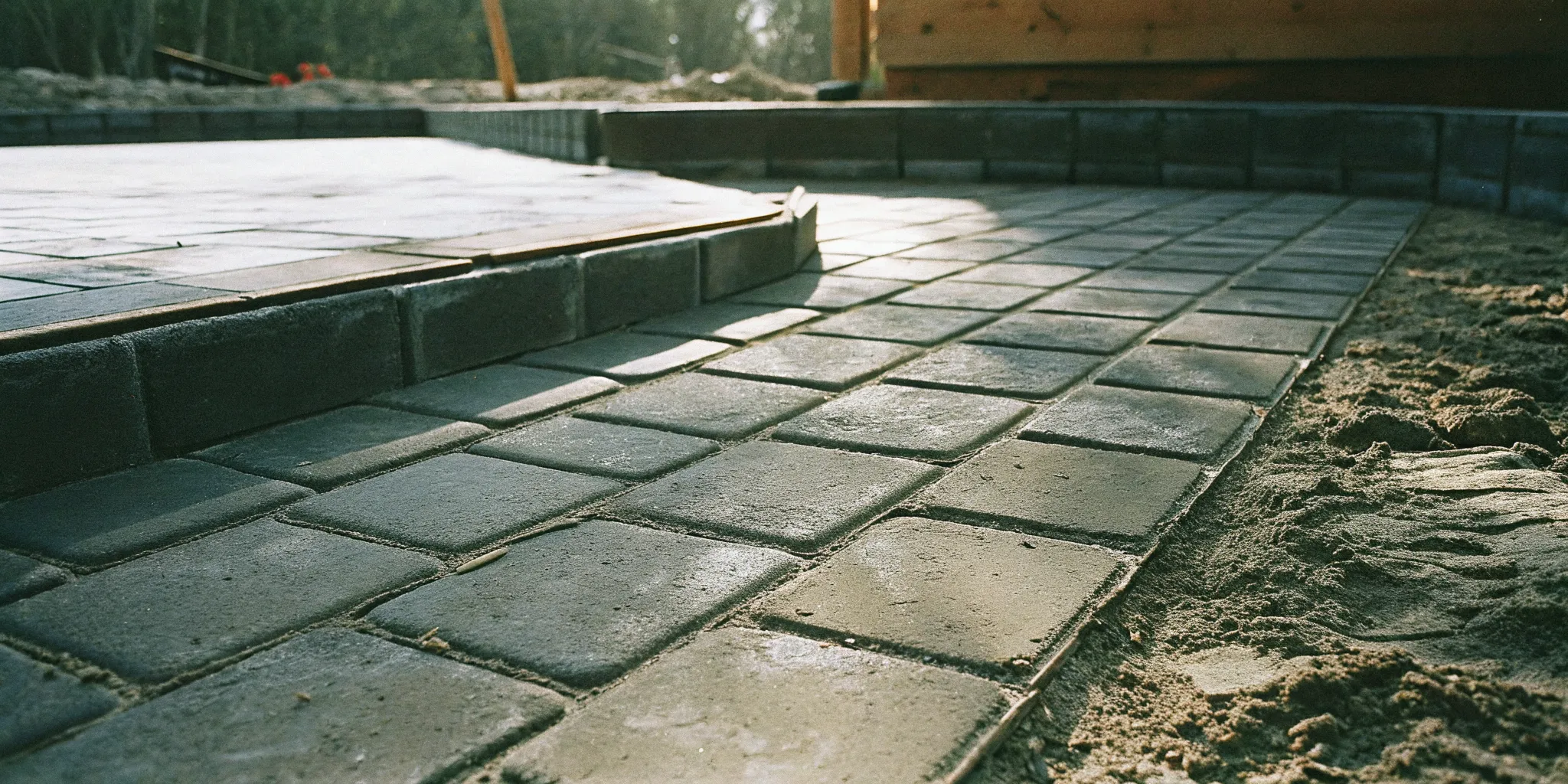
Unlike a single rigid sheet of concrete, interlocking pavers are individual units laid over a compacted gravel and sand base. This modular design gives the patio natural flexibility. When the heavy clay soils of the Carolinas expand and contract with seasonal moisture changes, a paver patio flexes and self-adjusts without cracking. The weight of the hot tub is distributed evenly across the entire interlocking network. Creating a foundation that is fully capable of supporting over 6,000 pounds while remaining perfectly level year after year.
Superior Drainage and Slip Resistance
Interlocking pavers are exceptional at managing water. Splashed water from the hot tub drains naturally through the sand-filled joints between the pavers and filters down into the compacted gravel base below. This eliminates standing puddles and keeps the surface dry and safe. Additionally, concrete pavers feature a manufactured, textured surface that provides excellent slip resistance, ensuring maximum safety for children and adults stepping out of the spa.
Design Integration and Visual Versatility
Pavers are available in an endless variety of shapes, sizes, textures, and colors, allowing you to match your home’s existing hardscaping or build a custom backyard theme. Whether your style is rustic, modern, or traditional, pavers can elevate your entire outdoor living area. To see how premium interlocking pavers can elevate your backyard oasis, we invite you to explore our durable patio materials and browse our real-world installs in our hot tub gallery.
Looking for inspiration? Browse our hot tub gallery to see real-world Carolina installations, or visit one of our five local showrooms!
Should You Choose a Natural Stone Patio for High-End Luxury?
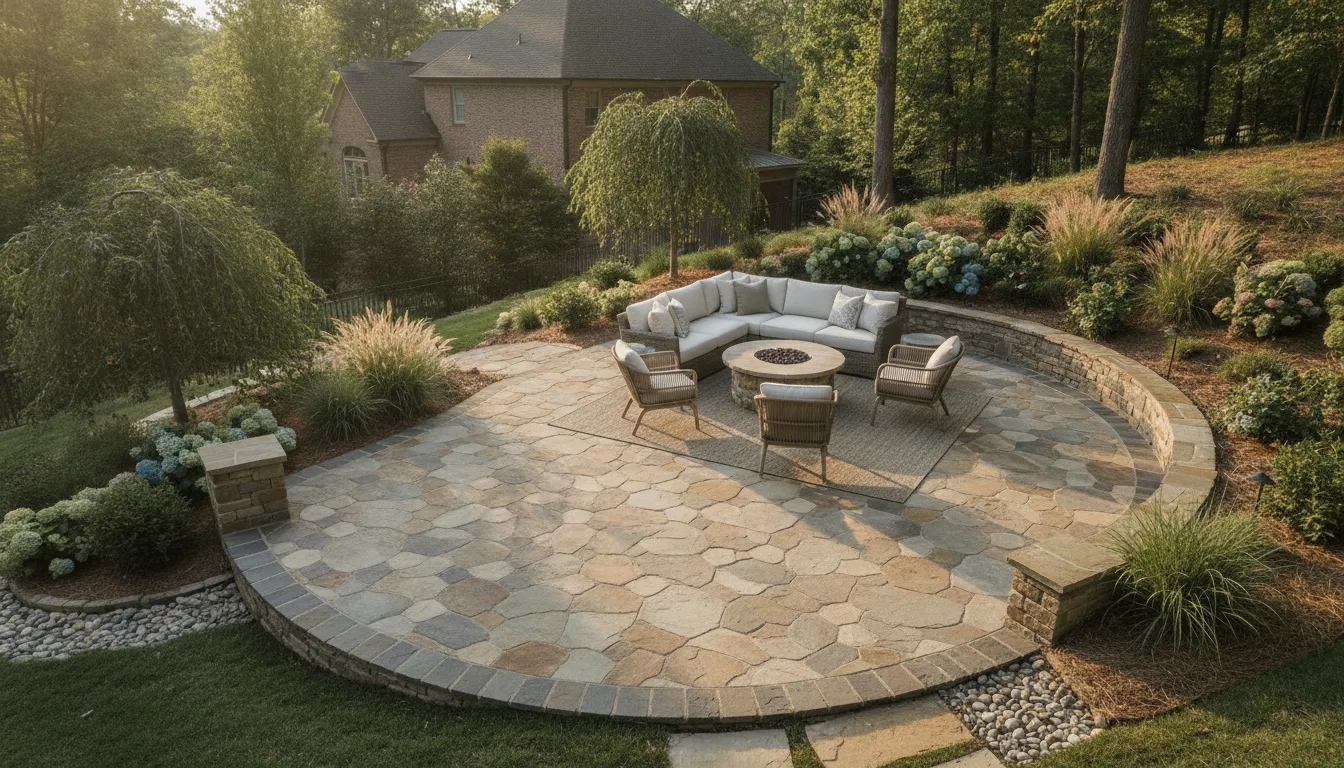
Natural stone is the pinnacle of luxury backyard design. Materials like flagstone, slate, and travertine bring an unmatched level of organic beauty, rich texture, and high-end elegance to an outdoor living space. Each piece of natural stone is entirely unique, creating a highly customized patio that synthetic materials simply cannot replicate.
The Aesthetic Charm of Organic Stone
The primary appeal of a natural stone patio is its distinctive, high-end appearance. The natural variations in color, veining, and surface contours blend seamlessly with the outdoor environment, creating a warm, inviting, and sophisticated retreat. Light-colored travertine, in particular, is highly prized because it reflects solar heat. Remaining remarkably cool to the touch even under the hot summer sun in North and South Carolina.
Important Ownership Considerations
While natural stone is stunning, it does require careful planning. First, natural stone has irregular thicknesses, which means a professional. Highly skilled installation is required to ensure the stone base is perfectly flat and level under the hot tub. Second, natural stone is a porous material. It must be regularly sealed to protect it from water absorption, spa sanitizing chemicals (like chlorine or bromine), and organic stains. Without proper sealing, water can penetrate the stone, leading to erosion or cracking during winter freeze-thaw cycles. If you are considering this luxurious option, we recommend exploring our professional natural stone patio options to understand the best choices for your home.
How Do Composite and Traditional Wood Decking Compare for Hot Tub Support?
For homeowners building an elevated outdoor living space or wrapping a deck around their spa, choosing the right decking material is a major decision. The choice typically comes down to modern composite decking versus traditional pressure-treated wood.
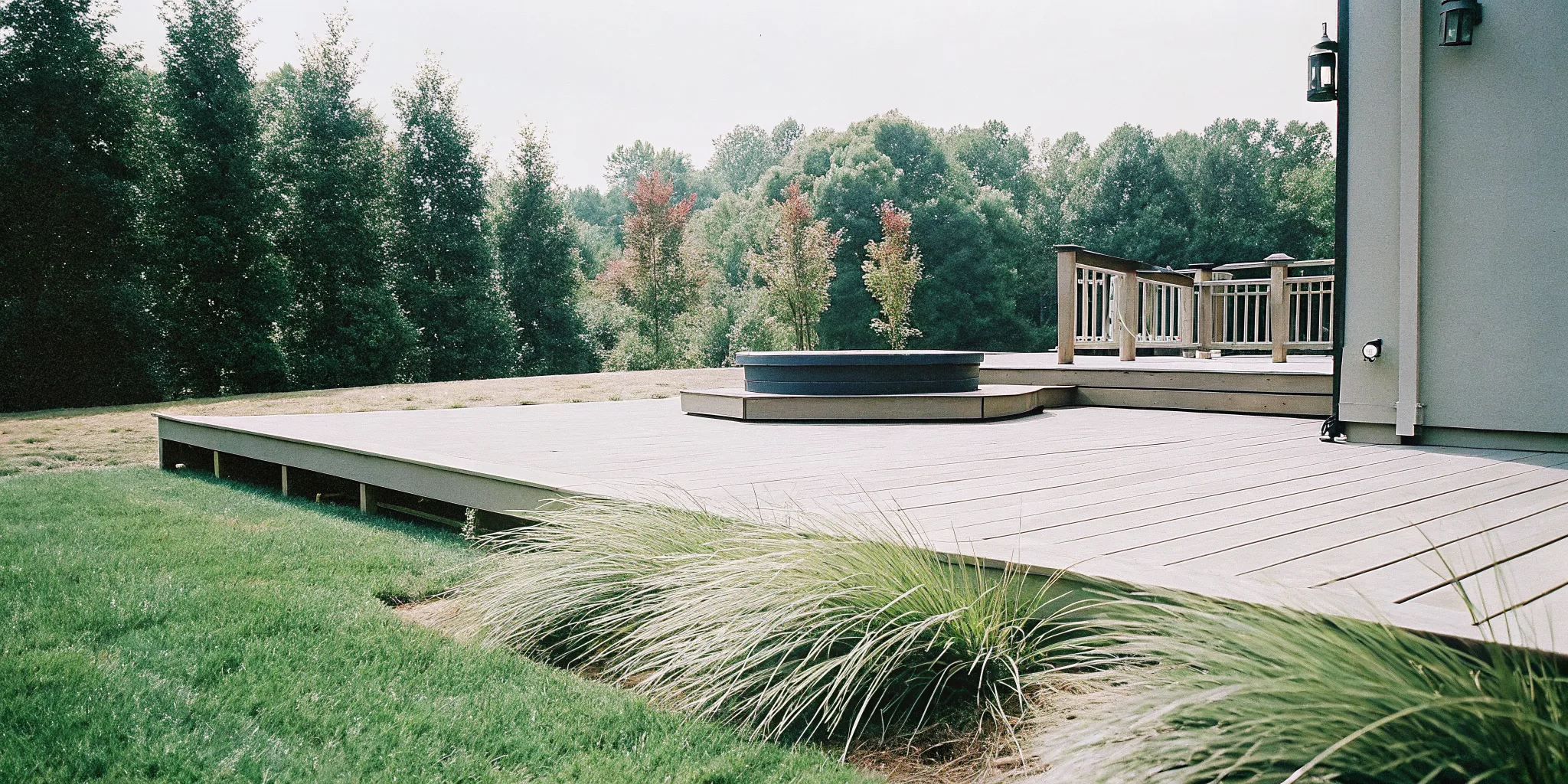
The Performance Advantages of Composite Decking
Composite decking, such as Trex, is widely considered the superior choice for wet hot tub surrounds. Made from a blend of recycled wood fibers and plastic, composite boards are entirely resistant to water absorption, wood-destroying insects, and rot. In the humid Carolina climate, composite decks will not warp, splinter, or develop mold, ensuring a safe, comfortable surface for bare feet. Furthermore, composite decking requires virtually zero ongoing maintenance. You will never need to spend your weekends sanding, staining, or sealing the deck. Although composite has a higher upfront installation cost, its exceptional durability and low-maintenance requirements make it highly cost-effective over its long lifespan.
The Realities of Traditional Wood Decking
Traditional wood, such as pressure-treated pine, cedar, or redwood, offers a classic, warm, and natural look at a lower initial cost. However, natural wood is highly susceptible to water damage, especially around a hot tub where moisture is constant. Natural wood must be sanded, stained, and sealed every single year to prevent rot, warping, and dangerous splinters. If annual maintenance is neglected, the wood will quickly degrade under the combination of water splashes and UV exposure, creating safety and structural hazards.
Crucial Load-Bearing Engineering
Regardless of whether you choose composite or traditional wood, any deck designed to support a hot tub must be structurally engineered. A standard deck is built to support approximately 40 to 50 pounds per square foot. Because a loaded hot tub weighs 100 to 120 pounds per square foot. The framing beneath the spa must be reinforced with extra heavy-duty support posts, thicker joists, and double-beams. For design inspiration and structural layouts, check out our decks, porches, and pergolas gallery.
Comparing Hot Tub Patio Foundations
To help you evaluate your options, we have compiled a direct comparison of the five primary patio materials used for hot tub foundations in the Carolinas:
| Material Option. | Weight Support. | Drainage Ability. | Slip Resistance. | Maintenance Level. | Relative Cost. |
|---|---|---|---|---|---|
| Poured Concrete. | Excellent (Rigid). | Poor (Shedding). | Moderate (if textured). | Very Low. | Low to Moderate. |
| Interlocking Pavers. | Excellent (Flexible). | Excellent (Permeable). | High (Textured). | Low (Sealing optional). | Moderate. |
| Natural Stone. | Good (Professional base). | Moderate. | High (Unpolished travertine). | Moderate (Requires sealing). | High. |
| Composite Decking. | Excellent (Engineered). | Excellent (Joist gaps). | High (Textured boards). | Very Low. | High. |
| Traditional Wood. | Good (Engineered). | Excellent (Joist gaps). | Moderate (Splinter risk). | High (Stain/Seal annual). | Moderate. |
Ready to start planning your perfect backyard? Book your free design consultation or schedule a private test soak today!
Frequently Asked Questions About Hot Tub Patio Materials
When planning a hot tub installation in North or South Carolina, homeowners often have similar questions about preparing their patio. Based on over 4,000 successful spa installations across the region, here are answers to the most common queries we receive at our showrooms.
Is concrete or pavers better for hot tubs?
Both materials are excellent, but they serve different priorities. A poured concrete slab provides a solid, single-piece foundation with unmatched stability, though it can crack over time and offers limited aesthetic variety. Interlocking pavers, when installed over a properly compacted gravel subbase, distribute the hot tub’s weight evenly while offering superior drainage and design versatility. For most Carolina homeowners, pavers are the preferred choice because they elevate the overall backyard design and blend beautifully with existing hardscaping.
How thick should a concrete pad for a hot tub be?
A standard concrete pad for a residential hot tub must be at least 4 inches thick. For larger, heavy-duty hot tubs or swim spas that hold 500+ gallons of water and multiple occupants, we recommend a 6-inch reinforced concrete slab. This thickness ensures the foundation can safely support the loaded weight, which can easily exceed 6,000 pounds, without cracking or shifting under local soil conditions.
What is the alternative to concrete slab for hot tub?
If you prefer not to pour concrete, highly reliable alternatives include interlocking pavers laid over a compacted gravel bed. Modular synthetic spa pads (such as Ez Pads), or a structurally reinforced timber or composite deck. Any alternative must provide a completely flat, level, and stable surface capable of holding at least 100 to 120 pounds per square foot.
Designing Your Perfect Carolina Backyard Retreat
At Fun Outdoor Living, we believe selecting the best patio material for hot tub installations is just the beginning of your backyard journey. We are proud to be the Carolinas’ only single-source partner. Taking care of everything from custom 3D backyard layout design and hardscape patio construction to spa sales, professional delivery, and lifetime valet service. Our in-house design and construction crews handle every detail, saving you from the headache of managing multiple subcontractors.
Whether you want to explore premium Hot Spring Spas, Endless Pools Fitness Systems, Tylo saunas. Or a custom-built outdoor kitchen, our team is here to guide you toward the perfect backyard sanctuary.
If you are ready to take the next step toward a better daily lifestyle, we invite you to act today. You can schedule a free home consultation with our expert design team, or stop by one of our five local showrooms in Charlotte/Pineville. Matthews, Cornelius, Rock Hill, or Winston-Salem to see these high-quality patio materials and luxury spas in person. You can even reserve a private test soak to experience the ultimate in hydrotherapy before you buy. Let us help you design the backyard of your dreams!