Imagine finishing a warm sauna session, stepping onto a slip-resistant surface, and reaching a cold plunge without leaving your backyard. When the space is planned well, contrast therapy becomes a practical ritual rather than another appointment to schedule. The sauna, plunge, drainage, lighting, and recovery area should work together so each transition feels safe and natural.
A backyard sauna and cold plunge combines heat exposure and cold immersion in one convenient wellness zone, supporting recovery, circulation, stress relief, and a more consistent daily routine.
The right setup depends on how much room you have, how close the zone is to your home, and how you want to use it throughout the year. A thoughtful design can include a Tylo sauna, Vigor Cold Plunge, seating, towel storage, and shade without making the area feel crowded. Start by mapping the movement between each element, then match the layout to your property and wellness goals.
Planning Your Backyard Sauna and Cold Plunge Layout
A thoughtful layout makes the transition from heat to cold feel natural, safe, and easy to repeat. Start by treating the space as a small wellness environment rather than two products placed side by side. A compact plan needs about 12′ x 20′ of usable space, or roughly 240 square feet. If you want room for comfortable circulation, seating, storage, and future additions, 20′ x 30′ is a more flexible ideal.
Build around four functional zones
Organize the design around four connected areas:
- Heat zone: Place the sauna on a level, non-combustible surface with adequate ventilation and enough clearance for the door to open fully. The Tylo Lulea outdoor sauna line offers a practical option for a dedicated three- to four-person outdoor retreat. Explore Tylo saunas when comparing sauna styles and configurations.
- Cold zone: Position the plunge approximately 5 to 10 feet from the sauna. That distance keeps the transition short without creating a cramped, wet passageway. Plan for drainage, GFCI-protected power, and a clear route that does not cross through garden beds or busy entertaining areas.
- Movement zone: Reserve a deck or other open platform for walking, stretching, towel changes, and stepping safely between temperature zones. A compact 12′ x 24′ layout can still include a 4′ x 6′ sauna. A 3′ x 5′ plunge, and a dedicated seating area if circulation is planned first.
- Recovery zone: Add comfortable seating, towel storage, changing space, and shade. This is where you can pause between rounds, enjoy a drink, or let the experience become part of a daily routine rather than a rushed equipment change.
Choose the right relationship to your home
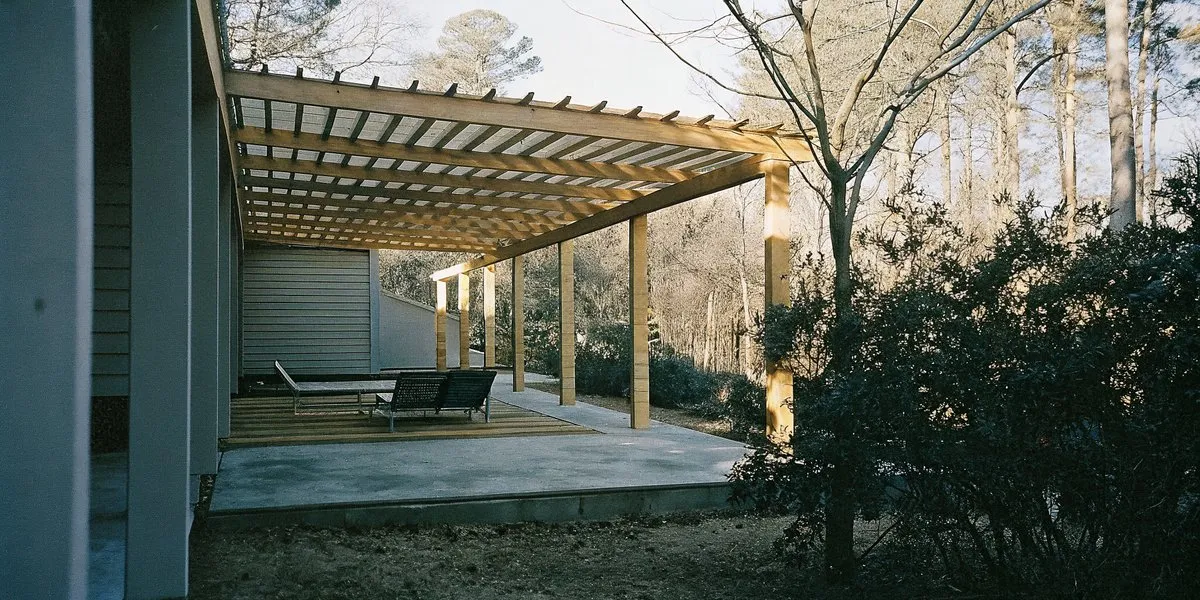
An outdoor arrangement works well when the backyard offers privacy, a stable foundation, and a direct path from the house. Keep the zone close enough to make regular use convenient, but far enough away to protect living spaces from moisture, heat, and equipment noise. A covered porch or pergola can improve comfort through Carolina rain and summer sun. Indoor placement may simplify access during cold weather, but it requires careful attention to ventilation, moisture management, floor protection, and available electrical capacity.
Plan utilities and surfaces before construction
Sauna heaters may require either 120V or 240V service, depending on the selected model. The plunge also needs properly protected electrical access, drainage, and a non-slip surface around the water. Confirm these requirements during design instead of adapting the finished deck later. Homeowners comparing regional options can also review our guide to the best sauna for NC homes. A coordinated design-build plan helps ensure the heat, cold, movement, and recovery zones work together from the first session.
Sauna Options for Your Contrast Therapy Zone
The right sauna should fit both your space and the way you want to use it. Tylo offers several approaches for a two- to four-person backyard wellness zone, from the high-heat feel of a traditional sauna to the gentler, direct warmth of infrared. A design professional can help match the collection, capacity, and placement to your cold plunge routine.
Traditional heat for a classic sauna ritual
Traditional saunas heat the air with a heater and stones. They commonly reach approximately 175 degrees Fahrenheit with relatively low humidity, creating the familiar deep-sweat experience. The Halmstad and Reflection collections are well suited to homeowners who enjoy a more substantial heat cycle before stepping into cold water. Sauna use can support relaxation and cardiovascular wellness, although individual experiences vary. Learn more about Tylo saunas and the available configurations.
Infrared, hybrid, and outdoor options
The Kiruna infrared sauna uses infrared energy to warm the body directly rather than heating the surrounding air in the same way as a traditional unit. That can appeal to people who prefer a lower-temperature, more gradual session. The Kiruna Hybrid combines traditional and infrared heating, giving a household more flexibility from one installation.
For an exposed patio or dedicated backyard retreat, the Lulea outdoor collection is designed for a three- to four-person experience. An outdoor model can make the transition to a nearby plunge feel natural, while a well-placed indoor sauna may be more convenient in colder weather. The best choice depends on available footprint, privacy, utilities, and how often the space will be used.
Plan the installation before choosing the model
Allow for a level, non-combustible surface, appropriate electrical service, and proper sauna ventilation. The door also needs approximately three to four feet of clear space for safe entry and exit. These requirements affect the real project cost, which varies broadly by sauna type, size, finishes, electrical work, and site preparation. Planning the sauna and plunge together helps avoid costly changes and creates a more comfortable year-round flow through the zone.
Choosing a Cold Plunge System
The right plunge should fit both your recovery ritual and the practical realities of your backyard. Vigor Cold Plunge systems are designed for quick cooling after sauna sessions, with temperature control. Water-care features, and a footprint that can work alongside a dedicated outdoor wellness area.
Vigor Cold Plunge essentials
The Vigor Cold Plunge typically operates from 39 to 50 degrees F, giving you room to adjust the experience to your comfort and routine. Ice Assist allows the system to reach lower temperatures when that is appropriate for your preferences. Its integrated UV-C, ozone, and filtration systems support cleaner water with less day-to-day guesswork. The approximately 65-gallon capacity also makes it a focused, efficient addition to a backyard sauna and cold plunge setup.
Learn more about the Vigor Cold Plunge specifications, or compare options through the cold plunge guide.
When Vigor Pro makes sense
Vigor Pro adds PulseJet massage and an internal LED to the core plunge experience. Those features can make the system feel more tailored to a recovery-focused routine, especially if you want more than temperature-controlled immersion. The standard Vigor model may be the better fit when straightforward cooling and water maintenance are your main priorities. Both options support the same basic goal: a consistent cold step in a repeatable heat-and-cold ritual.
Plan the placement before installation
Place the plunge about 5 to 10 feet from the sauna so the transition is convenient without making the area feel crowded. The installation plan should account for a GFCI-protected outlet, drainage, and a non-slip surface around the water. Leave enough room for entering and exiting safely, setting down towels, and moving between heat, cold, and recovery areas.
For Carolina backyards, shade and weather protection can improve comfort across the year, while thoughtful drainage helps the space remain usable after rain. A design-build professional can coordinate the electrical, plumbing, surface, and sauna locations together instead of treating the plunge as an afterthought.
What Does a Backyard Sauna and Cold Plunge Cost?
The cost of a backyard sauna and cold plunge depends less on the equipment alone than on how thoughtfully the zone is designed. A simple setup may fit into an existing patio, while a custom contrast therapy space can include new electrical service, drainage, decking, shade, lighting, and privacy elements. The ranges below provide a practical starting point for planning.
| Project component | Basic range | Premium range | Planning notes |
|---|---|---|---|
| Infrared sauna | $3,000 to $5,000 | $6,000 to $12,000 | Cost varies by size, materials, controls, and features. |
| Traditional sauna | $7,000 to $12,000 | $19,000 to $40,000 or more | Custom construction, finish work, and premium heating systems increase the investment. |
| Cold plunge | $2,500 to $4,000 | $5,000 to $10,000 | Professional-grade systems may include filtration and other water-care features. |
| Site preparation | About 20% to 35% of the total | Electrical, plumbing, drainage, grading, and access can affect the final price. | |
| Decking or platform | $1,500 to $8,000 | Material choice, footprint, stairs, and existing conditions drive the range. | |
| Shade structure | $800 to $7,000 | A pergola or covered area can make the zone more comfortable across the seasons. | |
In practical terms, a basic project often falls between $8,000 and $15,000. A premium, fully integrated zone commonly reaches $35,000 to $65,000 or more. A custom contrast therapy zone combining a Tylo sauna and Vigor Cold Plunge may range from $20,000 to $50,000 or more depending on the scope.
What else should be included in the budget?
Plan for design, permits where required, ventilation, water management, lighting, privacy, and a safe transition between heat and cold. Custom projects generally take 6 to 12 weeks from design through completion. Fun Outdoor Living offers financing options through Wells Fargo, HFS Financial, and GreenSky. Visit the financing options page to review available paths before choosing the right equipment and site plan.
Health Benefits of Contrast Therapy
Contrast therapy pairs the warmth of a sauna with the controlled chill of a cold plunge. The appeal is not simply the intensity of either experience. It is the rhythm between them, which can turn a backyard wellness space into a practical ritual for recovery, focus, and rest.
A circulation response that alternates with the temperature
Heat encourages blood vessels to dilate, while cold exposure causes them to constrict. Moving between the two creates the pumping action that makes contrast therapy feel different from using either modality alone. This alternating heat-and-cold approach is commonly described as a way to stimulate circulation and support recovery, not as a treatment for a medical condition. The CDC also describes contrast water therapy as alternating cold and warm immersion to aid recovery: CDC guidance.
Recovery after training and everyday exertion
For active homeowners, the recovery benefits may be the most noticeable reason to build the ritual into a weekly routine. A systematic review of 13 studies found that contrast water therapy produced greater improvements in muscle soreness than passive recovery at follow-ups ranging from less than six hours through 96 hours. The same review found less loss of muscle strength across those follow-up points. Read the systematic review. These findings support a recovery-focused use, but they do not guarantee the same result for every person.
Stress, mental clarity, and sleep
The heat phase can encourage muscle relaxation, while the cold phase demands steady breathing and attention. Together, those contrasting sensations may help create a clear break between a demanding day and a quieter evening. Many homeowners use the sequence for stress reduction, mental clarity, and a more settled bedtime routine. Regular sauna use has also been associated with cardiovascular and relaxation benefits. A 2025 PLOS ONE meta-analysis reported a 29% reduction in sick days among people who used saunas regularly. That figure should be read as an observed research finding, not a promise that sauna use prevents illness.
There is no single correct sequence or intensity. Sessions can be tailored to an individual’s comfort, experience, and goal, whether that is athletic recovery, everyday stress relief, or a consistent wellness ritual. New users should start conservatively, pay attention to how they feel. And consult a healthcare professional if they have a condition that could make heat or cold exposure inappropriate.
Fun Outdoor Living is the only regional provider offering integrated Tylo sauna and Vigor cold plunge zones, designed and supported through one in-house team. Explore our contrast therapy options to see how the experience can fit naturally into a Carolina backyard.
Frequently Asked Questions
What space is needed for a backyard sauna and cold plunge?
A compact zone can fit in roughly 12 by 24 feet when it includes a 4 by 6 foot sauna. A 3 by 5 foot plunge, and a small recovery area. Leave a clear, slip-resistant path between the two, plus room for towels, changing, drainage, and safe electrical access. A larger footprint allows seating, shade, and easier movement.
What is the best sauna and cold plunge combination?
The best pairing depends on how you want to use the space. But a Tylo sauna matched with a Vigor Cold Plunge creates a practical, cohesive contrast therapy setup. Vigor systems include UV-C, ozone, and filtration for water maintenance, while the Vigor Pro adds PulseJet massage and internal LED features. Your sauna type, available space, and recovery goals should guide the final selection.
How much does a backyard sauna and cold plunge zone cost?
A basic setup may start around $8,000, while a fully custom contrast therapy zone commonly ranges from $20,000 to $50,000 or more, depending on materials and site work. Electrical, plumbing, drainage, and other preparation can account for about 20% to 35% of the total budget. See the contrast therapy options before setting a project scope.
What are the wellness benefits of alternating a sauna and cold plunge?
Alternating heat and cold can support a repeatable wellness ritual that promotes relaxation, recovery, and a sense of mental reset. Research on contrast water therapy found improvements in post-exercise muscle soreness compared with passive recovery. Individual responses vary, so exposure time and temperature should be adjusted gradually and comfortably.
Is a backyard sauna and cold plunge worth it?
It can be worthwhile when you will use it consistently and the design makes that routine easy. A well-planned zone places the sauna and plunge close together, includes safe surfaces and drainage, and provides a comfortable place to pause between rounds. Integrating the equipment into an existing patio or deck can also make the space more convenient year-round.
Schedule Your Contrast Therapy Consultation
A well-planned sauna and cold plunge zone should fit your space, routines, and preferred pace of use. A conversation with an experienced design team can help you consider placement, circulation between heat and cold, and the details that make the zone comfortable to use. To begin planning your custom contrast therapy zone, schedule a free consultation with Fun Outdoor Living.