Choosing between an infrared vs traditional sauna is really a choice between two daily rituals: the enveloping heat and optional steam of a classic sauna, or the gentler direct warmth and faster start of infrared.
Book a free home consultation to compare Tylo sauna options for your space and routine.
Infrared vs traditional sauna models differ most in how the heat reaches your body. Traditional saunas use a heater to warm the air between 150 and 220 degrees, which then heats your skin. In contrast, infrared saunas use light waves to heat your body directly at lower temperatures, often between 120 and 140 degrees. While both styles help you relax, a study in JAMA Internal Medicine linked frequent traditional sauna use to better heart health and lower stroke risk. Choosing between them comes down to whether you like high heat or the gentler feel of a light-based system. Both options can serve as a great tool for your daily wellness and recovery routine at home.
Deciding which unit to install in your Carolina home involves looking at space, heat levels, and your own goals. To help you choose the best fit, we created an Infrared vs traditional sauna at a glance guide that compares the details. The path to a better backyard retreat begins with these key factors.
Infrared vs traditional sauna at a glance
Choosing between an infrared vs traditional sauna is about finding the best fit for your home and life. Both types can support a relaxing wellness routine, but they work in very different ways. A traditional sauna offers the classic, high-heat ritual that many people love. An infrared sauna provides a more gentle heat that many find easier to use for long sessions. Your final choice often comes down to how much time you have and how you like to feel while you sweat. Some people want the steam and strong heat of a Finnish bath. Others want a quick start and a dry room where they can relax with a book or music. It is a choice between two distinct paths to a more restorative routine.
How the heat works
The main difference between these two types is how they warm your body. A traditional sauna uses a stove to heat the air around you. These rooms can reach a high heat of 150 to 220 degrees. You can also pour water over hot rocks to create steam. This adds moisture to the room and makes the heat feel stronger. You can find more answers to common sauna questions on our site to help you learn more. In contrast, an infrared sauna uses light waves to heat your body directly. This path does not need to warm the air first to be useful. Because of this, the room stays at a much lower heat of 120 to 140 degrees. This makes the air much easier to breathe for some people. This dry heat allows for longer sessions while still reaching deep into your muscle tissue for recovery.
| Feature | Traditional Sauna | Infrared Sauna |
|---|---|---|
| Heat Style | Hot air and steam | Direct light waves |
| Average Heat | 150 to 220 degrees | 120 to 140 degrees |
| Warm-up Time | 30 to 45 minutes | 10 to 15 minutes |
| Humidity | High (with steam) | Always dry |
| Setup Needs | Vents and wiring | Standard outlet |
| Best Use | Social steam baths | Fast daily recovery |
Setup and space needs
Think about where you want to put your new unit. A traditional sauna often needs its own space with special wiring and vents. This is because the room must handle high heat and steam. Many owners choose a custom build to match their home style. You can learn more about home sauna installation requirements before you start your project. Infrared units are often much easier to set up. Many small models are “plug and play,” which means they only need a standard home outlet. They do not need vents because they do not make steam. This makes them a great pick for a bedroom or home gym. Brands like Tylo offer sleek designs that fit into almost any space.
Choosing your wellness ritual
Both styles can support relaxation and a consistent wellness ritual. A long study in JAMA Internal Medicine found that frequent sauna use lowers the risk of heart disease. The best choice for you depends on what kind of ritual you want to build. If you enjoy a slow, social bath with steam, the traditional style is best. It is a classic way to relax after a long day in the Carolinas. If you want a fast way to aid muscle recovery after a workout, the infrared path is often better. No matter what you choose, adding heat to your home supports a lifestyle of rest and wellness. Visit one of our showrooms for a test soak to feel the change for yourself.
How does the heat experience differ?
In short: Traditional saunas heat the room and can add steam, while infrared saunas warm the body directly in cooler, dry air.
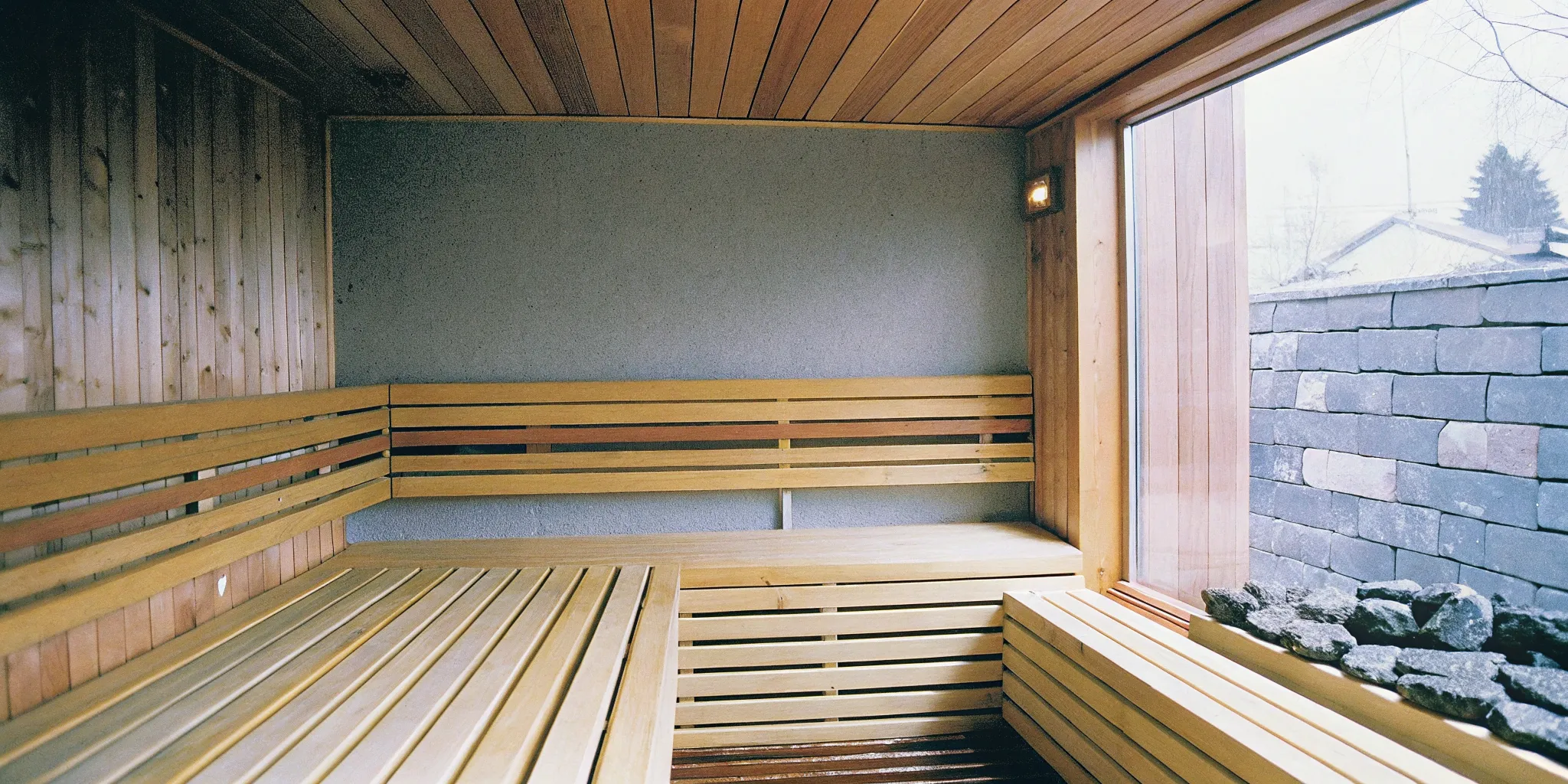
Choosing between a traditional sauna and an infrared model often comes down to how you like to feel while you sweat. A traditional unit heats the air around you, while an infrared sauna uses light to warm your body directly. This core difference changes the heat, the moisture, and the overall feel of your session.
High heat versus direct warmth
In a traditional sauna, the air reaches high heat, often between 150 and 220 degrees Fahrenheit. You feel a heavy heat that works from the outside in. This intense space is a key part of the classic sauna ritual. It leads to a strong sweat as your skin reacts to the hot air.
Infrared saunas work at a much lower air heat, usually between 120 and 140 degrees Fahrenheit. Instead of heating the room first, infrared waves warm you from the inside. This direct warmth can be more comfortable if you find high heat hard to breathe in. Since the air stays cooler, many people find they can stay in for longer sessions.
The role of steam and moisture
The ability to control steam is a big part of the traditional style. Most traditional units use stones heated by a stove. You can pour water over these heated sauna rocks to create steam. This burst of moisture makes the room feel much hotter. It adds a layer to the ritual that many people love.
Infrared saunas are dry spaces. They use panels made of carbon or clay to send out heat waves. There is no water or steam in these units. This makes for a very different feel on your skin. If you want a crisp, dry heat without steam, the infrared path may suit your home wellness plan better.
Warm up times and session flow
Because a traditional sauna must heat all the air in the room, it takes longer to get ready. You might wait 30 to 45 minutes for the space to get hot. This wait time often becomes part of the slow, mindful practice of sauna use. It is a time to prep your space and set your goals for the day.
Infrared units have much shorter sauna warm up times because they do not need to heat the air before you step inside. You can often start your session in 10 to 15 minutes. This speed makes it easier to fit a quick sweat into a busy day. Both styles offer great ways to relax in your Carolinas home.
Which sauna fits your daily routine?
Quick answer: Infrared often suits shorter weekday sessions, while traditional heat rewards homeowners who enjoy a slower, more social ritual.
Choosing the right unit often comes down to how much time you have. If you want a quick sweat after a long day, one type may suit you better than the other. Your choice between an infrared vs traditional sauna will change how you plan your day. You must think about warm up times and how you like to use the space in your home.
Fast heat for busy days
Infrared saunas are great for people with a tight schedule. These units use light waves to heat your body directly rather than the air around you. This method allows for a very fast setup in your home. Most units are ready to use in about 10 to 15 minutes. This makes them perfect for a quick session before work or right after a gym visit. You do not have to wait long to start your day.
Because they use less power to heat the air, they stay at a lower heat. Most infrared models run between 120 and 140 degrees Fahrenheit. This lower heat is often easier on the body for daily use. Research shows that these sessions can lead to improvements in heart function and blood flow. You can hop in, get the benefits, and get on with your day. If you want to try one, you can book a test soak at one of our showrooms in Charlotte or Matthews.
The ritual of traditional heat
Traditional saunas offer a different kind of feel. They use a stove to heat up a pile of rocks. This process takes more time because the unit must heat all the air in the room. You should plan for a warm up of 30 to 45 minutes. For many owners, this wait is part of a relaxing ritual. It is a time to slow down and prep for a deep sweat.
These rooms reach much higher levels of heat, often between 150 and 220 degrees Fahrenheit. You can also pour water on the hot rocks to create steam. This makes the room feel much hotter and helps with breathing. This style is best if you like to share the space with friends or family. It is less about a quick stop and more about a social event. If you are thinking about this path, check the home sauna installation requirements to see what your space needs. Our team can help with 3D design to fit a large unit into your backyard plan.
Plan for your space and needs
The time it takes to heat your sauna also depends on your home. A large room with poor insulation will take much longer to get hot. You should also think about the size of the heater you choose. A small heater in a big room will struggle to reach the right heat. This can make your daily routine feel like a chore. We offer service and repair for all our units to keep them running at their best.
Think about your goals before you buy. If you want to use your sauna every morning, the speed of infrared is a big plus. If you want a weekend retreat with steam and high heat, a traditional model is the top pick. Both types offer great health perks, but the best one is the one you will use. You can see both types in person at our showrooms in Rock Hill or Winston-Salem.
What should you plan before installation?
Start with three basics: available space, electrical capacity, and ventilation. A professional site review can confirm the right model before installation begins.
Setting up a home wellness space in the Carolinas starts with a clear plan. Whether you want to put your sauna in a master bath or out on a back deck, you must prep the area first. The work you do now ensures your unit runs well for years. Taking time to think about power, air flow, and floor types will make the process go much smoother.
Decide on your heat source
Your choice of infrared vs traditional sauna models will change your install needs. A traditional sauna heats the air using a stove and rocks, which can lead to damp air if you add water. Because of this, you need a space that can handle heat and steam. Infrared units use light panels to heat your body directly. This creates a dry heat that is often easier to manage in a bedroom or home gym.
Check your power and space
Most traditional heaters need a set 240 volt line and expert wiring to run safely. Smaller infrared units might use a standard wall plug. This makes infrared sauna installation a bit simpler for some rooms. You should also think about the floor. Stone, tile, or cement work best because they do not soak up sweat. Avoid carpet or wood that could rot or warp over time from the heat.
Focus on fresh air and prep
Good air flow is vital for any setup to keep the air fresh and protect your home from mold. For a traditional unit, you often need a vent that leads outside to dump the hot air. While Tylo saunas are built to last, they still need the right space to stay in top shape. Proper prep keeps the air safe to breathe and helps the unit last longer. High heat use has been linked to better heart health in a 20 year study from JAMA Internal Medicine. This only works if your sauna room is safe and well set.
- Measure your room to ensure the unit fits with space for the door to open wide.
- Hire a pro to see if your home power box can handle the new load.
- Choose a flat, waterproof floor like tile or concrete for the best results.
- Plan your air path to ensure the room stays dry and the unit runs well.
- Clear a path for the crew to move the large parts into your home on move-in day.
Before you buy, think about an expert site check. We can visit your home to look at your power lines and floor space. This helps you pick the right model for your lifestyle. You can also visit a showroom for a test soak to see which heat style you like best. This ensures you are happy with your choice for years to come.
How do energy considerations compare?
Quick answer: Infrared models generally warm up faster and operate at lower temperatures, but room size, insulation, heater output, and session length determine real energy use.
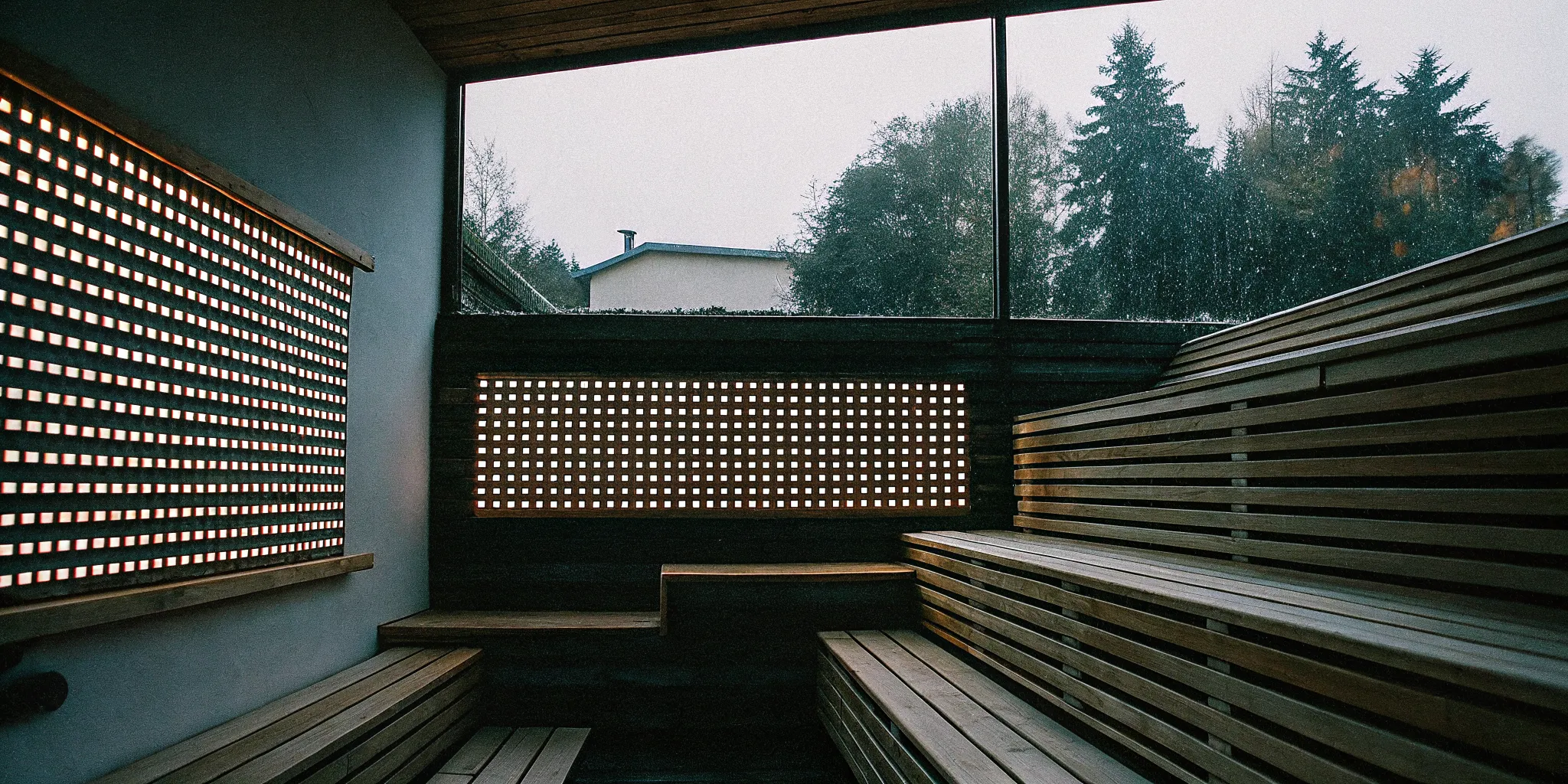
When you look at the infrared vs traditional sauna debate, energy use is a top concern for many people in the Carolinas. Both types can be efficient, but they use power in various ways. Choosing the right one for your home often depends on how much you plan to use it and where you will put it in your house.
Impact of warmup time and heat levels
The main energy gap comes from how these units heat your body. Infrared saunas use light to heat you directly. This allows them to run at lower heat levels, usually between 120 and 140 degrees Fahrenheit. Because they do not need to heat all the air in the room, they often have a much shorter warmup time. This makes them a great choice for a quick session after a long day of work.
Traditional saunas work by heating the air around you. They reach higher levels, often between 150 and 220 degrees Fahrenheit. This process takes more time and energy because the heater must warm up the entire room and all the air volume before you step inside. You can learn more by checking out our sauna heat and ownership FAQs to see which one fits your busy schedule.
Factors that drive actual energy use
Actual power use depends on several key factors. The size of the room and how well it is built are very important. A large room with poor insulation will need more power to stay hot. The power rating of your heater and how often you use the unit also play big roles in your power bills. Some smaller infrared models are even designed for infrared sauna installation using a standard home outlet. This can make them much easier to set up in a spare room or a home gym.
While energy use is a factor, many people focus on the long-term health gains. Studies have shown that regular use can lead to better well-being. For example, research in PubMed shows that dry sauna bathing has many potential health benefits for the heart and mind. Using your sauna often may provide these gains without a huge jump in your energy costs if the unit is set up correctly by a pro. We offer Tylo units that use smart tech to manage heat better.
Tips to save energy
To keep your costs low, focus on regular care and pro setup. A unit that is built well will hold heat better and run less often. You should also think about the time of day you use your sauna. Using it during off-peak hours may help save money in some areas where power rates change by the hour. Proper ventilation is also a must for both types to ensure fresh air and protect your equipment from moisture. Our team can help you look at home sauna installation requirements to ensure your space is ready for a new unit.
If you want to see how these units work in person, visit one of our showrooms. We have locations across the Carolinas, including Charlotte, Pineville, and Matthews. You can even book a test soak to feel the heat for yourself and see the quality of our Tylo models. Our experts can help you find a model that fits your lifestyle, your home, and your energy goals. We are here to help you build the perfect backyard or indoor wellness space.
Who is each sauna type best for?
Choose traditional heat if you value steam, higher temperatures, and social sessions. Choose infrared if you prefer gentler dry warmth and a faster start.
Choosing between an infrared vs traditional sauna depends on your goals and how you like to feel. Some people love the high heat and steam of a classic session. Others want a gentle way to soothe sore muscles after a workout. Both types offer great perks for your home and health, but the way they work is quite different.
The best way to decide is to think about what you want to gain. Do you want a social space for your friends? Or do you want a private place for quiet rest? Your home setup also plays a big part in your choice. We suggest looking at your space and power needs before you buy.
Traditional saunas for high heat fans
If you enjoy a ritual with high heat, a traditional sauna is likely your best fit. These rooms reach between 150 and 220 degrees. They use rocks and a stove to heat the air around you. You can even pour water on the rocks to make steam and add moisture to the air. This makes the heat feel more intense on your skin.
This type is great for social time with family or friends. Many people find the high heat and steam help them feel clean and refreshed. A long study in JAMA Internal Medicine found that using a sauna often may lower the risk of heart issues. If you want a classic Finnish feel, Tylo traditional saunas are a top choice for your home.
People who choose this style often like these features:
- Intense heat that feels like a deep sweat.
- The power to add steam for a wet sauna test.
- A large space that fits many people at once.
- A classic wood smell and look that fits a home spa.
Infrared saunas for gentle rest
Infrared saunas are better for those who prefer a lower heat. They usually stay between 120 and 140 degrees. Instead of heating the air, they use light waves to warm your body directly. This lets you stay inside longer without feeling too hot. This is a big plus for people who do not like the heavy feeling of hot, damp air.
Many people use these units to help with muscle rest or chronic pain. The heat goes deep into your tissues to help you relax and heal. These saunas are also dry since they do not use steam. You can find more practical sauna planning guidance to see if this style fits your needs.
Infrared units are also very easy to use at any time. They warm up fast, so you can start your session in a few minutes. This makes them great for a busy life. You can just step in, set the timer, and let the light do the work. It is a simple way to add wellness to your day without much fuss.
Making the final choice
Your choice also depends on your home and daily habits. Traditional units often need more space and special power lines. They may also need a way to vent the steam. Infrared models are simpler to set up. Many of them can plug into a standard wall outlet. Think about your routine and what space you have open in your backyard or home.
We invite you to visit one of our local showrooms to try both types for yourself. We have shops in Charlotte, Matthews, and Winston-Salem. A test session can help you decide which heat feels right for you. Our team can also help you look at your home to find the best spot for a new sauna. We can guide you through every step to ensure your home spa is perfect.
Homeowners building a broader recovery routine can also explore an integrated contrast therapy space with sauna and cold plunge options.
Frequently Asked Questions
Is a traditional or infrared sauna better for me?
Choosing the right sauna depends on your own heat goals and how you like to relax. Traditional saunas offer a high, strong heat that many fans of Finnish culture love. They use hot rocks and steam to reach high heat levels. Infrared saunas provide a more gentle heat that warms your body directly. If you want a long, low heat session, an infrared model is often better.
Which type of sauna is better for your health?
Both sauna types can help your well-being. One study in JAMA Internal Medicine shows that using a sauna often is linked with a lower risk of heart disease. Traditional saunas help support blood flow and muscle healing. Some people prefer infrared sessions because the lower-temperature room can feel more comfortable. Talk with a healthcare professional before using any sauna for a health condition.
How do traditional and infrared saunas differ in how they work?
The main difference is how each sauna creates heat. Traditional saunas use a heater to warm the air around you to about 150 to 220 degrees. Infrared saunas use light waves to heat your body directly instead of the air. This lets them work at lower levels, mostly between 120 and 140 degrees. Since they do not need to heat the air first, these saunas often warm up faster.
What is the main downside to an infrared sauna?
One main downside of an infrared sauna is that it has no steam. Traditional saunas let you pour water on hot rocks to create a wet, humid space. Infrared saunas always provide a dry heat feel. Some people also find that the lower heat levels do not feel as strong as a traditional room. If you enjoy the ritual of steam and high heat, you may prefer a traditional model.
How can I decide which sauna is right for my home?
The best way to choose is to try both types for yourself. We invite you to visit our showrooms in the Carolinas to try a test soak. You can see how the heat feels and talk to our team. We also offer a free home consultation to check your space and power needs. This helps make sure you get the perfect sauna for your lifestyle and home.
Ready to choose the best sauna for your Carolina home?
Waiting to set up your home sauna means you miss out on deep heat and the rest you need each day. You can start feeling better by starting your plan to build a home retreat this week and reaching your health and wellness goals sooner. Delaying this choice only keeps you from the peace and comfort that you want for your family at your home. A new sauna will help you relax after a long day and make your backyard a place where you truly want to be.
Ready to get started? Visit a local showroom to talk to an expert and find the right fit for your backyard today.